
Guatemala’s Coffee Legacy and Environmental Challenges
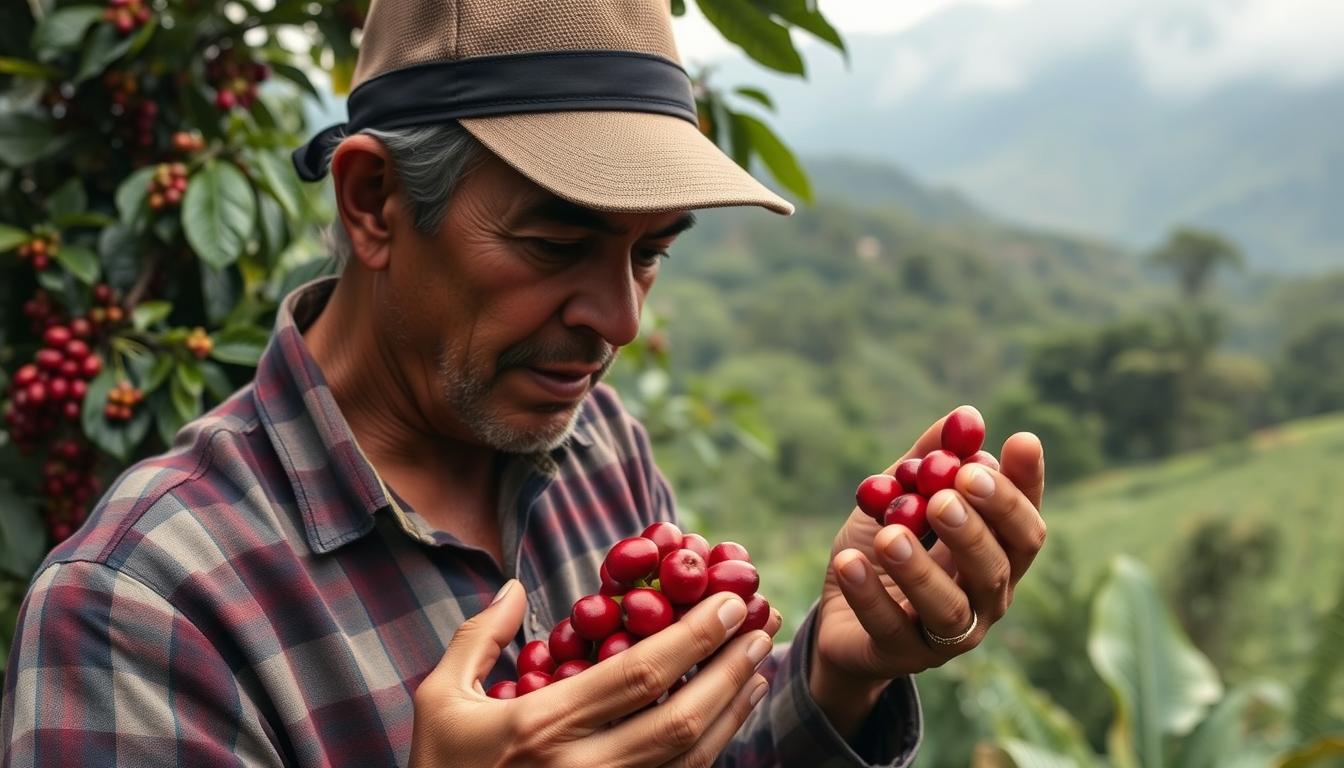
Guatemala’s coffee industry dates back to the 1850s, evolving into a cornerstone of the national economy and cultural identity. The country’s diverse geography—spanning eight distinct growing regions with varying microclimates—produces coffees with remarkable complexity and character. In 2018, coffee production was officially named “An intangible heritage of the Guatemalan nation,” recognizing its profound significance.
However, this rich heritage faces unprecedented threats. Climate change has brought erratic rainfall patterns and rising temperatures, disrupting traditional growing cycles. Many regions now experience prolonged droughts followed by intense rainfall that triggers devastating soil erosion. Meanwhile, economic pressures push some farmers toward deforestation to expand growing areas or switch to other crops.
Guatemala’s coffee farmers face a triple threat: climate volatility, soil degradation, and economic instability. Sustainable practices aren’t just environmentally responsible—they’re essential for the industry’s survival.
The challenges are particularly acute for the 44% of production that comes from smallholder farmers with limited resources. These families often lack access to the technology, education, and financial support needed to adapt to changing conditions. Without intervention, many risk losing not just their livelihoods but generations of agricultural knowledge and tradition.
Sustainable Solutions Transforming Coffee Production
Shade-Grown Coffee: Nature’s Shield
Unlike sun-grown monocultures, shade-grown coffee flourishes beneath a canopy of native trees. This traditional approach creates a natural ecosystem that protects coffee plants from extreme weather while providing habitat for birds and beneficial insects. The shade slows bean maturation, allowing more complex flavors to develop while reducing the need for chemical inputs.
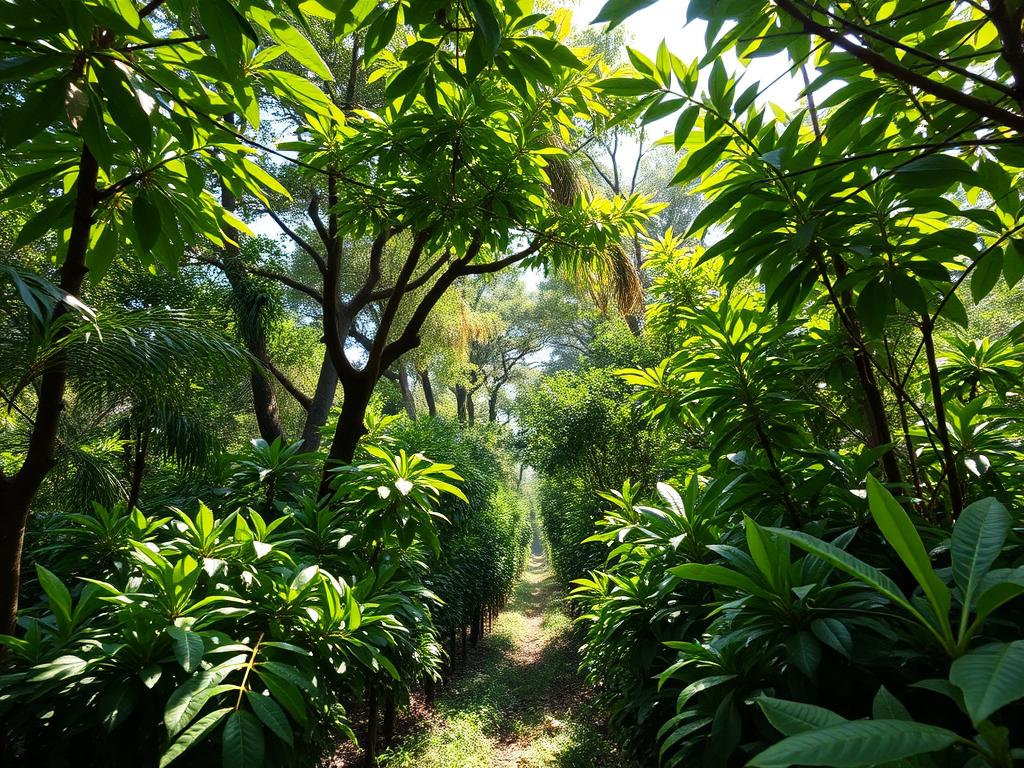
In regions like Atitlán, farmers maintain up to 40% shade coverage, preserving native tree species that help prevent soil erosion on steep slopes. This integrated approach not only protects the environment but also provides additional income sources through fruit, timber, and medicinal plants.
Water Conservation and Processing
Traditional coffee processing requires significant water usage—up to 1,000 liters to produce a single pound of coffee. Innovative farmers are dramatically reducing this footprint through water recycling systems and eco-pulpers that separate coffee beans from fruit using minimal water.
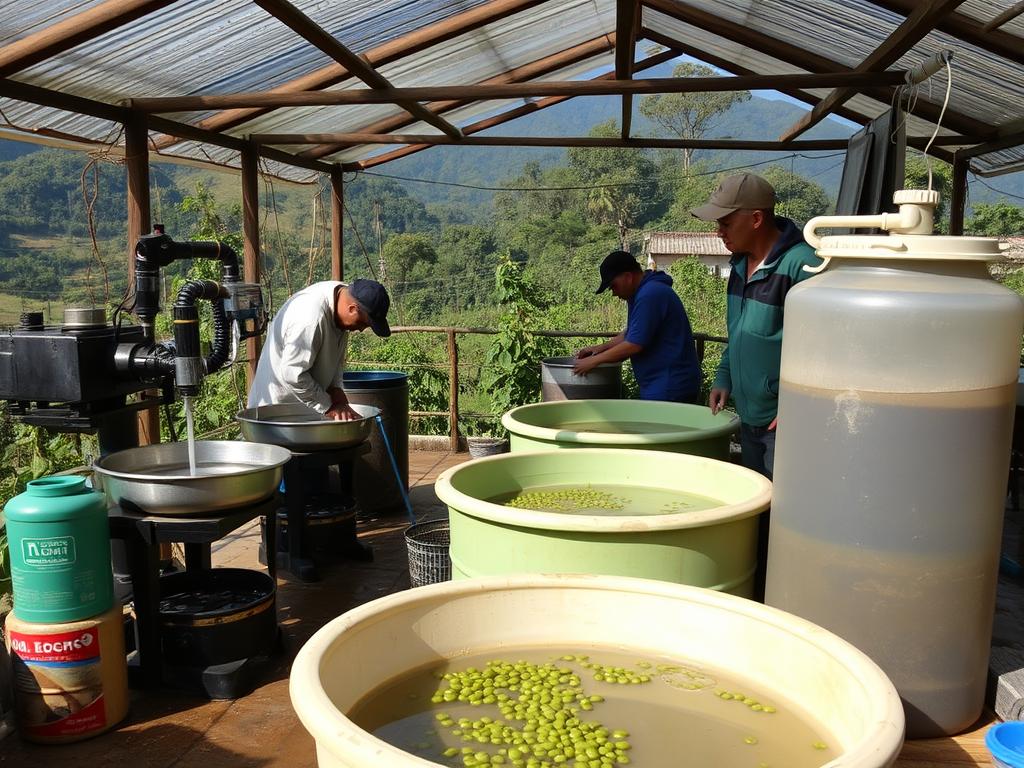
Cooperatives like Asociación Chajulense in Huehuetenango have implemented closed-loop water systems that filter and reuse processing water while converting coffee pulp into organic fertilizer. These innovations protect local watersheds while reducing production costs—a win for both environment and economics.
Discover How Your Coffee Choices Matter
Learn more about how sustainable farming practices preserve Guatemala’s coffee heritage while protecting vital ecosystems. Our free guide explains certification standards and how to identify truly sustainable coffee.
Agroforestry: The Future of Resilient Coffee
Beyond simple shade coverage, advanced agroforestry systems are revolutionizing coffee production across Guatemala. These carefully designed plantings integrate coffee with diverse tree species in multi-layered configurations that mimic natural forest structures. The approach creates resilient microclimates that buffer against temperature extremes while sequestering carbon and building soil health.
“Agroforestry isn’t just about growing coffee—it’s about creating a living system where every element supports the others. Our yields have stabilized despite increasingly erratic weather, and the quality of our beans has never been better.”
In the San Marcos region, farmers have pioneered systems that incorporate avocado, banana, and native timber species alongside coffee. These diversified plantings provide critical income during coffee’s off-season while creating natural barriers against pests and diseases. Studies show these systems can reduce erosion by up to 70% while increasing organic matter in soils—building long-term fertility without chemical inputs.
Cooperatives Leading the Sustainability Movement
Across Guatemala’s coffee landscapes, cooperatives have become powerful engines of sustainable transformation. These farmer-owned organizations pool resources, share knowledge, and create economies of scale that make certification and market access possible for smallholders. They’re not just growing coffee differently—they’re reshaping the entire value chain.
Spotlight: Cooperative Integral Agrícola La Voz
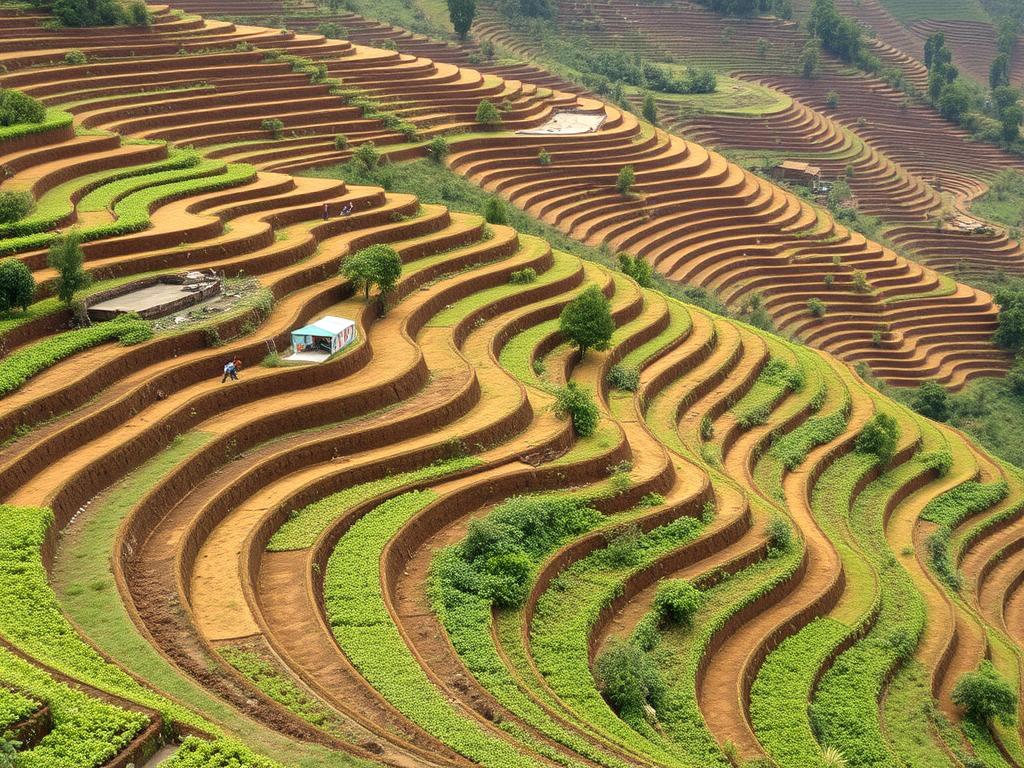
Founded in 1979 near Lake Atitlán, this cooperative of 161 indigenous Tz’utujil Maya farmers was among Guatemala’s first to achieve organic certification. Their commitment goes beyond avoiding chemicals—they’ve developed comprehensive soil conservation programs including terracing, living barriers, and composting systems that transform coffee pulp into rich fertilizer.
The cooperative’s members farm an average of just 0.5 hectares each, yet through collective action, they’ve accessed premium markets and invested in quality improvements. Their coffee now commands prices 30% above regional averages, with profits funding community education and healthcare initiatives.
Spotlight: CODECH in Huehuetenango
Coordinadora de Organizaciones de Desarrollo de Concepción Huista (CODECH) unites seven smaller cooperatives representing over 900 indigenous farmers in Huehuetenango’s remote highlands. Their integrated approach combines organic certification with gender equity programs that have dramatically increased women’s participation in coffee production and leadership.
CODECH has pioneered climate adaptation strategies including drought-resistant varietals and water harvesting systems. Their farmer field schools provide hands-on training in regenerative practices, with experienced members mentoring newcomers to sustainable methods.
Beyond Organic: The Evolution of Coffee Certifications
While organic certification remains important, Guatemala’s sustainable coffee movement has expanded to embrace more comprehensive standards that address social and economic dimensions alongside environmental concerns. These certifications provide valuable frameworks and market recognition for farmers’ sustainability efforts.
| Certification | Environmental Focus | Social Focus | Economic Benefits |
| Organic | Prohibits synthetic chemicals, promotes soil health | Limited social requirements | 10-20% price premium, reduced input costs |
| Fair Trade | Basic environmental standards | Minimum price guarantees, community development funds | Stable pricing, cooperative strengthening |
| Rainforest Alliance | Biodiversity protection, water conservation | Worker welfare, safety standards | Market access, efficiency improvements |
| Regenerative Organic | Soil regeneration, carbon sequestration | Fair payments, farmer prosperity | Premium markets, climate resilience |
Many Guatemalan producers are moving beyond single certifications toward integrated approaches that combine standards or develop region-specific sustainability protocols. The Antigua Coffee Producers Association has created its own sustainability verification system that addresses the unique environmental challenges of volcanic soils while preserving traditional processing methods that contribute to the region’s distinctive flavor profile.
Regional Excellence: Sustainability Success Stories
Huehuetenango: Resilience at High Altitude
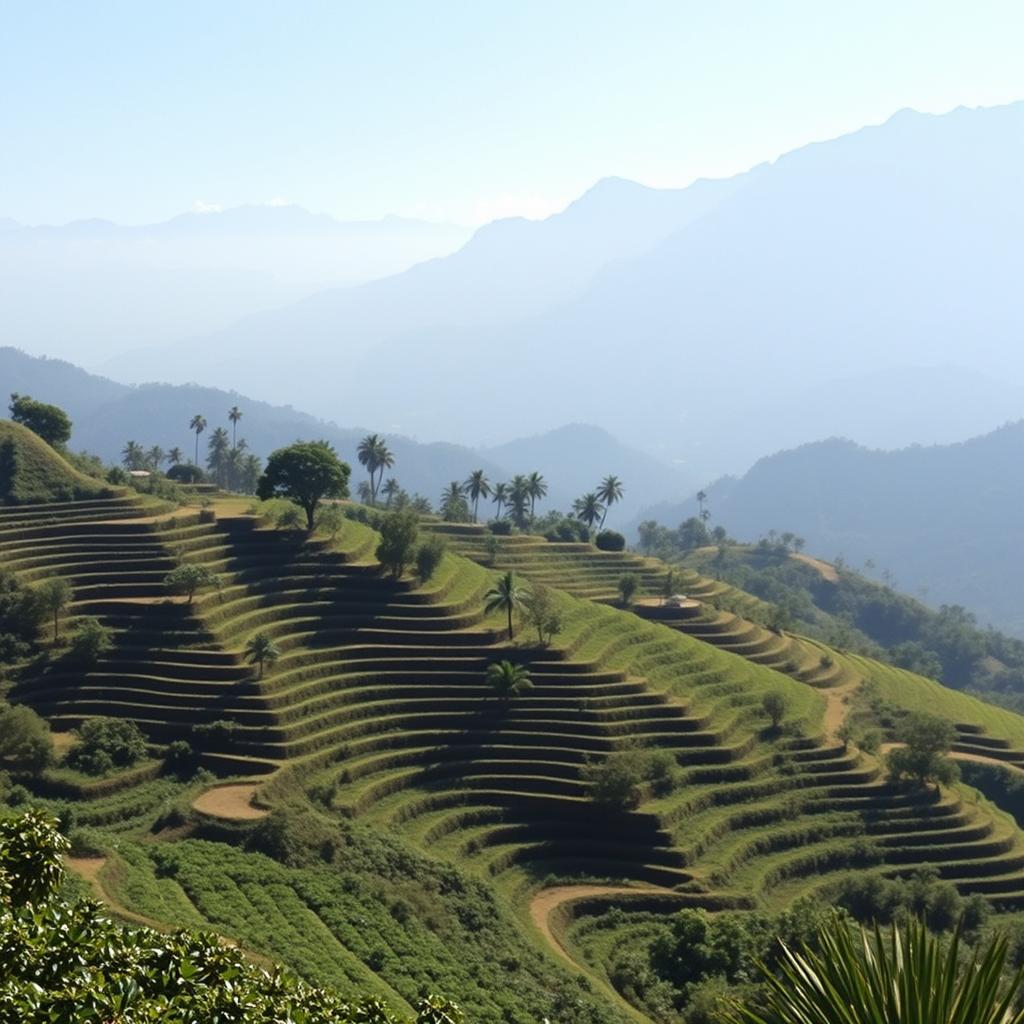
In Guatemala’s remote northwestern highlands, farmers face extreme conditions—steep slopes, limited infrastructure, and increasingly unpredictable weather. Yet Huehuetenango produces some of the country’s most celebrated coffees, with notes of bright citrus and sweet chocolate that command premium prices.
The key to this success lies in innovative adaptation strategies. Farmer Pedro Villatoro has pioneered vertical integration of coffee with native pine species that stabilize slopes while creating ideal microclimates. His farm, El Injerto, captures rainwater in a network of small reservoirs that provide irrigation during increasingly common dry spells while preventing erosion during heavy rains.
Atitlán: Indigenous Wisdom Meets Modern Science
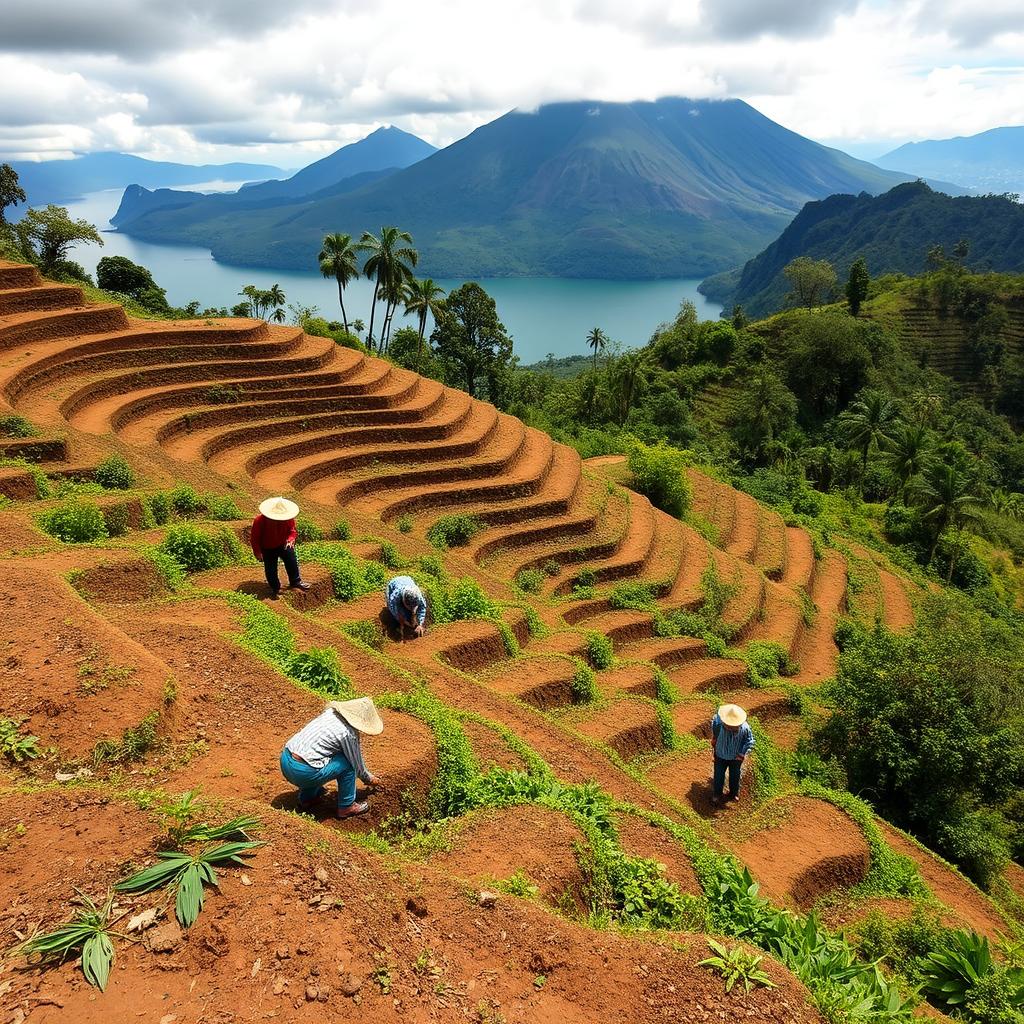
Around the shores of Lake Atitlán, Maya farmers are blending ancestral knowledge with scientific innovation. Cooperatives like ADIPY have revitalized traditional milpa intercropping systems that integrate coffee with corn, beans, and squash—maximizing land productivity while maintaining soil health.
These farmers have also embraced modern soil testing to optimize organic fertilizer applications. By precisely matching inputs to soil needs, they’ve increased yields by 15% while reducing runoff that threatens the lake’s fragile ecosystem. Their holistic approach extends to processing, with new eco-pulping equipment that has cut water usage by 80%.
Cobán: Adapting to Extreme Rainfall
The Cobán region receives up to 3,500mm of annual rainfall—creating unique challenges for sustainable production. Here, farmers have developed specialized drainage systems that manage water flow while preserving precious topsoil. Cooperative Cafetalera Integral Cobán has implemented raised drying beds and mechanical dryers powered by coffee husks to ensure quality despite humid conditions.
Their innovative “Rainforest Coffee” program integrates production with forest conservation, creating buffer zones around critical watersheds. This approach has not only stabilized production in extreme weather but also developed the region’s distinctive spicy, smoky flavor profile that has attracted specialty buyers from Japan and Northern Europe.
Beyond Environmental Benefits: Community and Economic Impact
Sustainable coffee production creates ripple effects that extend far beyond environmental protection. When implemented holistically, these practices transform community well-being, economic stability, and even the cup quality that reaches consumers worldwide.
Gender Equity and Empowerment
Women have traditionally been underrepresented in Guatemala’s coffee sector despite performing much of the labor. Sustainable initiatives are changing this dynamic through targeted programs that increase women’s land ownership, technical training, and leadership opportunities.
The “Café Femenino” program in Huehuetenango requires participating cooperatives to place women in decision-making positions and provide them with separate payment for their coffee. This economic independence has transformed household dynamics, with studies showing increased investment in children’s education and nutrition when women control coffee income.
Quality Improvements Through Sustainability
Sustainable practices don’t just protect the environment—they often enhance coffee quality. Slower maturation in shade-grown systems allows more complex sugars to develop in the bean. Improved processing techniques that conserve water also lead to cleaner, more consistent flavor profiles.
Guatemala’s sustainable producers regularly place in international competitions like Cup of Excellence, demonstrating that environmental responsibility and exceptional quality go hand in hand. This quality-sustainability connection creates a virtuous cycle, as better cup scores command higher prices that fund further improvements.
Support Sustainable Guatemalan Coffee
Your coffee choices make a real difference to farming communities and ecosystems in Guatemala. Explore our selection of certified sustainable coffees from the regions featured in this article.
The Future of Sustainability in Guatemalan Coffee
Guatemala stands at a crossroads. Climate change and market pressures threaten traditional coffee production, yet the innovative sustainability practices emerging across the country offer a path forward that protects both environmental and cultural heritage while ensuring economic viability.
The most promising approaches integrate traditional knowledge with scientific innovation, addressing environmental challenges while strengthening community resilience. These holistic models recognize that true sustainability must balance ecological health with human prosperity—neither can succeed without the other.
For consumers, supporting these efforts means looking beyond simple labels to understand the complex stories behind each cup. By choosing coffees from producers committed to comprehensive sustainability, coffee lovers become partners in preserving Guatemala’s extraordinary coffee landscapes and cultures for generations to come.
“Sustainability isn’t a certification—it’s a journey we walk together. When farmers, roasters, and consumers align around these values, we create a future where coffee can thrive not just as a product, but as a force for positive change.”
Take Action for Sustainable Coffee
Ready to make a difference? Join our community of coffee lovers committed to supporting sustainable practices in Guatemala and beyond. Get exclusive access to farmer stories, sustainability updates, and special offers on certified coffees.