
Guatemala’s Rich Coffee Heritage
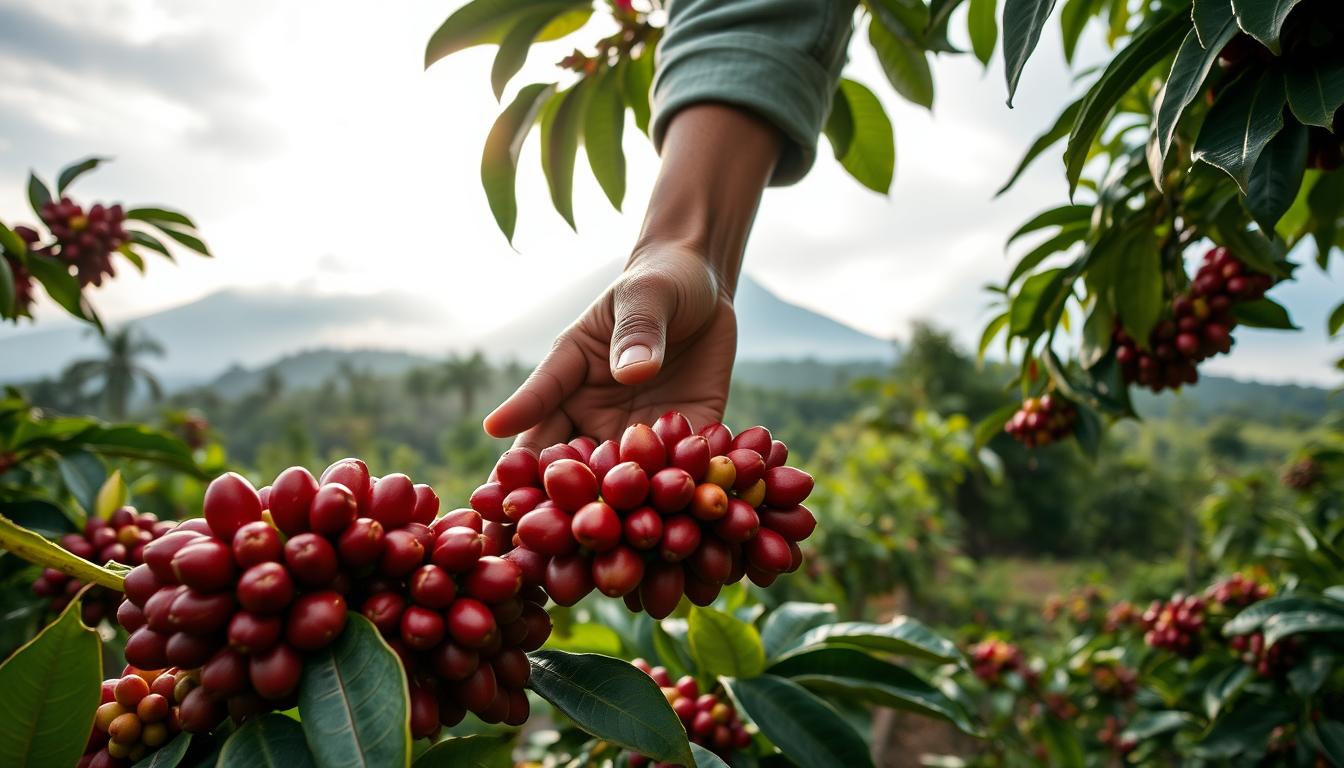
Coffee cultivation in Guatemala dates back to the 1700s when Jesuit priests first brought coffee trees to the region. What began as small-scale cultivation quickly evolved into the country’s economic backbone. Today, Guatemala stands as one of the world’s premier coffee origins, with eight distinct growing regions, each producing beans with unique flavor profiles.
What sets Guatemalan coffee apart isn’t just the ideal growing conditions—volcanic soil, high altitude, and favorable climate—but the techniques used to process the beans. These methods have been refined over generations, passed down from parent to child on the country’s 175,000+ small farms.
“Guatemalan coffee techniques represent a perfect marriage between ancestral wisdom and scientific understanding. This balance creates coffees with remarkable complexity and clarity.”
Traditional Processing Techniques
The foundation of Guatemala’s coffee excellence lies in traditional processing methods that have stood the test of time. These techniques, while labor-intensive, create the distinctive flavor profiles that have made Guatemalan coffee famous worldwide.
Hand Selection and Sorting
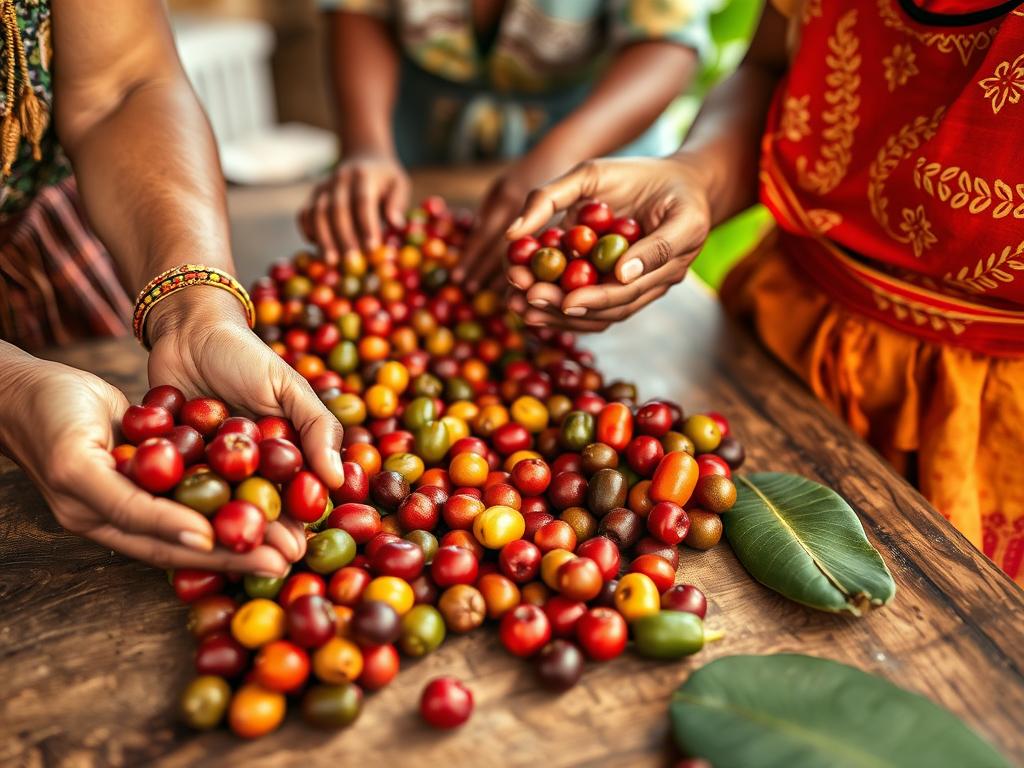
Before any processing begins, Guatemalan farmers practice meticulous hand selection. Only perfectly ripe cherries are harvested, often requiring multiple passes through the same trees as cherries ripen at different rates. This selective harvesting ensures optimal sugar development and flavor potential.
After harvesting, many producers perform additional sorting by hand or using water flotation to separate lower-density, defective beans. This attention to detail at the earliest stages sets the foundation for exceptional quality.
Natural Fermentation Methods
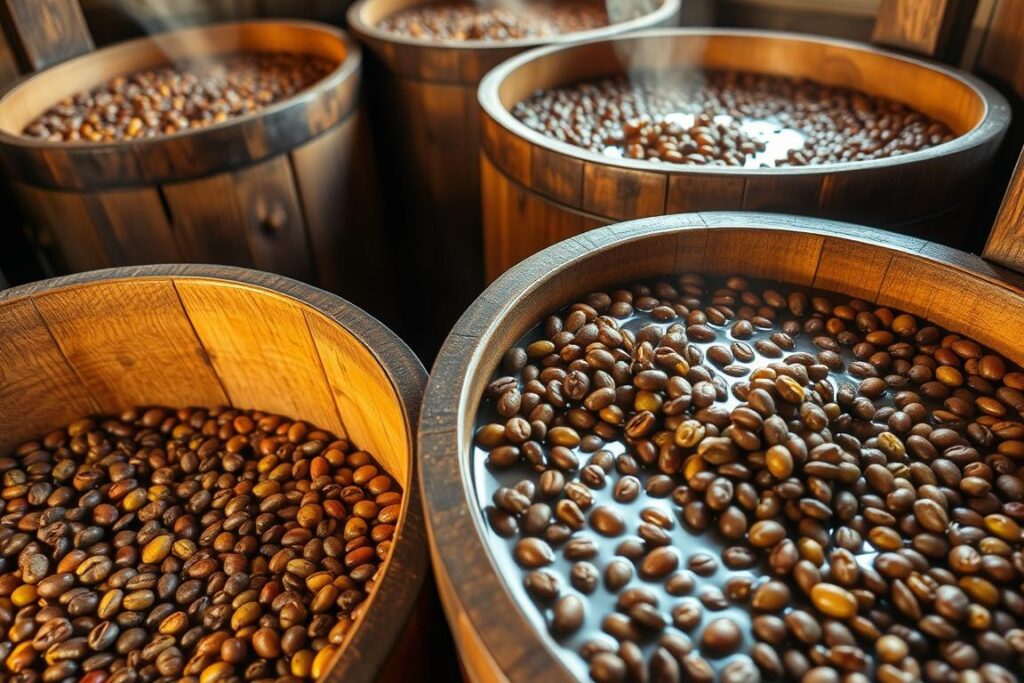
Fermentation is perhaps the most critical and nuanced stage in coffee processing. Traditional Guatemalan fermentation involves placing pulped coffee beans in wooden or concrete tanks where naturally occurring microorganisms break down the mucilage (the sticky fruit layer surrounding the bean).
What makes Guatemalan fermentation unique is the precise timing. Farmers rely on generational knowledge to determine when fermentation is complete—typically 12-36 hours depending on altitude, temperature, and humidity. Too short, and the coffee retains unwanted fruit compounds; too long, and it develops unpleasant, over-fermented flavors.
Patio Drying
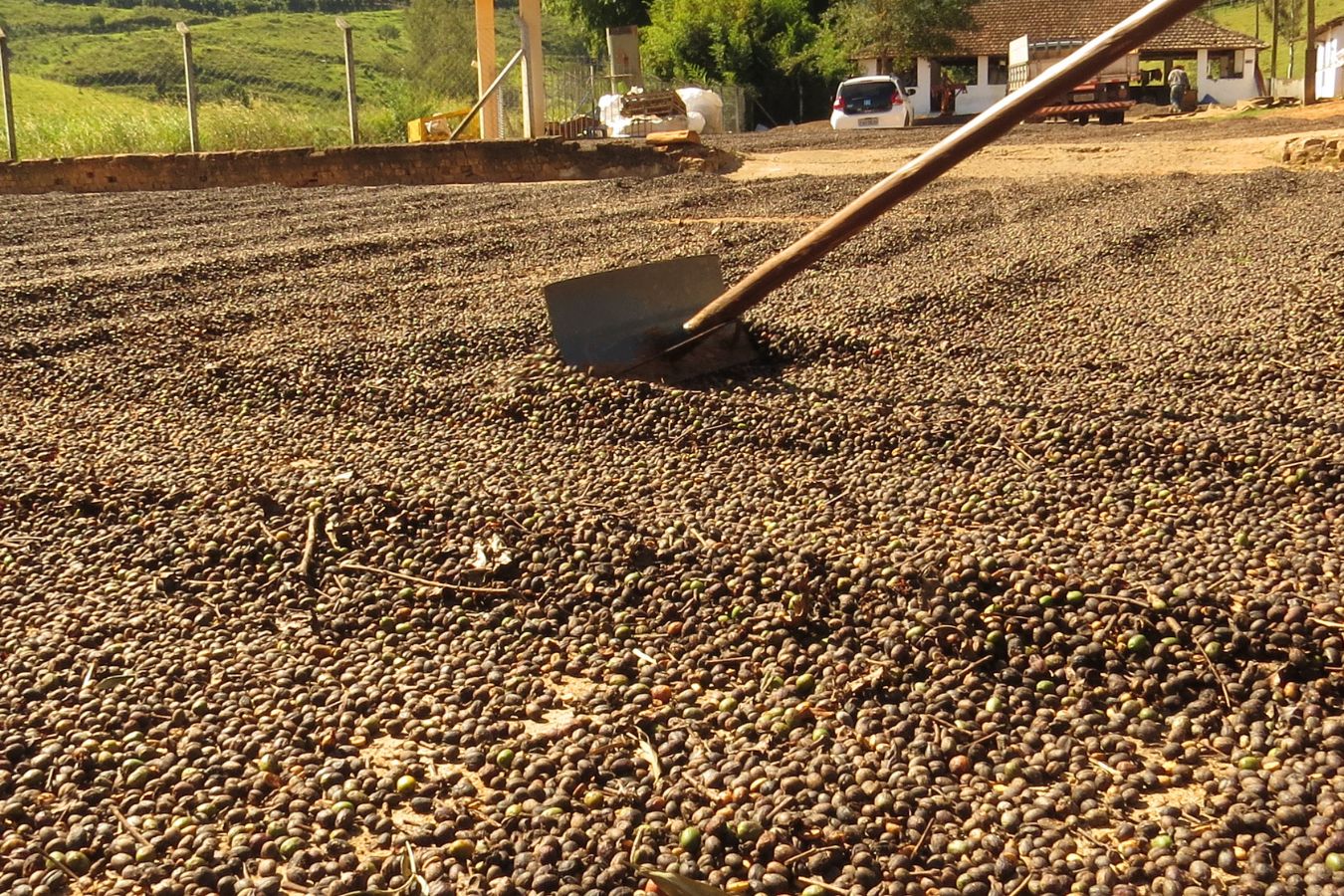
After washing, beans are traditionally dried on concrete or clay patios under the sun. Workers rake the beans several times daily to ensure even drying and prevent mold development. This slow, natural drying process can take 7-14 days depending on weather conditions.
The gradual moisture reduction during patio drying allows for complex flavor development while preserving the bean’s cellular structure. Many farmers believe this patient approach produces more balanced, nuanced coffees than mechanical drying methods.
Modern Innovations in Guatemalan Coffee Processing
While honoring traditional methods, forward-thinking Guatemalan producers have embraced scientific innovations that enhance quality, consistency, and sustainability. These modern approaches complement rather than replace ancestral techniques.
Controlled Fermentation
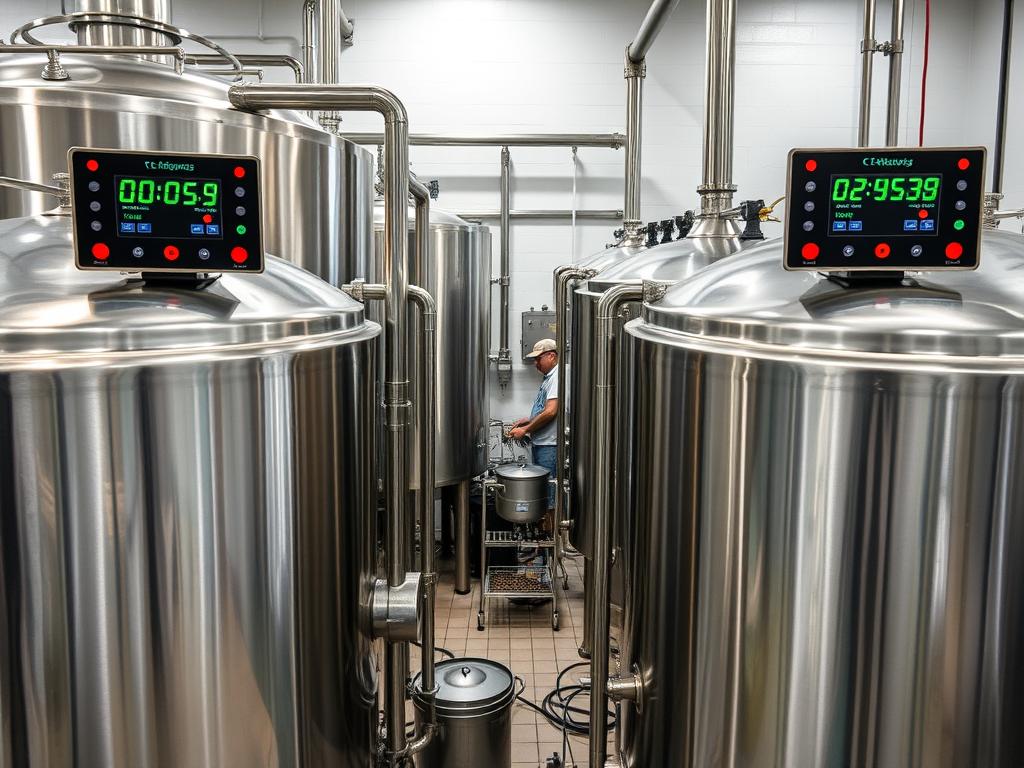
Leading producers now approach fermentation as a science, controlling variables like temperature, pH levels, and oxygen exposure. Some use stainless steel tanks with temperature regulation to maintain optimal conditions for specific microbial activity. Others experiment with yeast strains to develop unique flavor profiles.
This scientific approach allows for greater consistency between batches while still honoring the fundamental fermentation process that gives Guatemalan coffee its character. The result is cleaner, more predictable flavor profiles without sacrificing complexity.
Eco-Pulpers and Water Conservation
Traditional wet processing requires significant water usage—up to 20 liters per kilogram of coffee. Modern eco-pulpers have revolutionized this process, reducing water consumption by up to 90% while simultaneously separating beans by density for quality grading.
These machines mechanically remove mucilage without extended fermentation, allowing producers in water-scarce regions to process coffee efficiently while minimizing environmental impact. The technology also reduces labor requirements, helping small producers remain competitive.
Advanced Drying Technologies
While patio drying remains common, innovative drying methods have emerged to address climate challenges and improve consistency. Solar dryers—greenhouse-like structures with raised beds—protect beans from unexpected rainfall while maintaining airflow and solar exposure.
Some larger operations employ mechanical dryers with precise humidity and temperature controls, allowing for consistent drying regardless of weather conditions. The most successful producers often use a hybrid approach: starting with mechanical drying to quickly reduce initial moisture, then finishing with slower patio or raised-bed drying for optimal flavor development.
Innovation Spotlight: Some forward-thinking Guatemalan producers are now implementing moisture meters and data logging during drying. This allows them to create precise drying curves that can be replicated season after season, ensuring consistent quality regardless of changing climate conditions.
Regional Variations in Guatemalan Coffee Techniques
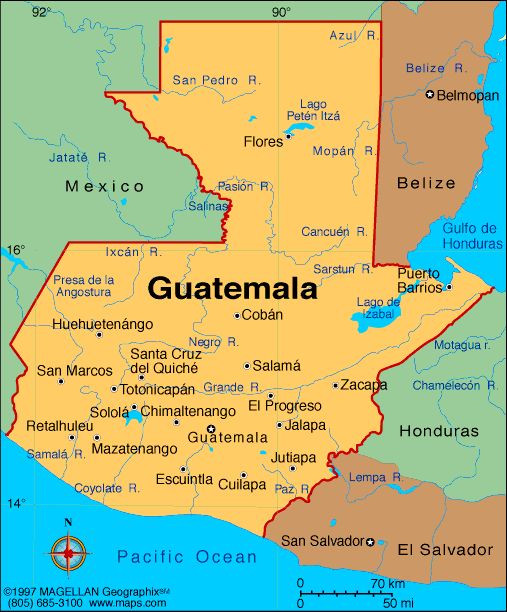
Guatemala’s diverse microclimates have led to region-specific processing techniques that highlight local terroir. The country’s coffee association, Anacafé, recognizes eight distinct growing regions, each with unique approaches to processing.
Antigua
Surrounded by three volcanoes, Antigua producers typically use longer fermentation periods (24-36 hours) to develop the region’s famous chocolate notes and full body. Many farms maintain traditional concrete fermentation tanks and expansive drying patios, some dating back generations.
Huehuetenango
In this remote, high-altitude region, many producers practice semi-washed processing due to limited water availability. This technique, which leaves some mucilage on the bean during drying, contributes to the region’s renowned fruity acidity and complex flavor profile.
Atitlán
Coffee farms surrounding Lake Atitlán often implement water conservation techniques due to environmental concerns about the lake’s ecosystem. Many have adopted eco-pulpers and water recycling systems while maintaining traditional fermentation approaches.
San Marcos
As Guatemala’s warmest, rainiest coffee region, San Marcos producers have developed specialized covered drying techniques to cope with high humidity. Many use raised beds with adjustable covers to protect beans during frequent
rainfall while allowing for ventilation.
How Innovation Empowers Small Producers
Unlike some coffee-producing countries dominated by large estates, Guatemala’s coffee sector consists primarily of smallholder farmers, many with less than 2 hectares of land. For these producers, balancing tradition with innovation is not just about quality—it’s about survival in a competitive global market.
Cooperative Processing Centers
Many small producers lack resources for individual processing facilities. Innovative cooperative wet mills allow farmers to pool resources and access advanced processing technology they couldn’t afford individually. These shared facilities maintain traditional quality standards while implementing water-saving technologies and quality control measures.
Micro-Lot Processing
Small farmers increasingly separate their highest-quality harvests for specialized processing. These micro-lots receive extraordinary attention, often using experimental techniques like extended fermentation or honey processing. The resulting distinctive coffees command premium prices, allowing small producers to compete based on quality rather than volume.
“The beauty of Guatemalan coffee is how small producers blend ancient knowledge with accessible innovations. They don’t need expensive equipment to make world-class coffee—just careful attention to detail and a willingness to experiment within tradition.”
How Processing Techniques Impact Flavor
The techniques used to process coffee have profound effects on its final flavor profile. Understanding these relationships helps appreciate the craftsmanship behind Guatemalan coffee.
| Processing Technique | Traditional Approach | Modern Innovation | Flavor Impact |
| Fermentation | Natural fermentation in wooden tanks | Controlled fermentation with pH monitoring | Affects acidity, clarity, and fruit notes; longer fermentation typically increases complexity |
| Washing | Manual washing in channels | Eco-pulpers with mechanical mucilage removal | Clean cup profile with pronounced acidity and clearer terroir expression |
| Drying | Patio drying (7-14 days) | Hybrid mechanical/solar drying | Slow drying develops sweetness and body; even moisture reduction prevents defects |
| Sorting | Hand sorting by size and density | Optical color sorting and density tables | Removes defects that would introduce bitterness or off-flavors |
The Future of Guatemalan Coffee Techniques
As climate change presents new challenges for coffee producers worldwide, Guatemalan farmers continue to adapt their techniques while preserving their coffee heritage. Emerging trends include:
- Anaerobic fermentation experiments that create unique flavor profiles through oxygen-limited environments
- Water activity measurement during processing to optimize shelf life and flavor stability
- Blockchain technology to track processing methods from farm to cup, ensuring transparency
- Renewable energy implementation at processing facilities, including solar-powered pulpers and water heating
- Experimental varietals that require adapted processing techniques to highlight their unique characteristics
These innovations don’t replace traditional methods but rather build upon them, allowing Guatemalan producers to maintain their distinctive quality while addressing modern challenges.
Experience the Balance of Tradition and Innovation
The story of Guatemalan coffee techniques is one of thoughtful balance—honoring ancestral wisdom while embracing beneficial innovations. This approach has established Guatemala as a producer of exceptionally balanced, complex coffees that showcase both tradition and forward-thinking.
When you enjoy a cup of specialty Guatemalan coffee, you’re tasting the results of this careful equilibrium: the meticulous hand-sorting, the precisely timed fermentation, the patient drying process, and the innovative quality controls that ensure consistency. Each sip represents generations of expertise combined with a willingness to evolve and improve.
Taste the Difference These Techniques Make
Experience firsthand how Guatemala’s unique processing methods create exceptional coffee. Our single-origin Guatemalan beans showcase the perfect balance of traditional craftsmanship and innovative quality control.