
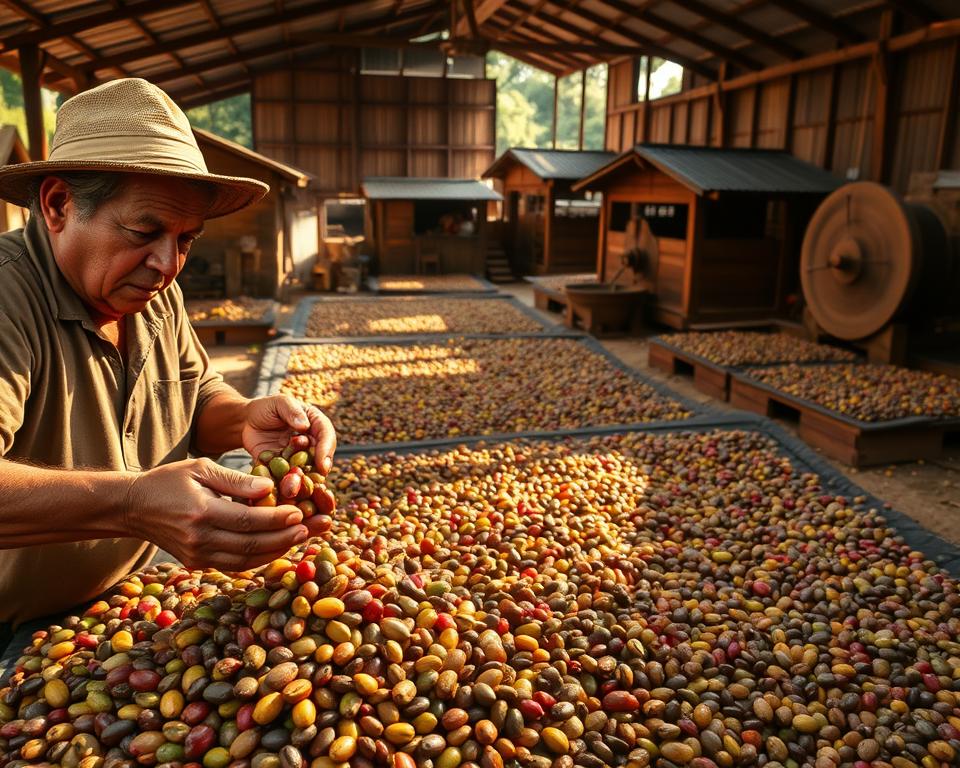
Guatemalan coffee is famous for its rich taste and unique processing ways. The method used to process coffee beans greatly affects the taste. In Guatemala, coffee makers use different techniques to highlight their coffee’s special traits.
There are three main types of processing methods. Knowing these is key for coffee lovers who want to enjoy Guatemalan coffee’s subtleties.
Processing coffee means removing the outer skin and pulp of the coffee cherry. This leaves different amounts of mucilage. The natural, washed, and honey-process methods vary in how they deal with this mucilage. This results in unique flavors.
The Foundation of Coffee Flavor: Processing Methods
How coffee is processed can lead to many different flavors. The processing methods greatly affect the taste. It’s key to know these methods to enjoy coffee’s flavor.
Guatemalan coffee is famous for its rich taste. It shows how processing methods change the flavor. There are three main ways: natural, washed, and honey process. Each one gives a unique taste.
| Processing Method | Flavor Profile |
|---|---|
| Natural | Fruity, Sweet |
| Washed | Clean, Bright |
| Honey | Balsamic, Complex |
Choosing the best natural washed coffee means knowing these methods. The taste is very different for natural, washed, and honey-processed coffee.
Learning about coffee’s flavor foundation helps coffee lovers make better choices. They can pick the coffee they like best.
Understanding Coffee Processing: From Cherry to Bean
Guatemalan coffee is famous for its rich flavors. These flavors come from the country’s coffee-growing regions and how the coffee is processed. The journey from coffee cherry to bean is complex, with many steps that affect the coffee’s taste.
In Guatemala, coffee processing varies. Methods include natural, washed, and honey processes. Each method adds to the coffee’s unique taste. For example, the natural process dries the cherries whole, making the coffee’s body and fruit notes more pronounced.
Guatemala’s coffee-growing regions, like Antigua, Huehuetenango, and Atitlán, each give their coffee a special flavor. Antigua’s coffee is known for its balanced acidity and rich taste. Huehuetenango’s coffee often has strong flavors with chocolate and spice notes.
The specialty honey process coffee is getting more popular. It has balanced acidity and sweet flavors. This process leaves some of the coffee cherry’s mucilage on, making the coffee sweeter. Organic honey process coffee is also known for its environmental benefits and rich taste.
Knowing about these regional differences and processing methods is key to enjoying Guatemalan coffee. Whether it’s the fruity taste of natural process coffee or the sweet notes of honey process coffee, each cup has its own story.
Natural, Washed, and Honey Process Coffee: An Overview
Coffee processing methods like natural, washed, and honey greatly affect the taste and quality of coffee beans. Each method has its own special traits. These traits help create the unique flavors that coffee lovers enjoy.
Natural processing keeps the coffee cherries whole while drying. This makes the coffee taste fruitier and sweeter. Washed processing removes the cherry skin and pulp before drying. This leads to a cleaner, brighter taste.
Honey processing is a mix of the two. It removes the skin but keeps some or all of the pulp during drying. This results in a balanced flavor with hints of fruit and honey.
Impact on Smallholder Farmers’ Livelihoods
The choice of processing method can greatly affect smallholder farmers’ lives. For example, sustainably sourced washed coffee often gets a higher price. This is because of its quality and the environmental benefits it offers.
| Processing Method | Flavor Profile | Impact on Farmers |
|---|---|---|
| Natural | Fruity, Sweet | Premium natural coffee beans can fetch higher prices. |
| Washed | Clean, Bright | Sustainably sourced washed coffee is in high demand. |
| Honey | Fruity, Balanced | Honey processed coffee offers a unique selling point. |
The table shows how different processing methods create unique flavors. It also highlights how these methods can help smallholder farmers. By focusing on high-quality coffee, like sustainably sourced washed coffee, farmers can better their lives.
How to Identify Natural Process Coffee
To spot natural process coffee, look at both green and roasted beans. Natural process coffee stands out because of how the coffee cherries are dried. The fruit stays on the beans during drying.
Visual cues in the green and roasted beans
Green beans show a clear color difference, often looking bluish or purple. This is because of the fruit’s effect during drying. Roasted natural process coffee beans, on the other hand, might look less vibrant than washed process coffees.
The bean’s surface is another clue. Natural process coffee beans have an uneven surface from drying. This unevenness is more noticeable in green beans.
When checking roasted beans, notice the roast level and bean density. Natural process coffees are often denser. This density can change how the roast develops.
Knowing these visual signs helps coffee lovers identify natural process coffee. This includes coffees labeled as “honey processed single origin coffee.” Although honey processing is different, it also involves fruit influence, similar to natural processing.
Flavor Characteristics of Natural Processed Guatemalan Coffee
Natural processing brings out the best in Guatemalan coffee beans. It lets the coffee cherries dry with the beans inside. This gives the coffee a unique taste that’s fruity and full-bodied.
The taste of natural processed Guatemalan coffee often has tropical fruit notes like mango and pineapple. You might also taste hints of berries. The coffee’s acidity is balanced, making it smooth and refreshing.
Compared to other methods, natural processed Guatemalan coffee has a heavier body and more fruitiness. It might not be as bright as washed coffee. But, it’s a rich and satisfying cup that coffee lovers enjoy.
If you’re used to top-rated washed coffee, try the natural processed version. It shows how versatile and deep Guatemalan coffee can be.
How to Identify Washed Process Coffee
To spot washed process coffee, you need to know about its making. This includes how water helps remove the coffee cherry’s skin. Washed process coffee stands out because it’s made without the outer skin of the cherry. This leads to brighter acidity and cleaner tastes compared to other methods.
There are two ways to wash coffee beans: mechanically or traditionally. Knowing the difference helps understand the coffee’s quality and taste.
Differences between mechanical and traditional washing
Mechanical washing uses machines to get rid of the pulp and skin. It’s quicker and works well for big batches. On the other hand, traditional washing is done by hand or with simple tools. It’s slower but can bring out more complex flavors.
- Mechanical washing is faster and can handle larger quantities, making it suitable for commercial-scale coffee production.
- Traditional washing, while more time-consuming, can result in a more nuanced flavor profile due to the careful selection of coffee cherries.
For more info on coffee processing, like washed, natural, and honey, check out Hermanos Coffee Roasters. They explain these methods and how they affect coffee’s taste.
Flavor Characteristics of Washed Guatemalan Coffee
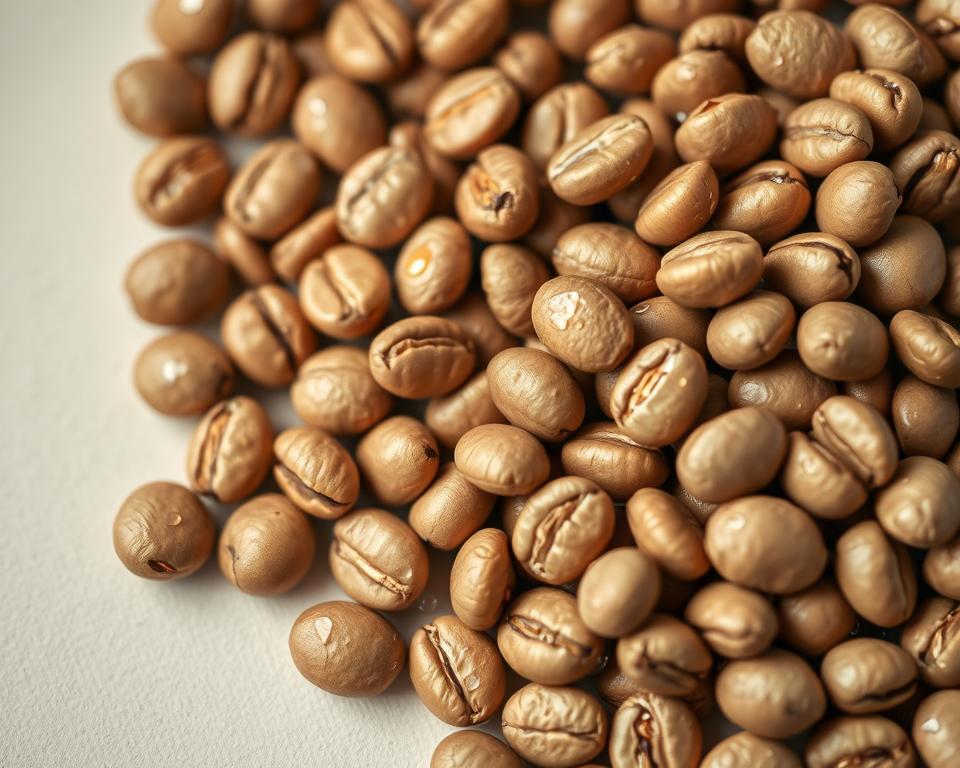
The washed processing method greatly affects the taste of Guatemalan coffee. It’s a hit among coffee lovers. Washed Guatemalan coffee is famous for its bright acidity and clean taste.
Washed processing removes the skin and pulp of the coffee cherry before drying. This makes the coffee more acidic and has a lighter body. It’s different from natural or honey-processed coffees.
| Flavor Characteristics | Description |
|---|---|
| Acidity | Bright, with notes of citrus and floral hints |
| Body | Medium to light, with a clean finish |
| Flavor Notes | Fruit notes, including apple and berries, with a hint of chocolate |
The unique taste of washed Guatemalan coffee is why it’s so popular. Its clear and detailed flavors come from the washed processing method.
How to Identify Honey Process Coffee
To spot honey process coffee, you need to know about the honey processing method. This method keeps some or all of the mucilage on the coffee bean. This mucilage is what gives the coffee its unique taste.
Honey process coffee usually has a yellow or golden hue. This color comes from the mucilage left on the beans. Its taste is sweeter and fruitier than other types of coffee.
Monitoring and controlling the honey process
It’s key to watch and control the honey process for top-notch coffee. Farmers must manage how much mucilage stays on the beans. They also need to dry the beans right to prevent spoilage.
| Characteristics | Honey Process | Washed Process | Natural Process |
|---|---|---|---|
| Appearance | Yellow/Golden | Clean, bright | Dry, shriveled |
| Flavor Profile | Sweet, fruity | Bright, acidic | Fruity, floral |
| Processing Method | Mucilage left on beans | Mucilage removed | Dried in fruit |
For coffee lovers, knowing how to spot honey process coffee is a plus. It shows a deeper understanding of coffee making. It’s about appreciating the effort that goes into creating such a fine brew.
Flavor Characteristics of Honey Processed Guatemalan Coffee
Guatemalan coffee processed with the honey method is known for its smooth body and tropical fruit notes. This method leaves some fruit mucilage on the beans during drying. It adds to its unique taste.
The flavor of organic honey process coffee from Guatemala is balanced and sweet. It has citrus flavors like orange and lemon, along with caramel and chocolate hints.
| Flavor Profile | Description | Common Notes |
|---|---|---|
| Body | Rich and velvety | Tropical fruit, caramel |
| Acidity | Balanced | Citrus (orange, lemon) |
| Overall Taste | Sweet and refined | Chocolate, nuts |
Honey processed Guatemalan coffee is a hit among coffee lovers. Its balanced and complex taste shows the high quality of Guatemalan coffee. It also highlights the expertise of local coffee makers.
Environmental Impact of Different Processing Methods
Coffee processing methods greatly affect the environment. The three main methods – natural, washed, and honey – have different impacts. They affect water use, waste, and sustainability.
The washed method uses a lot of water. But, some farms use recycling to save water. Natural processing uses less water but can create more waste if not managed right.
Honey processing uses less water than washed but more than natural. Sustainable practices can lessen the environmental impact. For example, using wastewater for plants or composting coffee cherry husks.
Knowing the environmental effects of each method helps producers and consumers. They can make choices to lessen their ecological footprint.
How to Choose Between Natural, Washed, and Honey Process Coffee
The world of coffee processing is full of variety. Natural, washed, and honey methods each bring unique flavors. Knowing what you like is key to making the right choice.
When picking between premium natural coffee beans and others, think about your taste. Natural coffees are fruity and floral. Washed coffees are clean and balanced.
Creating a Tasting Flight to Compare Processing Methods
One great way to see the differences is by making a tasting flight. This means brewing coffees in different ways and tasting them together.
Here’s how to make a tasting flight:
- Choose coffees from the same place but made differently.
- Brew each coffee the same way and in the same amount.
- Drink the coffees in a quiet, comfy spot.
Trying honey processed single origin coffee next to natural and washed can show interesting contrasts. Honey coffees mix the fruitiness of natural with the cleanliness of washed.
| Processing Method | Flavor Profile | Body |
|---|---|---|
| Natural | Fruity, Floral | Heavy |
| Washed | Clean, Balanced | Medium |
| Honey | Fruity, Balanced | Medium to Heavy |
By tasting different methods side by side, you can really get to know coffee. This helps you choose what you like best.
Conclusion: The Art and Science of Coffee Processing
The art and science of coffee processing are key to Guatemalan coffee’s flavor and quality. It’s important to know the differences between natural, washed, and honey-process methods. This knowledge is vital for both coffee lovers and producers.
Washed coffee is known for its bright acidity and clean taste. Honey process coffee, on the other hand, is sweeter and more complex. The choice between these methods depends on personal taste and the flavor you want.
The coffee industry is always changing, and the processing method greatly affects the final coffee. By understanding the differences, coffee lovers can truly appreciate the skill that goes into making high-quality Guatemalan coffee.