
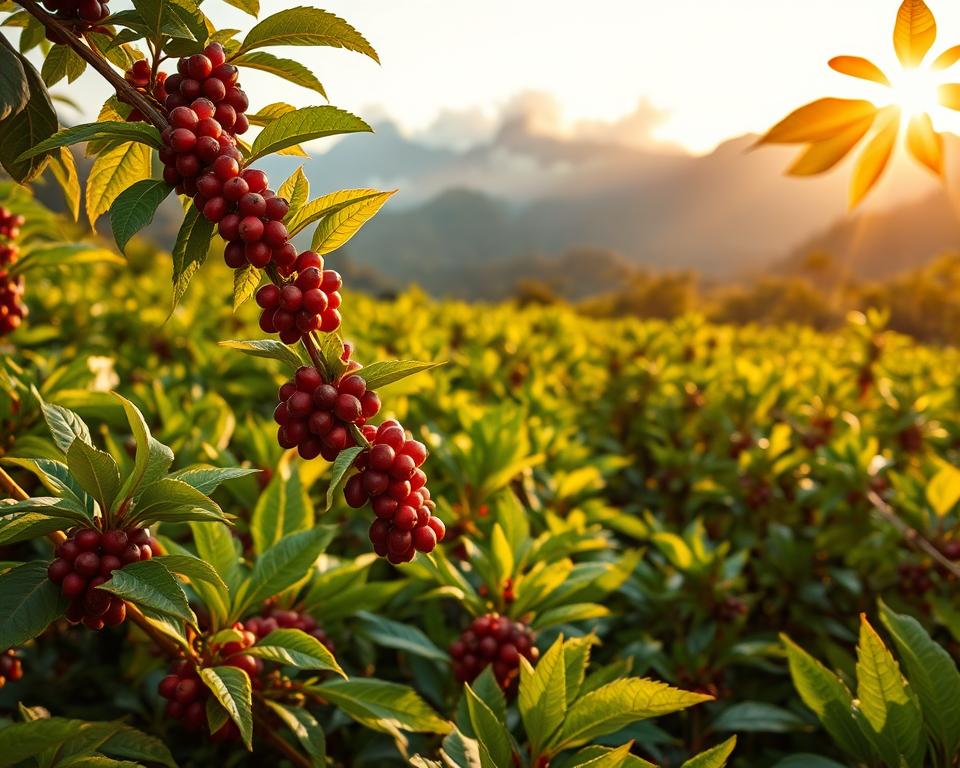
Guatemalan coffee is famous for its quality and unique tastes. It’s perfect for learning about coffee blends and single-origin coffees. The country’s rich soil and varied climates add to its coffee’s complexity.
Knowing the difference between blends and single-origin coffees is key for coffee lovers. Blends mix beans from different places, while single-origin coffees come from one place. This shows off its special traits.
This article will explore Guatemalan coffee. We’ll look at the differences between blends and single-origin coffees. You’ll learn what makes each type unique.
Understanding Coffee Origins
The taste and quality of coffee depend a lot on where it comes from. Guatemala is famous for its coffee, thanks to its rich soil and varied climate. Places like Antigua and Huehuetenango are known for their coffee. Each area gives the beans special qualities because of the soil, height, and how they’re processed.
How Origin Affects Flavor
Guatemalan coffees taste different because of the unique conditions in each area. For example, Antigua’s coffee is balanced with chocolate and spice flavors. On the other hand, Huehuetenango’s coffee is brighter with fruit notes.
Knowing where coffee beans come from is key when choosing between blends and single-origin coffees. Blends mix beans from various places for a balanced taste. Single-origin coffees, however, highlight the special traits of their region, offering a unique taste.
Blends vs Single Origin Coffee: The Fundamental Differences
Guatemalan coffee is famous for its rich flavors. It comes in blends and single-origin types, each with its own taste. Blends mix beans from different places to get a balanced flavor. Single-origin coffees, however, show off the unique taste of their region.
Blends aim for a balanced taste, with beans chosen for their flavor. Single-origin coffees, though, highlight the special traits of their region. For example, Antigua Guatemalan coffee is known for its balanced acidity and rich taste. Coffee from Huehuetenango has a brighter acidity.
Blends usually have a balanced acidity and body. Single-origin coffees can have a wide range of acidity, from bright to smooth. The body of a coffee, or its texture, can also vary, from light to heavy.
Choosing between blends and single-origin coffees depends on what you like. Blends are great for everyday drinking because of their balanced taste. Single-origin coffees offer a unique taste experience, perfect for coffee lovers who want to try different regions.
In the end, the choice between blends and single-origin coffees is up to you. Whether you enjoy the balanced flavors of blends or the unique tastes of single-origin coffees, Guatemalan coffee has a lot to offer.
The Rich Heritage of Guatemalan Coffee
The story of Guatemalan coffee is one of tradition, passion, and hard work. It has shaped the nation’s identity. For many years, coffee has been key to Guatemala’s economy and culture.
Guatemalan coffee is famous for its high quality and unique flavors. It’s a popular single origin coffee among coffee lovers. The country’s geography, with its rich soil and varied climate, supports many single origin coffee varieties.
Cultural Significance of Coffee
Coffee is very important in Guatemalan culture. It affects daily life, social interactions, and festivals. Coffee farms are family legacies, passed down through generations.
The value of coffee in Guatemala goes beyond the farm. It’s a big part of social events and shows hospitality. So, Guatemalan coffee is more than a product. It’s a sign of the country’s warmth and welcome.
Single-Origin Guatemalan Coffees: A Regional Tour
Guatemala’s coffee regions, from Antigua to Atitlán, each offer a unique taste. The country’s varied landscapes and climates lead to a wide range of flavors in its single-origin coffees.
Guatemalan coffee is known for its high quality and unique regional tastes. Antigua’s coffees are balanced, with rich flavors of chocolate and caramel. On the other hand, Huehuetenango coffees are bright, with fruit and floral notes.
Flavor Profiles of Different Regions
The Atitlán region’s unique soil and climate create coffees that are balanced and complex. They often have citrus and berry flavors. Other areas, like Cobán and Fraijanes, also add to Guatemala’s coffee variety, each with its own taste.
- Antigua: Balanced acidity, rich flavor, notes of chocolate and caramel
- Huehuetenango: Bright acidity, fruit and floral notes
- Atitlán: Balanced, complex, citrus and berry notes
Top blended coffee beans often include Guatemalan coffees for their depth. Knowing the difference between blends and single-origin coffee helps coffee lovers see what Guatemalan single-origin coffees add to blends.
In summary, exploring Guatemala’s coffee regions shows a rich variety of flavors in single-origin coffees. Whether you prefer balanced and rich or bright and fruity, there’s a Guatemalan coffee for everyone.
The Art of Guatemalan Coffee Blending
Guatemalan coffee blending is an art that needs precision and a deep understanding of flavors. It involves mixing beans from different areas to make a balanced blend. Coffee roasters must know the unique traits of beans from places like Antigua, Huehuetenango, and Atitlán. They aim to create a blend that matches their flavor goals.
The skill and craftsmanship in making high-quality Guatemalan coffee blends are impressive. Roasters balance the bright acidity of some beans with the rich body of others. This balancing act requires a deep knowledge of how different coffee beans taste together.
Creating Balanced Blends
To make balanced blends, Guatemalan coffee roasters follow key principles. They pick beans that fit their flavor goals and mix them in the right ratio. The roast level is also important, as it greatly affects the final taste.
- Selecting beans based on their flavor profile and how they complement each other.
- Determining the optimal ratio of beans from different regions.
- Roasting the beans to the appropriate level to bring out the desired flavors.
By carefully applying these principles, Guatemalan coffee roasters make blends that are complex yet balanced. Whether you prefer single origin or blends, Guatemalan coffee is known for its quality and taste.
Flavor Profiles: How to Taste the Difference
Exploring Guatemalan coffee blends and single-origin coffees can make your coffee tasting better. Guatemalan coffee is famous for its rich history and unique flavors from different regions. This makes it perfect for learning about the differences between blends and single-origin coffees.
The flavor profile of a coffee is the mix of tastes you can find when you taste it. Single-origin coffees, grown in specific areas of Guatemala, have unique tastes that show their place of origin. For example, coffees from Antigua are known for their balanced taste and flavors of chocolate and caramel.
Tasting Techniques for Coffee
Tasting coffee, or cupping, means checking its aroma, taste, and body. To really see the difference between blends and single-origin coffees, you need to follow a certain method.
- Notice the coffee’s aroma before and after brewing.
- Look at the flavor notes, acidity, and body of the coffee.
- Think about the aftertaste and how it stays with you.
Here’s a look at the typical flavors of Guatemalan blends and single-origin coffees:
| Coffee Type | Flavor Notes | Acidity | Body |
|---|---|---|---|
| Single-Origin (Antigua) | Chocolate, Caramel | Balanced | Medium to Full |
| Blends | Nuts, Caramel, Fruit | Varied | Medium |
By learning and using these tasting methods, coffee lovers can enjoy the special qualities of Guatemalan coffee blends and single-origin coffees. This will make their coffee experience even better.
Brewing Considerations for Blends and Single Origins
To get the most out of your coffee, think about the brewing method. Guatemalan coffee, with its rich flavors, is perfect for both blends and single origins. It offers a unique taste, no matter the brewing method.
Blends are made to balance flavors, making them good for many brewing methods. For example, a French press brings out the blend’s deep, rich notes. Meanwhile, a pour-over highlights the blend’s finer flavors.
Single-origin coffees, like those from Guatemala, show off their region’s unique traits. A single-origin Guatemalan coffee might be best brewed with a pour-over. This method brings out its distinct flavors, like citrus or chocolate.
| Brewing Method | Blends | Single Origins |
|---|---|---|
| French Press | Rich, bold flavors | Deep, complex flavors |
| Pour-Over | Nuanced, balanced flavors | Bright, distinct flavors |
| Espresso | Strong, intense flavors | Concentrated, regional flavors |
When brewing Guatemalan coffee, whether it’s a blend or single origin, experiment with brewing methods. This way, you can find the perfect flavor. Knowing your coffee’s characteristics helps you choose the best brewing technique to highlight its unique qualities.
How to Choose Between Blends and Single Origins
The world of Guatemalan coffee is full of choices. You can pick from single-origin coffee varieties or top blended coffee beans. Each has its own special qualities. When choosing, think about flavor, brewing method, and what you like.
Single-origin coffees have unique flavors. These flavors come from where the coffee is grown. For example, coffees from Antigua, Guatemala, are known for their balanced taste and hints of chocolate and caramel.
Blended coffees mix beans from different places. This creates a complex and balanced taste. They work well with many brewing methods because of their balanced flavor.
Personal Taste Preferences
Knowing what you like is key when picking between blends and single origins. If you want a coffee with a clear taste, single-origin might be best. But, if you prefer a balanced taste that’s good anytime, a blend could be better.
Here’s a comparison to help you decide:
| Coffee Type | Flavor Profile | Brewing Method |
|---|---|---|
| Single-Origin | Distinct, regional flavors (e.g., chocolate, caramel) | Pour-over, Chemex |
| Blended | Balanced, complex flavors | Espresso, Drip brewing |
Choosing between blends and single origins depends on your taste and how you brew coffee. By thinking about these things and exploring Guatemalan coffee, you can find the perfect cup for you.
Purchasing Guide: Finding Quality Guatemalan Coffees
When you’re looking to buy Guatemalan coffee, knowing the difference between blends and single-origin is key. Guatemalan coffee is famous for its rich taste and unique flavors from different regions. This makes it a top choice for coffee lovers.
To find the best Guatemalan coffees, look for sellers who get their beans directly from farmers in Guatemala. They should also focus on sustainable and fair practices.
Evaluating Coffee Quality
Checking the quality of Guatemalan coffee means looking at flavor, acidity, and body. Here are some important points:
- Flavor Profile: Guatemalan coffees have balanced tastes, often with chocolate, fruit, and spice notes.
- Acidity: Top-quality Guatemalan coffees have a lively acidity that boosts their flavor.
- Body: The body of Guatemalan coffee can be medium to full, depending on the region and how it’s processed.
Here’s a look at some popular Guatemalan coffee blends and single-origin options:
| Coffee Type | Flavor Profile | Acidity | Body |
|---|---|---|---|
| Antigua Blend | Rich, chocolatey, with hints of spice | Medium | Full |
| Atitlán Single-Origin | Fruity, with notes of citrus and berries | High | Medium |
| Huehuetenango Blend | Balanced, with flavors of caramel and nuts | Medium | Medium |
When picking between blends and single-origin coffees, think about what you like and how you brew your coffee. Blends offer a balanced taste, while single-origin coffees give a unique flavor.
By understanding the differences and evaluating quality, you can choose the best Guatemalan coffee for you. Enjoy the rich flavors Guatemalan coffee has to offer.
Sustainability and Ethical Considerations in Guatemalan Coffee
Guatemalan coffee producers are leading the way in sustainable and ethical coffee making. They focus on quality coffee that also helps the environment and supports local communities.
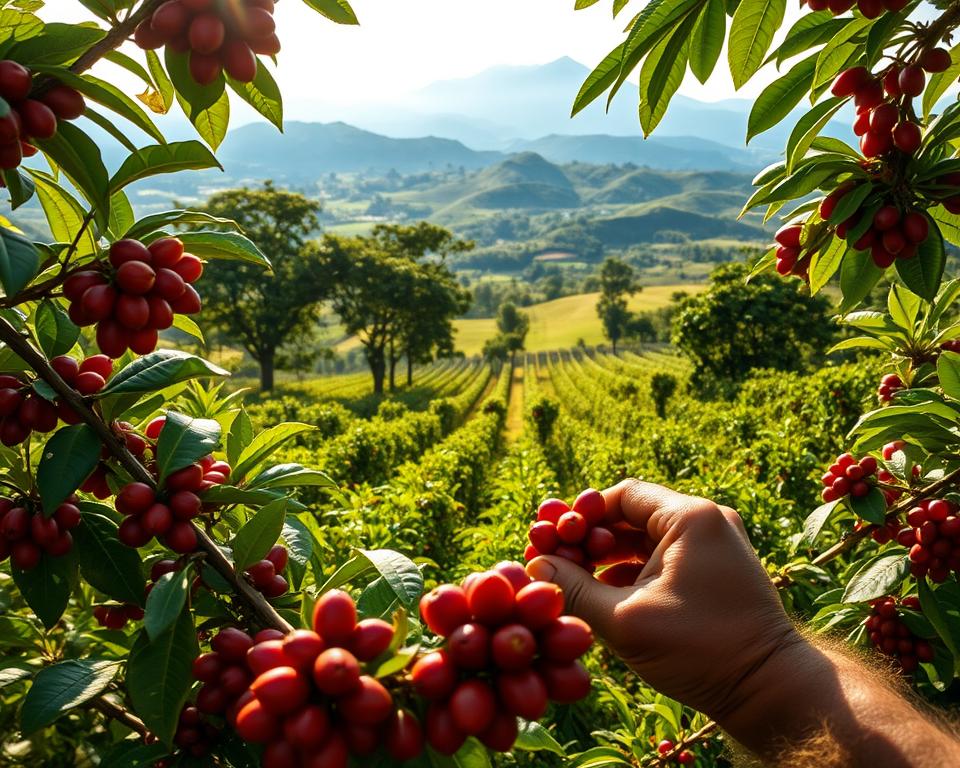
They use eco-friendly farming methods, like shade-grown coffee. This method keeps biodiversity high and cuts down on harmful chemicals.
Fair Trade and Ethical Sourcing
Fair trade is key to making sure farmers get a fair price for their coffee. This boosts their income and promotes ethical practices in the whole supply chain. For more on fair trade, check out this research here.
| Sustainability Aspect | Traditional Coffee Production | Sustainable Coffee Production |
|---|---|---|
| Farming Practices | Use of chemical fertilizers and pesticides | Organic farming, shade-grown coffee |
| Fair Trade Practices | Variable pricing, often below production cost | Fair price guaranteed to farmers |
| Environmental Impact | Deforestation, soil degradation | Biodiversity conservation, soil health |
Knowing the difference between blends and single origin coffees is important. Single-origin coffees, especially from Guatemala, let you support local farmers directly.
In summary, the Guatemalan coffee industry is moving forward with sustainability and ethics. By picking sustainable and fair-trade Guatemalan coffee, we can enjoy great coffee while helping the planet and people.
Conclusion: Embracing the Diversity of Guatemalan Coffee
Guatemalan coffee brings a wide range of flavors. It has a rich coffee culture and unique taste profiles. Each coffee, whether single-origin or blend, offers something special for everyone.
If you love complex flavors, single-origin coffees are for you. But if you prefer a balanced taste, blends are the way to go. Guatemalan coffee is a journey of discovery, showing off its coffee’s many sides.
Exploring the World of Guatemalan Coffee
When you start exploring Guatemalan coffee, think about the regions and flavors you like. Guatemalan coffee is known for its quality and variety. It’s perfect for both coffee lovers and newcomers to specialty coffee.