
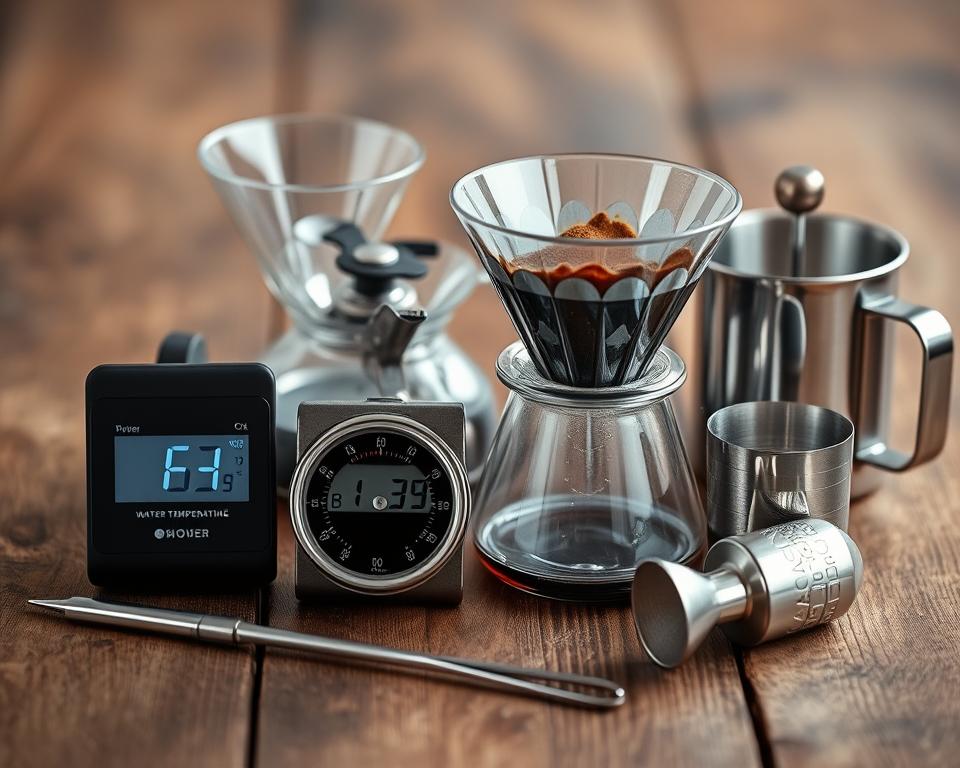
Guatemalan coffee is famous for its unique taste. To fully enjoy it, you need to brew it just right. The right tools are key to bringing out its best flavors.
When brewing Guatemalan coffee, precision is crucial. Tools like thermometers and timers are essential. They help you get the water temperature and brewing time just right.
Using these tools can make your coffee experience better. You’ll get to enjoy the rich flavors Guatemalan coffee is known for. This article will show you how to use thermometers and timers to improve your brewing.
The Critical Role of Precision in Guatemalan Coffee Brewing
The art of brewing Guatemalan coffee is all about precision. It’s key to bringing out its unique flavors. Guatemalan coffee is famous for its wide range of tastes, changing with each region.
Unique Flavor Profiles of Guatemalan Regions
Places like Antigua and Huehuetenango have their own special tastes. Antigua coffee is known for its balanced acidity and rich chocolate flavors. Huehuetenango coffee, on the other hand, has bright acidity and fruit notes.
Using precision brewing tools, like gadgets, helps keep these unique flavors intact. Getting the coffee temperature just right is important. It affects how the flavors come out.
Solubility Rates of Different Compounds
Each compound in coffee reacts differently to temperature. Acidic compounds dissolve better at cooler temperatures. Bitter compounds dissolve better at warmer temperatures.
Impact on Acidity and Sweetness
- Precision brewing balances acidity and sweetness.
- Getting the temperature right brings out the coffee’s natural sweetness.
- Timing is key to avoid bitterness from over-extraction.
With precision in brewing Guatemalan coffee, coffee lovers can fully enjoy its rich flavors. They get to taste the wide variety that Guatemalan coffee offers.
Understanding Guatemalan Coffee’s Unique Temperature Requirements
Guatemalan coffee beans need precise temperature control to reach their full flavor. Known for balanced acidity and rich taste, they require careful brewing. This brings out their unique notes.
Antigua: Medium-High Altitude Requirements
Coffee from Antigua, grown at medium-high altitudes, needs a brewing temperature between 195°F and 205°F. A digital coffee thermometer helps reach the perfect temperature.
Huehuetenango: High Altitude Considerations
Huehuetenango coffee, grown at high altitudes, needs a brewing temperature between 190°F and 200°F. This prevents over-extraction and bitterness.
Washed Process Temperature Guidelines
Washed process Guatemalan coffee is best brewed at 200°F. This temperature allows for clean and balanced extraction.
Honey and Natural Process Adjustments
Honey and natural processed coffees do well with a brewing temperature around 195°F. This brings out their fruity and floral notes.
| Coffee Region | Recommended Brewing Temperature |
|---|---|
| Antigua | 195°F – 205°F |
| Huehuetenango | 190°F – 200°F |
Getting one of the best coffee thermometers can greatly improve brewing. It allows for precise temperature control and a more nuanced flavor.
Coffee Brewing Thermometers and Timers: Essential Tools for Guatemalan Beans
Brewing the perfect cup of Guatemalan coffee is a science. It needs precision in temperature and timing. Coffee lovers use special tools like thermometers and timers for this.
Thermometers must be accurate. Digital thermometers are precise, often accurate to ±0.1°C. For Guatemalan coffee, their precision is key.
Response Time Differences
The speed of a thermometer is important. Fast thermometers let you adjust the brewing temperature quickly. This is crucial for perfecting your coffee.
Precision Requirements for Different Methods
Each brewing method needs different precision. Pour-over and espresso need exact temperature and timing. French press is more flexible. Knowing this helps choose the right tools.
Multi-Stage Timing Features
Advanced timers have multi-stage timing. This lets you set intervals for each brewing stage. It’s great for pour-over, which involves multiple pours.
Bluetooth-Connected Options
Some timers and thermometers connect via Bluetooth. This lets you control brewing with a smartphone app. It makes brewing easier and more precise.
App Integration Benefits
Apps with coffee tools offer lots of recipes and tutorials. They also let you track your brewing history. For Guatemalan coffee, apps help improve brewing skills.
Investing in quality thermometers and timers improves your Guatemalan coffee. You’ll get a more consistent and flavorful cup.
Selecting the Right Thermometer for Guatemalan Coffee Preparation
Guatemalan coffee needs precise temperature control to bring out its unique flavors. An accurate coffee brewing thermometer is a must-have for coffee lovers.
Best Models for Coffee Applications
Look for thermometers made for coffee brewing. They have high precision and quick response times.
Proper Usage Techniques
To use your thermometer right, calibrate it first. Make sure it’s fully in the coffee or water.
- Ensures optimal brewing temperature
- Enhances flavor consistency
- Allows for adjustments on the fly
Placement for Accurate Readings
Where you place the thermometer matters for accurate readings. Keep it away from heating elements and turbulent areas.
Non-Contact Measurement Advantages
Non-contact thermometers are handy and hygienic. They measure temperature from a distance, avoiding contamination.
Limitations with Liquid Temperature Reading
Non-contact thermometers are useful but might not always be accurate for liquids. Think about this when picking a thermometer for coffee.
Choosing the Perfect Timer for Different Guatemalan Coffee Methods
When brewing Guatemalan coffee, precision is crucial. A good timer is essential for coffee lovers. It helps get the flavors just right, making a big difference in the brewing process.
There are many timers to choose from for Guatemalan coffee. Here are some main types:
Basic Models for Beginners
Beginners will find basic timers easy to use. They are simple and straightforward, perfect for starting out.
Multi-Stage Options
For those who love coffee more, multi-stage timers are great. They let you time each part of the brewing process separately. This is especially useful for pour-over brewing.
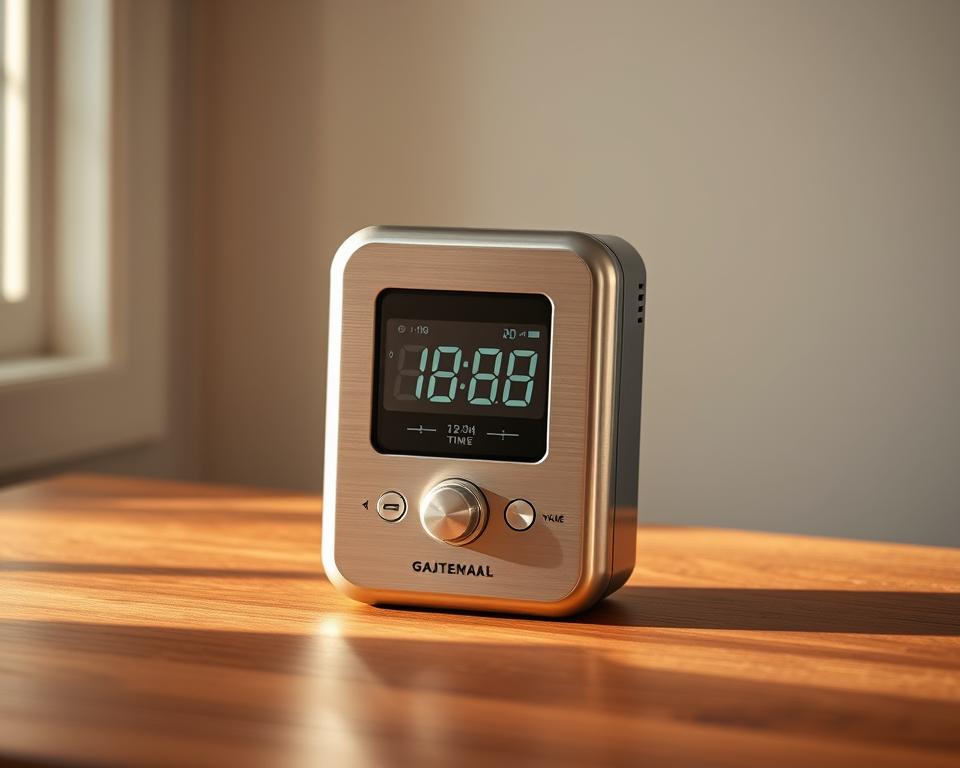
Some timers are made for specific brewing methods, like French press or espresso. They have pre-set times for these methods.
Programmable Interval Timers
For advanced brewing, programmable interval timers are the way to go. They let you set up complex brewing schedules. This is perfect for trying out different roasts and techniques.
- Basic timers for simple brewing
- Multi-stage timers for complex brewing processes
- Brew method-specific timers for optimized results
- Programmable interval timers for advanced brewing
Recipe Storage Capabilities
Some timers can store brewing recipes. This makes it easy to make your favorite coffee again. It’s great for coffee shops and serious coffee lovers.
Guatemalan Coffee-Specific Apps
There are apps made just for coffee brewing, including Guatemalan coffee. These apps give tips on brewing times, temperatures, and techniques.
Choosing the right timer for Guatemalan coffee can make your coffee experience better. You’ll get great results every time.
Pour-Over Perfection: Temperature and Timing Guidelines
To make perfect pour-over coffee with Guatemalan beans, you need to control the temperature and timing well. Guatemalan coffee is known for its rich taste. The pour-over method lets you control the brewing closely, which is great for showing off Guatemalan beans’ unique flavors.
For light roasts, brew at 195-205°F. This temperature range brings out the coffee’s natural acidity and fruit flavors. Since light roasts are sensitive to temperature, being precise is crucial.
Medium-Dark Roast Adjustments (190-200°F)
Medium-dark roasts do well at 190-200°F. This temperature helps balance the coffee’s body and flavor. It keeps the coffee from getting too bitter.
30-45 Second Bloom for Freshly Roasted Beans
A 30-45 second bloom is best for freshly roasted beans. It lets the coffee degas properly, leading to even extraction during brewing.
Pulse Pouring Timing for Even Extraction
Pulse pouring means pouring water in intervals for even extraction. Adjust the timing of these pulses based on the coffee’s response, usually every 30-45 seconds.
Highlighting Chocolate Notes in Antigua
Coffees from Antigua are famous for their chocolate notes. To bring out these flavors, use a slightly longer bloom time and a temperature towards the lower end of the range.
Preserving Bright Acidity in Huehuetenango
For coffees from Huehuetenango, known for their bright acidity, use a higher brewing temperature and a shorter bloom time. This helps keep the acidity bright.
- Use a high-quality thermometer to ensure accurate temperature control.
- Adjust brewing time based on the coffee’s roast level and origin.
- Experiment with pulse pouring to achieve optimal extraction.
French Press Mastery: Using Thermometers and Timers Effectively
Brewing Guatemalan coffee with a French press gets better with thermometers and timers. These tools are key to making the perfect cup.
A digital coffee thermometer helps keep the water at the right temperature. This is crucial for Guatemalan coffee. Timers, meanwhile, help get the steeping time just right. This is important for bringing out the coffee’s flavors.
Initial Temperature Measurement
First, measure the water’s initial temperature. For Guatemalan coffee, it should be between 195°F and 205°F.
Heat Loss Compensation Techniques
To avoid losing heat, preheat the French press. This keeps the coffee brewing at a steady temperature.
For medium roasts, start with a 4-minute steeping. This balances the flavors well.
Extended Steeping for Lighter Roasts
Lighter roasts might need a bit more time. Aim for 4:30 to 5 minutes for the best extraction.
| Roast Level | Steeping Time |
|---|---|
| Medium Roast | 4 minutes |
| Light Roast | 4:30 – 5 minutes |
Cobán’s Humidity Effect on Extraction
The humid climate in places like Cobán can change how coffee extracts. You might need to adjust brewing to account for the moisture.
San Marcos’ Volcanic Soil Influence
Coffee from San Marcos, with its volcanic soil, tastes different. The soil’s minerals can affect extraction. You might need to tweak your brewing a bit.
Espresso Precision: Temperature and Timing for Guatemalan Shots
The art of brewing the perfect espresso shot from Guatemalan beans is all about precision. It’s about controlling temperature and timing. Guatemalan coffee, with its unique flavors, needs a careful approach to making espresso.
Using a PID (Proportional-Integral-Derivative) controller helps keep the temperature stable. This is key for consistent espresso. It lets you control the temperature precisely, making sure it’s just right during brewing.
Temperature Surfing Techniques
Temperature surfing means adjusting the brewing temperature for different roasts and beans. For Guatemalan beans, you might tweak the temperature to highlight the right flavors.
25-30 Second Range for Standard Extractions
Standard espresso extraction time is 25-30 seconds. This time is perfect for getting the best flavors from the coffee grounds.
Ristretto and Lungo Variations
Ristretto shots are shorter, lasting 15-20 seconds. Lungo shots go longer, over 30 seconds. Knowing these variations helps you tailor your espresso experience.
Low-Pressure Phase Duration
The initial low-pressure phase, or “pre-infusion,” is crucial. Adjusting this phase can greatly affect the flavor of your espresso.
Regional Bean Density Considerations
Beans from different Guatemalan regions have different densities. This affects the best grind size and tamping pressure. Knowing these regional differences is vital for the perfect shot.
By mastering these elements and using tools like top-rated coffee timers and smart coffee timers, baristas can improve their espresso skills. They can consistently make high-quality Guatemalan espresso shots.
Cold Brew Excellence: Temperature Monitoring and Extended Timing
Making cold brew coffee with Guatemalan beans requires careful temperature control and longer brewing times. It’s key to grasp the details of temperature monitoring and timing for the perfect cup.
Room Temperature vs. Refrigerated Brewing
Cold brew coffee can be brewed at room temperature or in the fridge. Room temperature brewing takes 12-18 hours, while fridge brewing can take up to 24 hours. An accurate coffee brewing thermometer is vital to keep the water at the right temperature, between 40°F to 50°F (4°C to 10°C).
Temperature Stability Importance
Keeping the temperature stable is crucial for cold brew coffee. Changes in temperature can cause flavor inconsistencies. Therefore, a thermometer is a must-have to monitor the temperature during brewing.
For medium roasts, brewing for 12 hours is often the best. This time allows for a balanced flavor without becoming too bitter.
18-24 Hour Method for Light Roasts
Light roasts, however, might need 18 to 24 hours to bring out their delicate flavors. The longer brewing time helps make up for the lighter roast’s lower solubility.
Filtration Timing
After brewing, it’s important to filter out the coffee grounds. The timing of this can impact the flavor, with earlier filtration leading to a cleaner taste.
Storage Temperature Guidelines
After brewing, store the cold brew coffee in the fridge at a temperature below 40°F (4°C). This keeps the flavor fresh and prevents bacterial growth.
By managing temperature and timing well, you can enhance your cold brew Guatemalan coffee’s flavor and quality.
Troubleshooting Common Temperature and Timing Issues with Guatemalan Coffee
Fixing temperature and timing problems is key to making great Guatemalan coffee. Even with top-notch beans, wrong temperature and timing can ruin the taste.
Bitter Flavor Indicators
A bitter taste means the coffee was brewed too hot or for too long. Changing these can make the flavor better.
Temperature and Time Adjustments
To prevent bitterness, try lowering the brewing temperature or shortening the time. For pour-over, tweak the water temperature or how you pour it.
Sour Taste Remedies
If the coffee is sour, it might be because it was brewed too cold or for too short a time. Try adjusting the grind size or brewing it longer.
| Issue | Possible Cause | Adjustment |
|---|---|---|
| Bitter Taste | High Temperature or Long Brewing Time | Reduce Temperature or Shorten Brewing Time |
| Sour Taste | Low Temperature or Short Brewing Time | Increase Temperature or Lengthen Brewing Time |
Grind Size Relationship to Timing
The grind size of the coffee beans greatly affects how long it brews. A finer grind brews faster, while a coarser one takes longer.
Thermometer Testing Methods
Thermometers need regular checks in ice water (0°C or 32°F) and boiling water (100°C or 212°F at sea level).
Timer Synchronization Techniques
Syncing timers with the brewing process helps keep it consistent. Start the timer when brewing starts, and adjust based on the coffee’s taste.
Conclusion: Elevating Your Guatemalan Coffee Experience Through Precision
Brewing Guatemalan coffee is an art that needs precision and care. Using gadgets like thermometers and timers can make your coffee better. This way, you can bring out the full flavor of these special beans.
Having the right tools for brewing coffee is key. It makes sure your Guatemalan coffee is perfect, with the right temperature and timing. This focus on detail lets the coffee’s unique qualities stand out, giving you a rich and enjoyable cup.
Getting precision coffee brewing gadgets is a smart move for coffee lovers. It helps you improve your brewing skills. And you’ll get to enjoy a top-notch cup of Guatemalan coffee every time.