
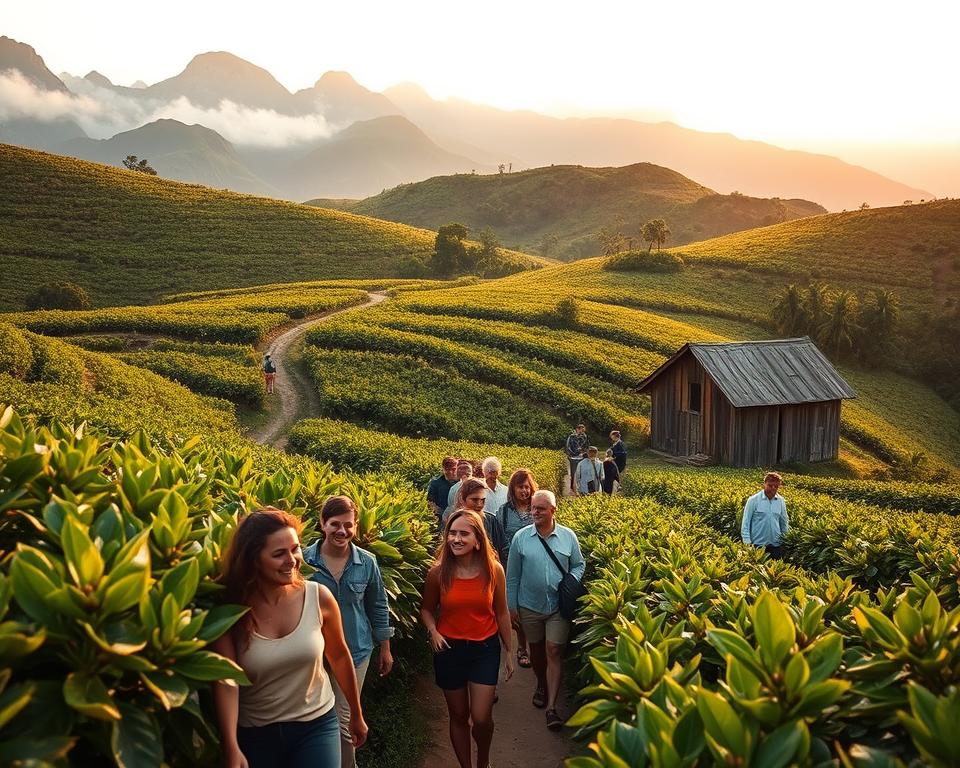
Guatemala’s rich volcanic soil and climate are perfect for growing top-notch coffee. This makes it a favorite spot for coffee lovers and tourists.
Coffee farm visits let you see how coffee is made, from picking to roasting. You’ll learn about the skill that goes into it. You can also dive into the local culture, enjoying the views and the friendly farm atmosphere.
Joining a Guatemalan coffee tour helps you understand the coffee world better. It shows how coffee supports the local economy. This mix of farming, culture, and nature creates a memorable trip.
The Rich Heritage of Guatemalan Coffee
Guatemalan coffee’s rich heritage comes from its unique geography and traditional farming. It’s known worldwide for its high quality and distinct flavors. These are shaped by the country’s diverse microclimates and volcanic soil.
Altitude and Microclimates
Guatemala’s coffee grows in different regions, each with its own altitude and microclimate. High-altitude areas like Huehuetenango and Atitlán have complex flavors. This is because of the cooler temperatures and distinct wet-dry seasons.
Volcanic Soil Influence
The volcanic soil in many Guatemalan coffee regions adds to the coffee’s bright acidity and rich flavor. This soil is full of minerals. These minerals are absorbed by the coffee plants, making the cup more nuanced.
| Region | Altitude | Flavor Profile |
|---|---|---|
| Huehuetenango | 1,500 – 2,000 meters | Complex, with notes of citrus and chocolate |
| Atitlán | 1,500 – 1,800 meters | Fruity, with hints of berries and floral notes |
Guatemalan coffee is a favorite among specialty coffee lovers. Its unique characteristics come from the altitude, microclimates, and volcanic soil. This combination creates a balanced and complex flavor profile.
Coffee Tourism in Guatemala: An Overview
Guatemala’s coffee culture is growing fast through its coffee tourism. This new field shows off the country’s famous coffee and lets visitors meet local farmers.
Economic Impact
Coffee tourism in Guatemala helps local communities a lot. When people go on coffee tours, they help farmers and boost the local economy. This helps farming families and supports green farming.
Also, more tourists mean more money for local businesses. Hotels, restaurants, and shops get a boost, helping the community grow.
Coffee tourism brings people together. Visitors learn about coffee making and its history in Guatemala. They see the effort that goes into making great coffee.
It’s a chance for visitors to see the hard work of farmers. Farmers share their traditions, creating a deeper connection between cultures.
Travelers who support coffee tourism help Guatemala’s coffee areas grow. They make “best coffee tours Guatemala” and “coffee plantation tours Guatemala” key parts of the tourism scene.
How to Plan Your Guatemalan Coffee Farm Visit
Planning is key to a great Guatemalan coffee farm visit. These farms let you see how coffee goes from cherry to cup. Knowing the best times and what to expect makes your trip better.
Harvest Season (November-March)
The harvest season is lively at Guatemalan coffee farms. It’s when coffee cherries are picked at their best. You can help pick the cherries and learn about the hard work in coffee making.
For those into Guatemalan coffee tours, this is the best time. You get to see coffee making up close.
Visiting in the off-season (April-October) has its perks too. The weather is milder, and farms are less busy. You can enjoy coffee tastings and explore different flavors.
The off-season also means cheaper tours and places to stay. It’s a good time to save money.
Planning is important, no matter when you go. Look up the farm you want to visit and what they offer. Whether you’re into coffee details or just want to see the beautiful plantations, there’s something for you.
Top Coffee Regions to Explore in Guatemala
Guatemala’s coffee regions are filled with flavors, traditions, and stunning views. These areas are perfect for coffee lovers and tourists. Each region offers a different experience.
Notable Farms and Tours
Guatemala has many famous coffee farms. They give tours and show how coffee is made. You can find these farms in Huehuetenango, Atitlán, and Antigua.
- La Azotea Coffee Farm in San Marcos offers guided tours and coffee tastings.
- Atitlán Coffee Farm in Sololá provides insights into sustainable coffee practices.
Remote Farm Experiences
Remote coffee farms in Guatemala offer a deep dive into nature and local life. They are perfect for those who want to get away from it all.
These farms have places to stay and activities like hiking and bird watching. You can even help with coffee harvesting.
Community-Based Coffee Tours
Community-based coffee tours let you meet locals and learn about their coffee. These tours take you to markets, cooperatives, and traditional farms.
Rainforest Coffee Experiences
Guatemala’s rainforests are home to coffee farms with unique experiences. You can hike, spot wildlife, and learn about shade-grown coffee.
| Coffee Region | Notable Features | Experiences Offered |
|---|---|---|
| Huehuetenango | High-altitude coffee production, rich flavor profiles | Farm tours, coffee tastings |
| Atitlán | Sustainable coffee practices, scenic landscapes | Coffee harvesting, community visits |
| Antigua | Historic coffee plantations, cultural heritage | Guided tours, coffee roasting demonstrations |
Guatemala’s coffee regions are a mix of culture, tradition, and beauty. They are a must-see for anyone interested in coffee tourism.
How to Choose the Right Coffee Farm Experience
Planning a trip to Guatemala can be exciting, but picking the right coffee farm experience is key. Guatemala is famous for its coffee, and visiting a farm is a great way to dive into local culture. You’ll also learn how coffee is made.
Think about the type of tour you want. Some farms offer basic tours, while others have more to do. They might include coffee tastings, farm tours, and talks with local farmers. For the
It’s also important to consider the farm’s practices. If you care about the environment, look for farms that use eco-friendly methods. Many in Guatemala are now going green, perfect for tourists who care about the planet.
- Research the farm’s reputation and read reviews from previous visitors.
- Check if the farm offers the type of experience you’re looking for, such as coffee tastings or farm tours.
- Consider the farm’s location and accessibility.
By thinking about these things, you can pick a coffee farm experience that fits what you want. Whether you love coffee or just want a unique adventure, Guatemala’s coffee farms have something special for you.
Step-by-Step Guide to a Coffee Farm Tour
Start your adventure in Guatemala’s coffee farms. Each step shows a new part of coffee making. A coffee farm tour in Guatemala is a deep dive into coffee production.
The tour starts with coffee seedlings. Farmers take care of these young plants until they grow and bloom. This first step is key for the coffee’s quality.
Cherry Development and Ripening
As plants grow, they produce coffee cherries. These cherries change color from green to yellow, orange, or red. This change is important for the coffee’s taste and smell.
Washed Process
After picking, the cherries are processed. The washed method removes the cherry’s skin and pulp, leaving just the coffee bean. Then, the beans are washed to get rid of any leftover pulp, making the coffee taste clean and bright.
Natural and Honey Processing
Natural and honey processing keep the coffee beans inside the fruit or with some pulp. These methods give coffee unique tastes. Natural processing makes coffee taste fruitier, while honey processing is sweeter.
Visitors on Guatemalan coffee tours learn about the hard work in making great coffee. Whether you’re on a coffee tasting tour in Guatemala or just exploring, visiting a coffee farm is a rewarding experience.
Sustainable Coffee Practices in Guatemala
Guatemalan coffee farms are changing how coffee is made. They focus on sustainable methods that help the environment and improve coffee quality. This move is boosting Guatemalan coffee’s reputation and protecting the country’s biodiversity.
Water Conservation Techniques
Guatemalan coffee farms are saving water. They use rainwater harvesting and efficient irrigation. These steps cut down water waste and lessen the coffee’s environmental impact.
Preserving biodiversity is key in Guatemala. Coffee farms are growing shade-grown coffee under native trees. This method protects wildlife and enhances coffee quality. Some farms also create wildlife corridors to link habitats, boosting biodiversity.
Guatemalan coffee farms are reducing their environmental harm and helping local people. Visitors on specialty coffee tours in Guatemala see the farms’ dedication to sustainability. It’s a big part of Guatemalan coffee’s success.
Cultural Aspects of Guatemalan Coffee Production
In Guatemala, coffee is more than just a product; it’s a way of life. The country’s rich culture is closely tied to its coffee traditions. Many farms are family-owned, passed down through generations.
The traditional coffee-making methods are still used in Guatemala. Farmers follow the practices of their ancestors. The process is hard work, requiring care and attention at every step.
Coffee is key in Guatemalan culture, especially in rural areas. It’s a main source of income for many. The coffee industry has helped the country grow socially and economically.
Visitors can explore Guatemalan coffee culture and learn about the traditions. This experience offers a deep look into Guatemala’s identity. It’s a chance to see the cultural side of coffee production.
How to Taste and Appreciate Guatemalan Coffee
Guatemalan coffee is famous for its rich flavors and aromas. It’s a joy to taste and appreciate. Whether you’re at a local coffee farm or at home, knowing how to enjoy Guatemalan coffee can make it even better.
Coffee tasting, or cupping, is a way to experience coffee’s flavor, aroma, and quality. Guatemalan coffee has a wide range of tastes, from chocolatey to fruity. It offers a unique tasting experience.
The Five Steps of Coffee Tasting
- Step 1: Fragrance – Check the coffee’s aroma when it’s dry and after it’s wet.
- Step 2: Flavor – Taste the coffee to find its flavor notes, acidity, and body.
- Step 3: Acidity – Look at the coffee’s acidity, which can be bright or dull.
- Step 4: Body – Feel the coffee’s texture or mouthfeel, which can be light, medium, or heavy.
- Step 5: Aftertaste – Notice the flavors that stay after you swallow the coffee.
By following these steps, you can better appreciate Guatemalan coffee. Whether you’re on coffee tours in Guatemala or at a local café, knowing how to taste coffee can make it more enjoyable.
Guatemalan coffee is known for its rich heritage and quality. Learning to taste and appreciate its unique flavors lets you fully enjoy what makes Guatemalan coffee special.
Guide to Purchasing and Bringing Home Guatemalan Coffee
Buying Guatemalan coffee to take home needs some knowledge. You want the best quality. Whether you’ve seen a coffee plantation or just love this coffee, knowing what to look for is important.
Understanding Grading Systems
Guatemalan coffee is graded for quality and size. The grading system shows the coffee’s quality and flavor. The “SHB” (Strictly Hard Bean) and “SHG” (Strictly High Grown) grades are common. They tell you about the coffee’s altitude and quality.
| Grade | Description | Typical Flavor Profile |
|---|---|---|
| SHB | Coffee beans grown at high altitudes, known for their dense quality. | Complex, with notes of chocolate and fruit. |
| SHG | Coffee grown at very high altitudes, known for its bright acidity. | Bright, acidic, with floral notes. |
Recognizing Freshness
Freshness is key for enjoying Guatemalan coffee. Look for the roast date, not the production date. Coffee is usually roasted just before it’s sold. Freshly roasted coffee tastes better.
When buying Guatemalan coffee, choose local roasters or farms you’ve visited. This ensures freshness and supports local businesses.
Conclusion: The Lasting Impact of Coffee Tourism
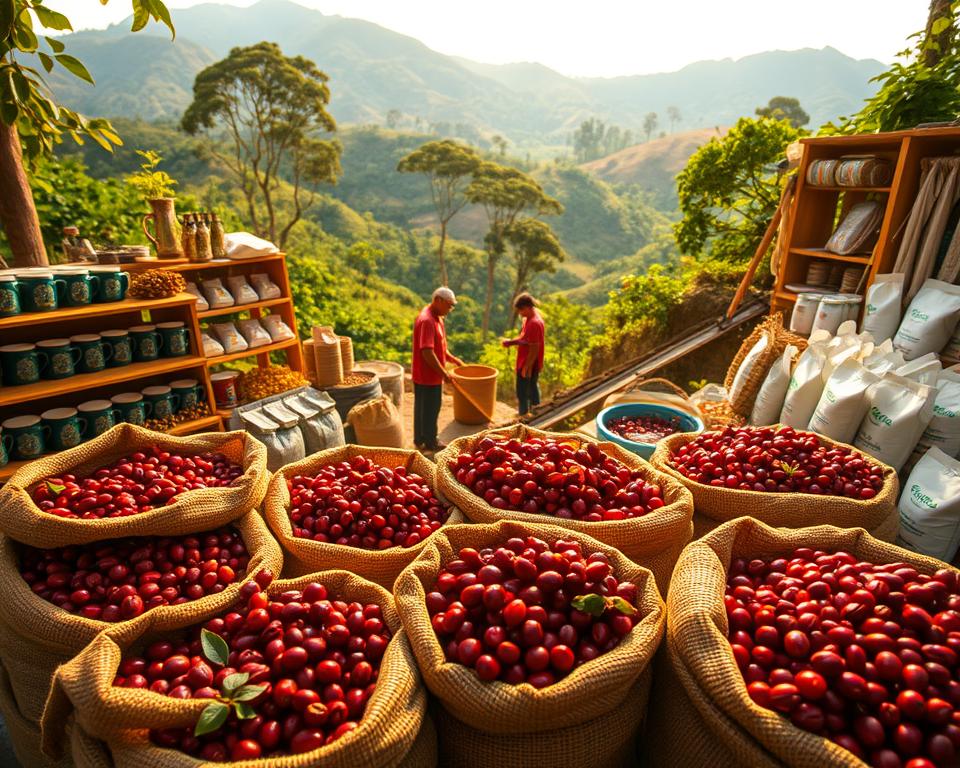
Coffee Tourism in Guatemala has become a big help to the local economy. It also helps in sharing cultures. When people go on Guatemalan coffee tours, they learn a lot about coffee. They also help local communities a lot.
The focus on sustainable coffee is key for the industry’s future. Travelers get to meet local farmers and see how they work. This makes them appreciate the hard work that goes into making great coffee.
Coffee tourism has a lasting effect. It helps people understand different cultures and supports green practices. By choosing to travel responsibly, visitors help shape Guatemala’s coffee industry for the better.