
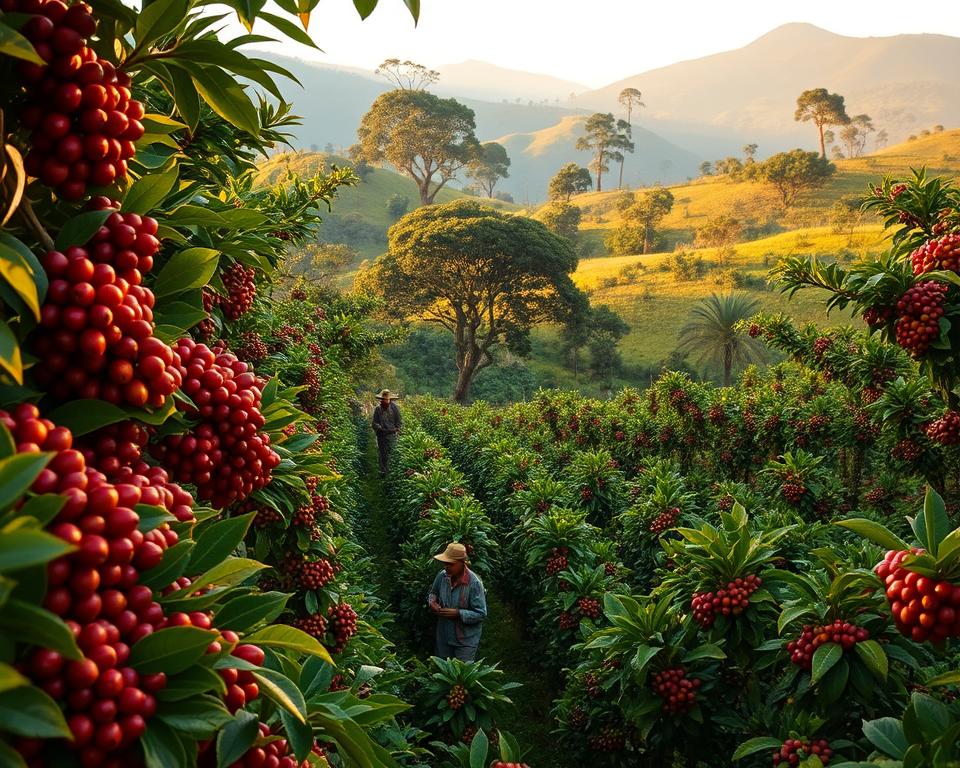
Guatemala is famous for its top-notch coffee. It’s loved by coffee lovers everywhere. The country’s volcanic soil and varied climates make it perfect for growing coffee.
In recent years, Guatemala’s coffee farming has changed a lot. New technology and a push for sustainability have led these changes. These efforts have made Guatemalan coffee even better and more competitive worldwide.
The way coffee is grown in Guatemala has changed the global coffee scene. Many farmers around the world are now using these new methods to boost their coffee’s quality and yield.
The Rich Heritage of Guatemalan Coffee
For generations, Guatemalan coffee has been more than just a crop; it’s a way of life. The country’s coffee heritage is deeply intertwined with its culture, history, and identity. Guatemalan coffee farmers have passed down traditional farming practices through generations.
This has contributed to the distinct flavor profiles and quality that Guatemalan coffee is known for.
Coffee farming in Guatemala is not just about producing high-quality coffee beans; it’s about preserving a legacy. Traditional methods, combined with the country’s unique terroir, have resulted in coffee that is renowned worldwide for its balanced acidity and rich flavors.
By adopting coffee farming tips that emphasize sustainability and quality, Guatemalan farmers continue to innovate while respecting their heritage.
The rich heritage of Guatemalan coffee is a testament to the country’s dedication to quality and tradition. As a result, Guatemalan Coffee remains a staple in the global coffee industry, cherished for its unique characteristics and the cultural richness it embodies.
Understanding Guatemala’s Unique Coffee Terroir
Terroir is key in coffee making, especially in Guatemala. It’s about how the environment shapes the taste and quality of coffee. This includes soil, climate, and how high up it’s grown.
Guatemala’s different areas create many terroirs. Each one gives coffee its own special taste. For example, places like Huehuetenango and Atitlán are very high. Their cooler weather makes coffee taste more complex.
- Soil composition affects nutrient availability and drainage.
- Climate influences temperature and precipitation patterns.
- Altitude impacts the ripening process and flavor development.
Farmers in Guatemala are learning to care for these special terroirs. They use methods like shade-grown coffee and organic farming. This keeps the soil healthy and the environment rich, making the coffee even better.
Guatemala’s commitment to its terroirs and sustainable farming is paying off. It’s known for its top-notch coffee around the world.
Coffee Cultivation Techniques That Revolutionized Guatemalan Farming
Modern coffee cultivation techniques have changed the Guatemalan coffee industry. These new methods have boosted coffee yield and quality. They also help in sustainable coffee production.
Guatemalan farmers use shade-grown coffee, a key technique. This method grows coffee under trees, keeping biodiversity high. It also cuts down on pesticides and improves soil health. Shade-grown coffee tastes more complex and is better for the environment.
Another big step is precision agriculture. Farmers use drones and satellite images to check on their coffee. They spot pests and diseases early and manage water better. This makes farming more efficient and productive.
Efficient irrigation systems, like drip irrigation, are also used. They save water by giving it directly to the roots. This is crucial in areas where water is scarce.
Organic fertilizers and integrated pest management (IPM) are becoming common. These methods reduce chemical use, protecting the environment. They help make coffee farming more sustainable.
These modern techniques have made Guatemalan coffee farming better. It’s now more productive, sustainable, and good for the environment. Guatemalan coffee is known for its quality and unique taste, helping farmers and the planet.
How to Implement Sustainable Coffee Production
The coffee industry in Guatemala is changing for the better. Sustainable coffee production is becoming more popular. It helps farmers and the environment, making coffee better and farming more sustainable.
Composting and Natural Fertilization
Composting is key in sustainable coffee production. It turns coffee cherry pulp and waste into a fertilizer. This fertilizer makes the soil healthier, boosts biodiversity, and cuts down on synthetic fertilizers.
To compost well, you need to watch moisture levels and mix materials right. Farmers can also use manure or green manure to make the soil even better.
Biological Pest Control Methods
Biological pest control is important for sustainable coffee. It uses natural enemies to fight pests, not chemicals. For example, ladybugs or lacewings can control aphids.
Good irrigation is crucial for coffee, especially in areas with changing weather. Drip irrigation systems save water and boost crop yields by giving water directly to the roots.
Water Recycling Techniques
Water recycling is a smart move for coffee farmers. It captures and treats water from processing to use for irrigation or other needs.
| Sustainable Practice | Benefits | Implementation Tips |
|---|---|---|
| Composting | Improves soil health, reduces waste | Monitor moisture, balance green and brown materials |
| Biological Pest Control | Reduces chemical use, promotes biodiversity | Introduce beneficial insects, maintain ecological balance |
| Efficient Irrigation | Conserves water, improves yields | Use drip irrigation, optimize water delivery |
| Water Recycling | Reduces water waste, lowers costs | Implement water treatment, reuse water for irrigation |
Guatemalan coffee farmers can make a big difference by using these sustainable practices. They can lessen their environmental impact and make their coffee better and more profitable.
Adapting to Climate Change: Practical Approaches
Guatemalan coffee farmers are leading the way in adapting to climate change. They use practical methods to protect their coffee plantations. Climate change is a big threat to coffee, with warmer temperatures and changing rain patterns hurting yields and quality.
Rust-Resistant Cultivars
One key strategy is using rust-resistant coffee plants. Coffee leaf rust is a major disease that can destroy crops. By growing resistant plants, farmers can lower the risk of losing their crops.
Drought-Tolerant Options
Another method is growing drought-tolerant coffee plants. These plants are made to do well with less water. This helps farmers deal with changing rain patterns.
Tree Species Selection for Canopy Cover
Choosing the right tree species for shade is important. Shade helps protect coffee plants from the heat. Native trees are often chosen because they fit well with local ecosystems.
Optimal Shade Density Calculations
Finding the right amount of shade is crucial. Too much shade can hurt coffee yields. But the right amount can make coffee better and more resilient.
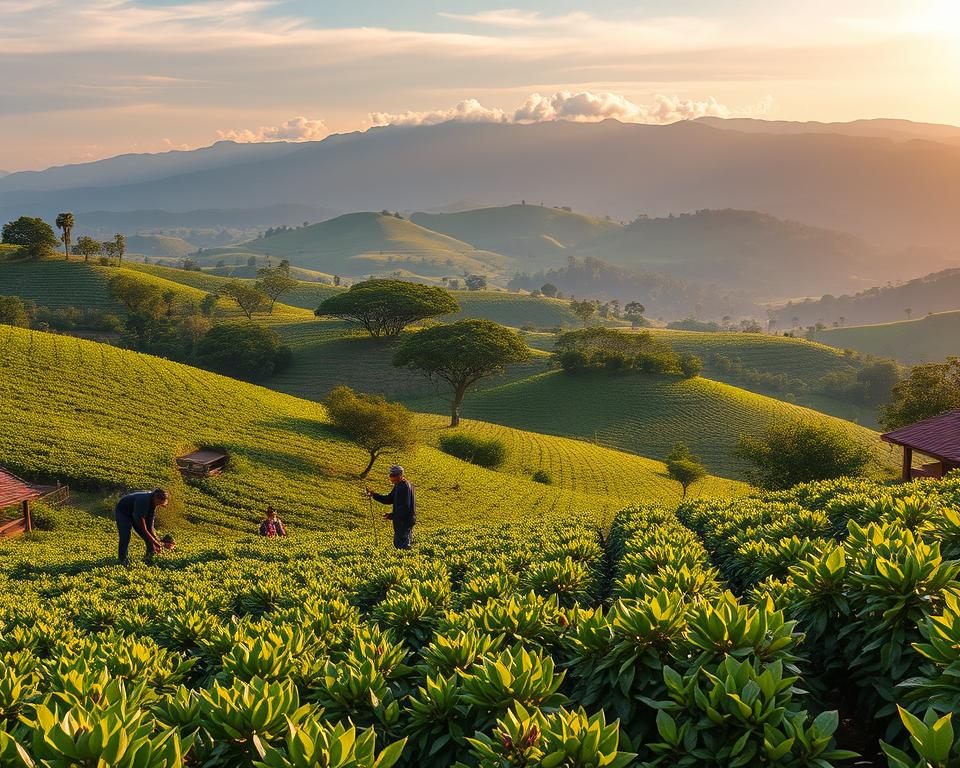
By using these practical methods, Guatemalan coffee farmers can make their crops more resilient to climate change. This ensures their plantations can keep growing for a long time.
Step-by-Step Modern Coffee Plant Care Guide
Modern coffee plant care is all about following specific steps. These steps help keep the plants healthy and productive. By using a detailed care guide, farmers can boost their coffee’s quality and quantity.
Keeping the soil’s pH just right is key for coffee plants. The best pH is between 5.5 and 6.5. Farmers can use care guidelines to test the soil and adjust it with fertilizers.
Nutrient Enrichment Strategies
Coffee plants need a mix of nutrients like nitrogen, phosphorus, and potassium. Farmers can use methods like crop rotation, composting, and organic fertilizers to keep the soil rich.
Spacing Considerations
It’s important to space coffee plants right. This lets air circulate, sunlight get through, and makes care easier. Plants are usually spaced 1.5 to 2 meters apart, depending on the type.
Initial Pruning Techniques
Pruning is crucial for coffee plants. It shapes the plant for better growth and more coffee. Farmers remove sick or broken branches and shape the plant for good air flow.
Early Detection Systems
Spotting pests and diseases early is essential. Farmers can watch their plants closely and use pest management techniques to keep them healthy.
Integrated Management Approaches
Using a mix of methods is best for managing pests and diseases. This approach keeps plants healthy and reduces harm to the environment.
Advanced Harvesting Methods for Premium Quality
Guatemalan coffee farmers are using new harvesting methods to get top-quality coffee. These methods make the coffee taste better and are good for the environment.
Color-Based Selection Criteria
Choosing coffee cherries by color is a key method. Farmers pick cherries when they are bright red or yellow. This depends on the coffee type.
- Bright red or yellow cherries are ripe.
- Unripe or overripe cherries can spoil the taste.
- By picking carefully, only the best cherries are chosen.
Multiple Harvest Passes Strategy
Harvesting in multiple passes is another smart move. It means picking cherries more than once, not all at once.
- This lets farmers pick only ripe cherries.
- It cuts down on bad cherries being picked.
- It makes picking more efficient by focusing on ripe cherries.
Sorting cherries right after picking is key to keeping quality high. Farmers sort out any bad or unripe cherries.
- It gets rid of bad cherries.
- It lowers the chance of contamination.
- It makes the coffee taste better.
Transportation Considerations
How coffee is moved is very important to keep it fresh. Farmers use the right containers and move it quickly.
- They use containers that let air in to keep it fresh.
- They get it to the processing place fast.
- They handle it carefully to avoid damage.
By using these advanced methods, Guatemalan farmers make their coffee even better. This helps keep their coffee famous worldwide. It also helps the environment and improves farmers’ lives.
Processing Innovations That Define Guatemalan Coffee
Innovations in coffee processing have greatly improved Guatemalan coffee’s quality and taste. Coffee producers in the country use new techniques to make their coffee stand out. This makes Guatemalan coffee very popular worldwide.
One key part of coffee processing is controlling fermentation time. Getting this right can really change how the coffee tastes and feels.
Fermentation Time Control
Managing fermentation time is very important. It helps create the coffee’s unique flavor. Guatemalan producers have learned how to control this to get the perfect taste.
Water Quality Management
Water quality is also crucial in coffee processing. Using clean water helps keep the coffee’s natural flavors intact. This makes the coffee taste better.
Building better drying beds is another innovation. These beds help dry the coffee evenly. This reduces the chance of the coffee going bad.
Moisture Monitoring Techniques
It’s important to watch the coffee’s moisture levels. This stops mold and ensures the coffee dries right. Guatemalan producers use new ways to check moisture levels.
| Innovation | Benefit | Impact on Quality |
|---|---|---|
| Fermentation Time Control | Enhanced flavor profile | High |
| Water Quality Management | Hygienic processing | High |
| Drying Bed Construction | Even drying | Medium |
| Moisture Monitoring Techniques | Prevents mold | High |
These innovations have made Guatemalan coffee special and of high quality. They help the coffee stay competitive in the global market. By keeping up with sustainable practices, Guatemalan producers will stay ahead.
Quality Certification and Market Access Strategies
To succeed in the global coffee market, Guatemalan farmers need quality certification and smart market access plans. Quality certification makes sure coffee meets certain standards, which helps it sell better.
Guatemalan coffee is famous for its unique tastes, thanks to the country’s varied land. Getting quality certification can really increase the value of Guatemalan coffee. This makes it more appealing to buyers around the world.
There are many quality certification programs for Guatemalan coffee makers. These include Fairtrade, Organic, and Rainforest Alliance certifications. These programs help farmers grow coffee sustainably. They also give farmers a chance to sell to high-end markets.
It’s important for Guatemalan coffee makers to find ways to reach global buyers. They can do this by going to international coffee shows, using online marketing, and doing direct trade.
- Have a strong online presence with websites and social media.
- Go to networking events and coffee conferences.
- Focus on sustainable and quality farming.
By getting quality certification and using smart market access, Guatemalan coffee farmers can do better in the global market. This leads to more sales and higher earnings.
Conclusion: The Future of Guatemala’s Coffee Cultivation
Guatemala’s coffee industry has seen big changes in recent years. These changes come from better coffee-making techniques and a focus on sustainable coffee.
The country’s special soil and new farming methods help Guatemalan coffee stay popular worldwide.
As the industry grows, facing challenges like climate change will be key. Guatemalan farmers must find ways to deal with these issues to keep their crops safe.
The outlook for Guatemala Coffee is bright. New ways of processing and picking coffee are making it even better.
Getting quality certifications and finding good markets will help Guatemalan coffee stay competitive.
By sticking to sustainable practices and keeping up with new ideas, Guatemalan coffee is set to thrive. It will keep its spot as a top player in the specialty coffee world.