
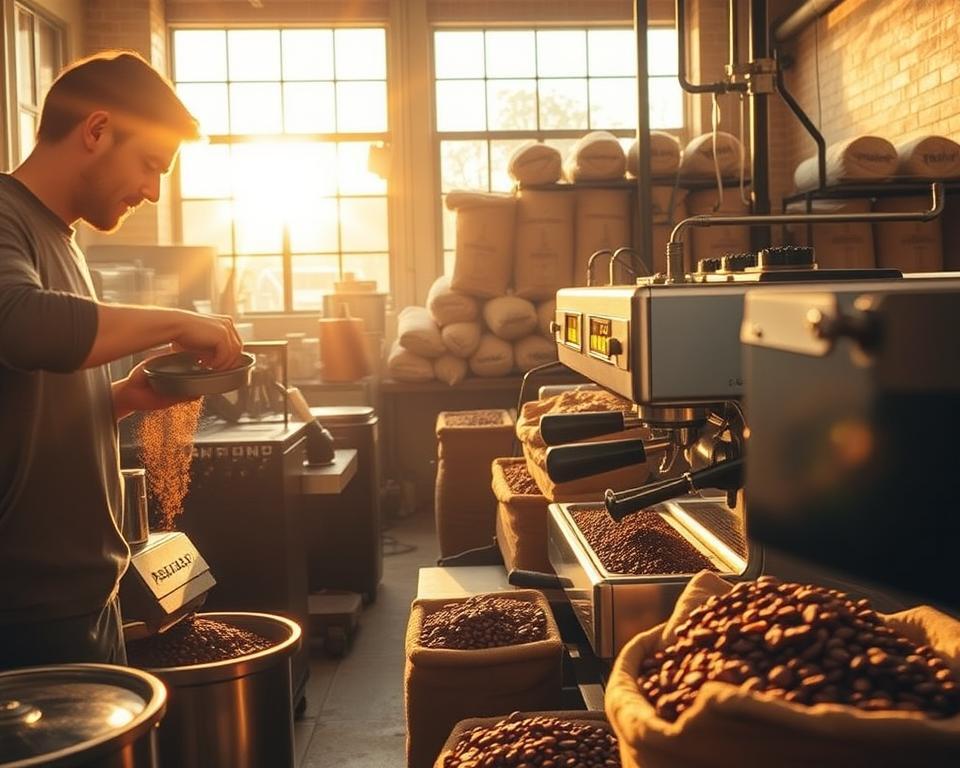
Guatemala is famous for its top-notch specialty coffee. Recent coffee processing advancements have greatly improved its taste. Coffee fermentation is a key step in this process, adding to the coffee’s unique flavors that coffee lovers enjoy.
The science of coffee fermentation breaks down the mucilage, a sticky substance on coffee beans. This unlocks complex flavors. Different fermentation methods, like washed, natural, and honey, give coffee its distinct tastes. Knowing about these methods helps us appreciate the skill behind Guatemala’s specialty coffee.
This article will explore the various coffee fermentation techniques. We’ll see how they boost the flavor and quality of Guatemala’s coffee.
The Science Behind Coffee Fermentation
Learning about microbial activity in coffee fermentation is crucial. It helps unlock the coffee’s full flavor potential. Coffee fermentation breaks down the mucilage, a sticky substance, which changes the flavor.
Natural fermentation is a key step in coffee processing. It greatly affects the coffee’s quality and taste. During this time, microbes like yeast and bacteria break down the mucilage. This process creates compounds that make the coffee taste better and smell more aromatic.
The impact of microbial activity on flavor is huge. As microbes ferment the coffee, they make compounds that add to its flavor. These can include fruity, floral, and wine-like notes. By managing the fermentation, coffee makers can shape the coffee’s final taste.
- Microbial activity breaks down mucilage, influencing flavor.
- Natural fermentation affects the quality and taste of coffee.
- Controlling fermentation can enhance flavor development.
By understanding and managing microbial activity, coffee makers can create unique flavors. This makes their coffee stand out in the market.
Guatemala’s Coffee Fermentation Heritage
Guatemala’s coffee fermentation heritage comes from years of innovation and tradition. The country’s coffee makers have created unique fermentation methods. These methods improve the coffee’s flavor and help keep Guatemala’s coffee quality high.
For generations, Guatemala’s coffee makers have used traditional fermentation methods. In places like Antigua, Huehuetenango, and Atitlán, they’ve perfected their techniques. This has led to a wide range of flavors that are typical of Guatemalan coffee.
Guatemala is known for its different fermentation techniques. The table below shows some common methods:
| Fermentation Method | Description | Flavor Profile |
|---|---|---|
| Natural Fermentation | Coffee cherries are fermented whole | Fruity, floral notes |
| Washed Fermentation | Coffee beans are washed before fermentation | Clean, bright acidity |
| Honey Fermentation | Partially washed, leaving some mucilage | Balanced sweetness and acidity |
These methods give Guatemalan specialty coffee its unique flavors. By keeping and improving these practices, Guatemala stays a top player in the global coffee market.
Types of Coffee Fermentation Processes
Coffee fermentation is an art that uses different techniques to change the taste of coffee. It’s a key step in coffee making that can be tweaked to get the perfect taste.
There are several types of coffee fermentation, like washed, natural, and honey processing. Each method affects the taste of the coffee in its own way.
Implementation in Guatemalan Highlands
In the Guatemalan Highlands, coffee makers use both old and new methods. They use traditional ways and modern tanks to control the fermentation. The area’s unique weather and soil add to the coffee’s complex taste.
Resulting Flavor Characteristics
The taste of coffee changes a lot with different fermentation methods. Washed coffee is bright and clean, while natural coffee is fruity and sweet. The method used affects how the coffee tastes.
| Fermentation Method | Flavor Profile | Sensory Attributes |
|---|---|---|
| Washed | Clean, Bright | Acidity, Clarity |
| Natural | Fruity, Sweet | Fruit Notes, Body |
| Honey | Balanced, Complex | Sweetness, Floral Notes |
Adaptations for Guatemala’s Climate
Guatemala’s weather changes a lot, so farmers adjust their coffee making. They change how long they ferment and the method to get the best taste.
Flavor Impact of Natural Processing
Natural processing makes coffee taste strong and fruity. It’s great for places that can dry coffee cherries well.
Knowing about coffee fermentation is key for making great coffee. By using the right methods, farmers in the Guatemalan Highlands can make coffee that’s loved worldwide.
Coffee Fermentation Flavor Development and Control
Getting the right flavor in coffee is all about controlling fermentation. Many things affect how flavors develop, like temperature, pH levels, and the activity of microbes.
Microbes are key in breaking down the coffee cherries’ mucilage. This process shapes the coffee’s taste and quality. By tweaking temperature and pH, producers can steer microbial activity towards their desired flavors.
For example, slower fermentation can lead to richer flavors. Faster processes might give a cleaner taste. Producers in Guatemala and other places adjust their methods based on coffee type, climate, and flavor goals.
By mastering these elements, producers can boost coffee quality. They can also create distinct flavors that set their coffee apart in the market.
Innovative Fermentation Techniques
New methods in fermentation are changing how specialty coffee tastes. They let producers make unique and complex coffee. Now, specialty coffee makers use advanced techniques to make their coffee stand out.
One big change is using fermentation tanks. These tanks help control the fermentation process. This leads to a more consistent taste in the coffee.
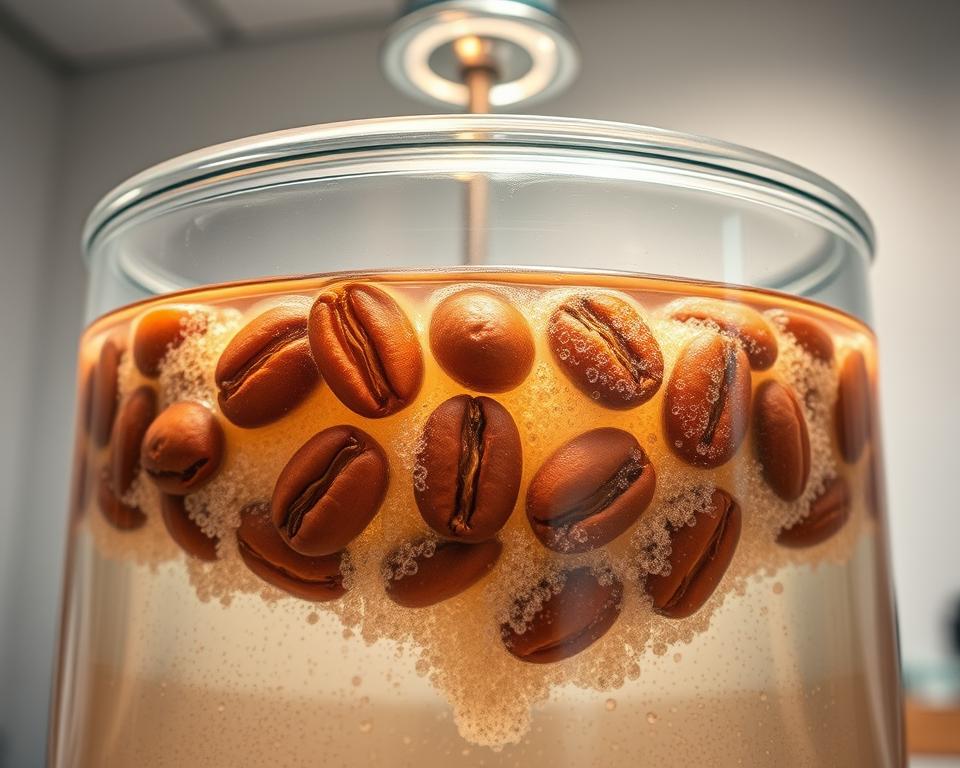
Natural fermentation methods are also getting better. Producers are trying different conditions to get special flavors in their coffee. This not only makes the coffee taste better but also helps the environment.
It’s not just about the equipment; it’s also about understanding fermentation better. Producers are studying how different microbes can change the coffee’s taste. This knowledge helps them make their coffee even better.
By using these new techniques, specialty coffee makers can make their coffee even more unique. This helps them stand out in a crowded market.
Setting Up Your Fermentation Environment
Setting up your fermentation environment is key in coffee processing. It affects the taste and smell of the coffee. You need to think about the right tanks and tools to monitor the process.
Fermentation Tanks and Containers
Choosing the right tanks and containers is important. Stainless steel and food-grade plastic are good because they’re easy to clean. Make sure the tanks are big enough to hold the coffee cherries without being too crowded.
Tools for monitoring are crucial. You’ll need temperature probes, pH meters, and oxygen sensors. These help control the temperature, acidity, and prevent over-oxidation, which can ruin the taste.
| Monitoring Tool | Purpose |
|---|---|
| Temperature Probes | Control fermentation rate |
| pH Meters | Maintain optimal acidity |
| Oxygen Sensors | Prevent over-oxidation |
By picking the right tanks and using the right tools, coffee makers can improve their coffee’s quality. This setup is key to getting a consistent and great-tasting coffee.
Step-by-Step Guide to Basic Coffee Fermentation
Coffee fermentation is an art that involves several key steps. These steps lead to better flavors. It’s a crucial part of coffee processing and affects the quality of the final product.
Selection and Sorting
The first step is choosing and sorting coffee cherries. This makes sure only the best cherries are used. It greatly influences the coffee’s flavor.
After picking, the cherries go through initial processing. This removes the outer skin and pulp. It’s important for natural fermentation, as it lets the inner seeds start the fermentation process.
Starting Fermentation
Fermentation starts when the coffee beans are put in a controlled space. How long it lasts depends on temperature and the flavor wanted.
Managing the Process
Managing fermentation means watching the temperature and making sure the beans don’t ferment too much. It also means stopping contamination. Proper care is essential for the right flavor.
By following these steps, coffee makers can create a top-quality product. Natural fermentation boosts the coffee’s flavor.
Advanced Fermentation Techniques for Flavor Enhancement
Advanced fermentation techniques are changing the game in specialty coffee. They use specific microbes to create unique flavors. This makes the coffee taste better.
Indigenous Guatemalan Microorganisms
Microbes from Guatemala are key in making coffee taste special. These microbes give Guatemalan coffee its unique taste. Coffee makers can improve flavors by using these microbes.
Commercial Cultures
Commercial cultures are another way to boost flavor. They are made to add specific microbes during fermentation. This leads to new and exciting flavors in coffee.
The table below shows how using Guatemalan microbes and commercial cultures differ in coffee making:
| Characteristics | Indigenous Microorganisms | Commercial Cultures |
|---|---|---|
| Flavor Profile | Unique, complex, and distinct | Consistent, targeted flavor |
| Control Over Fermentation | Less controlled, natural process | More controlled, precise |
| Regional Characteristics | Preserves local terroir characteristics | Can be used to introduce new flavor profiles |
Coffee makers can choose between Guatemalan microbes, commercial cultures, or both. This lets them create the perfect flavor for their coffee.
Flavor Profiles from Different Fermentation Methods
Exploring various fermentation methods shows a wide range of flavors. Each method has its own unique taste and aroma. The fermentation process is key in coffee making, shaping the final taste and smell.
Coffee made with different methods can taste very different. Washed coffees are often bright and fruity. On the other hand, natural or dry-processed coffees are sweeter and fruitier, sometimes tasting like wine.
| Fermentation Method | Flavor Profile | Sensory Attributes |
|---|---|---|
| Washed | Clean, bright, fruity, floral | High acidity, light body |
| Natural/Dry | Sweet, heavy, fruity, wine-like | Low acidity, full body |
| Honey | Balanced, sweet, fruity | Medium acidity, medium body |
The method used for fermentation greatly affects coffee quality. Each method brings unique tastes and smells. Knowing these differences is crucial for making top-notch coffee that matches certain flavor profiles.
Troubleshooting Common Fermentation Issues
Fermentation problems can really affect coffee’s taste. Coffee makers in Guatemala often struggle with microbial activity and flavor during fermentation.
Over-fermentation is a big issue, causing bad tastes. To fix this, producers need to watch the fermentation time. They should adjust it based on the coffee type and the environment.
Under-fermentation is another problem, leading to a lack of flavor. To solve this, producers must ensure the right conditions for microbes. This includes the right temperature and moisture.
- Regularly check the fermentation tanks for any signs of contamination or spoilage.
- Maintain a consistent temperature between 20-25°C to support optimal microbial activity.
- Monitor the moisture levels to prevent over or under hydration of the coffee beans.
By tackling these common issues, coffee producers can make their coffee taste better. Troubleshooting is crucial for mastering coffee fermentation.
Conclusion: Mastering the Art of Coffee Fermentation
Mastering coffee fermentation is key to making top-notch specialty coffee. This article has shown how important coffee fermentation flavor is in the coffee world.
Knowing the science of coffee fermentation helps coffee makers improve their coffee’s taste. Guatemala’s coffee history is perfect for trying out different fermentation methods. This leads to better coffee quality.
The specialty coffee market keeps growing, making it vital to get better at coffee fermentation. By improving these methods, coffee makers can make unique flavors that specialty coffee lovers want.
Learning to master coffee fermentation takes time, patience, and a good grasp of the process. By diving into this, coffee makers can make their coffee even better. This adds to the rich variety of specialty coffee out there.