
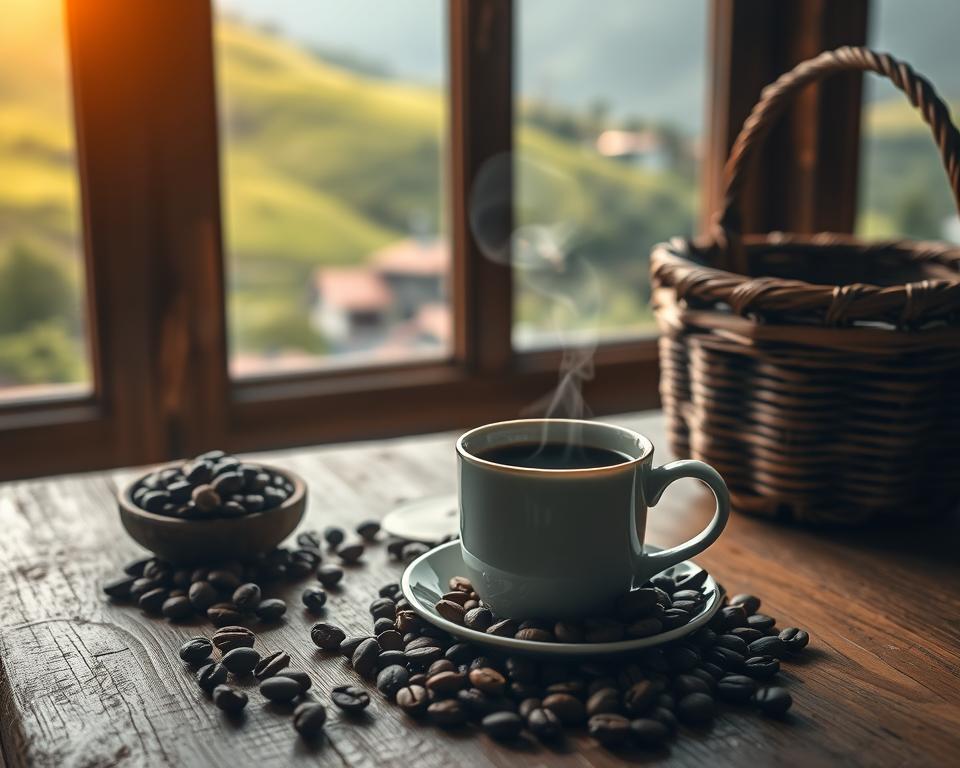
The European coffee scene used to be all about traditional blends. But now, authentic Guatemalan coffee is taking over. It’s known for its rich flavor and high quality, making it a hit across the continent.
Guatemalan coffee’s rise to fame comes from its unique taste and top-notch production. This has made gourmet Guatemalan coffee a favorite in European coffee culture.
The success of Guatemalan coffee in Europe shows the hard work of the country’s coffee makers and exporters. They’ve worked hard to promote their coffee and meet European market needs.
The Rich Heritage of Guatemalan Coffee
Guatemalan coffee has a rich story of tradition, quality, and passion. This passion has been passed down through generations. The country’s unique geography and climate make its coffee beans of high quality.
Guatemala has eight distinct regions, each with its own flavor profile. These regions include Antigua, Atitlán, Huehuetenango, and others. Each region produces coffee that is unique in taste and aroma.
The traditional methods used in Guatemalan coffee production are well-known. From harvesting to processing, every step shows care and attention to detail.
| Region | Flavor Profile | Altitude |
|---|---|---|
| Antigua | Balanced, with notes of chocolate and spice | 1,500 – 2,000 meters |
| Atitlán | Fruity, with hints of citrus and floral notes | 1,500 – 2,000 meters |
| Huehuetenango | Robust, with notes of berries and a hint of smokiness | 1,500 – 2,000 meters |
Guatemalan coffee’s premium quality comes from these factors. It’s a favorite among coffee lovers around the world.
Understanding Guatemalan Coffee’s Unique Qualities
Guatemalan coffee is famous for its unique taste. This is thanks to the country’s rich volcanic soil and varied climate. These factors give the coffee its balanced acidity and rich flavor, loved by coffee lovers.
The top Guatemalan beans come from places like Antigua, Huehuetenango, and Atitlán. These areas have the perfect soil and climate for coffee. They produce high-quality, organic coffee that people all over the world want.
- Rich volcanic soil that is rich in nutrients
- Diverse microclimates that allow for a variety of flavor profiles
- Sustainable processing methods that ensure high quality
If you want to buy Guatemalan coffee online, you have many choices. Specialty coffee shops often get their beans straight from Guatemalan farms. This way, you get the freshest and best coffee.
Some popular types of Guatemalan coffee include:
| Region | Flavor Profile | Acidity |
|---|---|---|
| Antigua | Rich, chocolatey | Balanced |
| Huehuetenango | Fruity, floral | High |
| Atitlán | Smooth, balanced | Medium |
Knowing about Guatemalan coffee’s special qualities helps us value the hard work and care that goes into making these amazing beans.
Preparing Guatemalan Coffee for European Standards
The European market wants top-notch coffee. Guatemalan producers are working hard to meet this demand. They focus on quality and following European rules and tastes.
Organic and Fair Trade Certifications
Guatemalan coffee makers use Organic and Fair Trade labels to attract European buyers. Organic means no harmful chemicals are used in growing the coffee. This fits well with Europeans who care about the environment.
Fair Trade ensures farmers get a fair price for their coffee. This helps improve their lives and supports their communities. These labels are key for premium Guatemalan coffee and gourmet Guatemalan coffee to stand out in Europe.
| Certification | Description | Benefits |
|---|---|---|
| Organic | Coffee grown without synthetic fertilizers or pesticides | Environmentally friendly, appeals to eco-conscious consumers |
| Fair Trade | Guarantees fair prices for producers, promotes community development | Improves producers’ livelihoods, supports community projects |
Specialty Coffee Association Standards
Guatemalan coffee must also meet Specialty Coffee Association (SCA) Standards. These standards include quality, sustainability, and ethics.
By following these standards, Guatemalan coffee producers can make sure their coffee meets European expectations. This is especially true for Guatemalan coffee delivery services that focus on quality and sustainability.
Guatemalan Coffee in Europe: Market Entry Strategies
To enter the European market, Guatemalan coffee exporters need solid strategies. They must know the European coffee market well. This includes what consumers like, current trends, and who they’re up against.
Starting with market research is key. It’s important to understand the demand for coffee, the competition, and the rules in Europe. Guatemalan exporters should look for special markets where their coffee can really shine.
Branding is also very important. A strong brand can show off what makes Guatemalan coffee special. This could be its rich history and unique tastes. A good brand story, nice packaging, and smart use of digital marketing can help.
Getting the coffee to the right places is crucial too. Guatemalan exporters need to work with good distributors who know the European market. This might mean going to trade shows, making connections, and finding deals that work for everyone.
By focusing on research, branding, and getting the coffee to the right places, Guatemalan coffee can make it big in Europe. This smart plan will help them take advantage of the growing demand for their coffee.
Developing a Compelling Brand Story
The story of Guatemalan coffee is key to a strong brand in Europe. It’s known for its unique flavors, thanks to the country’s varied regions. By focusing on the best Guatemalan beans, producers stand out in a crowded field.
A good brand story for Guatemalan coffee goes beyond taste. It’s about the people, the land, and traditions. European buyers want to know where their food comes from. By sharing farmer stories and the effort put into gourmet Guatemalan coffee, brands connect with their audience.
To share this story, Guatemalan coffee makers use social media and online stores. Here, customers can buy Guatemalan coffee online. By highlighting quality, sustainability, and community, brands gain trust and loyalty.
In the end, a strong brand story can make Guatemalan coffee a premium product. This leads to higher prices and a loyal customer base. By focusing on their coffee’s unique qualities and stories, Guatemalan producers can thrive in Europe.
Implementing Sustainable Practices for European Consumers
Guatemalan coffee producers are now focusing on sustainability to meet European consumers’ growing environmental awareness. This move is a response to demand and a strategy for the future of Guatemalan coffee.
Guatemalan coffee is known for its quality. By adopting sustainable practices, producers can make their organic Guatemalan coffee even more appealing in Europe. They are focusing on water conservation and shade-grown coffee techniques.
Water Conservation Methods
Water is essential in coffee production, as it’s a water-intensive crop. Guatemalan producers are using various methods to save water, such as:
- Collecting and storing rainwater for irrigation
- Using efficient irrigation systems to reduce waste
- Choosing coffee processing methods that use less water
These methods not only lessen the environmental impact but also improve the quality of Guatemalan coffee beans.
Shade-grown coffee involves growing plants under tree canopies. This method helps maintain biodiversity and cuts down on pesticide and fertilizer use. It offers several advantages, including:
- Healthier soil due to organic matter retention
- More ecosystem services like pollination and pest control
- More carbon sequestration, making coffee production more sustainable
By using shade-grown techniques, Guatemalan producers can offer premium coffee that meets European standards. This also supports environmental sustainability.
The shift to sustainable practices in Guatemalan coffee is beneficial for everyone. Producers gain a competitive edge in Europe, and consumers get to enjoy quality, eco-friendly coffee.
Establishing Distribution Channels in Europe
To make a mark in Europe, Guatemalan coffee brands need to look into different ways to sell their coffee. The European market is full of chances, from selling online to being in specialty coffee shops and cafes.
Online sales are key, letting Guatemalan coffee makers sell directly to Europeans. They need a good website and a way to ship
Distribution Channels for Guatemalan Coffee
| Channel | Opportunities | Challenges |
|---|---|---|
| Online Sales | Direct access to consumers, flexible marketing strategies | Logistical complexities, competition from established brands |
| Specialty Stores | Exposure to coffee connoisseurs, potential for premium pricing | High standards for quality and presentation, limited shelf space |
| Cafes | Opportunity to showcase coffee quality, build brand loyalty | Dependence on cafe owners’ preferences, competition for menu space |
Guatemalan coffee makers must focus on delivering real Guatemalan coffee that meets European tastes. It’s crucial to ensure the coffee’s quality and authenticity. Europeans are looking for top-notch Guatemalan coffee.
By using these sales channels well, Guatemalan coffee can make a big impact in Europe. It can take advantage of the growing need for specialty and high-quality coffee.
Marketing Guatemalan Coffee to European Audiences
Guatemalan coffee producers need to change how they market their coffee to meet European demand. They must show why their coffee is special. This is key to winning over European buyers who look for quality and sustainability.
Digital marketing is a powerful tool for reaching Europeans. Producers can use Instagram and Facebook to share their coffee’s unique taste and how it’s made. This helps build a strong brand that European coffee lovers can connect with.
Guatemalan coffee producers should also join European coffee events and work with influencers and cafes. These chances let them meet and teach consumers about their coffee. It helps build a loyal fan base.
Highlighting the coffee’s sustainability is also important. Europeans care about the environmental and social impact of what they buy. Showing that Guatemalan coffee is made in a responsible way can be a big plus.
By using these marketing strategies, Guatemalan coffee producers can reach European buyers. Whether through digital marketing, events, or partnerships, the goal is to tell a compelling story. This story should focus on the coffee’s unique qualities and its sustainable production. This makes Guatemalan coffee a great choice for those looking to buy online.
Overcoming European Market Challenges
European consumers’ tastes are changing, and rules are getting stricter. This makes it tough for Guatemalan coffee sellers. Despite their high-quality coffee, they face many obstacles to make it in Europe.
Guatemalan coffee faces stiff competition from other countries. To shine, they must highlight their coffee’s special qualities. This includes the “best Guatemalan beans” grown in perfect climates.
Rules are another big hurdle. Coffee must be labeled as “organic Guatemalan coffee” to meet European standards. It’s vital for Guatemalan coffee sellers to follow these rules.
| Challenge | Strategy to Overcome |
|---|---|
| Competition | Highlight unique qualities of Guatemalan coffee |
| Regulatory Hurdles | Ensure compliance with European regulations |
| Changing Consumer Preferences | Adapt to trends, such as sustainability and organic products |
Guatemalan coffee makers and sellers need to be flexible and creative. By focusing on their coffee’s quality and keeping up with trends, they can beat the odds in Europe.
By showcasing the unique aspects of “premium Guatemalan coffee” and following European rules, sellers can stay ahead in the market.
Case Studies: Successful Guatemalan Coffee Brands in Europe
The European coffee scene has been enriched by authentic Guatemalan coffee brands. These brands have introduced European consumers to Guatemalan coffee’s rich flavors. They have also set new standards for quality and sustainability.
“Guatemalan Delight” has successfully entered the European market with its gourmet coffee. They partner with local distributors for timely delivery across Europe.

“Café Antigua” is known for its high-quality, authentic Guatemalan coffee. They focus on sustainable practices and direct trade. This resonates with European consumers.
| Brand Name | Strategy | Market Impact |
|---|---|---|
| Guatemalan Delight | Gourmet offerings and local partnerships | Strong presence in Western Europe |
| Café Antigua | Sustainable practices and direct trade | Popular among eco-conscious consumers |
| Others like “Coffee Quetzal” | Unique packaging and online marketing | Increasing popularity among younger demographics |
These case studies show that Guatemalan coffee brands can succeed in Europe with the right strategies. By focusing on quality, sustainability, and marketing, they share Guatemalan culture with the world.
Conclusion: The Enduring Appeal of Guatemalan Coffee Excellence
Guatemalan coffee’s journey to Europe shows its top-notch quality and unique taste. It has won over European coffee lovers with its rich history and special qualities.
Guatemalan coffee is known for its balanced taste, rich flavors, and eco-friendly farming. This makes it a favorite among those looking for the best coffee. As more Europeans seek out premium Guatemalan coffee, the market is expected to grow.
Guatemalan Coffee in Europe has become a benchmark for coffee excellence. By focusing on quality, eco-friendliness, and engaging stories, Guatemalan coffee makers can stay ahead in the European market.
The lasting charm of Guatemalan coffee is its ability to meet the high standards of European coffee lovers. It also supports green practices. With the growing demand for specialty coffee, Guatemalan coffee is set to remain a favorite in Europe.