
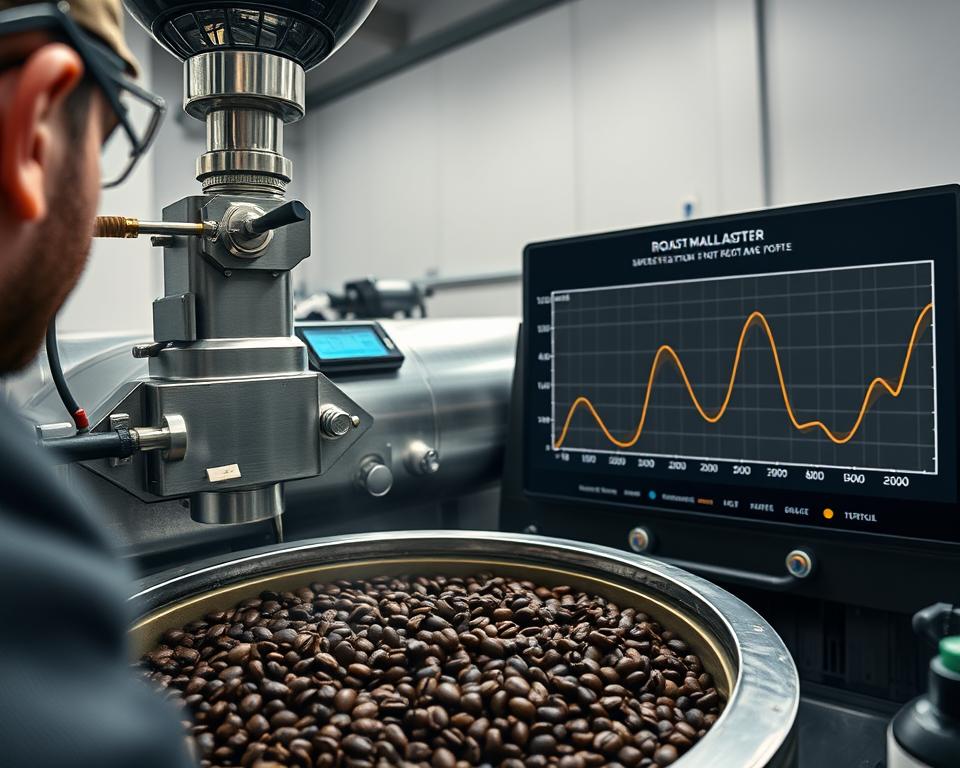
Getting consistency in roasting is key to bringing out the unique flavors of specialty coffee beans, especially from Guatemala. Uniform roasting makes sure every batch meets the high standards coffee lovers expect.
The specialty coffee roasting process requires a deep understanding of how to bring out the best in each bean. For Guatemalan coffee, known for its rich flavors, the right roasting technique can really enhance its natural qualities.
This article will dive into the techniques and tips for achieving uniform roasts, focusing on Guatemalan coffee. By grasping the principles of artisanal roasting, roasters can enhance their craft and consistently deliver high-quality coffee.
The Significance of Uniformity in Artisanal Coffee Roasting
Uniformity in artisanal coffee roasting is key for small-scale producers. It ensures high-quality coffee beans that meet customer needs. In places like Guatemala, achieving this uniformity is tough due to limited resources and bean variability.
Uniformity boosts the economic health of small producers. It helps build a loyal customer base, crucial for their financial stability. Uniform roasting enhances flavor, making customers happier.
The Economic Impact of Consistency for Small Producers
In Guatemala, small coffee producers gain from consistent roasting. It builds customer loyalty and helps them compete globally. By focusing on quality roasting, they can improve their market position and financial health.
Effective roasting and quality control lead to:
- Happy customers with consistent flavors
- A strong brand reputation
- Stronger market presence for small producers
Understanding the Science Behind Coffee Roasting
Knowing the science of coffee roasting is key for getting it right, especially with beans from high places like Guatemala. Roasting coffee is a detailed process that turns raw beans into the tasty drink we love. It involves physical and chemical changes during roasting.
The place where coffee beans grow greatly affects their taste and how they roast.
Altitude Effects on Guatemalan Highland Coffee Beans
Coffee beans from high places, like Guatemala’s Highlands, are denser and taste more complex than those from lower places.
Several things make high-altitude coffee beans special:
- Denser bean structure, which affects roasting time and temperature
- Slower maturation process, resulting in a more complex flavor
- Higher moisture content, requiring adjustments in roasting techniques
To get the best roast for Guatemalan Highland coffee, roasters need to adjust their small batch coffee roasting methods. They might need to tweak roast profiles to highlight the beans’ best qualities.
Using precise coffee roasting standards is crucial for consistent batches. This means watching roasting parameters like temperature and time closely. This ensures the right roast level and flavor.
By grasping the science of coffee roasting and the unique traits of high-altitude beans, roasters can craft targeted roasting plans. This boosts the quality and consistency of their coffee.
Essential Equipment for Consistent Artisanal Roasting
Artisanal coffee roasters need the right tools to keep their roasting consistent. The right equipment helps make sure the coffee tastes the same every time. It also makes the coffee better overall.
The main tools for roasting include top-notch roasters, precise grinders, and coolers. Roasters come in sizes and types like drum and air roasters. Each has its own benefits for control and consistency.
- Drum roasters are great for even roasting and work well in big operations.
- Air roasters let roasters control the roasting closely. They’re perfect for trying out different roast styles.
Precision grinders are key because they help get a consistent grind size. This is important for getting the best flavor out of the coffee. Coolers are also crucial to stop the roasting right after it’s done. This keeps the coffee’s taste fresh.
Getting the right equipment is a big step towards making great coffee. Following organic roasting methods also means using equipment that meets organic coffee’s special needs. This ensures the coffee is of high quality and sustainable.
Sourcing Beans for Optimal Roasting Uniformity
To get the best roasting results, knowing about coffee beans from different places is key. The taste and how they roast can change a lot based on where they grow.
In Guatemala, places like Antigua and Huehuetenango have unique coffee tastes. Antigua coffee is known for its balanced taste and rich flavors, with hints of chocolate and caramel. On the other hand, Huehuetenango coffee is bright and fruity.
Regional Differences in Bean Characteristics from Antigua to Huehuetenango
What makes each region’s coffee different is the soil, climate, and height. Knowing these differences helps find top-quality beans that fit the roast you want.
| Region | Flavor Profile | Acidity Level |
|---|---|---|
| Antigua | Rich, chocolate, caramel | Balanced |
| Huehuetenango | Fruit-forward | Bright |
Understanding the unique qualities of coffee beans from different areas helps roasters make better choices. This leads to more consistent roasting results.
Pre-Roasting Preparation Techniques
To ensure consistency in small batch coffee roasting, pre-roasting preparation is key. These steps are essential for a uniform roast. This uniformity is crucial for the coffee’s quality.
Pre-roasting involves sorting, cleaning, and grading. Sorting categorizes beans by size and density for even roasting. Cleaning removes debris or bad beans that could harm the flavor. Grading refines beans by size and quality, making sure only the best are roasted.

Effective pre-roasting techniques are vital in small batch coffee roasting. By carefully preparing beans, roasters can get a consistent roast. This improves the coffee’s flavor and quality.
Using these techniques requires focus and a deep understanding of their impact. Artisanal coffee roasters can then ensure their coffee is top-notch in quality and flavor.
Developing Roast Profiles for Consistency
To ensure uniformity in artisanal roasting, developing precise roast profiles is essential. Roast profiles act as a blueprint for achieving consistent flavor and quality across batches.
Guatemalan coffee beans, known for their distinct flavor profiles, offer an excellent case study for developing roast profiles tailored to beans from different elevations.
Guatemalan-Inspired Profile Examples for Different Elevation Beans
Beans from higher elevations, such as those found in the Huehuetenango region, typically require longer roast times to bring out their full flavor potential.
- For beans from elevations above 2,000 meters, a roast profile with a slower ramp-up and longer roast time can help to develop complex, chocolatey flavors.
- Beans from lower elevations, such as those in the Antigua region, may require shorter roast times to prevent over-roasting and preserve their bright acidity.
By tailoring roast profiles to the specific characteristics of beans from different elevations, artisanal roasters can achieve
Examples of roast profiles for different elevation Guatemalan beans include:
| Elevation | Roast Time | Flavor Profile |
|---|---|---|
| Above 2,000m | Longer | Complex, chocolatey |
| Below 1,800m | Shorter | Bright, acidic |
Implementing these roast profiles enables artisanal coffee roasters to maintain precise coffee roasting standards and enhance artisanal coffee roasting quality control.
Achieving Artisanal Coffee Roasting Uniformity Through Precise Techniques
To get consistent results in artisanal coffee roasting, you need to use exact methods. Each coffee bean is different, so you must adjust for that. This ensures the best flavor and aroma in your coffee.
The roasting process has key stages, like the “first crack.” This is a critical moment. It’s when the beans start to expand after drying. Paying close attention to the first crack helps you get the right roast level every time.
First Crack Identification and Response Strategies
Spotting the first crack needs both listening and watching. You should hear a unique sound when the beans hit a certain temperature. Also, look at the beans’ color and size to see if they’re expanding.
| Strategy | Description | Benefit |
|---|---|---|
| Auditory Monitoring | Listening for the first crack sound | Precise timing |
| Visual Observation | Observing bean expansion and color change | Confirmation of roast stage |
| Temperature Control | Adjusting roasting temperature based on bean response | Consistent roast level |
When you hear the first crack, you need to adjust your roasting. You might change the temperature or how fast you heat the beans. This helps you get the roast you want.
Learning how to handle the first crack is key. It lets you roast coffee consistently. This makes your coffee better and keeps your customers happy.
Quality Control Measures for Artisanal Roasters
Quality control is key for artisanal coffee roasting. It helps roasters keep their coffee consistent. To get consistent results, they must follow strict quality control steps.
Creating feedback loops is a big part of quality control. These loops help roasters check their roasting results. They can then make changes for the next roast.
Creating Feedback Loops to Improve Uniformity
Feedback loops collect data on the roasting process. This includes temperature, roast time, and bean temperature. This data helps spot any issues or changes from the ideal roast.
By tweaking their roast profiles based on this data, roasters can make their coffee more uniform. This not only boosts the coffee’s quality but also helps build a strong brand image.
For artisanal coffee roasters, good quality control is crucial. It ensures they can offer top-notch, consistent coffee to their customers.
Troubleshooting Common Uniformity Issues
Troubleshooting is key to ensuring uniformity in artisanal coffee roasting. Issues like tipping and scorching can happen. It’s vital for delivering top-quality coffee consistently.
Recognizing and Preventing Tipping and Scorching
Tipping and scorching can mess up the uniformity of roasted coffee. Tipping makes the beans crack or break. Scorching gives them a burnt taste. To stop these, roasters can tweak their roasting techniques and keep a close eye on the roasting.
Small batch roasting helps control the roasting better. Knowing why tipping and scorching happen lets roasters act early. This way, they get more consistent results.
| Issue | Cause | Prevention Method |
|---|---|---|
| Tipping | Rapid expansion of coffee beans | Adjust roasting temperature and time |
| Scorching | Excessive heat exposure | Monitor temperature, use proper drum rotation |
By spotting tipping and scorching early, and using small batch methods, roasters can make their coffee more uniform. This boosts coffee quality and makes roasting more efficient and cost-effective.
Scaling Uniformity Practices for Growing Operations
As artisanal roasting grows, keeping quality high is key. Roasters face the challenge of scaling up without losing quality. They must use both old and new methods to succeed.
Technology plays a big role in keeping quality high. Advanced software and automated systems help control the roasting. They ensure every batch is perfect. For example, they help control temperature and roast time, which are crucial for quality.
Technology Integration for Larger Batch Consistency
Using technology like roasting software and automated systems boosts consistency. These tools let roasters adjust roast profiles in real-time. This keeps quality high even as they make more coffee.
For instance, a Guatemalan coffee roasting operation uses software to perfect their roast profiles. This way, they keep their coffee of high quality, even as they grow.
Conclusion: Mastering the Art of Uniform Artisanal Roasting
Getting uniformity in artisanal coffee roasting is key for top-notch coffee. It’s all about understanding coffee roasting science and using precise methods. This way, roasters can make sure their coffee is always consistent.
Organic coffee roasting is vital for keeping the special flavors of artisanal coffee alive. By picking the best beans and creating roast profiles, roasters can make their coffee taste the same every time.
As more people want specialty coffee, roasters need to get better at uniform roasting. By improving their skills and making sure their coffee is always the same, they can meet the high standards of coffee lovers.
By following the tips in this article, roasters can elevate their craft. They’ll make sure every cup of coffee is of the highest quality and taste.