

The global coffee industry has seen big changes due to the pandemic. Countries all over the world have faced problems with making and moving coffee. Guatemala, a big name in coffee, has also been affected.
The pandemic changed how people drink coffee. More people are drinking it at home instead of in cafes. This shift was big, as reported, many coffee-making countries, including Guatemala, had to deal with emergencies.
Guatemala’s coffee world had its own set of problems. There were issues with getting coffee where it needed to go and not enough workers. But, this hard time also brought chances for the industry to grow and change.
The State of Guatemala’s Coffee Industry Before COVID-19
Guatemala’s coffee market was strong before COVID-19 hit. The country is known for its high-quality coffee, mainly sold to other countries.
Before the pandemic, Guatemala was producing a lot of coffee. Many small farmers were part of this effort. The farming methods ranged from old-school to modern.
| Year | Coffee Production (tons) | Export Value (USD) |
|---|---|---|
| 2018 | 220,000 | 700 million |
| 2019 | 230,000 | 750 million |
The coffee industry in Guatemala was all about quality and care for the environment. Many farms were using green practices.
The Pandemic Impact on Coffee Trade in Guatemala
The COVID-19 pandemic hit Guatemala’s coffee industry hard. It affected every step, from picking to exporting. Lockdowns and travel bans made the coffee supply chain very tough.
Harvest Complications During Lockdowns
Coffee farmers in Guatemala had big problems during the pandemic. They couldn’t move around much and had fewer workers. This made picking coffee slower and more expensive.
Processing facilities, key in the coffee chain, also struggled. They had to work with less space and sometimes closed down. This caused a big pileup of unprocessed coffee.
For more info on Guatemala’s coffee, check out this link.
The pandemic also changed coffee prices. With supply chains broken and costs up, Guatemalan coffee prices went up and down. This affected the global market and prices for consumers.
In short, the pandemic showed how weak Guatemala’s coffee trade is. Knowing these problems helps us find ways to make the industry stronger.
Supply Chain Challenges for Guatemalan Coffee Producers
The pandemic caused many problems for Guatemalan coffee producers. They faced issues with moving goods within the country and delays in shipping them abroad. These problems made it hard for them to keep a steady supply of quality coffee beans to both local and international markets.
Domestic Transportation Issues
Guatemalan coffee producers struggled with getting their goods moved around the country. Lockdowns and restrictions led to a lack of truck drivers and higher costs. For example, moving goods became up to 30% more expensive.
Shipping delays also added to the problems. Ports were full, and there weren’t enough containers. This caused big delays in getting coffee to markets outside of Guatemala. For more details on how these issues affect coffee roasters, check out Coffeetec’s blog.
| Challenge | Impact | Solution |
|---|---|---|
| Domestic Transportation Issues | Increased costs, delayed deliveries | Alternative routes, digital logistics management |
| International Shipping Delays | Delayed shipments, lost revenue | Advance planning, flexible shipping options |
| Supply Chain Disruptions | Inconsistent supply, quality issues | Diversified supply chain, real-time monitoring |
Guatemalan coffee producers had to quickly find ways to deal with these problems. They worked hard to keep their quality and reputation in the global market. By understanding these challenges, they can plan better for the future.
Financial Implications for Guatemala’s Coffee Sector
The COVID-19 pandemic hit Guatemala’s coffee sector hard. Movement and trade restrictions cut down coffee sales. This hurt the lives of farmers and producers.
The whole supply chain felt the pinch, from farmers to exporters. Many coffee producers in Guatemala struggled to keep going because of less money coming in.
Government Assistance Options
The Guatemalan government stepped in to help the coffee sector. They offered financial aid and subsidies. These helped farmers keep up their production.
International Aid for Coffee Farmers
International groups also helped Guatemalan coffee farmers. They gave aid that let farmers reach new markets and improve how they make coffee.
| Assistance Type | Description | Benefit to Farmers |
|---|---|---|
| Financial Aid | Direct financial support to farmers | Helped maintain production levels |
| Subsidies | Support for inputs like fertilizers and equipment | Reduced operational costs for farmers |
| Market Access Programs | Assistance in accessing new markets | Increased sales opportunities for farmers |
Government help and international aid were key in easing the financial blow to Guatemala’s coffee sector. These efforts supported farmers and producers. They helped keep the industry going strong for the future.
Digital Transformation in Guatemala’s Coffee Trade
Digital technologies were key in keeping Guatemala’s coffee trade alive during the pandemic. The industry quickly adapted thanks to digital solutions.
One area where digital change was big was in money matters.
Mobile Banking Adoption Among Farmers
Mobile banking helped farmers get paid and manage money better. It cut down on the need for face-to-face transactions.
The use of blockchain technology in coffee tracking is also a big deal. It makes the coffee’s journey clear, building trust with buyers and others.
Blockchain is used more to track coffee beans’ origin and path. It ensures coffee quality and meets rules.
| Digital Solution | Impact on Coffee Trade |
|---|---|
| Mobile Banking | Enhanced financial transaction efficiency |
| Blockchain Technology | Improved coffee traceability and transparency |
| Digital Platforms | Increased market access for farmers |
The digital shift in Guatemala’s coffee trade is helping it face pandemic challenges. It’s also setting the stage for growth and lasting success.
How to Adapt Your Coffee Sourcing Strategy
The COVID-19 pandemic has made the coffee industry rethink its ways. It’s now focusing on making supply chains more flexible and responsive. This is key to staying strong.
Good communication is vital during tough times. Having strong communication plans can lessen the blow of future crises.
Communication Protocols During Disruptions
Coffee companies need to keep talking to their suppliers and others. This means:
- Regular updates on supply chain status
- Transparent info about possible disruptions
- Working together to solve problems
These steps can make coffee sourcing more resilient.
Flexible Contract Terms for Uncertain Times
Flexible contracts can also help coffee businesses adjust. This could be:
| Contract Term | Flexible Adjustment | Benefit |
|---|---|---|
| Pricing | Flexible pricing mechanisms | Reduces financial risk |
| Delivery Schedules | Adjustable delivery timelines | Accommodates supply chain disruptions |
| Quantity | Variable quantity agreements | Allows for demand fluctuations |
To tackle COVID-19 challenges, coffee sourcing needs a mix of better communication and flexible contracts. These steps help businesses stay strong against future problems.
Implementing Safety Protocols in Coffee Processing
The pandemic has shown us how important safety is in coffee processing. The coffee industry must now focus on safety to keep working and protect workers. This is key to avoiding the spread of COVID-19.
Personal Protective Equipment Requirements
Personal protective equipment (PPE) is a big part of safety in coffee processing. Masks, gloves, and eye protection are needed to stop the virus. It’s important that all workers use these items correctly to stay safe.
Another important step is to keep workers apart. This means changing how spaces are set up, staggering work times, and limiting people in shared areas. Keeping workers apart helps lower the chance of COVID-19 spreading.
By following these safety steps, coffee processing places can protect their workers. This also helps keep the coffee supply chain running smoothly. It means less disruption for everyone involved in coffee.
Marketing Guatemalan Coffee During a Global Crisis
The pandemic changed how Guatemalan coffee is marketed. It made the global coffee industry face new challenges. Guatemalan producers and marketers had to quickly adapt to keep consumers loyal.
They focused on the health and safety steps taken by coffee makers. This helped reassure people about the quality and safety of Guatemalan coffee.
Emphasizing Health and Safety Practices
Guatemalan coffee makers showed their dedication to health and safety. They used many ways to share this:
- Showcasing rigorous hygiene protocols in coffee processing facilities
- Highlighting the use of personal protective equipment by farm workers
- Sharing images and stories of safety measures on social media and marketing materials
These efforts helped keep consumer trust in Guatemalan coffee strong, even when the world was uncertain.
Storytelling About Producer Communities
Another good strategy was telling stories about the people behind Guatemalan coffee. By sharing the lives of coffee producers and their families, marketers could connect with consumers on an emotional level.
This approach showed the human side of coffee making. It also showed how important it is to support these communities, especially during hard times. Key parts of this strategy were:
- Collaborating with producers to document their stories and experiences
- Creating content that showcased the resilience and adaptability of coffee-producing communities
- Utilizing social media and digital platforms to share these stories with a global audience
By focusing on health and safety and the stories of producer communities, Guatemalan coffee marketers did well during the pandemic. These strategies helped keep consumer trust and showed the special value of Guatemalan coffee.
Future-Proofing Your Guatemalan Coffee Business
To stay ahead, Guatemalan coffee makers must innovate and use new tech. The COVID-19 pandemic showed us the coffee supply chain’s weak spots. It’s clear we need to be more resilient and flexible.
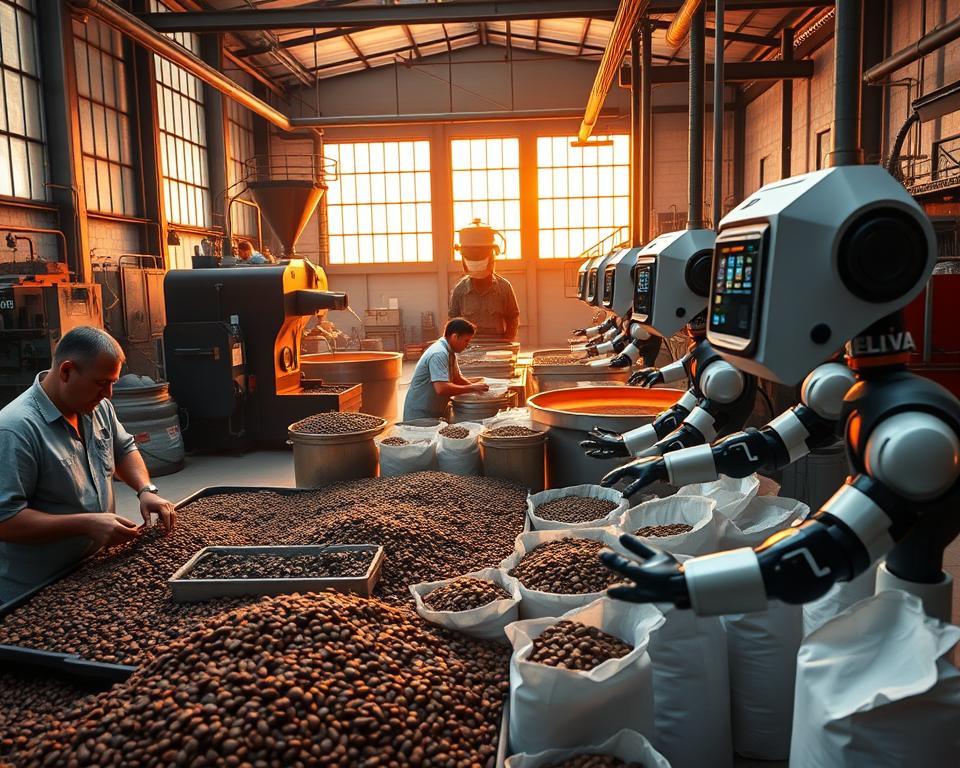
One smart move is to use automation for processing and checking quality. This can make things more efficient, cut down on labor costs, and boost coffee bean quality.
Automation in Processing and Quality Control
Automation can make coffee processing smoother, from sorting to packaging. It uses smart tech and computer vision to check quality faster and more accurately.
- Automated sorting systems can remove bad beans, making the coffee better.
- Advanced roasting tech can tailor roast profiles for each coffee bean.
- Packaging automation cuts down on labor costs and makes packaging more efficient.
Remote Monitoring Systems for Farms
Remote monitoring systems help farmers manage their land better. They track soil moisture, temperature, and more. This lets farmers make decisions based on data.
| Technology | Benefits | Impact on Coffee Production |
|---|---|---|
| Automation in Processing | Increased Efficiency, Reduced Labor Costs | Improved Quality, Enhanced Competitiveness |
| Remote Monitoring Systems | Data-Driven Decision Making, Improved Crop Management | Increased Yield, Better Quality Control |
By using these technologies, Guatemalan coffee businesses can get stronger. They can handle future challenges better, like market changes or the impact of COVID-19 on coffee exports.
Conclusion: Embracing Change in the Guatemalan Coffee Trade
The COVID-19 pandemic has changed the global coffee industry a lot. Guatemala’s coffee trade has also seen big changes. These changes have affected supply chains, money stability, and how they market their coffee.
Looking ahead, the industry needs to be adaptable and strong. By using digital tools, following safety rules, and changing how they source coffee, Guatemalan producers can do well. This will help them succeed in the global market.
The pandemic has brought many challenges but also new chances for growth. As the Guatemalan coffee trade keeps changing, it will likely become stronger. It will focus more on quality, being green, and building good relationships with customers.