
Guatemala is famous for its top-notch coffee. But, fake products labeled as “premium” are becoming a big problem. This not only hurts your wallet but also damages the good name of real Guatemalan coffee makers.
It’s vital to know how to find real premium coffee. With more fake coffee out there, it’s more important than ever to be able to tell the difference.
Learning what real premium Guatemalan coffee looks like is essential. This way, you can choose the right coffee and help real producers.
The Growing Threat of Counterfeit Guatemalan Coffee
Counterfeit Guatemalan coffee is becoming more common. It affects both farmers and those who buy coffee. The real Guatemalan coffee, known for its rich taste, is being replaced by fake versions.
How Fraud Affects Guatemalan Farmers
Guatemalan farmers face big challenges because of fake coffee. Fake products pretend to be real Guatemalan coffee. This makes the real coffee less valuable and cuts farmers’ earnings.
Consumer Trust Implications
More fake Guatemalan coffee means less trust from buyers. When people find out their coffee is fake, they lose faith in the market. This can make them hesitant to buy coffee, fearing they’ll be tricked again.
To fight this, it’s important for buyers to know how to spot fake coffee. Buying from trusted sources helps keep the Guatemalan coffee industry real. It also supports the hard work of genuine farmers.
What Defines Authentic Premium Guatemalan Coffee
To find real premium Guatemalan coffee, you need to know its special qualities. Guatemalan coffee is famous for its top-notch taste, especially from places like Antigua and Huehuetenango.
Antigua’s Volcanic Soil Influence
Antigua’s coffee stands out because of its volcanic soil. This soil gives the beans a deep flavor. The volcanic effect adds a balanced acidity and a rich taste, making Antigua coffee a favorite among coffee lovers.
Some key traits of Antigua coffee are:
- Rich, balanced flavor
- Complex acidity
- Hints of chocolate and spice
Huehuetenango’s High-Altitude Characteristics
Huehuetenango’s coffee is special because of its high altitude. This altitude makes the coffee taste bright and unique. The slow maturation of the coffee cherries adds to its complex flavor.
Knowing these regional traits is key to spotting fake gourmet coffee. It helps us truly enjoy the unique qualities of real premium Guatemalan coffee.
Examining Bean Quality: Visual Inspection Techniques
Spotting fake premium coffee begins with a detailed look at the beans. Top-notch Guatemalan coffee has beans that are all the same size, shape, and color.
Screen Size Sorting Standards
Sorting by screen size is key. It makes sure all coffee beans are the same size. Guatemalan coffee makers follow strict rules to keep their coffee high quality.
| Screen Size | Description | Quality Indicator |
|---|---|---|
| 18/19 | Large beans, uniform size | High quality |
| 15/16 | Average size beans | Medium quality |
| 13/14 | Small beans, less uniform | Lower quality |
Bean Density Assessment
Bean density is also very important. Beans that are denser usually taste richer.
By looking at both screen size and bean density, you can tell if Guatemalan coffee is real or fake.
Fake Premium Coffee Identification Through Packaging Analysis
Checking the packaging is a key way to spot fake premium coffee. Real Guatemalan coffee has certain marks that prove it’s genuine.
Lot Numbers and Harvest Dates
Lot numbers and harvest dates are key to spotting real specialty coffee. They help track the coffee’s origin, making sure it’s from a specific farm or group during a certain time.
- Lot numbers should match records from the farm or cooperative.
- Harvest dates should correspond to the known harvest periods for Guatemalan coffee.
Real premium Guatemalan coffee packaging often lists the farm or cooperative it comes from. It might include the name, location, and even the exact plot of land where the coffee was grown.
It’s important to check this information. Buyers should see if the farm or cooperative is well-known. They should also make sure the coffee’s characteristics match those of coffees from that area.
By looking closely at the packaging for these details, buyers can lower the chance of getting fake premium Guatemalan coffee. This careful check is vital for ensuring the coffee’s quality and authenticity.
Price Points: Understanding Value vs. Deception
When looking at Guatemalan coffee, the price is very important. It helps figure out if the coffee is good and real. Buyers should know what affects prices to spot fake coffee.
Regional Price Variations
Prices of Guatemalan coffee change a lot by region. For example, coffee from Antigua costs more because of its unique taste and high demand. Knowing these differences helps find real high-quality coffee.
It’s important to check if the price matches the quality. If premium Guatemalan coffee is too cheap, it might be fake. Also, if it’s too expensive without a good reason, it could be overpriced.
By understanding price trends and being careful of prices that seem off, buyers can make better choices. This way, they can find genuine Guatemalan coffee.
Verifying Legitimate Guatemalan Coffee Certifications
To make sure you get real Guatemalan coffee, it’s key to know the certifications that prove it’s genuine. These certifications not only show the coffee’s quality but also keep out fake products.
Guatemalan Antigua Coffee Producers Association (APCA)
The Guatemalan Antigua Coffee Producers Association (APCA) is a major group that certifies coffee from Antigua. This area is famous for its top-notch coffee beans. APCA makes sure the coffee meets high standards for quality, how it’s made, and where it comes from.
Rainforest Alliance and Organic Certifications
Rainforest Alliance and Organic certifications are also important for checking if Guatemalan coffee is real. These labels mean the coffee is made in a way that’s good for the environment and fair to people.
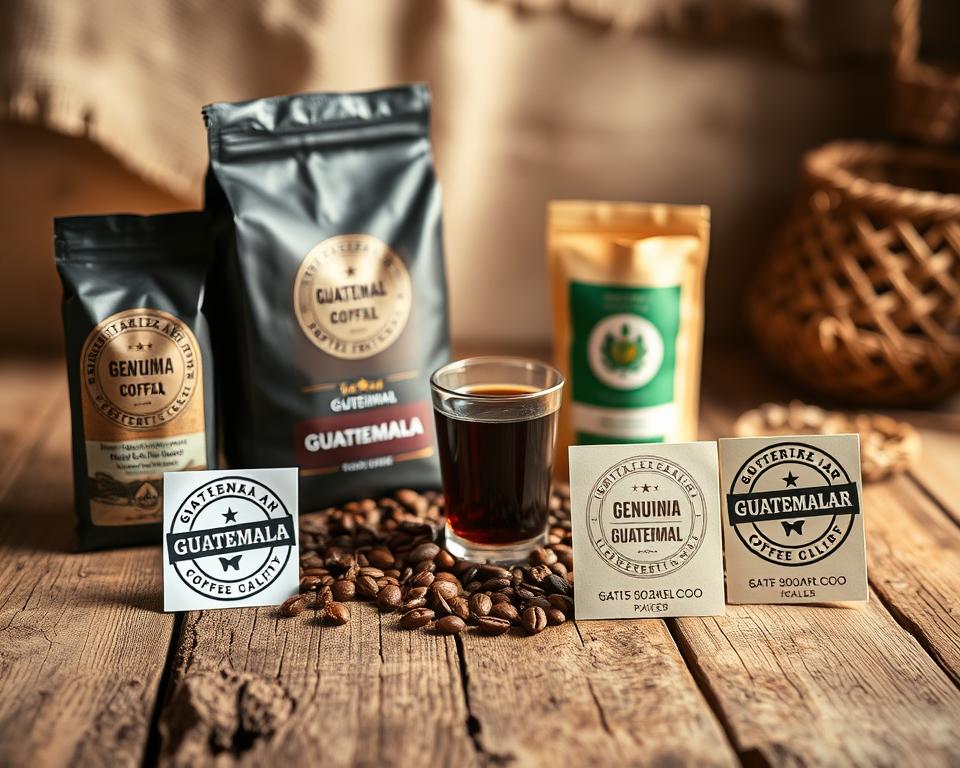
| Certification | Description | Standards |
|---|---|---|
| APCA | Ensures high-quality coffee from Antigua region | Quality, production methods, origin |
| Rainforest Alliance | Promotes sustainability and social responsibility | Environmental and social standards |
| Organic | Guarantees coffee is produced without synthetic fertilizers or pesticides | Organic production methods |
By looking for these certifications, you can lower the chance of buying fake or low-quality Guatemalan coffee. This way, you can enjoy a premium coffee experience.
Sensory Evaluation to Detect Counterfeit Premium Coffee
Checking if premium Guatemalan coffee is real involves a detailed sensory test. This method looks at different coffee qualities to spot any fake ones.
Acidity Levels by Region
Guatemalan coffee’s acidity changes based on where it’s from. For example, Antigua’s coffee is bright, while Huehuetenango’s is balanced. Knowing these differences helps spot fake coffee.
- Coffees from Antigua: Bright acidity with notes of citrus.
- Coffees from Huehuetenango: Balanced acidity with hints of fruit.
- Coffees from Atitlán: Complex acidity with floral notes.
Body and Mouthfeel Indicators
The body and feel of real Guatemalan coffee are key signs of quality. Good coffee has a rich feel and smooth taste. Fake coffee might feel flat or taste bad.
By focusing on these sensory details, buyers can spot fake coffee. This way, they know they’re getting real, high-quality Guatemalan coffee. Sensory tests are a strong way to fight coffee fraud.
Supply Chain Verification for Guatemalan Coffee
Checking the supply chain is key to finding real Guatemalan coffee. A good check ensures the coffee comes from true Guatemalan farmers. This keeps its high quality.
QR Code Tracking Systems
QR code tracking is a smart way to check the supply chain. It lets people scan a code on the coffee and learn about its journey.
- Traceability: QR codes show the coffee’s path from farm to hand.
- Authentication: Scanning the code checks if the coffee is real.
Producer Database Resources
Producer databases are also vital. They have info on coffee makers, like where they are and how they make coffee.
- Verification: Databases confirm if coffee makers are real.
- Quality Control: They make sure the coffee is up to standard.
Using QR codes and producer databases helps spot real Guatemalan coffee. This way, we can avoid fake high-quality coffee and gourmet coffee.
Digital Tools for Spotting Counterfeit Guatemalan Coffee
Digital tools are key in spotting fake Guatemalan coffee. The coffee world is using tech to fight fraud. This way, people know they’re getting real coffee.
Many digital platforms and tools help find fake Guatemalan coffee. Here are a few:
- Blockchain technology for tracking coffee beans from origin to consumer
- Online databases that verify coffee certifications and authenticity
- Mobile apps that allow consumers to check the origin and quality of coffee
These digital tools are changing how we find and stop fake coffee. They make it tough for scammers to trick people. Businesses and buyers can now be sure they’re getting real Guatemalan coffee.
Common Substitution Tactics in the Premium Coffee Market
It’s important for premium Guatemalan coffee lovers to know about substitution tactics. The market is at risk of fake practices that harm the coffee’s quality and authenticity.
Percentage Thresholds for Origin Claims
Rules let a small amount of beans from other places be called “single-origin.” Knowing these limits helps spot scams.
| Country | Allowed Threshold |
|---|---|
| Guatemala | 5% |
| Colombia | 10% |
Detecting Mixed Origins in “Single-Origin” Claims
Consumers need to watch for packaging and certifications to find mixed origins. Look for clear labels and recognized certifications that prove the coffee’s origin.
Knowing about these tricks and how to check if coffee is real helps consumers. They can then make smart choices and avoid fake coffee.
Establishing Relationships with Trusted Guatemalan Coffee Suppliers
To spot fake premium coffee, it’s key to build strong ties with reliable Guatemalan coffee suppliers. Only authentic premium Guatemalan coffee comes from trustworthy suppliers. They must offer clear and consistent supply chain documents.
Transparency Red Flags
When looking at potential suppliers, watch out for these transparency red flags:
- They don’t want to share details about their coffee sourcing
- They don’t have clear certification documents
- They’re vague or secretive about their supply chain
Inconsistent Supply Chain Documentation
Unusual or unclear documentation might mean the coffee is fake. Look for suppliers who can show:
- Clear, detailed records of where their coffee comes from
- Consistent, verifiable certification documents
- Transparent info on how they process and distribute their coffee
By working with trusted Guatemalan coffee suppliers and being careful about transparency and documentation, businesses can lower the chance of buying fake premium coffee.
Conclusion: Protecting Your Premium Guatemalan Coffee Experience
The demand for premium Guatemalan coffee is rising. This means more chances to find fake products. It’s important to know how to spot the real deal to keep the market honest.
To avoid counterfeit coffee, check for certifications and look at the packaging. Taste tests can also help. Building trust with suppliers and using online tools are other ways to stay safe.
Keeping the quality of Guatemalan coffee high needs everyone’s attention. By being careful and informed, we can enjoy real coffee. This supports the hard work of local farmers and producers.