
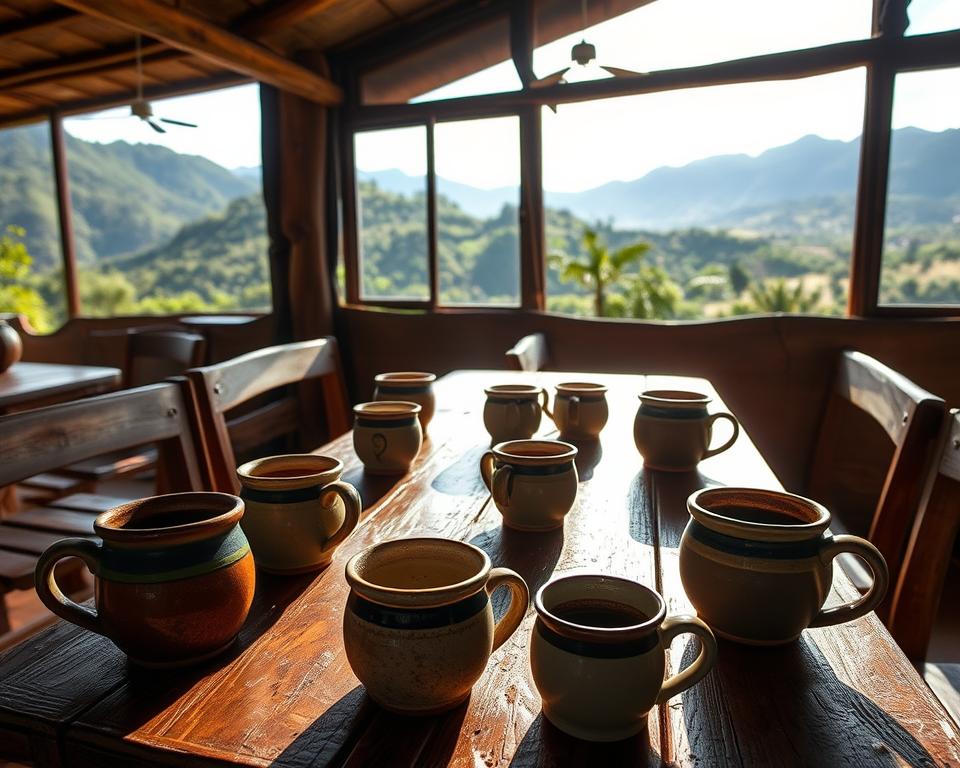
Guatemalan coffee is famous for its deep flavors. This is thanks to the country’s special terroir. Knowing how to spot these flavors is key for coffee lovers and makers.
Spotting the unique tastes in Guatemalan coffee can make you appreciate its quality more. By understanding these flavors, coffee fans can see the skill that goes into making top-notch Guatemalan coffee.
To find these sensory notes, you need to taste coffee carefully. Look at things like acidity, body, and hints of flavor.
Understanding the Unique Character of Guatemalan Coffee
Guatemalan coffee’s unique taste comes from several factors. These include the soil, climate, and how it’s processed. The coffee grows in rich volcanic soil, with a moderate climate and clear wet and dry seasons. This mix creates its complex flavor.
Guatemalan coffee is known for its balanced acidity and rich body. It tastes like chocolate, caramel, and fruit. The coffee-growing areas, like Antigua, Huehuetenango, and Atitlán, add their own special touches to the flavor.
The coffee’s aroma in Guatemala is also unique. You’ll find floral, fruity, and nutty scents. The way the coffee is processed, like washed, natural, or honey, affects its taste and smell.
To truly enjoy Guatemalan coffee, it’s important to understand its origins. Knowing about the soil, climate, processing, and terroir helps coffee lovers appreciate its complex flavors and aromas.
The Fundamentals of Sensory Notes in Guatemalan Coffee
Guatemalan coffee’s taste is evaluated in many ways. This helps us understand its special flavors. It’s key to knowing what makes Guatemalan coffee unique.
When we taste coffee, we look at its aroma, taste, acidity, body, and balance. Guatemalan coffee’s taste is shaped by where it’s grown, the height of the land, and how it’s processed.
There are a few main things that define coffee quality. These include acidity, body, and flavor. Acidity can be bright or dull. Body can be light, medium, or heavy. Flavor can have notes of fruit, chocolate, or spices.
Coffee experts use a set way to taste coffee. They brew it a certain way and then check its smell and taste. They write down their findings on a form to keep things consistent and accurate.
Knowing about sensory notes in Guatemalan coffee helps coffee lovers enjoy it more. It helps them choose the best coffee to buy.
Guatemalan Coffee Culture and Its Influence on Sensory Notes
Coffee in Guatemala is more than just a drink; it’s a big part of the culture. The country’s coffee culture is shaped by its history and traditions. It affects every part of coffee making, from growing to drinking.
Guatemalan coffee-making focuses a lot on quality and tradition. Coffee cupping is key in this culture. It lets producers and drinkers taste the coffee’s sensory notes.
Coffee plays a big role in Guatemalan society. It’s part of social events, family traditions, and even business. This importance shows in the unique flavors of Guatemalan coffee.
| Coffee Region | Flavor Profile | Sensory Notes |
|---|---|---|
| Antigua | Balanced, Chocolate | Cocoa, Caramel |
| Huehuetenango | Fruity, Floral | Citrus, Jasmine |
| Atitlán | Smooth, Rich | Nuts, Honey |
Essential Equipment for Sensory Evaluation
Sensory evaluation of Guatemalan coffee needs specific tools to spot its unique scents.
Coffee cupping bowls are key, as they highlight the coffee’s aroma. Cupping spoons are also vital. They let evaluators slurp the coffee and judge its taste.
Other important tools include water kettles for exact temperature control and grinders for fresh coffee beans. These items help in a detailed sensory check.
With this gear, coffee testers can truly understand Guatemalan coffee’s scents. This ensures they grasp its special qualities fully.
Preparing for a Guatemalan Coffee Tasting Session
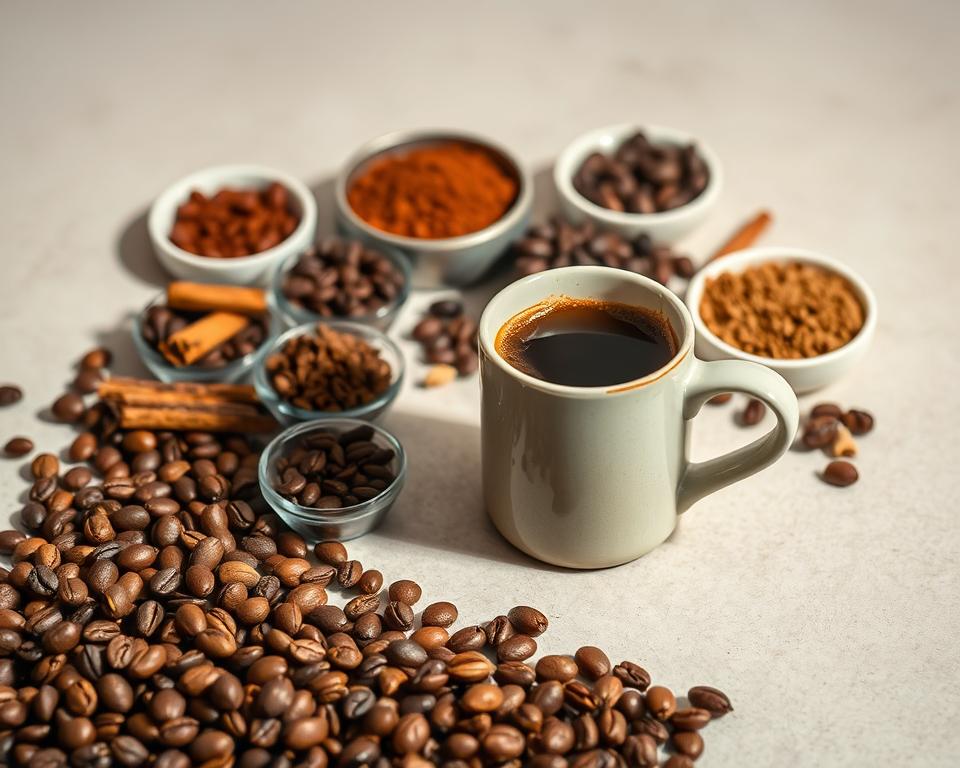
To get ready for a Guatemalan coffee tasting, you need to do a few important things. First, pick high-quality Guatemalan coffee beans. Look for ones from different places and made in different ways.
The place where you taste coffee is key. It should be fresh, quiet, and without smells that might mess up your taste buds.
| Preparation Step | Description | Importance |
|---|---|---|
| Selecting Coffee Beans | Choose beans from different regions and processing methods. | High |
| Preparing Tasting Environment | Ensure the space is clean, well-ventilated, and quiet. | High |
| Understanding Coffee Tasting Notes | Familiarize yourself with common tasting notes like fruit, chocolate, and spices. | Medium |
| Recording Sensory Notes | Take notes on the sensory attributes of each coffee, such as aroma, flavor, and body. | High |
By following these steps and paying attention to the sensory notes of Guatemalan coffee, you can make your coffee tasting better. You’ll learn to love the unique tastes of coffee from different places.
The Coffee Cupping Process for Guatemalan Varieties
To truly experience Guatemalan coffee, you need a detailed coffee cupping guide. Coffee cupping is a method to evaluate coffee’s taste, acidity, and body.
The first step is preparing the coffee samples. For Guatemalan coffee, use freshly roasted beans and grind them just before tasting.
- Fragrance evaluation: Assess the aroma of the dry coffee grounds.
- Flavor evaluation: Taste the coffee to identify its flavor notes.
- Acidity assessment: Evaluate the coffee’s acidity, which contributes to its brightness.
- Body assessment: Determine the coffee’s body, which refers to its texture and weight in the mouth.
Guatemalan coffee has a complex flavor profile. It often includes notes of chocolate, caramel, and fruits. The cupping guide helps spot these details.
By following this process, coffee lovers can better appreciate Guatemalan coffee’s unique qualities and flavor.
How to Identify Sensory Notes in Guatemalan Coffee
Understanding sensory notes in Guatemalan coffee is complex. It requires knowing its unique taste. Guatemalan coffee is known for its balanced acidity and rich flavor. It can taste like chocolate, caramel, and various fruits.
To learn about these complex tastes and smells, coffee lovers can use several tools and methods. One great way is to use flavor wheels and reference charts during tasting.
Using Flavor Wheels and Reference Charts
Flavor wheels are circular diagrams that show coffee’s flavor profiles. They help tasters find the specific notes they smell or taste. Reference charts give detailed descriptions of flavors and smells. They act as guides for coffee tasters.
By using these tools, people can better enjoy their tasting experience Guatemalan coffee. They can also get better at spotting sensory notes.
- Start by getting to know the flavor wheel and reference chart.
- During tasting, pay attention to the coffee’s aroma, acidity, and body.
- Use the flavor wheel to find the specific flavor notes you notice.
- Look at the reference chart to learn about the flavors you’ve found.
By following these steps and practicing often, you can get better at tasting coffee. You’ll also appreciate the complex flavors of Guatemalan coffee more.
Regional Flavor Profiles in Guatemalan Coffee
Guatemala’s varied geography leads to different coffee flavors. It’s a treasure trove for coffee lovers. The country is split into several areas, each with its own special soil and climate. These factors shape the coffee’s taste.
Antigua is famous for its balanced coffee. It tastes like chocolate and spice. The area’s volcanic soil and mild weather make the coffee smooth and refined.
Huehuetenango, on the other hand, offers coffee with a zesty taste and fruity hints. The high altitude and dry air here add to the coffee’s complexity. You’ll find notes of citrus and berries.
The different regions in Guatemala create unique coffee flavors. Here’s a quick guide:
| Region | Flavor Profile | Notable Characteristics |
|---|---|---|
| Antigua | Balanced, chocolate, spice | Volcanic soil, mild climate |
| Huehuetenango | Bright acidity, fruity, citrus | High altitude, dry climate |
| Atitlán | Floral, honey, balanced acidity | Lake region, rich soil |
Knowing about these regional flavors is key for coffee fans. It helps them enjoy Guatemalan coffee’s rich and varied aromas. Each region brings its own special taste to the table.
Advanced Techniques for Sensory Evaluation
Advanced sensory evaluation techniques are key to uncovering the complex flavors of Guatemalan coffee. To truly enjoy Guatemalan coffee, one must use a detailed and multi-faceted approach.
This means tasting, smelling, and looking at the coffee. The aromatic qualities of Guatemalan coffee beans are a big part of their sensory profile. By focusing on these qualities, you can understand the coffee’s quality and characteristics better.
To improve your sensory skills, regular practice is a must. A good exercise is to taste different Guatemalan coffees side by side. Note the differences in their aromatic qualities and flavor profiles.
- Identify the dominant flavor notes in each coffee.
- Compare the acidity levels across different samples.
- Evaluate the body and mouthfeel of each coffee.
Through these exercises, you can get better at noticing the subtle differences between Guatemalan coffees. This will improve your overall sensory evaluation skills.
Common Mistakes to Avoid When Evaluating Guatemalan Coffee
To truly appreciate Guatemalan coffee, knowing common pitfalls is key. It’s about understanding its unique sensory notes. These can be missed if not evaluated correctly.
One big mistake is not using the right tools for tasting. This means having a good cupping table and fresh, quality cups. Another error is ignoring the coffee’s smell and aroma. These are vital for understanding its flavor.
| Common Mistake | Impact on Evaluation | Solution |
|---|---|---|
| Not using proper equipment | Inaccurate flavor profile | Use a well-designed cupping table and fresh cups |
| Ignoring fragrance and aroma | Missing key sensory notes | Pay close attention to fragrance and aroma during evaluation |
| Rushing the evaluation process | Incomplete assessment of sensory notes | Take time to thoroughly evaluate each coffee sample |
By knowing these common mistakes and avoiding them, you can get a better sense of Guatemalan coffee’s unique tastes.
Conclusion: Mastering the Art of Guatemalan Coffee Sensory Evaluation
Learning to evaluate Guatemalan coffee is a journey. It takes practice, patience, and dedication. By understanding Guatemalan coffee’s unique character and following a coffee cupping guide, you can improve your skills.
Guatemalan coffees have distinct flavors, from chocolatey to fruity. The wet processing method makes the flavors sweeter and clearer. To learn more, check out coffee flavor guides for more insights.
As you keep practicing, you’ll get better at noticing the subtle flavors in Guatemalan coffee. This will make you appreciate coffee more and enhance your tasting experience.