
Guatemala’s coffee industry is changing fast thanks to new tech. These changes make making and sending coffee better. This helps Guatemalan coffee makers compete worldwide.
Technology is making coffee better and easier to track. From the farm to your cup, new tech is making things smoother. It’s also making the coffee buying experience better for everyone.
Now, Guatemala’s coffee is more competitive and of high quality. This is good for the farmers and helps the country’s economy grow.
The Current State of Guatemala’s Coffee Export Industry
Guatemala’s coffee export industry is at a turning point. It faces both challenges and opportunities in the global market. Known for high-quality coffee, Guatemala needs to modernize and use new technologies to stay ahead.
The industry mixes old farming ways with new tech. Some farms use digital tools for managing and selling coffee. But, many still stick to traditional methods. This mix offers both hurdles and chances for growth.
Guatemala’s coffee industry struggles with a lack of digital tools in its supply chain. Digital platforms can make tracking coffee easier and more transparent. This can cut costs, improve quality, and help farmers sell directly to buyers.
New solutions are being tried to tackle these issues. Blockchain, digital trade platforms, and quality control tech are being explored. These innovations could make Guatemala’s coffee more competitive and sustainable.
There’s a big chance for growth with these changes. Guatemala can boost its global coffee standing and help make the industry fairer and greener. How well the industry adapts will shape its future.
Coffee Export Technological Innovations Transforming Guatemala’s Industry
Innovative technologies are changing how Guatemala’s coffee is made, processed, and sent out. The country’s coffee, famous for its high-quality Arabica beans, is using new methods to compete worldwide.
Advanced farming techniques are a big change. Precision agriculture uses GPS, drones, and satellite images. It helps farmers check on crops, spot problems early, and manage water better. This boosts yields and cuts down on environmental harm.
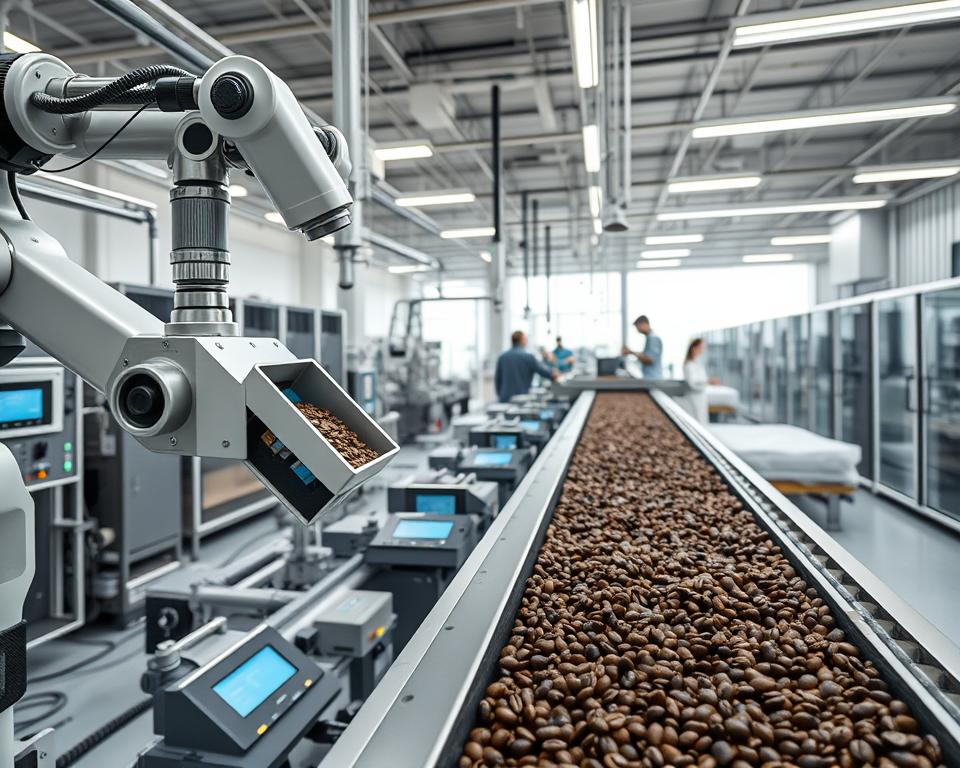
Processing coffee is also getting a tech boost. Modern plants in Guatemala are using automation and robots. These tools help make top-quality coffee beans that meet global standards.
Logistics are getting a tech upgrade too. New systems are making it easier to move coffee from farms to export points. They use real-time tracking, keep coffee at the right temperature, and find the best routes. This cuts down on costs and time.
These tech changes are making Guatemala’s coffee industry better and greener. It’s adopting eco-friendly ways and cutting waste. This attracts buyers who care about the planet.
Data analytics are also playing a big role. They help understand what buyers want and what’s trending. This info helps farmers decide how much to make, what quality to aim for, and how to market it.
In short, Guatemala’s coffee export industry is changing fast thanks to new tech. By using the latest methods, it’s staying ahead in the global market. It’s also becoming more sustainable and competitive.
Implementing Blockchain Technology for Coffee Traceability
Blockchain technology is becoming more popular in Guatemala’s coffee export sector. It helps improve traceability and transparency. This digital change makes the coffee supply chain more trustworthy, from growing to exporting.
Blockchain’s main advantage is its decentralized, unchangeable ledger. This ensures the coffee’s authenticity. For Guatemala’s coffee, it builds trust with consumers and stakeholders.
Choosing the right blockchain platform is key for coffee traceability. You need to think about scalability, security, and compatibility. A study on blockchain-based traceability systems in coffee supply chains can help.
Data Points to Track in Your Coffee Supply Chain
To get the most from blockchain, pick the right data to track. This includes origin, quality, processing, and transport. Here’s a table with important data points and why they matter.
| Data Point | Significance |
|---|---|
| Origin | Verifies the coffee’s source, impacting flavor profile and quality. |
| Quality Ratings | Influences market value and consumer trust. |
| Processing Methods | Affects the coffee’s taste and quality, crucial for specialty coffee. |
| Transportation Details | Ensures accountability and traceability throughout the supply chain. |
By using blockchain and picking the right data, Guatemala’s coffee can become more transparent and trusted. This helps modernize coffee export processes.
Building Digital Platforms for Direct Trade Connections
Innovative digital tools are changing Guatemala’s coffee export industry. They help create direct trade relationships. These platforms connect coffee producers with buyers worldwide, cutting out middlemen and making deals smoother.
These digital tools let Guatemala’s coffee farmers get better prices and make more money. They also help farmers build strong ties with buyers. This model is good for farmers and buyers alike, as it means better coffee for everyone.
Key features of these platforms include online marketplaces and real-time pricing. They also offer tools for checking coffee quality and getting certifications. These features make trading easier and more open.
For example, online marketplaces let farmers sell their coffee to buyers all over the world. This is a big chance for small farmers in Guatemala to reach more customers and grow their exports.
In short, digital platforms for direct trade are a big step forward for Guatemala’s coffee industry. As the industry keeps growing, we’ll see even more changes thanks to new digital tools.
Implementing Quality Control Technologies for Export Preparation
Quality control technologies are key for Guatemalan coffee to shine globally. They make sure coffee beans are top-notch for export. This boosts their quality and appeal on the market.
Advanced moisture meters are a big help. They accurately check the moisture in coffee beans. This is vital for keeping quality up during storage and shipping.
Moisture Meters and Sample Roasters
Moisture meters stop mold and spoilage by drying beans just right. Sample roasters let producers test small batches. They check flavor and quality before roasting more.
Sample roasters help control roasting for the perfect taste. This is key for consistent quality in big export batches.
Spectroscopy and Digital Flavor Profiling Tools
Spectroscopy analyzes coffee beans’ chemical makeup. It reveals flavor and quality details. Digital flavor tools add to this by making detailed taste profiles.
Together, these tools give Guatemalan coffee producers a way to share coffee quality and flavor with buyers worldwide. This builds trust and satisfaction.
| Technology | Function | Benefit |
|---|---|---|
| Moisture Meters | Measure moisture content | Prevents mold and spoilage |
| Sample Roasters | Roast small batches for quality assessment | Ensures flavor consistency |
| Spectroscopy | Analyze chemical composition | Provides detailed quality insights |
| Digital Flavor Profiling Tools | Create detailed flavor profiles | Enhances buyer trust and satisfaction |
Guatemalan coffee exporters use these technologies to improve their coffee’s quality and appeal. This meets international standards and buyer expectations.
Optimizing Logistics with Transportation Innovations
Transportation innovations are changing the game for Guatemala’s coffee export industry. New technologies are making the process more efficient, cutting costs, and speeding up delivery times.
Real-time tracking systems are a big deal. They let coffee exporters keep an eye on their shipments as they move. This helps them plan better and react fast to any issues. It’s a key part of the “innovative coffee trade solutions” making waves in the industry.
Digital freight forwarding platforms are another game-changer. They link coffee exporters straight with transport providers. This makes the logistics smoother and cuts down on costs from middlemen. It’s a big part of the “digital transformation in coffee supply” happening now.
| Transportation Innovation | Impact on Logistics | Benefits |
|---|---|---|
| Real-time Tracking Systems | Enhanced monitoring of shipments | Better planning, quicker response to disruptions |
| Digital Freight Forwarding Platforms | Streamlined logistics process | Reduced costs, increased efficiency |
| Optimized Route Planning | Reduced transportation costs | Lower emissions, faster delivery times |
Optimized route planning is also key. It uses data on traffic, road conditions, and more to find the best routes. This cuts down on costs, reduces emissions, and speeds up delivery.
These innovations together make the coffee export supply chain stronger and more efficient. As Guatemala keeps adopting these technologies, the industry is set for more growth and success in the global market.
Leveraging Data Analytics for Market Intelligence
Data analytics is changing how Guatemala’s coffee exporters see market trends and what consumers like. They use advanced tools to get insights into the global coffee market. This helps them make better choices.
The coffee supply chain has created a lot of data, from start to finish. Data analytics sorts through this info. It finds trends, predicts demand, and makes supply chains more efficient.
Using data analytics helps exporters understand what consumers want. They can adjust their products to fit the needs of different markets.
Technologies like blockchain and digital platforms are also influenced by data analytics. These tools, with data analytics, give a full view of the market. They help find new chances.
Data analytics also lets exporters keep an eye on competitors and trends in real-time. This is key for making competitive plans and keeping up with the global market.
In short, using data analytics for market insight is changing Guatemala’s coffee export game. By using data, exporters can get ahead, make smarter decisions, and help Guatemala’s economy grow.
Securing Funding and Support for Technological Adoption
To fully leverage technological innovations, Guatemala’s coffee export industry must secure robust funding and support mechanisms. Modernizing coffee export processes is crucial for enhancing efficiency, quality, and competitiveness in the global market.
The adoption of innovative tools for coffee trade, such as blockchain technology and data analytics, requires significant investment. Various funding sources are available, including government grants, international organizations, and private investors.
| Funding Source | Description | Potential Benefits |
|---|---|---|
| Government Grants | Financial assistance provided by government agencies to support industry development. | Enhanced infrastructure, technology adoption |
| International Organizations | Funding and technical assistance from global entities focused on trade and development. | Access to global best practices, networking opportunities |
| Private Investors | Investment from private entities seeking returns through industry growth. | Capital infusion, expertise, and market access |
Government initiatives play a vital role in supporting the coffee export industry. Programs aimed at technological adoption, quality improvement, and market access can significantly benefit exporters.
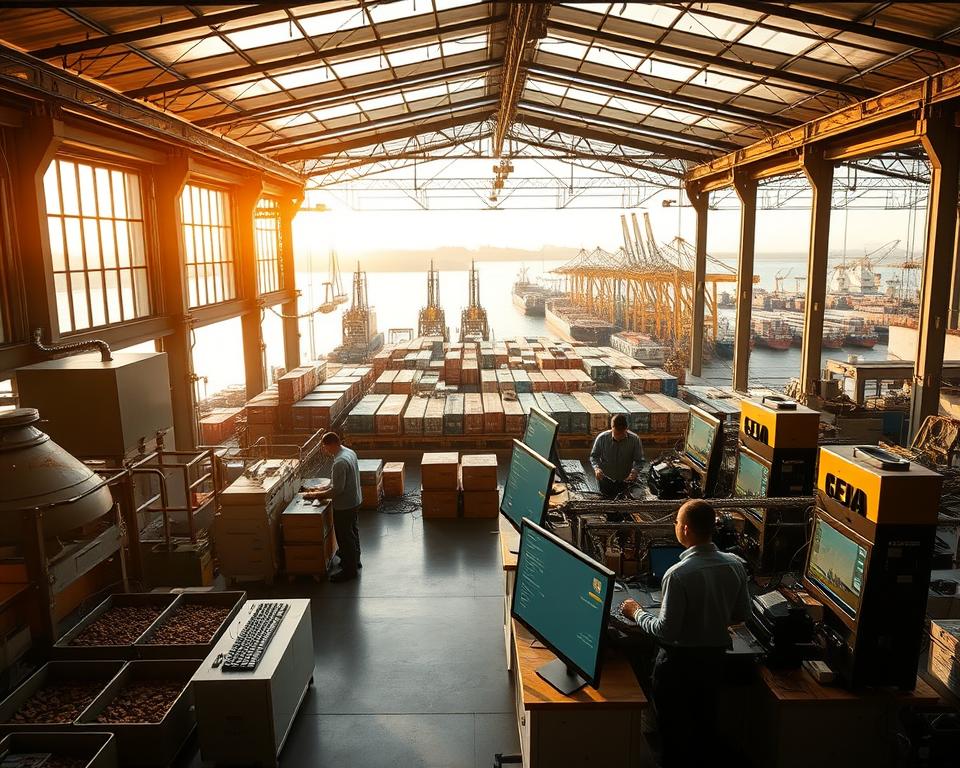
Strategies for garnering stakeholder support include building partnerships with technology providers, engaging with financial institutions, and participating in industry forums to raise awareness about the benefits of technological innovations.
By securing funding and support, Guatemala’s coffee export industry can accelerate its modernization efforts, improve competitiveness, and achieve sustainable growth.
Conclusion: The Future of Technological Innovation in Guatemala’s Coffee Exports
Guatemala’s coffee export industry is ready for more growth. It will use new technologies and smart practices. This includes blockchain and data analytics, changing how coffee is supplied digitally.
As the industry grows, we’ll see more new ideas. These will make Guatemala’s coffee better, more efficient, and sustainable. With everyone’s help, Guatemala’s coffee will stay strong in the world market.
The outlook for Guatemala’s coffee exports is good. Technology will help the industry grow and succeed. By going digital, the coffee industry can have a bright and lasting future for everyone involved.