
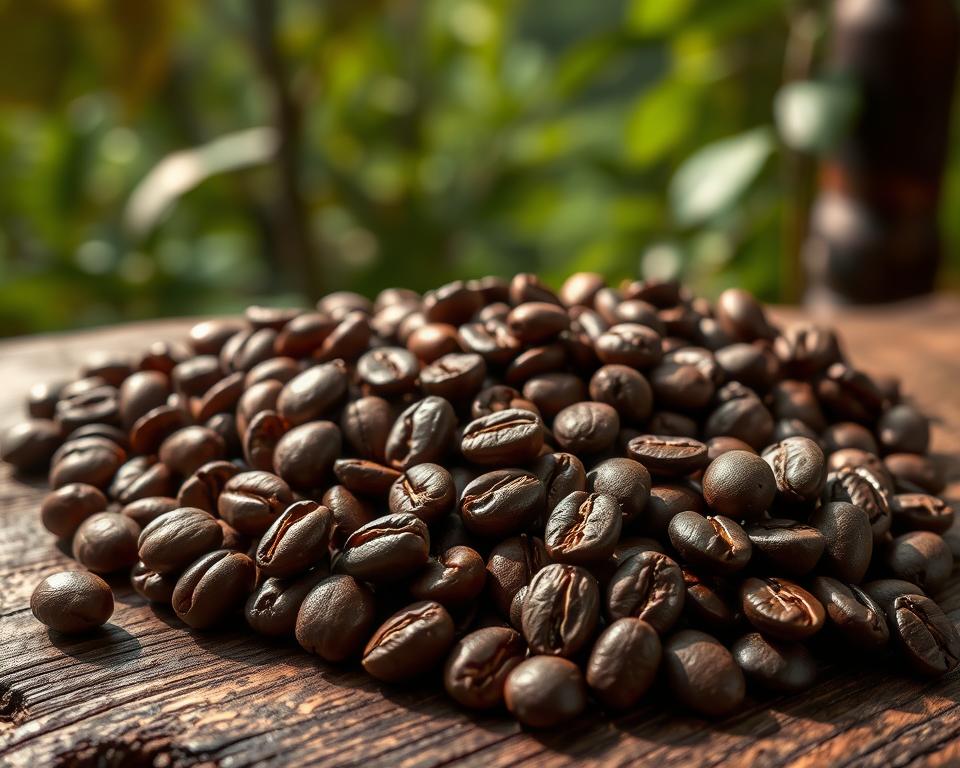
Guatemalan coffee is famous for its unique taste. This is thanks to the country’s special terroir and coffee culture. The different areas in Guatemala, from highlands to volcanic slopes, add to the coffee’s complex flavors.
The coffee grows in rich volcanic soil, gets enough rain, and is carefully grown. This makes the coffee not only high quality but also full of flavor. This sets the stage for looking into what makes Guatemalan coffee so special, especially for coffee lovers.
The Unique Character of Guatemalan Coffee
Guatemalan coffee is known for its rich taste and unique flavors. It comes from different regions, like Antigua, Huehuetenango, and Atitlán. Each area has its own taste due to altitude, soil, and climate.
Guatemalan coffee is loved for its balanced acidity and smooth texture. It has flavors of chocolate, caramel, and fruit, with a touch of spice. This mix comes from the country’s varied land and careful farming.
The climate and soil in Guatemala also shape its coffee. The rich volcanic soil gives the coffee a deep flavor and a unique taste. This makes Guatemalan coffee a favorite for those who enjoy specialty coffee.
Understanding Complex Flavors in High-End Coffee
Guatemalan coffee is famous for its complex flavors. It’s a favorite among coffee lovers everywhere. The different regions in Guatemala add to the coffee’s unique taste.
High-end coffee has many flavors, like fruity and floral notes. You might also taste chocolate and caramel. In Guatemalan coffee, each region has its own taste. Antigua coffee is known for its balanced taste and chocolatey notes. Huehuetenango coffee is bright and fruity.
Coffee lovers enjoy Guatemalan coffee for its rich flavors. The coffee’s taste comes from how it’s grown, picked, and processed. This makes each cup special.
- Flavor notes can include citrus, berries, and wine, depending on the processing method.
- The terroir of the coffee, including soil and climate, plays a significant role in the development of complex flavors.
- High-end coffee roasters often highlight the unique characteristics of Guatemalan coffee through careful roasting techniques.
In conclusion, Guatemalan high-end coffee is highly sought after. Its unique terroir and careful processing make it a luxury experience. It’s unlike any other coffee.
The Science Behind Coffee Flavor Development
Learning about the science of coffee flavor is key to enjoying Guatemalan coffee’s rich taste. The unique taste of Guatemalan coffee comes from a mix of coffee bean chemistry, roasting, and brewing.
Coffee bean chemistry is important for flavor. Sugars, acids, and lipids in the beans affect the taste. Roasting also plays a big role, creating new flavors through the Maillard reaction.
By mastering these elements, coffee makers can bring out Guatemalan coffee’s famous flavors.
Altitude: Guatemala’s Secret Weapon for Flavor Complexity
The varied altitudes in Guatemala add to the unique flavors of its coffee. The country’s coffee-growing areas range from 1,500 to over 2,000 meters high.
Higher altitudes mean coffee cherries mature slower, leading to complex flavors. The cooler temperatures and cloudier atmosphere slow down ripening. This slow process helps sugars and acids develop evenly in the coffee cherry.
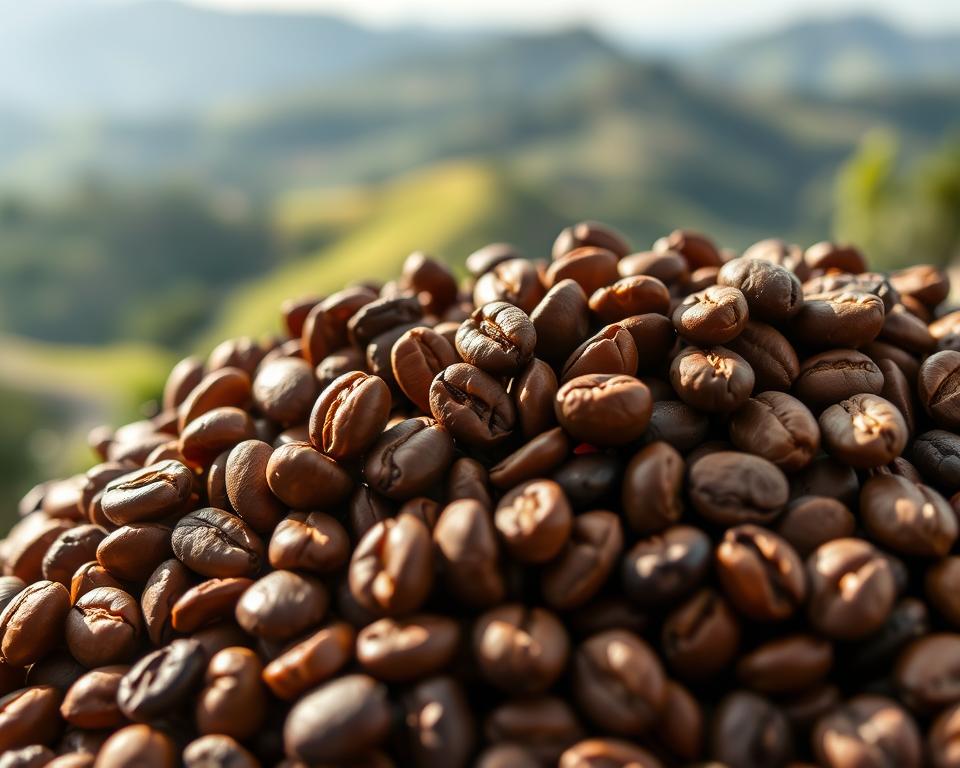
Altitude greatly affects coffee flavor. Coffees from higher altitudes have brighter acidity and more nuanced tastes. These are different from those grown at lower altitudes.
| Altitude Range (meters) | Flavor Profile Characteristics |
|---|---|
| 1,500 – 1,800 | Bald acidity, fruit notes |
| 1,800 – 2,000 | Balanced acidity, floral and wine notes |
| 2,000+ | Bright acidity, complex floral and fruit notes |
Guatemala’s best coffee beans come from areas above 1,800 meters. The rich volcanic soil, enough rain, and high altitudes make it perfect for quality coffee.
Soil and Terroir: Foundation of Complex Flavors in High-End Coffee
Soil and terroir are key in creating the complex flavors in top-notch Guatemalan coffee. Guatemala’s varied landscape, with volcanoes, mountains, and valleys, shapes the coffee’s taste. This diversity affects the coffee’s flavor profile.
Guatemalan coffee is famous for its balanced acidity and rich taste. These qualities come from the country’s soil types. Mainly, volcanic ash soils and clay-loam soils are found. Volcanic ash soils are mineral-rich, while clay-loam soils keep moisture and add body to the coffee.
The terroir, or the environment where coffee grows, also shapes its flavor. Altitude, sunlight, and rainfall vary by region. These differences create unique flavors in coffees from different areas.
| Region | Soil Type | Flavor Profile |
|---|---|---|
| Antigua | Volcanic Ash | Rich, chocolatey, with hints of spice |
| Huehuetenango | Clay-Loam | Fruity, with notes of citrus and berries |
| Atitlán | Mixed Volcanic and Clay | Balanced, with floral and fruit notes |
The variety in soil and terroir makes Guatemalan coffee special. It’s loved by coffee lovers all over the world for its complex flavors and unique blends.
Harvesting and Processing Techniques That Enhance Complexity
The art of harvesting and processing coffee beans is key to creating complex flavors in Guatemalan coffee. The methods used during these stages greatly affect the coffee’s taste.
Washed Processing
Washed processing removes the skin and pulp of the coffee cherry before drying. This method produces coffee with bright acidity and a clean, nuanced flavor. Guatemalan coffee makers often use it to highlight the coffee’s natural acidity and complex flavors.
Honey and Natural Processing
Honey and natural processing leave some or all of the fruit on the coffee during drying. This adds a sweeter flavor. Honey processing leaves some pulp on, creating a balanced coffee with a hint of sweetness. Natural processing, where the coffee dries in its fruit, results in a fruitier and sweeter taste. Both methods are used in Guatemala to create complex flavors.
Experimental Fermentation Techniques
Guatemalan coffee producers are trying new fermentation techniques to add complexity to their coffee. By controlling fermentation, they create unique flavors that are both complex and distinct.
| Processing Method | Flavor Profile | Acidity Level |
|---|---|---|
| Washed | Clean, nuanced | Bright |
| Honey | Balanced, sweet | Medium |
| Natural | Fruity, sweet | Low |
In conclusion, Guatemalan coffee producers’ harvesting and processing techniques are crucial for complex flavors in their high-end coffee. Using methods like washed, honey, and natural processing, along with experimental fermentation, they create a variety of complex flavors. These showcase the unique qualities of Guatemalan gourmet coffee beans.
How Roasting Unlocks Complex Flavors in Guatemalan Beans
Guatemalan coffee is famous for its rich taste. Roasting brings out its unique flavors. This process is key to showing off Guatemalan coffee’s high quality and distinct tastes.
Light Roasts: Highlighting Acidity and Floral Notes
Light roasts keep the coffee’s natural acidity and floral notes. Guatemalan coffee, when roasted lightly, stays bright and shows off its floral hints. These hints are a big part of its terroir.
Medium Roasts: Balancing Sweetness and Complexity
Medium roasts find a middle ground between acidity and body. They offer a mix of flavors, including chocolate and fruit. This level is loved for Guatemalan coffee because it balances sweetness and keeps the acidity.
Dark Roasts: Developing Body and Chocolate Notes
Dark roasts have a fuller body and deeper flavors, with lots of chocolate notes. Guatemalan coffee roasted dark has a rich, velvety body and deep flavors. It’s great for those who like a strong cup.
| Roast Level | Flavor Profile | Body |
|---|---|---|
| Light | Bright acidity, floral notes | Light body |
| Medium | Balanced acidity, chocolate, fruit notes | Medium body |
| Dark | Deep flavors, chocolate notes | Full body |
The roasting process is vital for Guatemalan coffee’s complex flavors. Knowing how roast levels affect flavor helps coffee lovers enjoy Guatemalan specialty roast coffee more.
Brewing Methods That Best Showcase Complex Flavors
The art of brewing Guatemalan coffee is all about choosing the right method. This coffee is known for its balanced acidity and rich body. The right brewing technique can make this luxury coffee experience even better.
Several brewing methods can highlight the complex flavors in Guatemalan coffee. Pour-over, French press, and Aeropress are favorites among coffee lovers. They offer unique ways to enjoy Guatemala’s premium coffee selection.
Water Quality Considerations
Water quality is key in brewing coffee. Using filtered water without impurities can greatly affect the taste. The best water temperature is between 195°F and 205°F. This helps extract the right amount of coffee solids.
Grind Size and Extraction
The grind size of the coffee beans is also crucial. A grind that’s too fine can make the coffee bitter. On the other hand, a grind that’s too coarse can make it weak. For Guatemalan coffee, a medium to medium-fine grind is best.
Temperature control is essential in brewing coffee. The right brewing temperature brings out the complex flavors without burning the coffee. Keeping the temperature consistent ensures a balanced flavor.
By choosing the right brewing method, adjusting the grind size, and controlling the water temperature, you can fully enjoy Guatemalan coffee’s complex flavors. This attention to detail makes the coffee experience luxurious.
How to Taste and Identify Complex Flavors in Guatemalan Coffee
Guatemalan coffee is loved for its deep flavors. It’s a hit among coffee lovers. To enjoy these top-rated coffee beans, knowing how to taste them is key.
Fragrance and Aroma Evaluation
Start by smelling the coffee. Guatemalan coffee often smells floral and fruity. This sets the stage for tasting.
Identifying Flavor Notes
When you taste, look for flavor notes. Guatemalan coffee might taste like chocolate, caramel, or nuts. These add to its complexity.
Assessing Body and Mouthfeel
Next, feel the coffee’s body and mouthfeel. Guatemalan coffees are usually medium to full-bodied. They feel creamy or silky.
Recognizing Acidity Types
Notice the acidity type. Guatemalan coffee often has a bright, citrusy acidity. This adds a lively touch to the taste.
Appreciating the Finish
Lastly, enjoy the finish. A long finish means the coffee is complex. It leaves a lasting taste on your tongue.
By following these steps, coffee lovers can better enjoy Guatemalan coffee’s unique tastes and flavors.