
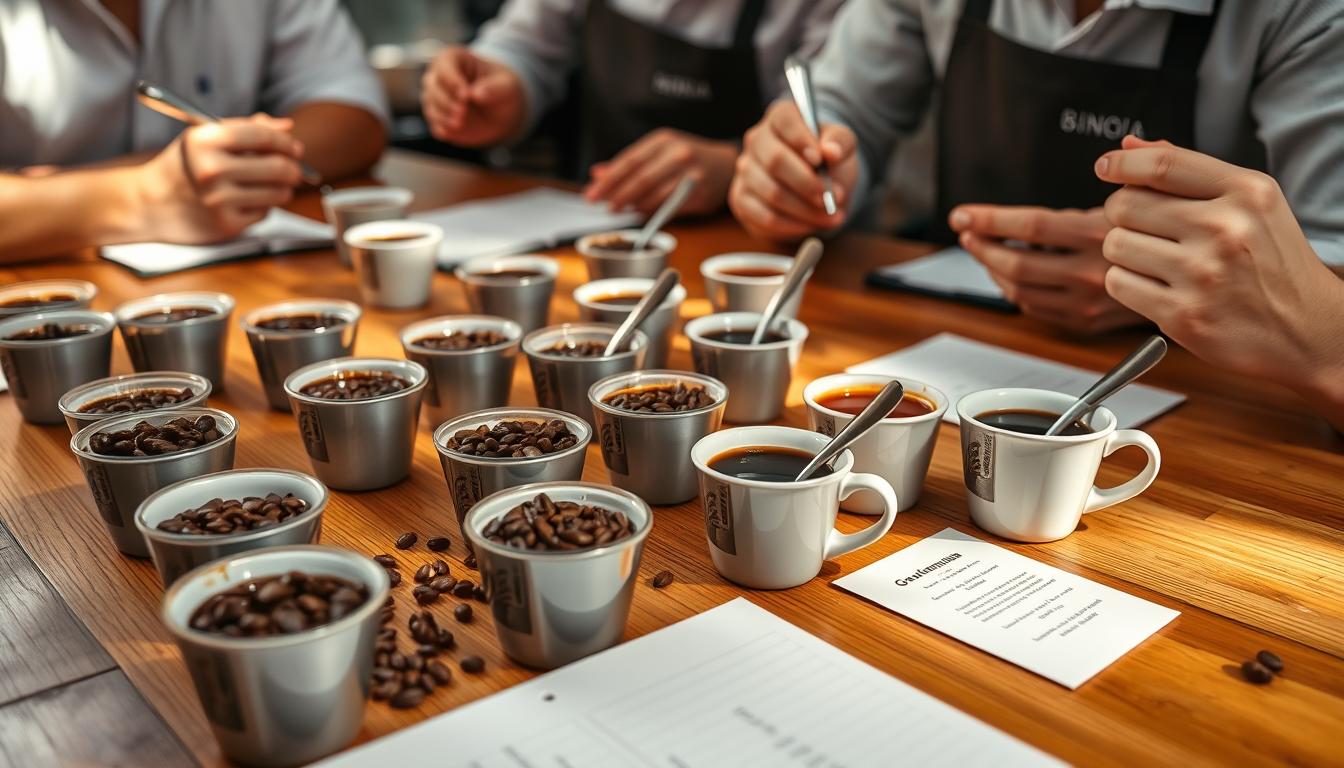
The Sensory Journey of Guatemalan Coffee Tasting
Tasting Guatemalan coffee is a multi-sensory experience that engages all your senses. Professional tasters, known as Q Graders, evaluate coffee through a systematic process called cupping. But you don’t need certification to appreciate the nuances of Guatemalan beans—just a curious palate and attention to detail.
Evaluating Aroma
The journey begins before you take a sip. Freshly ground Guatemalan coffee releases aromatic compounds that offer the first clues to its character. Cup your hands around the warm mug and inhale deeply. Depending on the region, you might detect:
- Floral notes like jasmine or honeysuckle (common in Huehuetenango beans)
- Fruity aromas reminiscent of citrus, berries, or stone fruits (prevalent in Atitlán)
- Rich chocolate and caramel scents (characteristic of Antigua)
- Nutty fragrances with hints of almond or walnut (found in Nuevo Oriente)
Assessing Acidity
Acidity in coffee doesn’t mean sourness—it refers to the bright, lively sensation that gives coffee its vibrancy. Guatemalan coffee is renowned for its bright acidity, which varies by region:
- Huehuetenango: Bright, wine-like acidity with crisp apple notes
- Antigua: Balanced, medium acidity with chocolate undertones
- Atitlán: Vibrant citrus acidity that sparkles on the palate
- Fraijanes: Bold, pronounced acidity that makes the coffee “pop”
Exploring Body and Mouthfeel
Body refers to the weight and texture of coffee on your palate. Is it light and tea-like, or rich and syrupy? Guatemalan coffees typically offer a medium to full body, with variations by region:
- Antigua and Acatenango: Velvety, smooth body with silky texture
- Cobán: Rich, full body with a creamy mouthfeel
- Nuevo Oriente: Medium body with a smooth, buttery sensation
Identifying Flavor Notes
The flavor profile is where Guatemalan coffee truly shines. As you sip, notice how flavors evolve from first taste to finish:
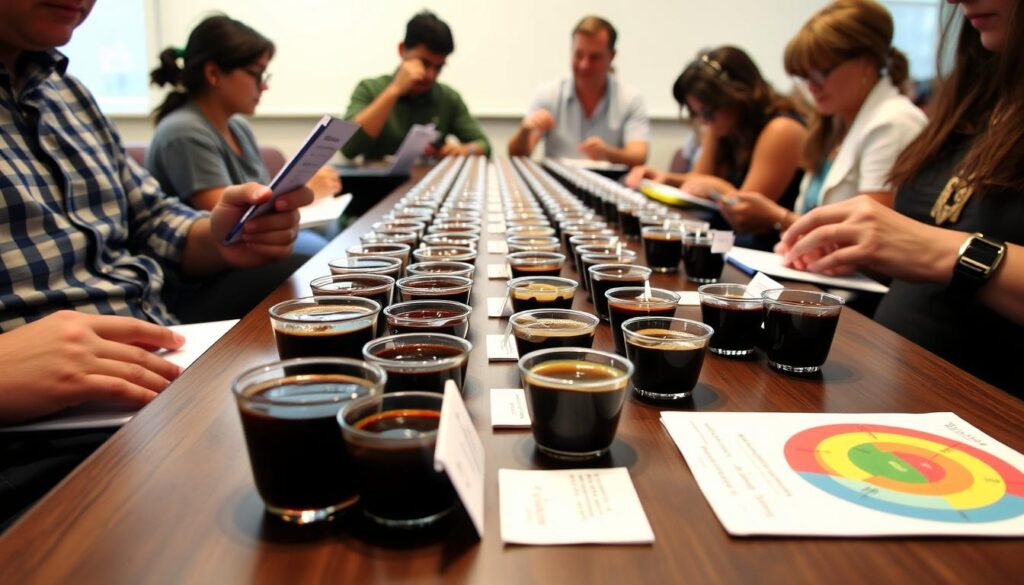
- Initial flavors: Often fruity or floral, especially in highland regions
- Mid-palate: Chocolate, caramel, or nutty notes develop
- Finish: Lingering sweetness with subtle spice notes
Appreciating Aftertaste
A quality Guatemalan coffee leaves a pleasant aftertaste that persists long after swallowing. This “finish” might be sweet and clean or complex and evolving. The volcanic soil often contributes mineral notes that add depth to the finish.
How Geography Shapes Guatemalan Coffee Flavor
Guatemala’s unique geography creates ideal conditions for exceptional coffee. Understanding these factors helps you appreciate why Guatemalan coffee tastes the way it does.
The Altitude Effect
Coffee grown at higher elevations develops more slowly, allowing more complex sugars and acids to form within the bean. Most premium Guatemalan coffee grows between 1,200-2,000 meters above sea level, with distinct characteristics at different heights:
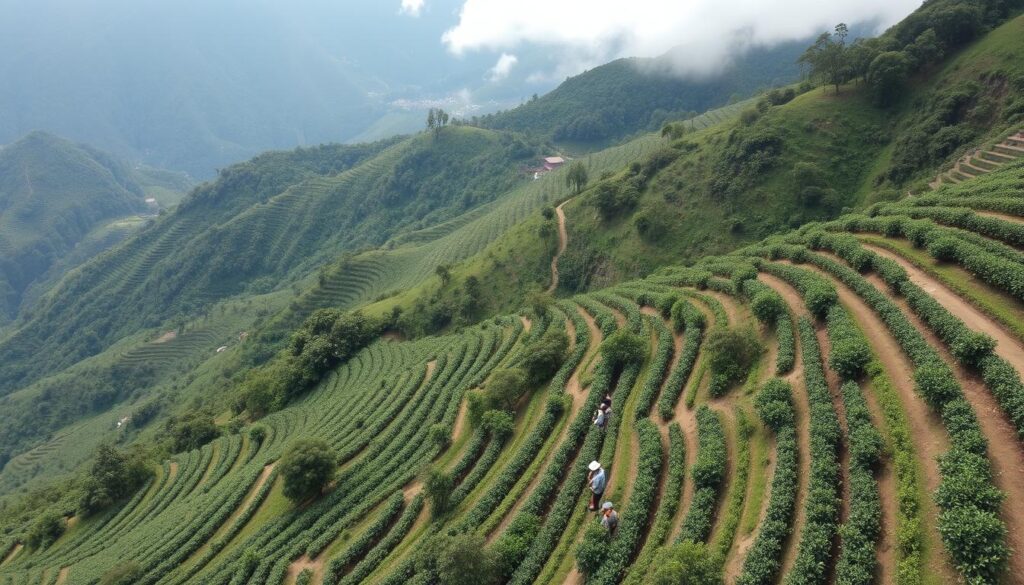
- 1,200-1,400m: Fuller body, pronounced chocolate notes
- 1,400-1,600m: Balanced profile with caramel sweetness
- 1,600-2,000m: Bright acidity, complex fruit notes, floral aromatics
Volcanic Soil’s Influence
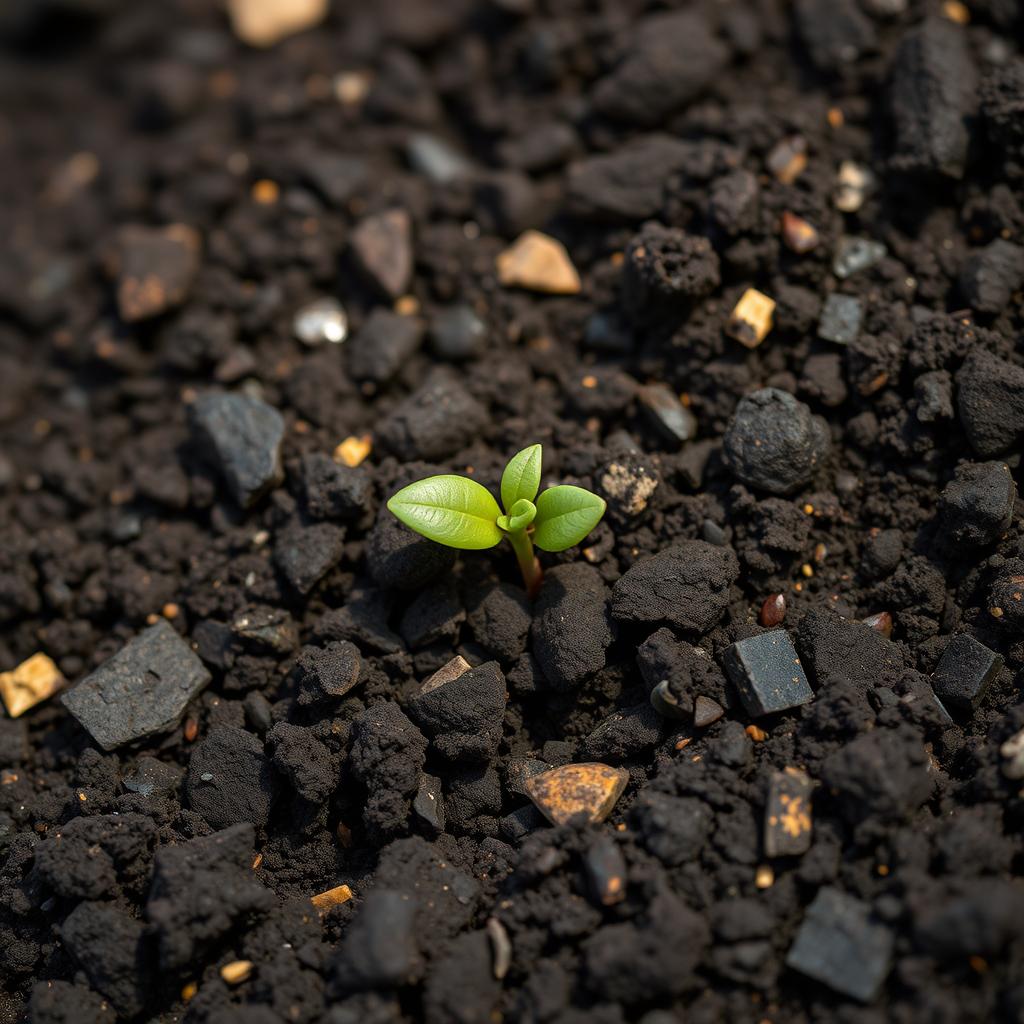
Guatemala’s coffee-growing regions surround over 30 volcanoes, whose mineral-rich soil imparts distinctive characteristics to the beans:
- Iron and phosphorus contribute to body and complexity
- Potassium enhances sweetness and fruit notes
- Nitrogen promotes healthy plant growth and flavor development
- Mineral content creates the distinctive “Guatemalan profile” prized by specialty roasters
Regional Flavor Profiles
Guatemala has eight distinct coffee-growing regions, each with its own flavor signature:
| Region | Altitude | Key Flavor Notes | Body | Acidity |
| Antigua | 1,400-1,600m | Chocolate, spice, smoke | Full, velvety | Medium, balanced |
| Huehuetenango | 1,500-2,000m | Floral, red fruit, honey | Medium | Bright, wine-like |
| Atitlán | 1,400-1,800m | Citrus, stone fruit, floral | Medium-full | Vibrant, citrusy |
| Cobán | 1,300-1,500m | Spice, fruit, chocolate | Full, creamy | Medium |
| Fraijanes | 1,400-1,800m | Dark chocolate, bold | Full | High, pronounced |
Brewing Guides for Guatemalan Coffee
Different brewing methods highlight various aspects of Guatemalan coffee. Here are optimized techniques for bringing out the best in your beans.
Pour-Over Method (V60/Hario)
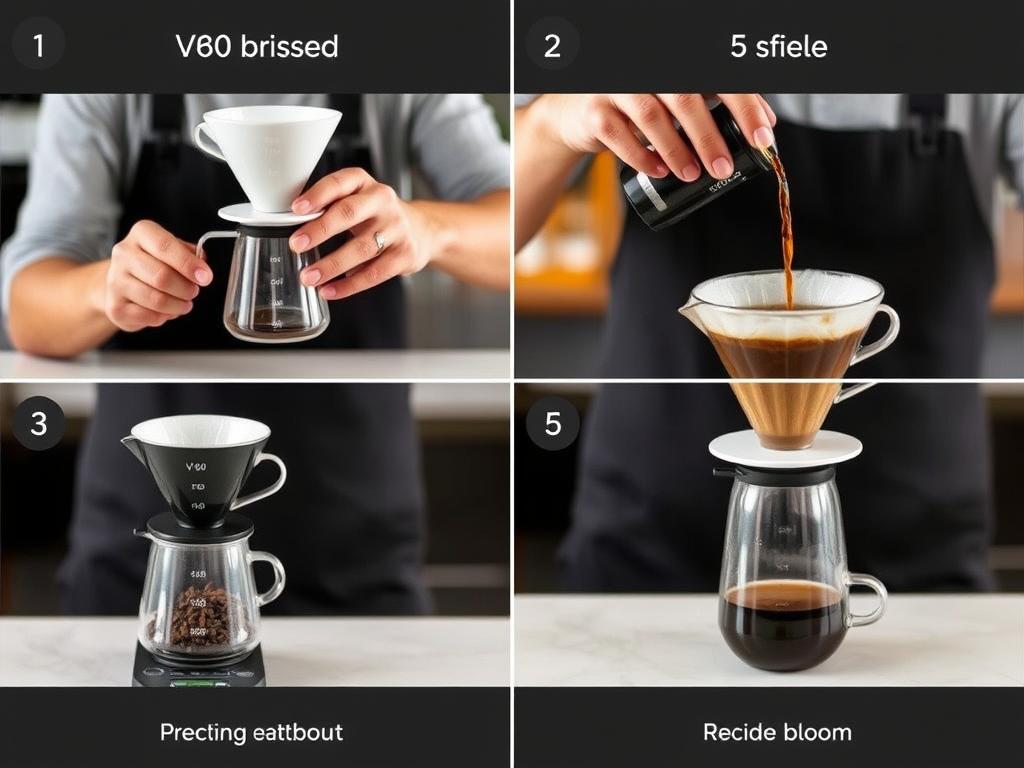
Pour-over brewing highlights the bright acidity and complex flavors of Guatemalan coffee, especially from Huehuetenango and Atitlán regions.
Equipment Needed:
- V60 or Hario dripper
- Paper filter
- Gooseneck kettle
- Digital scale
- Timer
- Freshly roasted Guatemalan coffee
Instructions:
- Grind 22g of coffee to medium-fine consistency (like sea salt)
- Rinse filter with hot water and discard rinse water
- Add ground coffee and create a small well in the center
- Start timer and pour 50g of water (205°F/96°C) for blooming
- At 30 seconds, slowly pour to 150g total, in spiraling motion
- At 1:15, pour to 250g total
- At 1:45, final pour to 350g total
- Aim for total brew time of 2:45-3:15
Chemex Method
The Chemex’s thicker filter produces an exceptionally clean cup that showcases the clarity and subtle notes in Guatemalan coffee from Antigua and Acatenango.
Equipment Needed:
- Chemex brewer
- Chemex filters
- Gooseneck kettle
- Digital scale
- Timer
- Freshly roasted Guatemalan coffee
Instructions:
- Grind 30g of coffee to medium-coarse consistency
- Fold filter and place in Chemex, rinse thoroughly with hot water
- Discard rinse water and add ground coffee
- Start timer and pour 60g of water (205°F/96°C) for blooming
- At 45 seconds, pour in slow spirals to 200g total
- At 1:30, pour to 350g total
- At 2:15, final pour to 500g total
- Allow all water to drain (total brew time 4:00-4:30)
AeroPress Method
The AeroPress is versatile and perfect for highlighting the full body and chocolate notes of coffees from Cobán and Nuevo Oriente regions.
Standard Method:
- Grind 17g coffee to medium-fine
- Place filter in cap and rinse
- Add coffee to inverted AeroPress
- Pour 220g water at 200°F/93°C
- Stir gently for 10 seconds
- Steep for 1:15 total
- Attach cap, flip, and press slowly
French Press Method
French press brewing accentuates the full body and rich mouthfeel of Guatemalan coffee, especially from Antigua and Fraijanes regions.
Instructions:
- Grind 30g coffee to coarse consistency
- Add coffee to preheated French press
- Pour 500g water at 200°F/93°C
- Stir gently to ensure all grounds are wet
- Place plunger on top (don’t press)
- Steep for 4 minutes
- Break crust, skim foam
- Press slowly and serve immediately

Professional Guatemalan Coffee Tasting Standards
Guatemala has developed rigorous standards for evaluating its coffee, with a national cupping protocol that helps maintain quality and consistency.
Farmer Participation in Tasting Competitions
Guatemalan farmers actively participate in tasting competitions that showcase their coffee and connect them with international buyers:
- Cup of Excellence: Annual competition where winning lots are auctioned to international buyers, often fetching premium prices
- Regional competitions: Held in each of Guatemala’s eight coffee regions to identify standout producers
- Farmer field schools: Training programs where producers learn cupping techniques to improve quality
- Direct trade relationships: Farmers cup alongside importers and roasters to develop long-term partnerships
“When farmers understand how to taste their own coffee, quality improves dramatically. It’s not just about growing coffee anymore—it’s about creating a distinctive flavor experience that tells the story of our land.”
Guatemalan Coffee Rituals and Cultural Significance
Coffee in Guatemala is more than an agricultural product—it’s deeply woven into the cultural fabric of the country.
Traditional Brewing Methods
While modern brewing methods produce excellent results, traditional Guatemalan preparation techniques offer a glimpse into the country’s coffee heritage:
- Café de Olla: Coffee brewed in a clay pot with cinnamon and piloncillo (unrefined cane sugar)
- Café con Leche: Equal parts strong coffee and hot milk, often served with breakfast
- Café Pachequeño: Coffee brewed with orange peel and cinnamon, popular in highland regions
- Stone Grinding: Traditional method using a stone metate to grind roasted beans by hand
The Social Aspect of Coffee
In Guatemala, coffee brings people together and creates moments of connection:
- Sobremesa: The conversation that follows a meal, almost always accompanied by coffee
- Market Day Coffee: Small cups of coffee shared during weekly markets in rural towns
- Harvest Celebrations: Community gatherings to celebrate successful coffee harvests
- Family Traditions: Multi-generational coffee brewing techniques passed down through families
The Sensory Story of Guatemalan Coffee

Imagine waking before dawn in the highlands of Guatemala. The air is crisp and carries the scent of pine and wildflowers. As the sun begins to illuminate the volcanic peaks, the aroma of freshly roasted coffee beans fills a small kitchen where three generations work together in a morning ritual that has remained unchanged for decades.
The grandmother grinds the beans on a well-worn stone metate, her hands moving with practiced precision. The mother heats water in a traditional clay pot over a wood fire, adding a stick of cinnamon and a twist of orange peel. The daughter sets out handwoven napkins and clay cups painted in vibrant colors that echo the textiles of the region.
When the coffee is poured, it releases a complex bouquet—notes of chocolate and cherry, with hints of orange blossom and almond. The first sip reveals a bright, clean acidity that wakes the palate, followed by a rich sweetness reminiscent of brown sugar and dark honey. The mouthfeel is velvety and substantial, coating the tongue with flavors that continue to evolve and deepen.
As you drink, you taste the volcanic soil, the mountain mist, the careful hands that picked each cherry at peak ripeness. You taste generations of knowledge, the patient work of fermentation and drying, the skillful roasting that transformed green seeds into this complex elixir.
This is more than coffee—it’s a story in a cup, a connection to place and people, a moment of sensory transcendence that reminds you why Guatemalan coffee has captivated the world.
Embark on Your Guatemalan Coffee Journey
The world of Guatemalan coffee tasting offers endless exploration—from the bright, floral notes of Huehuetenango to the chocolate richness of Antigua. By understanding the sensory evaluation process, regional differences, and brewing techniques, you’ve gained the knowledge to appreciate these exceptional beans at a deeper level.
Whether you’re brewing at home or planning a visit to Guatemala’s coffee regions, the journey of discovery continues with each cup. The next time you taste Guatemalan coffee, take a moment to notice the complex flavors, appreciate the generations of expertise behind it, and connect with the remarkable landscapes that produced it.