
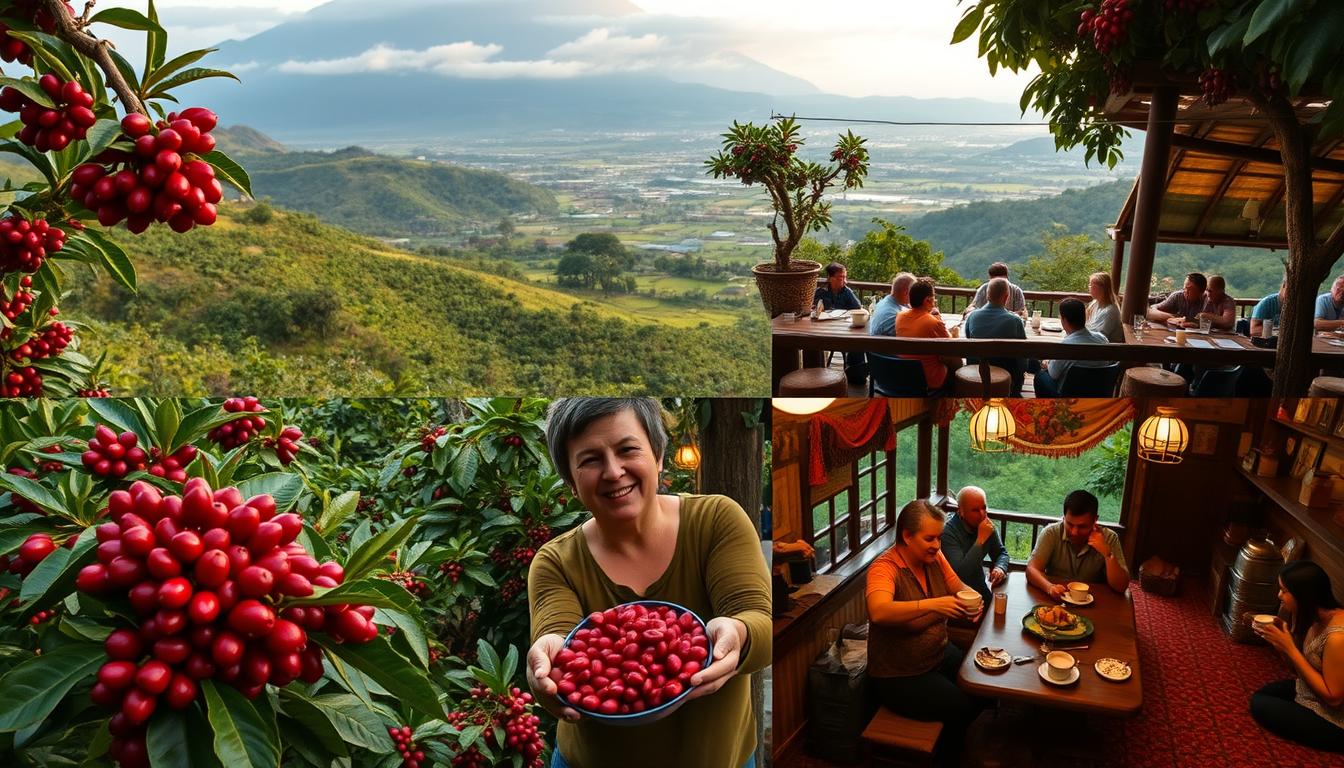
Exploring Guatemala’s rich culture, I find a world where stunning landscapes meet deep traditions. The country’s coffee culture is a big part of its history and everyday life. This makes it a great place for travelers to visit.
Places like Antigua and Huehuetenango are famous for their beauty and local traditions. They also celebrate coffee culture through festivals. This mix of nature and culture makes Guatemala a top spot for coffee enthusiasts and travelers.
Key Takeaways
- Guatemala’s coffee culture is deeply rooted in its history and traditions.
- Regions like Antigua and Huehuetenango offer unique coffee experiences.
- Local rituals and festivals celebrate the country’s coffee heritage.
- Coffee tourism in Guatemala combines natural beauty with cultural richness.
- The country is a must-visit destination for coffee lovers and travelers alike.
Understanding Coffee Tourism
Coffee tourism has grown a lot, mixing culture, learning, and sensory fun. Places like Guatemala are now offering more than just farm tours. They give travelers a deep dive into the coffee world.
What is Coffee Tourism?
Coffee tourism lets you explore coffee-making places. You learn from planting to brewing. It’s about the coffee’s story, the farmers, and tasting top-notch coffee.
It’s not just coffee. It’s also about the culture, history, and community. By going on a coffee tour, you appreciate the hard work and skill in making great coffee. You get to see the coffee route and learn about different ways to make coffee.
The Appeal of Coffee Experiences
Coffee experiences connect you with the land, people, and culture. You might go on a farm tour, a barista workshop, or a coffee tasting. These are fun ways to dive into the coffee world.
These experiences help local farmers and communities. They support small-scale farmers and local businesses. By joining in, you help the places you visit grow and thrive, supporting fair trade and sustainable tourism.
Guatemala’s Unique Coffee Heritage
Guatemala’s coffee is special because of its many regions. Each one makes coffee with its own taste. This variety comes from the country’s history, geography, and the love of its farmers.
The History of Coffee in Guatemala
Coffee came to Guatemala in the 18th century. It has been key to the country’s economy and culture ever since. Despite ups and downs, Guatemalan farmers keep making top-notch coffee.
European immigrants, like those from Germany, helped improve coffee making. Now, Guatemala is famous for its high-quality Arabica coffee. This coffee is grown in different areas, each with its own special taste.
Coffee Varieties Grown in Guatemala
Guatemala is known for many coffee types, like Bourbon, Caturra, and Typica. The country’s varied climate and land make many coffee tastes, from bright to rich.
The main places for growing coffee in Guatemala are Antigua, Huehuetenango, and Atitlán. Coffee from Antigua is known for its balanced taste. Coffee from Huehuetenango is bright and complex.
| Coffee Region | Notable Flavor Profiles | Altitude |
|---|---|---|
| Antigua | Cocoa, Caramel, Balanced Acidity | 1,500 – 1,700 meters |
| Huehuetenango | Fruit, Floral, Bright Acidity | 1,500 – 2,000 meters |
| Atitlán | Berries, Honey, Smooth Body | 1,500 – 1,800 meters |
The variety of coffee in Guatemala shows the country’s deep coffee history and quality commitment. As more people visit, they can see where coffee is made, learn how it’s done, and taste some of the best coffee in the world.
Popular Coffee Regions to Explore
Guatemala’s coffee regions, from Antigua’s historic landscapes to Huehuetenango’s high-altitude farms, are full of experiences. Each region brings its own culture, history, and flavor to the table.
Antigua
Antigua is a UNESCO World Heritage site known for its historic buildings and volcanic landscapes. It’s also a key player in Guatemala’s coffee scene. The coffee farms here, set between volcanoes, add a special touch to the coffee’s taste.
Coffee Production in Antigua
| Farm Name | Altitude | Coffee Varieties |
|---|---|---|
| La Soledad | 1,500 – 1,700 meters | Bourbon, Caturra |
| El Rosario | 1,700 – 2,000 meters | Gesha, Bourbon |
Huehuetenango
Huehuetenango is in the highlands of Guatemala and is famous for its high-altitude coffee farms. Its coffee is loved for its bright acidity and complex flavors.
The high altitude and dry climate of Huehuetenango slow down the coffee cherries’ maturation. This slow process gives the coffee its unique taste.
Quetzaltenango
Quetzaltenango, or Xela, is another important coffee region in Guatemala. It’s known for its coffee cooperatives and community tours. These tours let visitors meet local producers and learn about sustainable coffee.
Quetzaltenango’s coffee is known for its balanced acidity and rich flavors, with hints of chocolate and caramel. The region’s focus on eco-friendly practices and community development makes it a great spot for responsible travel.
Unique Coffee Tours and Experiences
Guatemala’s coffee tours take you from farm to cup. They offer a deep dive into coffee production. You can explore the country’s coffee heritage through various tours and experiences.
Farm Tours and Tastings
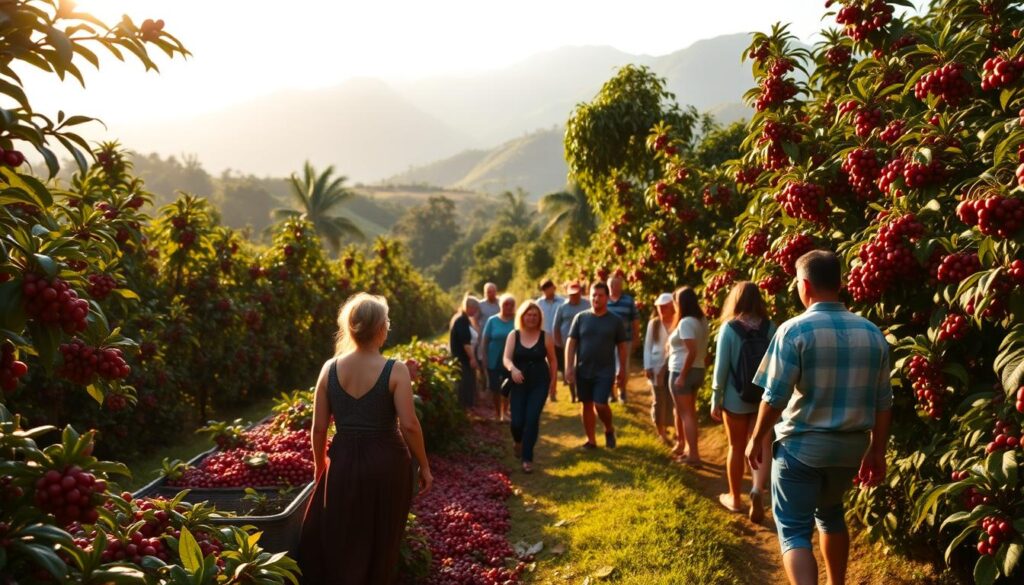
Visiting coffee farms in Guatemala is a highlight. These farm tours show you how coffee is made, from planting to harvesting. You can also enjoy coffee tastings and try some of the world’s best coffee.
As
“Coffee is not just a drink, it’s an experience that connects us to the land, the people, and the culture.”
This quote captures the essence of Guatemala’s coffee tours. They focus on sustainability and community.
Barista Workshops
If you love coffee making, barista workshops are for you. These sessions teach you how to make the perfect cup of coffee. You’ll learn about roasting, brewing, and latte art, and get to practice.
- Learn from expert baristas
- Understand coffee roasting and brewing techniques
- Practice latte art
Co-ops and Community Visits
Visiting co-ops and community gatherings offers a unique look at local coffee farmers and artisans. These visits help you understand the challenges they face and the importance of fair trade.
By connecting with local communities, you see the human side of coffee production. During my visit to a local co-op, I felt the warmth and hospitality of the Guatemalan people, just like their coffee.
The Role of Sustainability in Coffee Tourism
Guatemala’s coffee tourism is growing fast. But, it’s clear that sustainability is key for its future. It’s not just a trend; it’s essential for coffee and tourism to thrive.
The coffee industry has a big environmental impact. It causes deforestation and water pollution. But, by using eco-friendly practices, farms and tour operators can lessen their harm.
Eco-Friendly Practices
Using eco-friendly methods is vital for coffee’s environmental impact. Some important practices include:
- Organic farming that avoids harmful chemicals.
- Waste reduction and recycling by farms and tour operators.
- Conserving water, a key resource for coffee.
These practices help farms reduce their environmental harm. They also make the coffee better. For example, organic farming can make the coffee taste more complex, which specialty buyers love.
Supporting Local Communities
Helping local communities is also key to sustainability in coffee tourism. It’s about making sure tourism benefits everyone fairly. Ways to do this include:
| Initiative | Description | Impact |
|---|---|---|
| Fair Trade Practices | Ensuring fair prices and wages for coffee producers and workers. | Improves the lives of farmers and workers. |
| Community-Led Tours | Tours run by locals, giving them a direct income source. | Empowers local communities economically. |
| Local Sourcing | Tour operators buying from local businesses. | Boosts the local economy. |
By supporting local communities, coffee tourism can help rural areas grow. It can reduce poverty and boost the economy.
In summary, sustainability is vital for Guatemala’s coffee tourism. By using eco-friendly methods and supporting locals, the industry can have a sustainable and fair future.
How to Plan Your Coffee Tourism Trip
To enjoy your coffee tourism trip in Guatemala, planning is key. Knowing about Guatemala’s coffee culture and the places you’ll visit can make your trip better.
Best Times to Visit
The coffee harvest season in Guatemala is from November to March. These months are perfect for visiting coffee farms and joining in harvest activities. The dry season, from December to April, is also great for travel because the weather is better.
Here’s a breakdown of the best times to visit different coffee regions:
| Region | Best Time to Visit | Activities |
|---|---|---|
| Antigua | November to February | Coffee harvest, farm tours |
| Huehuetenango | December to March | Coffee tastings, farm visits |
| Quetzaltenango | January to April | Coffee tours, cultural experiences |
Essential Packing Tips
Bringing the right gear can greatly improve your coffee tourism trip. Here are some must-haves:
- Comfortable clothing and sturdy shoes for farm visits
- A good camera to capture the scenic landscapes and coffee processing
- Reusable water bottle to stay hydrated
- Sun protection, including a hat and sunscreen
- Insect repellent to protect against mosquitoes and other insects
Plan your trip during the coffee harvest seasons and pack right. This way, you’ll have a memorable and fun coffee tourism experience in Guatemala.
Coffee Festivals and Events
Exploring Guatemala’s coffee scene, I find myself drawn to the lively festivals. These events celebrate the coffee harvest. They bring together local farmers, coffee lovers, and tourists.
The coffee festivals in Guatemala are more than just celebrations. They showcase the country’s rich coffee heritage. Events like the Antigua Coffee Festival and local community celebrations offer a unique look into coffee traditions.
The Antigua Coffee Festival
The Antigua Coffee Festival is a major event, attracting visitors from all over. It celebrates the coffee harvest with farm tours, tastings, and workshops. It’s a chance to meet local farmers and learn about coffee production.
In Antigua, the town is filled with the smell of coffee. The air buzzes with music and local food. It’s an immersive experience that shows coffee’s role in Guatemala’s culture and economy.
Local Celebrations
Local communities in Guatemala also celebrate the coffee harvest. These events are deeply rooted in tradition. They offer a glimpse into the community’s spirit and connection to the land.
Attending these local celebrations is a meaningful way to experience Guatemala’s coffee culture. It’s a chance to support local communities and see how coffee is important in their lives. Each celebration shows Guatemala’s passion for coffee, whether in a small village or a larger town.
The Impact of Coffee Tourism on Local Economies
Visiting Guatemala’s coffee regions helps local economies grow. It supports sustainable development. Coffee tourism is key to improving local communities’ lives.
Job Creation
Coffee tourism brings new jobs to rural areas. These jobs range from farm workers to tour guides. This boosts the economy of these regions.
Jobs aren’t just in tourism. They also help hospitality and local transport. This makes the community’s overall well-being better.
| Job Category | Number of Jobs Created | Economic Impact |
|---|---|---|
| Farm Workers | 500+ | Increased income for local families |
| Tour Guides | 200+ | Enhanced cultural exchange and local knowledge sharing |
| Hospitality Staff | 300+ | Improved local infrastructure and services |
Boosting Tourism in Remote Areas
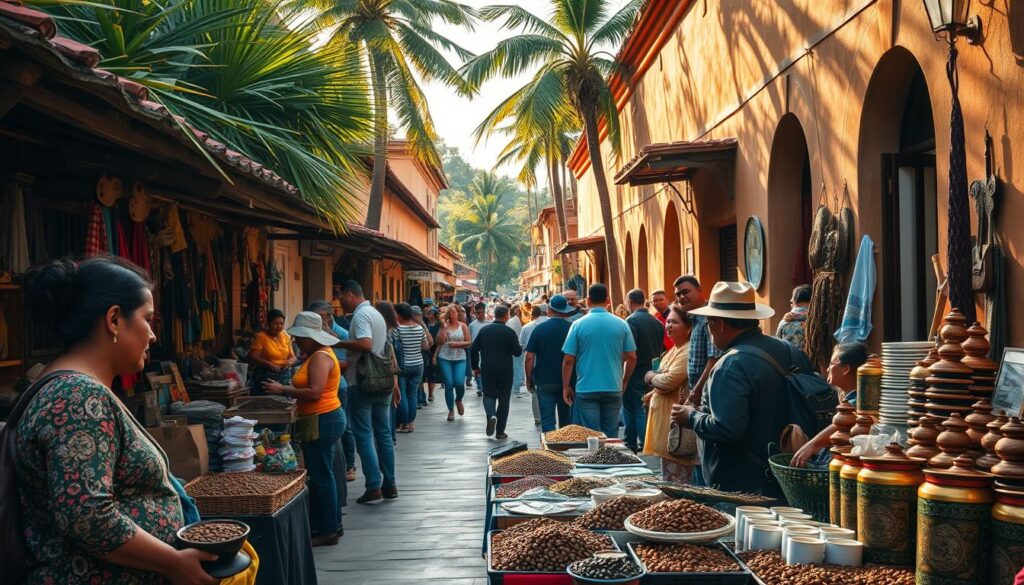
Coffee tourism helps remote areas of Guatemala attract more visitors. It creates coffee-related attractions and experiences. This makes these areas more welcoming to tourists.
This tourism growth benefits the local economy. It also helps keep the culture and nature of these areas alive. Tourists help preserve traditional ways of life and the environment.
In summary, coffee tourism has a big impact on Guatemala’s local economies. It creates jobs and boosts tourism in remote spots. As this industry grows, it’s crucial to share the benefits fairly and keep practices sustainable.
Challenges in the Coffee Industry
Climate change and unstable coffee prices are hurting Guatemala’s coffee sector. Coffee farmers and producers are struggling to keep their farms running. They face big challenges to keep their livelihoods going and their farms viable for the future.
Climate Change Effects
Rising temperatures and changing rain patterns are changing where coffee grows best. In Guatemala, farmers must adjust to new climate conditions.
The impact of climate change on coffee production is complex. Warmer weather brings more pests and diseases. Changes in rain can cause droughts or floods that harm crops.
| Climate Factor | Impact on Coffee |
|---|---|
| Rising Temperatures | Increased pest and disease pressure |
| Changing Rainfall Patterns | Droughts or floods that damage crops |
Coffee Price Fluctuations
Coffee prices can swing wildly, causing big problems. When prices drop, many farmers find it hard to pay for production. This makes it tough to keep up sustainable practices.
The coffee route, from farm to cup, is hit by these price swings. Efforts to support farmers and promote sustainability are key to dealing with these issues.
To tackle these issues, many are working together. They aim to make the coffee industry more sustainable and resilient. This includes helping farmers adapt to climate change and stabilize their income through sustainable and fair trade practices.
Connecting with Local Coffee Producers
Visiting coffee farms in Guatemala is a rewarding experience. It lets you connect with local producers who love their work. These connections make your trip better and help the coffee industry grow.
On my visits, I saw how much local producers care about their coffee. They told me about growing and processing coffee. It’s a lot of work to make sure every cup is perfect.
Building Relationships
Connecting with local producers is key to coffee tourism. It helps you understand how coffee is made. You learn about the effort that goes into every cup.
“Coffee is not just a product; it’s a way of life for many families in Guatemala. By connecting with local producers, visitors can experience the rich culture and traditions behind our coffee.” – Maria Rodriguez, Coffee Farmer
These connections also build a sense of community. They help both the producers and the tourists. It’s a win-win that supports local economies and fosters understanding.
The Importance of Direct Trade
Direct trade is important for fair prices. It means more money goes straight to the farmers. This way, they get a better deal.
| Benefits of Direct Trade | Impact on Local Producers |
|---|---|
| Fair Prices | Increased income for farmers |
| Improved Quality Control | Better quality coffee due to direct feedback |
| Stronger Relationships | Enhanced trust and cooperation between producers and buyers |
Supporting direct trade helps the coffee industry. It makes sure farmers get a fair deal. This also makes your trip to Guatemala more meaningful.
Finding the Best Coffee Shops and Cafés
Guatemala is a paradise for coffee lovers. It boasts some of the world’s best coffee shops and cafés. From traditional coffeehouses to modern spots, there’s a place for every taste.
Recommendations for Coffee Lovers
Guatemala’s coffee scene is filled with hidden gems. Café Cool is a must-visit for its expert coffee and cozy vibe. La Estación is another favorite, offering a variety of coffee blends from local beans.
Café No Sé in Antigua is known for its creative coffee and stunning views. For a traditional taste, head to Casa de la Abuela. It offers classic Guatemalan coffee in a warm setting.
Local Favorites vs. Tourist Spots
Local coffee shops give you a true taste of Guatemala’s coffee culture. El Olivo in Quetzaltenango is a local favorite for its quality coffee and traditional brewing.
Tourist spots, like those in Antigua, offer a modern twist on coffee. They attract a wide range of visitors with their innovative coffee creations.
Guatemala’s coffee scene is a treat for locals and travelers alike. Exploring both local and tourist spots lets you appreciate the country’s rich coffee heritage.
Future Trends in Coffee Tourism
Exploring coffee tourism in Guatemala shows a big change coming. New technologies are changing the game. The coffee route, covering many areas in Guatemala, is getting better and more fun thanks to these advancements.
Innovations Shaping Coffee Tours
Now, you can take virtual tours and try augmented reality to see coffee farms from afar. This makes coffee tourism more open to everyone. It also gives coffee farmers new ways to share their work.
Technology is also making farms work better and greener. As more tech comes in, coffee tours will change a lot. We’ll see big improvements in how we experience and learn about coffee.