
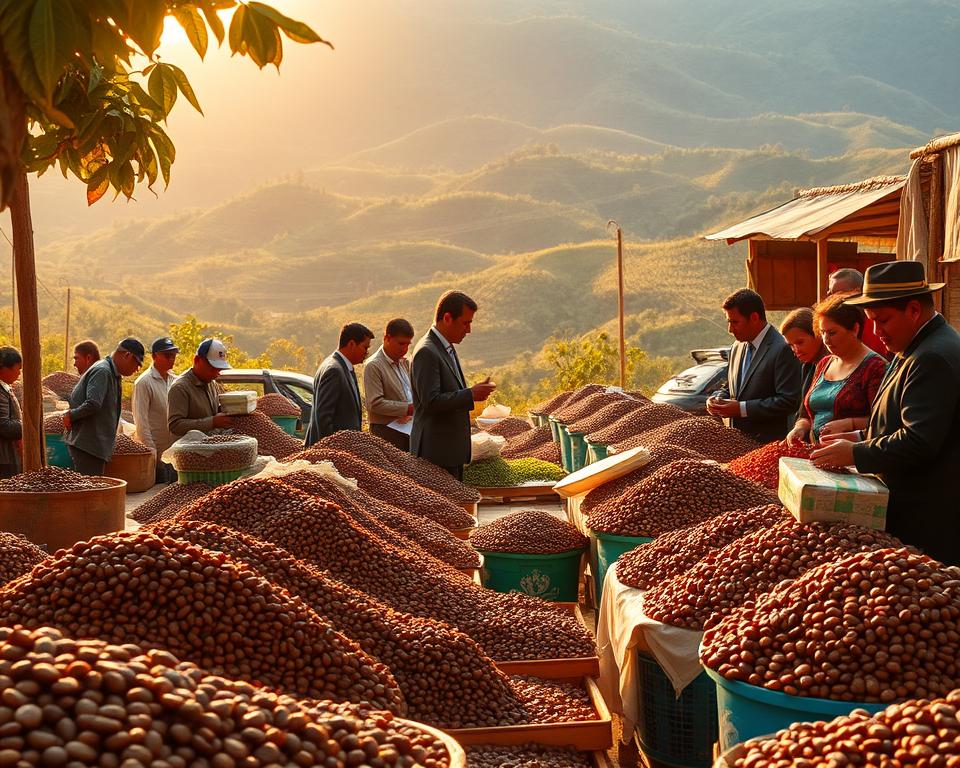
Guatemala’s coffee industry is a big part of the country’s economy. It has a long history of making high-quality coffee beans. The country’s agricultural policies shape the coffee industry, affecting farming and export rules.
Coffee laws directly affect the lives of thousands of farmers and workers in Guatemala. Looking at how the government supports the coffee industry helps us understand its importance.
The connection between agricultural policies and coffee production is key. Good policies can lead to better farming, more crops, and more exports.
The Significance of Coffee in Guatemala’s Economy
Coffee is a key part of Guatemala’s economy. It plays a big role in the country’s farming sector. Coffee helps a lot with Guatemala’s GDP, jobs, and money from abroad.
Many people in rural areas get jobs from coffee. From farming to processing, it gives income to thousands of families. Coffee also brings in a lot of money for Guatemala, helping its currency and balance of payments.
But, the coffee industry in Guatemala has big challenges. Climate change, pests, and diseases can hurt coffee yields and quality. This affects farmers’ lives and the economy.
To help, the Guatemalan government supports coffee farmers. They offer financial help and training. This support aims to keep the coffee sector strong.
| Economic Indicator | Coffee Industry Contribution |
|---|---|
| GDP Contribution | Significant percentage of agricultural GDP |
| Employment | Thousands of jobs in rural areas |
| Foreign Exchange Earnings | Major source of foreign exchange |
In conclusion, coffee is crucial for Guatemala’s economy. It boosts GDP, creates jobs, and brings in foreign money. Despite challenges, government support helps farmers. This ensures the coffee sector stays strong.
Understanding Government Support in Guatemalan Coffee
It’s key to know the laws that help Guatemala’s coffee industry. The government has made laws and rules that affect coffee making and selling.
Coffee Industry Legislation
Guatemala has laws to boost its coffee quality and competitiveness. These laws cover coffee making, processing, and selling. For example, the government makes sure coffee meets high standards to improve its global image.
The Coffee Law is a major rule. It explains how the government helps coffee farmers with technical help, money, and promoting their products. It also sets up a plan for coffee research and development, keeping the industry ahead.
Agricultural Regulations
Rules for farming are vital for Guatemalan coffee makers. These rules include protecting the environment, fair labor, and farming practices. For instance, rules for environmental protection make sure coffee farming is green and safe.
Rules about labor are also important. They make sure coffee workers are treated right and work safely. These rules help make the coffee industry in Guatemala more sustainable.
In summary, Guatemala’s laws and rules help a lot with its coffee industry. Knowing these laws helps coffee makers and sellers deal with the industry’s challenges. They can also use the government’s support to their advantage.
Financial Assistance Programs for Coffee Producers
The government of Guatemala helps coffee producers with financial aid. This aid includes programs and subsidies. These help farmers deal with market changes, pests, and diseases. They also help farmers grow more and sustainably.
There are subsidies, loans, and grants for coffee producers. Subsidies help with costs for fertilizers and pesticides. Loans offer low interest rates for farm investments. Grants fund projects like sustainable farming and plantation updates.
These programs are key for Guatemalan coffee producers. They give farmers the funds they need. This helps farmers grow more, improve coffee quality, and compete globally.
Types of Financial Assistance
| Type of Assistance | Description | Benefits |
|---|---|---|
| Subsidies | Financial support for inputs like fertilizers and pesticides | Reduced costs for farmers, improved yields |
| Loans | Favorable interest rate loans for farm investments | Increased productivity, adoption of new technologies |
| Grants | Funding for specific projects like sustainable farming | Improved sustainability, enhanced coffee quality |
Guatemala’s support for its coffee industry shows its commitment. By helping producers financially, the government wants the coffee sector to thrive. This support is crucial for the industry’s long-term success.
Technical Support and Training Initiatives
Technical support and training are key for the coffee industry in Guatemala. The government helps improve coffee production quality. This boosts the lives of coffee farmers.
The government supports coffee production in many ways. It teaches farmers about managing their land, processing coffee, and checking quality. For example, farmers learn about soil care, pest control, and water use.
Workshops also help farmers make better coffee. This makes their coffee more appealing to buyers worldwide.
Experts visit farms to offer advice. They help farmers use better farming methods. The government also works with global groups to share new ideas and tools, like those from the World Bank.
| Training Program | Description | Benefit to Producers |
|---|---|---|
| Farm Management | Training on best practices for soil conservation and pest management | Improved crop yields and reduced environmental impact |
| Coffee Processing | Workshops on improving coffee bean quality | Enhanced competitiveness in the international market |
| Quality Control | Guidance on maintaining high-quality standards | Better prices for high-quality coffee beans |
These efforts are crucial for Guatemala’s coffee industry. They help farmers grow their skills. This leads to better coffee, more jobs, and a stronger coffee sector.
Export Promotion and International Market Access
The Guatemalan government has launched several key programs to boost coffee exports. These programs aim to support coffee producers and exporters. They are designed to make Guatemalan coffee more competitive globally.
The government supports coffee exporters by negotiating trade agreements. These agreements reduce tariffs and barriers to entry in foreign markets. For example, Guatemala has trade agreements with the United States through CAFTA-DR. This has made it easier to export Guatemalan coffee.
The government also provides market research and intelligence. This helps exporters find new markets and opportunities. They get data on consumer trends, market demand, and competitor analysis.
Some key export promotion programs include:
- Trade missions and exhibitions to promote Guatemalan coffee globally.
- Marketing campaigns to raise awareness about the quality and uniqueness of Guatemalan coffee.
- Technical assistance to help exporters comply with international quality and safety standards.
For more detailed information on coffee exports and governmental support, you can refer to the USDA report on Guatemalan coffee.
These initiatives show the government’s commitment to the coffee sector. They aim to enhance its global presence. By offering support services, the government helps exporters face challenges and seize new opportunities.
Quality Control and Certification Support
The Guatemalan government is key in improving coffee quality. They use strict quality control measures. This is vital for keeping Guatemalan coffee at its best.
The government helps coffee producers get certifications like Fairtrade and Organic. These certifications make Guatemalan coffee more appealing. They also ensure it’s made the right way.
Getting these certifications has many benefits. They open up new markets and can raise coffee prices. They also encourage farming that’s good for the environment. The government helps by offering training and resources.
The government also makes sure coffee farms follow rules. This helps keep coffee quality high. It sets clear rules for how coffee is made and sold.
In short, the Guatemalan government’s help with quality and certifications is crucial. It helps Guatemalan coffee stay top-notch and popular worldwide.
Infrastructure Development for Coffee Regions
The Guatemalan government has started big projects in coffee areas. These projects are part of the country’s plan to boost its coffee industry.
Improving roads and transport is a main goal. Better roads help coffee farmers get their products to processing places and ports faster. This cuts down on costs and keeps the coffee quality high.
The government is also building better storage places. These new storage spots help farmers keep their coffee in top shape. It also lets them sell their coffee when prices are better.
These projects are key for Guatemala’s coffee to stay competitive. By making production, processing, and transport better, the government ensures Guatemalan coffee stays top-notch. This helps it compete well in the world market.
Many farmers are seeing the benefits, like better efficiency and lower costs. As the government keeps working on its plans, more money will go into improving the coffee industry’s infrastructure. This will help the industry grow strong for the future.
The government’s work on infrastructure in coffee areas is a big part of its support for the coffee industry. It shows their dedication to this important part of the economy.
How Coffee Producers Can Access Government Support
Getting government help is key for coffee farmers in Guatemala to stay ahead in the global market. The Guatemalan government offers many programs. These include financial aid, technical training, and help with exporting.
Documentation Issues
First, coffee producers need to know what documents are needed for government support. They must register with the right agricultural authorities and get the needed certifications.
The main documents needed are:
- Proof of land ownership or lease agreement
- Registration with the Ministry of Agriculture
- Certification of coffee quality
| Document | Purpose | Issuing Authority |
|---|---|---|
| Land Ownership Proof | To verify the producer’s land ownership | Property Registry |
| Ministry Registration | To register with the Ministry of Agriculture | Ministry of Agriculture |
| Coffee Quality Certification | To ensure coffee quality standards | Coffee Quality Control Board |
Navigating Bureaucracy
Going through the red tape can be tough, but knowing the steps helps. Coffee producers should be ready to apply and follow up with the right people.
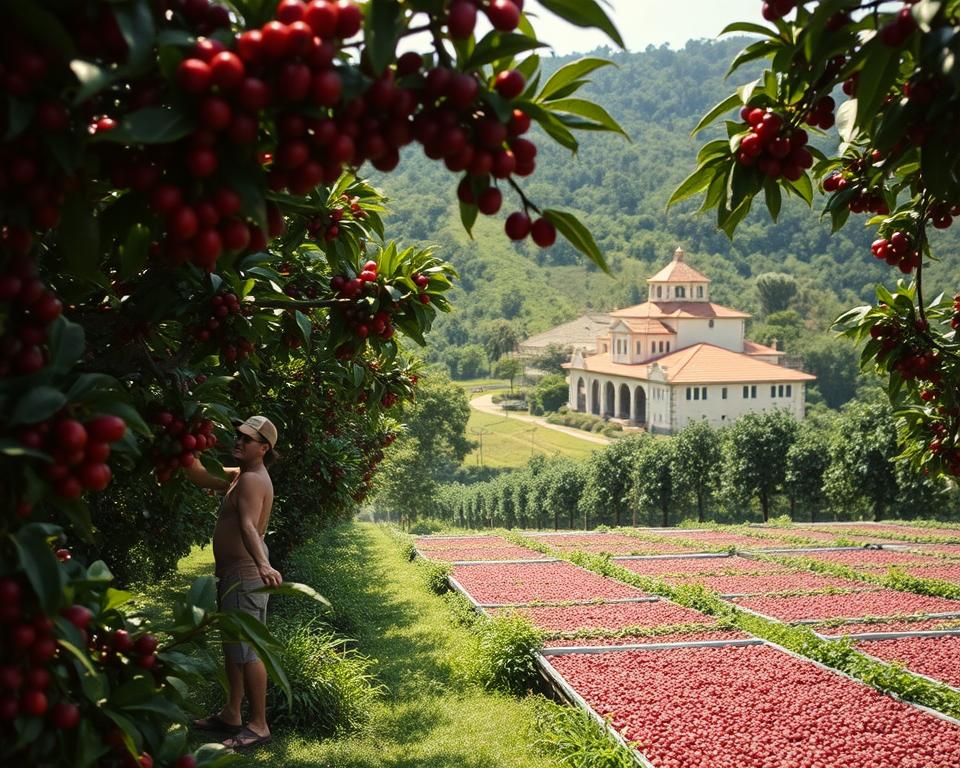
Many coffee producers in Guatemala have gotten government help. This has boosted their productivity and exports. Sharing their success stories and tips can help others too.
A cooperative in the Antigua region got financial help and training. This let them improve their coffee and sell more.
| Region | Type of Support | Outcome |
|---|---|---|
| Antigua | Financial Assistance and Technical Training | Improved coffee quality and increased exports |
| Atitlán | Export Promotion | Access to new international markets |
Conclusion: The Future of Government Support for Guatemalan Coffee
The Guatemalan coffee industry is a big part of the country’s economy. Government support is key to its success. Programs like financial help, technical training, and promoting exports have been very helpful.
These programs have helped coffee growers deal with big challenges like climate change and pests. They also helped improve the quality and productivity of Guatemalan coffee. This makes it more competitive worldwide.
Looking ahead, the industry needs continued government support to face new challenges and seize new chances. With the right support, Guatemalan coffee producers can keep growing. This will help the country’s economy and development.