
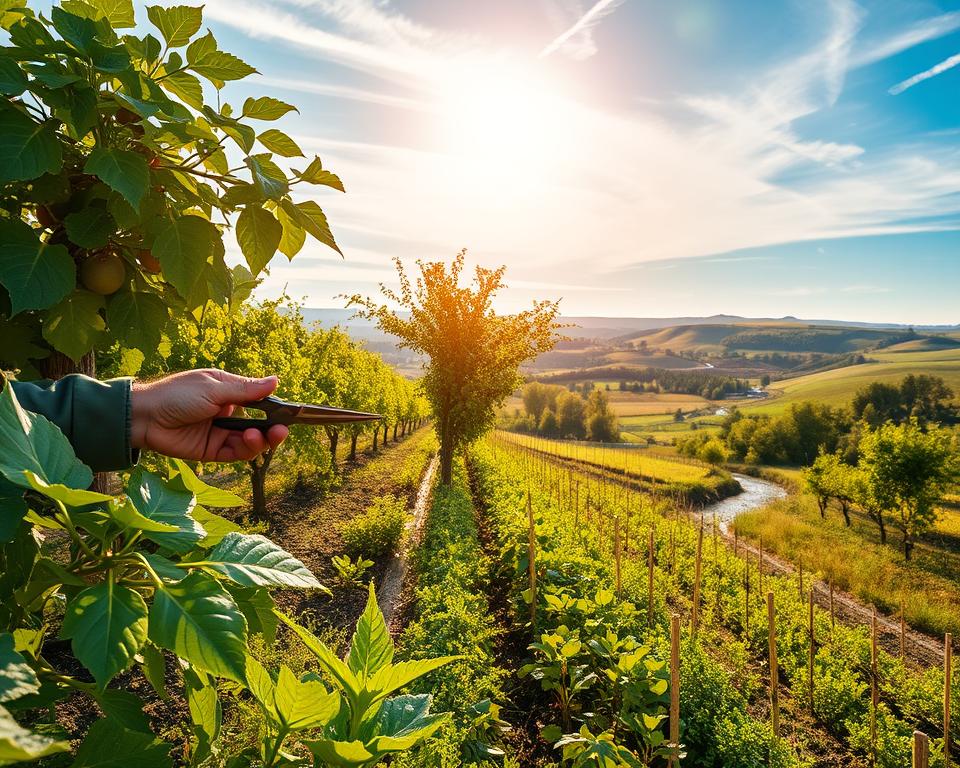
Guatemala is famous for its top-notch coffee beans. The secret to keeping this quality high is in the selective harvesting process. This method picks only the ripest coffee cherries, leading to a better taste.
Sustainable farming is key in this process. It not only boosts coffee quality but also helps the environment and local communities. By using efficient selective harvesting, farmers in Guatemala can grow more coffee with less harm to nature.
This article will cover the best ways to do a selective harvest. We’ll look at the techniques and strategies that help farmers get high-quality coffee. We’ll also focus on how to do it in a way that’s good for the planet and people.
The Cultural Heritage of Coffee Harvesting in Guatemala
For centuries, Guatemalans have grown coffee, creating a rich cultural heritage. Coffee harvesting is more than farming; it’s a tradition passed down through generations. It shapes the social fabric and cultural identity of the country.
Local farmers use traditional methods to make premium coffee beans. Small-batch coffee production is key in Guatemala. It allows for careful attention to detail during harvesting.
The cultural practices around coffee harvesting add to Guatemalan coffee’s unique flavors. Rich volcanic soil, diverse microclimates, and careful processing make Guatemalan coffee famous worldwide.
| Region | Coffee Production Method | Flavor Profile |
|---|---|---|
| Antigua | Small-batch | Balanced acidity, chocolate notes |
| Huehuetenango | Hand-picked | Fruity, floral notes |
| Atitlán | Small-batch | Bright acidity, citrus notes |
The cultural heritage of coffee harvesting in Guatemala keeps traditional practices alive. It also helps make premium coffee beans that people all over the world want.
Understanding the Coffee Cherry Maturation Cycle
Learning about coffee cherry maturation is key for eco-friendly coffee farming. Coffee cherries go through several stages, each changing the taste and quality of the beans.
The maturation cycle can last from 7 to 9 months. This depends on the climate, soil, and coffee type. At first, cherries are green and hard. They then turn yellow, orange, and finally, deep red or purple, showing they’re ready to pick.
The stage of ripeness at harvest greatly affects the coffee’s taste. Unripe cherries taste sour, while overripe ones taste bitter. So, picking cherries at the right time is very important.
In organic coffee farming, knowing the maturation cycle is vital. It helps get the coffee at its best quality, leading to a richer taste.
By understanding the maturation cycle, farmers can make better coffee, cut down on waste, and support green farming. This helps the environment and the local community too.
Planning Your Selective Coffee Harvest Strategy
To get high-quality coffee, you need a good harvest plan. This plan includes figuring out labor needs and getting the right equipment and supplies.
Labor Requirements Calculation
Figuring out how many workers you need is key. The size of your coffee farm and how much coffee you expect to get matters. A good rule is to have one worker for every 0.5 to 1 hectare of coffee.
| Coffee Plantation Size (hectares) | Expected Yield (kg) | Recommended Labor |
|---|---|---|
| 0.5 | 1000 | 1 |
| 1 | 2000 | 2 |
| 2 | 4000 | 4 |
Equipment and Supply Preparation
Having the right tools and supplies is crucial. You’ll need coffee picking bags, gloves, and equipment for processing.
Choosing ethical sourcing methods is important. It ensures your coffee is of high quality and supports sustainable farming.
Essential Tools and Equipment for Quality Harvesting
Quality harvesting starts with the right tools, a key part of making artisanal coffee. In Guatemala, where coffee is a big deal, the right tools really matter. They can greatly improve the quality of the coffee you harvest.
For selective coffee harvest, you need hand-picked baskets, harvesting clippers, and sorting trays. Hand-picked baskets keep the coffee cherries safe. Harvesting clippers let you pick with precision. Sorting trays help sort the ripe cherries from the unripe ones.
It’s important to invest in good equipment to keep the coffee beans in top shape. For example, the right harvesting clippers can protect the coffee tree and cherries. This leads to better quality coffee.
By choosing the right tools, coffee producers in Guatemala can improve their selective coffee harvest. This means better quality coffee and possibly higher prices.
The Step-by-Step Process of Selective Coffee Harvest
To get top-notch coffee, farmers must carefully pick only the ripest cherries. They start by checking the coffee plants for cherries that are ready to be picked.
This method is hard work but key for making specialty coffee. Farmers keep an eye on the trees and pick cherries when they’re at their best. This way, they make better coffee and help the environment by reducing waste.
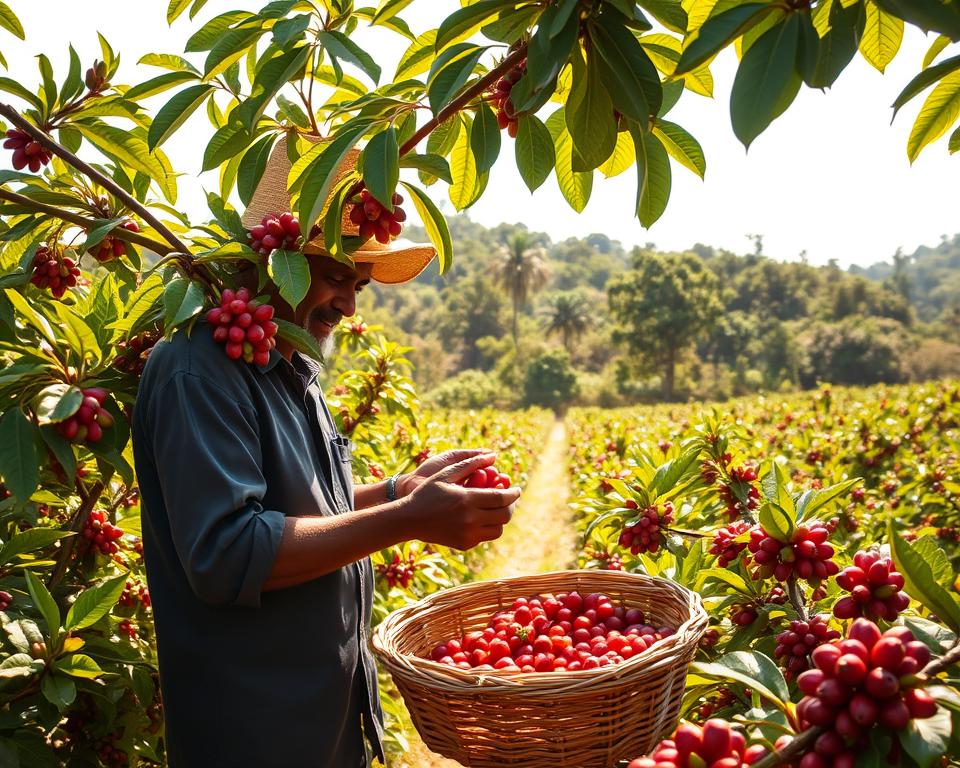
Looking at the cherries is a big part of this process. Farmers check the color of the cherries. They look for the right shade of red, yellow, or orange, depending on the coffee type. This tells them if the cherry is ready to be picked.
Tactile Evaluation Methods
But it’s not just about looking. Farmers also feel the cherries to see how firm they are. Ripe cherries are firm but soft to the touch, showing they’re ready to be picked.
The table below shows the main steps in selective coffee harvesting:
| Step | Description | Technique Used |
|---|---|---|
| 1 | Inspect coffee plants | Visual Assessment |
| 2 | Identify ripe cherries | Visual & Tactile Evaluation |
| 3 | Hand-pick ripe cherries | Selective Picking |
By doing these steps, coffee farmers make sure their coffee is top quality. They use methods that are good for the environment and meet the high standards of specialty coffee.
Training and Managing Your Harvest Team
In Guatemala, coffee producers know that training their harvest team is crucial. A skilled team improves coffee cherry quality and makes harvesting more efficient.
Teaching the team about selective harvesting is key. This method means picking only ripe cherries. The unripe ones stay on the tree.
| Strategy | Description | Benefit |
|---|---|---|
| Regular Training Sessions | Conducting regular training sessions to update the team on best practices. | Improved coffee quality and reduced waste. |
| Incentivizing Quality | Implementing incentive programs that reward quality harvesting. | Motivates the team to maintain high standards. |
| Team Leadership | Appointing experienced team leaders to oversee the harvesting process. | Ensures that the harvesting is done according to the set standards. |
By using these strategies, coffee producers can boost their coffee’s quality. This makes their coffee stand out in the market. A well-run team also helps keep small-batch coffee production sustainable. It makes the process good for both the economy and the environment.
Maximizing Efficiency in Selective Coffee Harvest
Getting the most out of selective coffee harvest is key to making top-notch coffee. In Guatemala, coffee is a big deal. Using the best harvesting methods can really boost the quality and amount of coffee.
To get better at harvesting, farmers need to work smarter. Here’s how:
- Teach harvesters to spot and pick ripe cherries fast.
- Give tasks that match each harvester’s skills.
- Set up a way to keep track of the harvest.
Making things smoother is also important. Here’s how to do it:
- Use the right tools, like baskets and bags, for picking coffee.
- Plan the harvest to avoid the hottest times of day. This helps workers stay fresh.
- Check the quality of cherries as you pick to make sure they’re the best.
By following these tips, farmers can make their coffee harvest more efficient. This is especially true for organic coffee. Keeping high standards is key for getting certified and selling well.
In the end, making the coffee harvest more efficient leads to better coffee. This is something everyone wants, whether they’re buying coffee locally or internationally.
Post-Harvest Handling for High-Quality Coffee Crops
Effective post-harvest handling is key for top-notch coffee quality. It includes careful processing, drying, and storage. In Guatemala, coffee is a big deal in farming. Using ethical methods is important for quality and supports local coffee makers.
The processing method is a big deal. You can choose from washed, natural, and honey processing. Each method changes the coffee’s taste.
Drying is also crucial. Beans can be dried by sun or machines. The drying method greatly affects coffee quality.
| Processing Method | Drying Method | Storage Requirement |
|---|---|---|
| Washed | Sun Drying | Cool, Dry Place |
| Natural | Machine Drying | Airtight Containers |
| Honey | Combination | Minimal Light Exposure |
Proper storage is also key. Coffee beans need a cool, dry spot, away from sunlight. This keeps the flavor and aroma fresh.
By following these steps, Guatemalan coffee makers can meet global quality standards. This supports ethical sourcing and local coffee craftsmanship.
Sustainable and Eco-Friendly Coffee Harvesting Practices
Using sustainable farming practices is key to lessening the environmental impact of coffee harvesting. In Guatemala, where coffee is a big crop, eco-friendly harvesting methods are getting more important.
Sustainable coffee harvesting includes several practices. These not only cut down environmental harm but also help biodiversity. They include keeping shade, using organic fertilizers, and using water wisely.
One big plus of sustainable coffee harvesting is saving biodiversity. Coffee farms with shade help many birds, insects, and other animals. For more on why selective harvesting matters, check out The Art of Coffee Picking.
| Sustainable Practice | Environmental Benefit | Economic Benefit |
|---|---|---|
| Shade Cover | Preserves biodiversity, reduces soil erosion | Increases coffee quality, potentially higher market price |
| Organic Fertilizers | Reduces chemical pollution, improves soil health | Lower input costs, premium prices for organic coffee |
| Efficient Water Use | Conserves water, reduces waste | Reduces water costs, enhances sustainability credentials |
By using these sustainable practices, coffee makers in Guatemala and around the world help the environment. They also make their coffee better and more valuable.
Overcoming Common Challenges in Selective Coffee Harvest
The selective coffee harvest is key for top-notch coffee. But, farmers in Guatemala and other places face many hurdles. These challenges can affect the quality and amount of coffee they produce.
One big problem is not having enough workers. To solve this, farms can train their staff well. This makes sure they can handle the selective harvesting tasks. Also, using new tech can make the harvest process easier and need less manual work.
Bad weather, like too much rain or drought, can harm the coffee. To fight this, farms can use methods like shade-grown coffee and caring for the soil. They can also prepare for weather changes by having things like irrigation systems ready.
By tackling these issues, farmers can have a great selective coffee harvest. This leads to high-quality coffee that meets global market needs.
Conclusion: Elevating Your Coffee Through Masterful Selective Harvesting
Selective coffee harvesting is an art that needs precision, patience, and a deep understanding of coffee maturation. By following the practices in this article, coffee producers in Guatemala and elsewhere can greatly improve their coffee quality. This helps keep the tradition of artisanal coffee production alive.
The cultural heritage of coffee harvesting in Guatemala is rich and unique. By mixing traditional knowledge with modern methods, farmers can get more high-quality coffee. They can also keep their practices sustainable and eco-friendly.
As the world’s demand for premium coffee grows, mastering selective harvesting is key for producers. They can stand out in a competitive market by focusing on quality, sustainability, and community. This way, producers can not only better their lives but also help keep Guatemala’s coffee culture alive.