
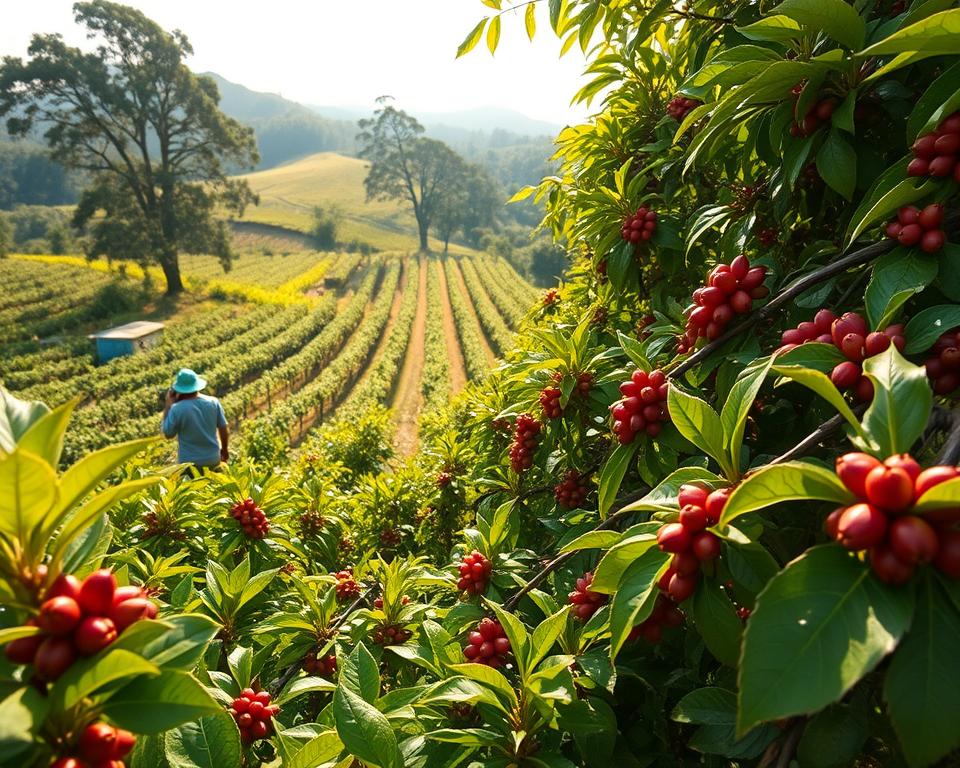
Guatemala’s rich soil and varied climate are perfect for growing top-notch organic coffee. But, keeping these crops healthy and productive needs good pest management.
In Guatemala, organic coffee farming uses sustainable methods, like biological pest control. These green methods protect the environment and add to Guatemalan coffee’s unique taste.
Using biological pest control, farmers in Guatemala can cut down on chemical pesticides. This makes the ecosystem healthier and boosts the coffee’s quality.
The Coffee Pest Challenge in Guatemala
Pests are a big problem for coffee farmers in Guatemala. They need new, green ways to fight pests. Pests like the coffee berry borer and leaf rust hurt yields and quality.
Old ways to fight pests use harmful chemicals. These chemicals can ruin soil, pollute water, and harm good bugs.
| Pest | Impact | Traditional Control Method |
|---|---|---|
| Coffee Berry Borer | Significant yield loss | Chemical pesticides |
| Leaf Rust | Reduced coffee quality | Fungicides |
It’s time for green pest control in coffee farming. Natural methods can make farming better for the environment and improve coffee quality.
Biological Pest Control Coffee: Core Principles and Benefits
Keeping coffee plants safe from pests is key, and biological methods lead the way. This approach uses natural enemies to fight pests, cutting down on chemical pesticides.
At the heart of biological pest control for coffee farming are natural predators, parasites, and pathogens. They help control pest numbers. This method is not only effective but also safe for the environment, keeping the ecosystem balanced.
There are many benefits to using biological pest control in coffee farming. It reduces chemical use, protecting the environment and improving soil health. It also helps conserve biodiversity and can make crops better and cheaper to produce over time.
In Guatemala, coffee farmers can greatly benefit from biological pest control. It helps them keep their farms sustainable and protect their crops. As more people want coffee that’s grown sustainably, using safe pest control methods can give farmers a big edge.
Assessing Your Coffee Farm’s Pest Management Needs
Guatemala coffee farmers deal with unique pest issues. They need specific biological pest management plans. It’s key to protect coffee beans from pests.
To assess your farm’s pest management needs, follow these steps:
- Identify the types of pests on your farm.
- Learn about the pests’ life cycles and natural enemies.
- Find the best biological control methods for your pests.
Knowing your farm’s ecosystem and challenges helps. You can use non-toxic pest control. This keeps your coffee beans safe and the environment healthy.
Good biological pest management protects your coffee crop. It also supports sustainable farming. This benefits your farm and the environment around it.
Beneficial Insects: Your Coffee’s Natural Defenders
In Guatemala’s coffee farms, beneficial insects are the unsung heroes. They provide natural pest control that boosts crop health. These insects are key to integrated pest management coffee strategies, offering a green and sustainable solution.
Beneficial insects like ladybugs, lacewings, and parasitic wasps eat common coffee pests. This cuts down the need for harmful chemicals. By using green pest control, farmers protect these insects and keep the ecosystem balanced.
Coffee farmers can attract and keep beneficial insects by planting diverse flora around their farms. They should also use fewer broad-spectrum pesticides and keep ecological corridors. This way, farmers protect their crops and help their farms’ biodiversity.
By using beneficial insects, Guatemala’s coffee industry can grow while being kinder to the environment. This approach meets the growing need for sustainable coffee. It benefits farmers and the planet.
Microbial Solutions for Effective Pest Management
Eco-friendly pest management is key in Guatemalan coffee farming. It controls pests well and supports sustainable coffee making.
Beauveria bassiana Applications
Beauveria bassiana is a fungus used for pest control. It infects and kills pests, cutting down on chemical use. In coffee farms, it fights pests like the coffee berry borer.
Metarhizium Treatments
Metarhizium is another fungus for pest control. It works against many pests and is used like Beauveria bassiana. It helps keep the ecosystem balanced in coffee farms.
| Microbial Solution | Target Pest | Application Method |
|---|---|---|
| Beauveria bassiana | Coffee Berry Borer | Foliar Spray |
| Metarhizium | Coffee Leaf Miner | Soil Application |
Beauveria bassiana and Metarhizium are good for pest control in coffee farms. They reduce chemical use and help the environment.
Guatemalan coffee farmers use these solutions to grow more coffee sustainably. This meets the world’s need for eco-friendly coffee.
Traditional and Modern Botanical Controls
Botanical controls, made from plants, are a green way to manage pests in coffee farms in Guatemala. These natural methods have been around for ages and are still improving with new research.
Older botanicals in coffee farming include extracts from neem and pyrethrum plants. These plants naturally fight pests without harming good bugs.
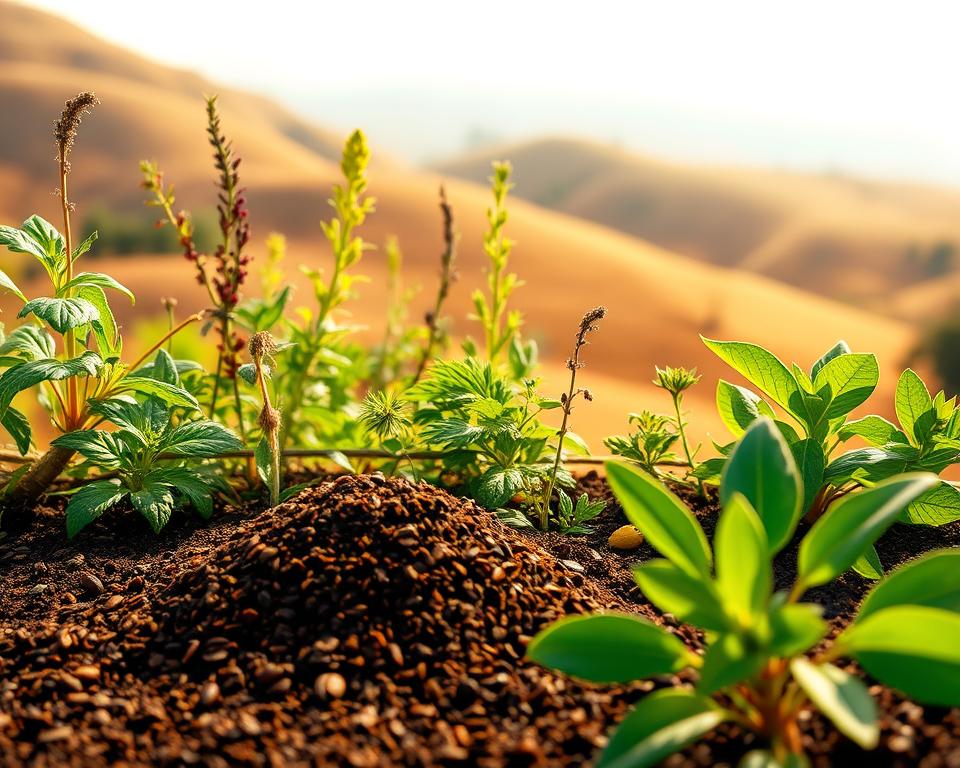
Today, botanical controls use new ways to make them work better. Some examples are:
| Botanical | Pest Controlled | Efficacy |
|---|---|---|
| Neem Extract | Coffee Berry Borer | High |
| Pyrethrum Extract | Coffee Leaf Miner | Moderate |
| Garlic Extract | Coffee Aphids | Low to Moderate |
Using botanical controls in coffee farming does more than just fight pests. It also makes the ecosystem healthier. Guatemalan coffee farmers use these natural methods to cut down on chemical pesticides. This supports sustainable farming.
Step-by-Step Implementation of Biological Controls
Starting with sustainable pest control for coffee plants means understanding your farm’s ecosystem. You need to know the pests and beneficial organisms around. This way, you can use targeted biological controls that are good for the environment and effective.
First, you must assess your coffee farm’s pest management needs. Watch for pests during the flowering and berry development stages.
Flowering Stage Protocols
Protect your coffee plants from pests during the flowering stage. Pests can harm the flowers and lower your yield. Introduce beneficial insects like ladybugs or lacewings to control aphids.
Berry Development Protection
When coffee berries grow, it’s vital to guard them against pests like the coffee berry borer. Use microbial solutions like Beauveria bassiana to fight these pests. This fungus attacks the insects, reducing their numbers without harming your plants.
| Stage | Pest Control Measure | Benefit |
|---|---|---|
| Flowering | Introduce beneficial insects | Reduces aphid population |
| Berry Development | Apply microbial solutions | Controls coffee berry borer |
By using these biological controls, Guatemala coffee farmers can protect their crops well. This method keeps the ecosystem healthy and supports sustainable coffee production.
Using sustainable pest control for coffee plants is a complete approach. It helps the farm and the environment. Regular checks and updates to the control methods are needed to keep them working well.
Companion Planting Strategies for Coffee Protection
Companion planting is a key strategy for safe pest control in coffee farming. It involves growing different plants together to boost coffee health and yield.
These plants can do many things. They can keep pests away, draw in good bugs, and make the soil better. For coffee farms in Guatemala, picking the right plants is very important.
Pruning and Management Techniques
Good companion planting needs the right pruning and care. Regular pruning keeps plants in shape, stops them from competing with coffee, and helps them grow well.
| Companion Plant | Benefits | Pruning Needs |
|---|---|---|
| Marigold | Repels nematodes and attracts beneficial insects | Regular pruning to maintain shape |
| Basil | Repels aphids and improves soil health | Pinch off flower buds to encourage leaf growth |
| Legumes | Fixes nitrogen, improving soil fertility | Prune after harvesting to promote regrowth |
By using companion planting, coffee farmers can protect their crops in a safe way. This method not only keeps coffee safe but also helps make farming more sustainable.
Targeting Specific Coffee Pests with Biological Methods
Biological pest control is a green way to fight coffee pests. In Guatemala, coffee farms face big problems from pests like the coffee berry borer and leaf rust. These pests can hurt the yield and quality of coffee. Biological methods are a safe choice instead of using harmful chemicals.
To manage pests well, farmers use trap systems. These traps are baited with attractants for certain pests. This lets farmers keep an eye on pests and act when needed. For example, integrated pest management strategies use trap cropping and monitoring to fight pests in a green way.
- Use of pheromone traps to capture adult pests
- Sticky traps to monitor flying insects
- Bait traps for specific pests like the coffee berry borer
Biological Control Agents
Biological control agents are key in managing pests. They include predators, parasites, and pathogens that target pests. For example, some wasps eat coffee berry borers, and fungi can fight leaf rust.
Some top biological control agents for coffee pests are:
- Predatory insects such as ladybugs and lacewings
- Parasitic wasps that target coffee pests
- Entomopathogenic fungi that infect and kill pests
By using traps and biological control agents, farmers in Guatemala can control pests. This reduces the need for harmful chemicals and keeps the farm’s ecosystem healthy.
Monitoring and Adjusting Your Biological Control Program
Keeping your non-toxic pest control for coffee working well needs constant checking and tweaking. Regular checks help spot where your program can get better. This makes sure it stays effective and keeps going strong.
To see how well your program is doing, watch pest numbers, how well beneficial insects are doing, and any damage to crops. Use this info to make changes to your control methods. This could mean adding new beneficial bugs or changing how often you release them.
| Indicator | Monitoring Method | Adjustment |
|---|---|---|
| Pest Populations | Regular field surveys | Introduce new beneficial species |
| Beneficial Insect Activity | Observation of insect behavior | Modify release rates |
| Crop Damage | Assessment of crop health | Adjust control measures |
By keeping a close eye on and tweaking your biological control program, you can make sure your coffee in Guatemala stays healthy for a long time.
Economic Analysis of Biological Pest Management
Guatemalan coffee farmers have a big choice to make about using biological pest management. This choice can greatly affect their profits.
Looking at the costs and benefits of biological pest management is key. The first cost might be more, but the long-term savings and possible higher yields are worth it.
| Method | Initial Cost | Annual Savings | Yield Increase |
|---|---|---|---|
| Chemical Pest Control | $500/ha | $0 | 0% |
| Biological Pest Management | $800/ha | $200/ha | 10% |
The table shows a comparison between chemical and biological pest management. Biological methods cost more upfront but save money and increase yields over time. This can make coffee farming more profitable.
Using integrated pest management can help Guatemalan farmers in two ways. It reduces harm to the environment and boosts their financial health.
Conclusion: Sustainable Coffee Protection for the Future
The coffee industry is growing fast. Using green pest control for coffee crops is key for sustainable farming. In Guatemala, coffee farmers can keep their crops safe and protect the environment by using biological pest control.
Biological pest control helps reduce the need for harmful chemicals. It also keeps the ecosystem balanced. This method, along with other green practices, makes coffee crops healthier. It also helps farmers’ lives improve.
Choosing eco-friendly methods is a step towards a greener coffee future. As more people care about the environment, they’ll want coffee grown in a sustainable way. This will help farmers and the planet.