
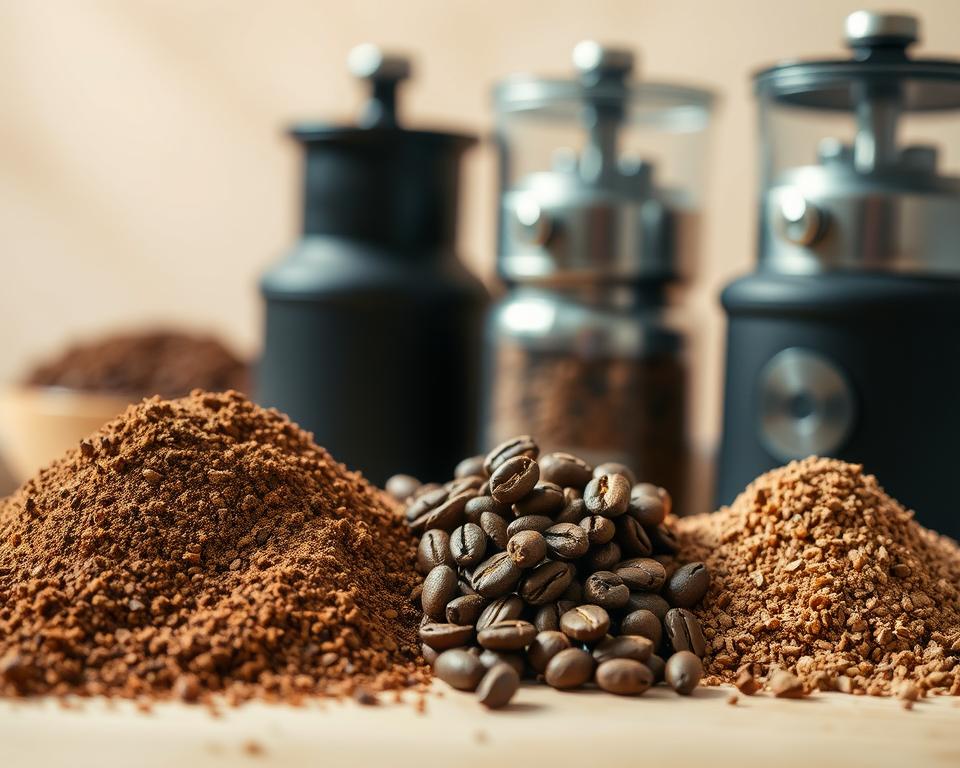
Guatemala is famous for its top-notch coffee beans. Brewing the perfect cup is an art that needs careful attention. The grind of the beans is a key factor, affecting the taste and smell of the coffee.
Different brewing methods need different grind sizes for the best flavor. Using the right grind size is crucial to highlight Guatemala’s coffee’s unique qualities.
Finding the right grind size is essential for a perfect cup. This is true whether you’re using a French press, pour-over, or drip brewing method. Knowing the importance of the correct grind size is the first step to improving your coffee-brewing skills.
Understanding the Impact of Grind Size on Coffee Flavor
The grind size of coffee beans greatly affects the taste of Guatemala Coffee. Grinding coffee is an art that needs precision to get the best flavor. The right grind size can highlight or hide the unique tastes of Guatemala Coffee.
Regional Flavor Profiles Worth Preserving
Guatemala Coffee is famous for its unique tastes, from Antigua’s bright acidity to Huehuetenango’s balanced flavors. It’s important for coffee lovers to keep these tastes true to enjoy Guatemalan coffee as it should be.
The grind size chart is a great help for coffee lovers. It shows how to adjust grind sizes for different ways of brewing. For example, a finer grind is best for espresso, and a coarser grind is better for French press. Check out this guide on grind size to improve your brewing.
| Grind Size | Brewing Method | Flavor Profile |
|---|---|---|
| Fine | Espresso | Intensified, rich flavors |
| Medium | Pour Over, Drip | Balanced, nuanced flavors |
| Coarse | French Press, Cold Brew | Bold, full-bodied flavors |
By changing the grind size for each brewing method, coffee lovers can keep the special tastes of Guatemala Coffee. This ensures a great coffee experience.
The Science Behind Coffee Extraction
Coffee extraction is a complex process. Mastering it is key to unlocking Guatemalan coffee beans’ full potential. The flavor of your coffee depends on the extraction process. This is influenced by grind size, temperature, and brewing time.
When brewing Guatemalan coffee, adjusting these variables is crucial. Grind size affects the extraction rate. A too-fine grind can make the coffee bitter. A too-coarse grind can make it weak.
Temperature and Time Variables with Guatemalan Beans
Temperature and brewing time are also key. The ideal brewing temperature is between 195°F and 205°F. Brewing time varies by method, but longer times mean more extraction. For Guatemalan coffee, finding the right balance is essential to bring out its flavors.
To get the perfect cup, you need to grind coffee beans right for your brewing method. A coffee brewing guide can help you optimize these variables for the best flavor.
Types of Coffee Grinders for Guatemalan Beans
To fully enjoy Guatemalan coffee, picking the right grinder is key. Guatemalan coffee is famous for its deep flavors, like chocolate, fruit, and spices. The grinder you choose greatly affects the taste, so it’s important to find one that grinds well.
Consistency Considerations for Premium Guatemalan Coffee
When grinding top-notch Guatemalan coffee, consistency is crucial. A grinder that doesn’t grind evenly can mess up the taste. Blade grinders are not the best because they can heat up the beans, losing flavor. Burr grinders, however, are better because they grind consistently and keep the coffee’s taste.
Keeping your grinder clean is also important. Old coffee oils and residue can change the taste of fresh coffee. Adjusting the grind size for your brewing method is also key. For example, the perfect espresso grind size is needed for a strong shot. Regularly checking and tweaking the grinder settings can enhance the coffee tasting notes in Guatemalan coffee.
By picking the right grinder and taking care of it, coffee lovers can fully enjoy Guatemalan coffee’s flavors.
Comprehensive Coffee Grind Size Guide for Guatemalan Beans
Guatemalan beans need a precise grind size to reveal their unique flavors. The grind size is key in brewing coffee. It impacts how fast the coffee extracts and its taste.
Different brewing methods need different grind sizes. For example, French press needs a coarse grind, while espresso needs a fine one. Knowing the right grind size for your method is crucial for the best taste from Guatemalan coffee.
- Espresso: Fine grind, similar to powdered sugar
- Pour-over and Drip: Medium grind, akin to kosher salt
- French Press: Coarse grind, comparable to coarse sea salt
- Cold Brew: Extra coarse grind, similar to rough black pepper
For the french press grind size, getting it right is key. A grind that’s too fine can make the coffee bitter. On the other hand, a grind that’s too coarse can make it weak.
| Brewing Method | Grind Size | Comparison |
|---|---|---|
| Espresso | Fine | Powdered sugar |
| Pour-over/Drip | Medium | Kosher salt |
| French Press | Coarse | Coarse sea salt |
Adjusting the grind size based on the brewing method can unlock your Guatemalan coffee’s full potential. Try different grind sizes to find the perfect balance for your taste.
Espresso and Fine Grinds: Unlocking Guatemalan Intensity
Fine grinds are key for bringing out the intense flavors in Guatemalan espresso. Guatemala’s rich volcanic soil and unique seasons add to its complex taste. This taste is especially rich when brewed as espresso.
Guatemalan espresso is known for its balanced acidity and rich body. It has notes of chocolate and spices. To get these flavors, you need a fine grind size for the best extraction.
Highlighting Guatemalan Chocolate and Spice Notes
The chocolate and spice notes in Guatemalan espresso come from the country’s coffee-growing regions. Places like Antigua and Huehuetenango have coffees with unique flavors. Some have more chocolate, while others have more spice.
| Region | Flavor Profile | Ideal Grind Size |
|---|---|---|
| Antigua | Rich chocolate, balanced acidity | Fine |
| Huehuetenango | Spicy, fruity, with a hint of chocolate | Fine to Extra Fine |
| Atitlán | Fruity, floral, with a smooth body | Fine |
Troubleshooting Espresso Extraction Problems
Even with the right grind size, espresso extraction can sometimes go wrong. Common issues include under-extraction, which results in a sour taste, and over-extraction, which leads to bitterness.
- Under-extraction: Adjust grind size to be finer, or tamp coffee more firmly.
- Over-extraction: Adjust grind size to be coarser, or reduce tamping pressure.
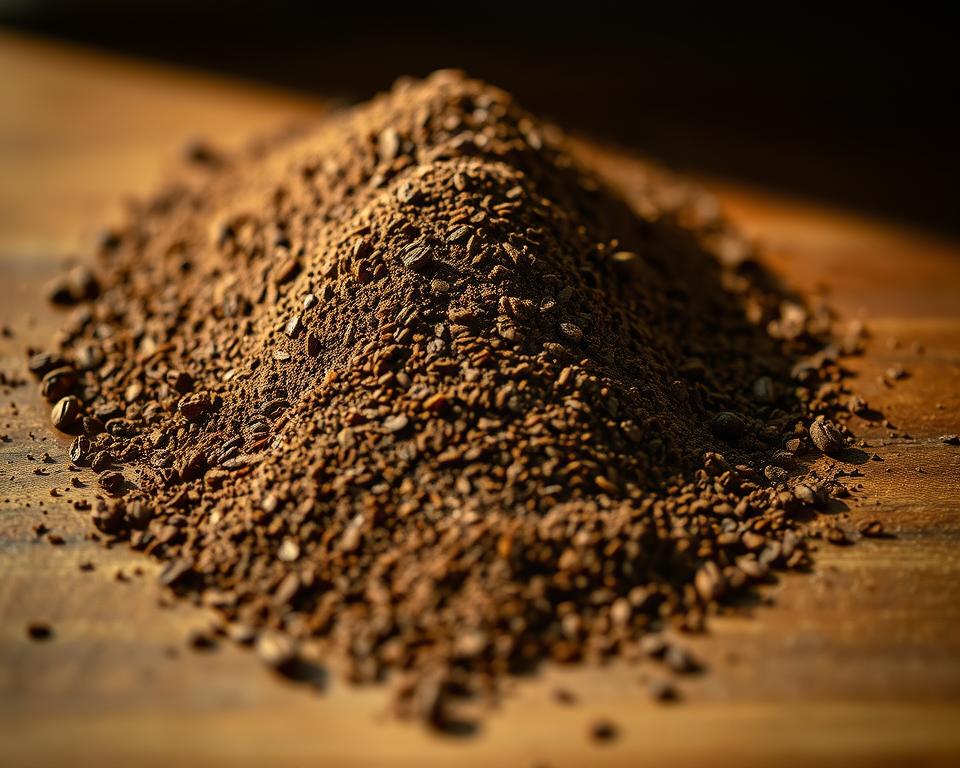
Understanding grind size’s impact on espresso extraction is key. Knowing the unique flavors of Guatemalan regions helps coffee lovers enjoy their Guatemalan espresso to the fullest.
Medium Grinds: Pour Over, Drip, and AeroPress Methods
Medium grinds are great for many brewing methods like pour-over, drip, and AeroPress. They’re perfect for Guatemalan coffee, bringing out its complex flavors.
For pour-over, a medium grind lets water flow just right. This method makes a clean cup that shows off the coffee’s acidity and body.
Drip brewing also works well with medium grinds. It ensures the water flows through evenly, making a balanced cup. Adjust the grind size for your drip brewer.
The AeroPress method is versatile and loves medium grinds. It makes a smooth, full-bodied coffee. Tweaking the grind size can improve the flavor and brewing time.
Adjusting for Acidity and Body in Medium Roasts
Medium roasts are loved for their balanced taste. To get the most out of them, adjust the grind size based on your brewing method. A finer grind enhances acidity in pour-over and AeroPress. A coarser grind adds body in drip brewing.
Playing with grind size and brewing settings can perfect your Guatemalan medium roast. It lets you customize your coffee to highlight its unique flavors.
In summary, medium grinds are versatile for brewing Guatemalan coffee with pour-over, drip, and AeroPress. By fine-tuning the grind size, you can make a balanced cup every time.
Coarse Grinds: French Press, Cold Brew, and Percolator
To get the most out of Guatemalan coffee, you need a coarse grind. This is especially true for French press and cold brew. Coarse grinds help extract the right amount of flavor from the beans.
Coarse grinds are perfect for brewing that needs a longer steeping time. French press, for example, steeps coarse coffee grounds in hot water. This brings out the rich flavors and oils from the beans. Cold brew also uses coarse grinds, but in cold water for a smooth, low-acidity coffee.
Enhancing Fruity and Chocolate Notes with Coarse Grinds
Guatemalan coffee is famous for its fruity and chocolate flavors. Using coarse grinds in French press and cold brew can make these flavors even better. The grind size chart usually suggests a setting of 8-10 for these methods.
- French press: Enhances the rich, bold flavors and textures.
- Cold brew: Brings out the smooth, chocolate notes.
- Percolator: Highlights the fruity undertones.
When brewing Guatemalan coffee with coarse grinds, pay attention to the coffee tasting notes. You might notice a more intense flavor compared to finer grinds. Check a grind size chart to make sure you’re using the right grind size for your brewing method.
Adjusting the grind size and brewing method can customize your coffee experience. Try different coarse grind settings and brewing times to find the perfect flavor balance in your Guatemalan coffee.
Adjusting Grind Size for Guatemalan Coffee Regions
Getting the right grind size for Guatemalan coffee beans is key to enjoying their unique flavors. The taste of Guatemalan coffee varies due to soil, climate, and altitude. The region where the coffee is grown also affects the best grind size.
Coffee from Antigua, known for its balanced taste, might need a finer grind. On the other hand, Huehuetenango’s brighter taste might do better with a coarser grind. This helps balance their flavors.
For espresso grind size, Guatemalan beans usually need a fine grind. But, the exact size can change based on the region. For example, Atitlán’s beans might need a bit finer espresso grind size than others.
Seasonal changes also play a role in the best grind size for Guatemalan coffee. As beans age, their density changes. This can affect how they grind. Fresh beans might need a coarser grind than older ones.
To handle these changes, it’s important to know how to grind coffee beans well. A burr grinder is best because it lets you control the grind size precisely. It also handles the density changes due to seasons.
Some important things to consider when adjusting grind size include:
- Region of origin: Different regions have unique flavors that might need different grind sizes.
- Processing method: How beans are processed can change their density and the best grind size.
- Roast level: Lighter roasts might need a finer grind, while darker roasts might need a coarser one.
By understanding these factors and adjusting the grind size, coffee lovers can enjoy Guatemalan coffee’s full flavor. This makes for a more satisfying cup.
Troubleshooting Common Grind-Related Issues
Grind size is key to your coffee’s taste. It’s crucial to know how to fix grind issues. Whether you’re using a French press, pour-over, or another method, the right grind size matters a lot.
Many coffee lovers struggle with uneven grind sizes. This can cause problems like channeling in pour-overs or over-extraction in French press. Knowing the best grind size for your brewing method is essential.
Taste Testing and Adjustment Techniques
Taste testing is vital for fixing grind issues. Paying attention to your coffee’s flavor helps you figure out if the grind size is right.
- If your coffee tastes bitter, it might be over-extracted, meaning the grind is too fine.
- If it tastes sour or under-extracted, the grind is likely too coarse.
Changing the grind size can improve the flavor. For example, a coarse grind is best for French press. Use a coffee grind size guide to find the perfect range for your method.
Conclusion: Perfecting Your Guatemalan Coffee Experience
Learning to brew Guatemalan coffee is a journey. It needs attention to detail, especially with the best coffee grind size. The grind size greatly affects the taste of your coffee, no matter the brewing method.
Understanding coffee extraction science helps you get the most out of Guatemalan coffee. Try different grind sizes and brewing methods to find your perfect cup. This way, you can make your coffee just how you like it.
To get the best Guatemalan coffee, balance grind size, brewing method, and coffee bean quality. With practice, you’ll enjoy the unique flavors Guatemalan coffee offers.
Keep improving your brewing skills. The right grind size for your method makes your coffee more enjoyable. Enjoy a more satisfying and flavorful cup of coffee.