
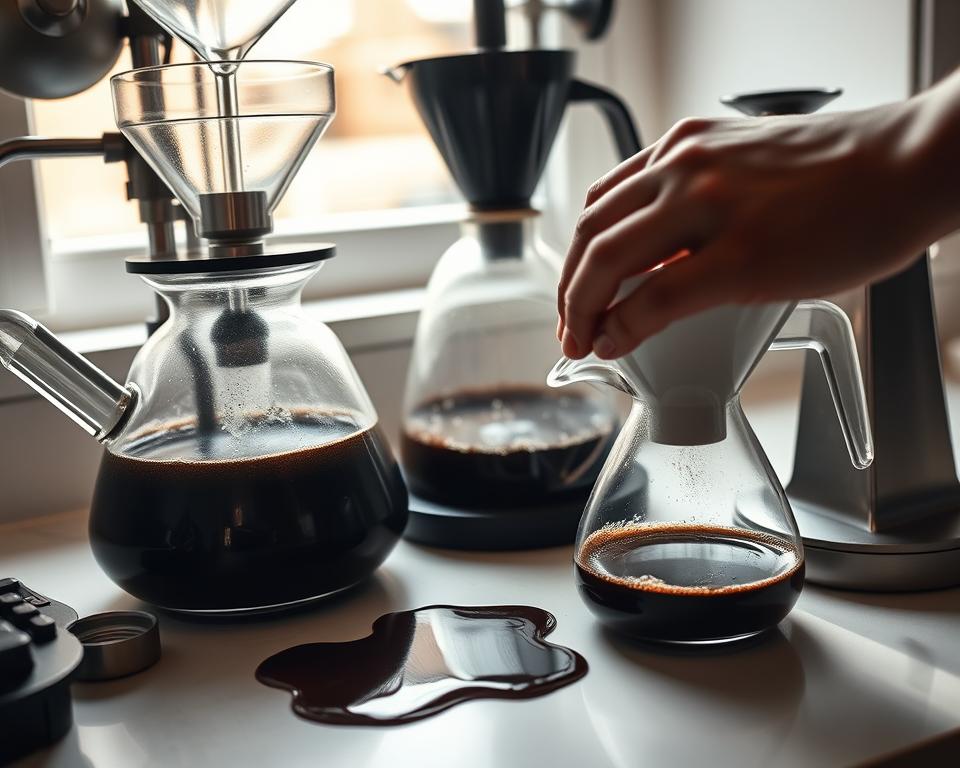
Guatemala Coffee is famous for its unique taste. But, getting the perfect cup can be tough. Knowing the common mistakes in brewing is key to avoiding them.
Specialty coffee needs careful attention. This includes the quality of the beans and how you brew them. By learning about common mistakes, you can improve your coffee-making skills. This way, you’ll enjoy a better cup of coffee.
Whether you’re an expert or just starting, knowing these mistakes can greatly improve your coffee. It ensures your Guatemala Coffee tastes great.
The Distinctive World of Guatemalan Specialty Coffee
Guatemalan Specialty Coffee stands out in the world of coffee. It’s known for its rich taste and top-notch quality. Coffee lovers praise its balanced acidity and full body.
Guatemala’s different areas add to its coffee’s special traits. Places like Antigua, Huehuetenango, and Atitlán are famous for their high-quality coffee. Each area has its own unique flavor.
| Region | Flavor Profile | Acidity |
|---|---|---|
| Antigua | Chocolate, Caramel | Balanced |
| Huehuetenango | Fruit, Floral | Bright |
| Atitlán | Nutty, Sweet | Medium |
Using the right brewing methods is key to enjoying Guatemalan Specialty Coffee. Knowing the coffee’s characteristics helps bring out its unique flavors and scents.
Water Temperature Mistakes That Ruin Guatemalan Coffee
One common mistake in making specialty coffee is ignoring the right water temperature for Guatemalan coffee. The water’s temperature is key to getting the best flavors from coffee beans. Guatemalan coffee, with its rich taste, needs the perfect brewing conditions to shine.
The best water temperature for coffee is between 195°F and 205°F. Water that’s too hot can scorch the coffee, while water that’s too cold can make it taste weak or sour. For Guatemalan coffee, with its chocolate, fruit, and spice notes, keeping this temperature is crucial.
To avoid mistakes with water temperature, coffee lovers use different tools. Thermometers, both digital and analog, help measure water temperature accurately. Some coffee makers have built-in thermometers or temperature control, making it easier to get the right temperature.
| Tool | Description | Benefits |
|---|---|---|
| Digital Thermometer | Provides precise temperature readings | Accuracy, ease of use |
| Temperature-Controlled Kettle | Allows for setting the exact brewing temperature | Precision, convenience |
| Coffee Maker with Temperature Control | Integrated temperature management for brewing | Consistency, ease of use |
Region-Specific Temperature Adjustments for Guatemalan Coffee
Guatemalan coffee beans from different areas might need slight temperature changes to highlight their unique flavors. For example, coffee from Antigua, known for its balanced acidity and rich taste, might be brewed at the higher end of the ideal range. Beans from other areas might be brewed at slightly lower temperatures.
Coffee-to-Water Ratio Errors with Guatemalan Beans
Getting the perfect cup of Guatemalan coffee needs a precise coffee-to-water ratio. This ratio is key in specialty coffee brewing. It affects the flavor, aroma, and quality of the coffee.
When brewing Guatemalan coffee, the right coffee amount is crucial. Too little coffee makes the brew weak and under-extracted. Too much coffee makes it too strong and bitter. The ideal ratio varies by brewing method but starts at 1:15 to 1:17 (coffee to water by weight).
To get the perfect ratio, you need accurate measuring tools. A digital scale is best for precise coffee and water measurements. Coffee scoops can also work, but they’re less accurate. For more on measuring coffee, check this guide on coffee per cup.
Adjusting Ratios Based on Guatemalan Coffee’s Altitude
Guatemalan coffee beans from high altitudes have a richer flavor. So, you might need to adjust the coffee-to-water ratio. Coffee from higher altitudes often needs a bit more coffee to water to get the best taste.
Understanding and adjusting the coffee-to-water ratio is vital for Guatemalan coffee. Using the right tools and adjusting for altitude helps avoid common mistakes. This way, coffee lovers can enjoy a perfectly balanced cup.
Grinding Blunders That Compromise Guatemalan Coffee Flavors
The grind size and technique for Guatemalan coffee beans are key. They can make or break your coffee’s taste. Grinding is a crucial step that impacts the extraction and flavor of your coffee.
Burr vs. Blade Grinders for Guatemalan Coffee
Choosing between burr and blade grinders is important for Guatemalan coffee. Burr grinders are better because they give a consistent grind size. This is vital for the best extraction. Blade grinders, however, can heat up the beans and give uneven grinds.
| Grinder Type | Consistency | Heat Generation |
|---|---|---|
| Burr Grinder | High | Low |
| Blade Grinder | Low | High |
Grind Adjustments for Different Guatemalan Regions
Guatemala’s different regions need slight grind size changes. This is because of bean density and processing method differences. For instance, Antigua coffee might need a finer grind than Huehuetenango coffee.
Knowing these details and adjusting the grind can really improve your Guatemalan coffee’s taste. Try different grind sizes and brewing methods to find what you like best.
Water Quality Oversights That Affect Guatemalan Coffee Taste
Many people overlook how water quality impacts Guatemalan coffee taste. Water is not just a neutral ingredient in coffee brewing. It’s crucial for extracting flavors from coffee beans.
Impurities and minerals in water can change Guatemalan coffee’s taste. For example, water with too much chlorine can make coffee taste bitter. On the other hand, water with the right minerals can bring out the coffee’s natural flavors.
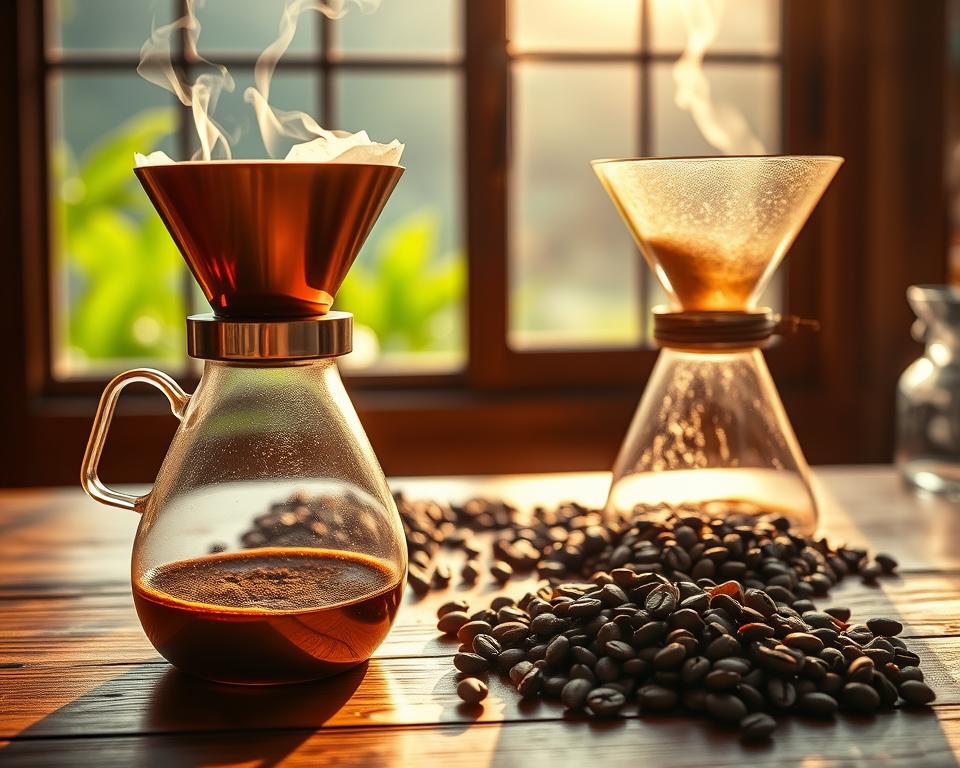
To brew Guatemalan coffee right, test your water for impurities and minerals. Simple water testing kits can show the pH level and mineral content. This lets you adjust your water treatment as needed.
Region-Specific Water Recommendations for Guatemalan Coffee
For Guatemalan coffee, use filtered or spring water. Some areas might need extra water treatment for specific impurities. Knowing your local water quality helps in choosing the right water treatment or selection.
By focusing on water quality, you can brew Guatemalan coffee perfectly. This ensures your coffee tastes its best.
Common Specialty Coffee Preparation Mistakes with Brewing Time
Getting the perfect cup of Guatemalan specialty coffee depends on the brewing time. The time it brews affects how much flavor comes out. If it’s too short, the coffee might taste sour. If it’s too long, it can taste bitter.
To avoid these mistakes, knowing the right brewing time for each method is key. Pour-over and French press need different times because they work differently.
Timing Techniques for Perfect Extraction
Getting the perfect extraction means timing the brew just right. Here are some tips:
- Use a timer to monitor the brewing process.
- Adjust the grind size of the coffee beans to suit the brewing method.
- Experiment with different coffee-to-water ratios to find the optimal balance.
Adjusting Brewing Time Based on Guatemalan Coffee Roast Level
The roast level of Guatemalan coffee beans affects the brewing time. Lighter roasts need shorter times, while darker roasts need longer. Adjusting the time based on the roast ensures the best taste.
Mastering brewing time and adjusting it for roast and method can help. This way, you can make specialty coffee without mistakes and enjoy a perfectly balanced cup every time.
Storage Errors That Degrade Guatemalan Coffee Quality
Keeping Guatemalan specialty coffee fresh is key. Mistakes in storage can ruin its taste. This affects how good it tastes.
Humidity and temperature are very important. Coffee beans don’t like changes in their environment. If stored wrong, they lose their special flavors.
Humidity and Temperature Control for Guatemalan Coffee
For top-notch Guatemalan coffee, keep it cool and dry. The best humidity is 50-70%. The temperature should be about 15°C (59°F). Don’t store coffee near sunlight, ovens, or heaters.
The time you can store Guatemalan coffee depends on how it’s processed and roasted. Lighter roasts don’t last as long as darker ones.
| Coffee Variety | Storage Life |
|---|---|
| Light Roast | 2-3 weeks |
| Medium Roast | 3-4 weeks |
| Dark Roast | 4-5 weeks |
By managing storage conditions and knowing the right time to store, coffee lovers can enjoy Guatemalan coffee at its finest.
Equipment Shortcomings When Brewing Premium Guatemalan Coffee
The quality of your brewing equipment greatly affects the taste of Guatemalan specialty coffee. Using low-quality equipment can ruin even the best Guatemalan beans.
Choosing the right brewing method is key. Each method brings out different flavors and acidity levels in Guatemalan coffee.
Brewing Methods That Highlight Guatemalan Coffee Characteristics
Pour-over, French press, and Chemex are top choices for brewing Guatemalan coffee. They each reveal unique notes and acidity levels.
| Brewing Method | Characteristics Highlighted |
|---|---|
| Pour-over | Clean, nuanced flavors, and acidity |
| French press | Rich, bold flavors, and heavier body |
| Chemex | Balanced flavors, smooth, and clean |
Maintenance Tips for Coffee Equipment Used with Guatemalan Beans
Keeping your coffee equipment clean is essential. Scale buildup and old coffee oils can ruin the taste of Guatemalan coffee.
Understanding the importance of equipment in brewing Guatemalan coffee is crucial. Proper maintenance allows coffee lovers to fully enjoy the flavors of Guatemalan specialty coffee.
Freshness Misjudgments with Guatemalan Coffee Beans
Guatemalan coffee lovers know that fresh beans are key for a great cup. Freshness affects the taste and smell of the coffee. It’s important to spot stale beans and choose the freshest ones.
Stale coffee beans can ruin your brew. Look out for these signs of staleness:
- A dull or flat aroma
- A flavor that is bitter or uncharacteristically bland
- Visible signs of aging, such as discoloration or oily spots on the beans
Buying Practices for the Freshest Guatemalan Beans
To get the freshest Guatemalan coffee beans, follow these tips:
- Purchase beans from local roasters or reputable online retailers who provide roast dates.
- Opt for whole beans over ground coffee to preserve freshness.
- Store beans in airtight containers, away from light and heat.
By paying attention to the freshness of your Guatemalan coffee beans, you can improve your brewing. Enjoy a more vibrant and complex flavor.
Rushing Through the Preparation of Guatemalan Specialty Coffee
To truly enjoy Guatemalan specialty coffee, slow down the brewing process. Rushing can ruin the unique flavors and aromas Guatemalan coffee is famous for.
Guatemalan specialty coffee is known for its complex taste. This can only be fully enjoyed when brewing is done carefully. A key step is pre-infusion, which lets the coffee grounds bloom and release their flavors.
Pre-Infusion Techniques for Different Guatemalan Regions
Different areas in Guatemala, like Antigua and Huehuetenango, have unique coffee tastes. Tailored pre-infusion techniques can enhance these flavors. For example, Antigua’s coffees might need longer pre-infusion for their chocolatey notes. Huehuetenango’s coffees might need less time to keep their bright acidity.
- Antigua: Longer pre-infusion to enhance chocolate notes
- Huehuetenango: Shorter pre-infusion to preserve bright acidity
- Atitlán: Balanced pre-infusion for a harmonious flavor
Creating a Mindful Brewing Ritual with Guatemalan Coffee
Creating a mindful brewing ritual is more than just following steps. It’s about being fully present and engaged. This can turn brewing into a meditative experience, making the coffee more enjoyable.
By brewing Guatemalan specialty coffee mindfully, coffee lovers can enhance their experience. They can appreciate the nuances and complexities that make Guatemalan coffee so special.
Conclusion: Elevating Your Guatemalan Specialty Coffee Experience
Preparing Guatemalan Specialty Coffee is an art that needs focus and knowledge of common mistakes. These mistakes can ruin its unique flavors. By paying attention to details like water temperature, coffee-to-water ratio, and grinding, you can improve your brewing skills.
It’s important to avoid common errors in brewing specialty coffee. This includes not checking the water quality and using the wrong equipment. Also, knowing how to store coffee beans and judging their freshness is key to enjoying a great cup of coffee.
By understanding and avoiding these common mistakes, you can enhance your coffee brewing skills. Whether you’re a coffee expert or new to specialty coffee, knowing these mistakes helps you enjoy Guatemalan coffee to the fullest.