
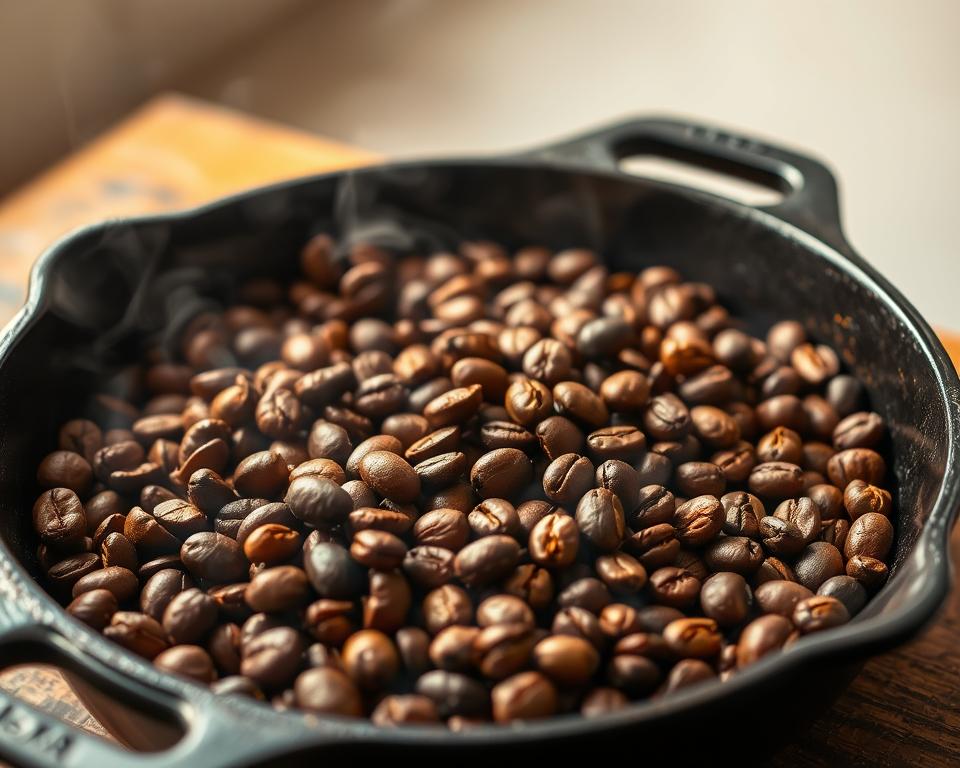
Learn how to turn raw Guatemalan coffee beans into a perfect cup. Home roasting lets you try different roast levels. This brings out the unique flavors and aromas of your favorite beans.
Guatemalan coffee is famous for its balanced acidity and rich flavor. It’s perfect for artisanal roasting. By learning how to roast, you can make the most of these high-quality beans. Enjoy a superior cup every time.
Whether you love coffee or are just starting, this guide is for you. It covers the basics of home roasting. You’ll learn how to improve your coffee game.
The Rich Heritage of Guatemalan Coffee
Guatemalan coffee’s heritage is shaped by its varied geography and climates. The country’s volcanic highlands and diverse ecosystems make its coffee stand out. This is why Guatemalan coffee is known for its high quality.
The regions of Antigua, Acatenango, and Atitlán have their own coffee flavors. Antigua coffee is known for its balanced acidity and rich taste. It has notes of chocolate and caramel.
Acatenango coffee is bright and fruity. Atitlán coffee is balanced, with hints of citrus and berries.
Huehuetenango, Cobán, and Other Regions
Huehuetenango and Cobán are also key coffee areas in Guatemala. Huehuetenango coffee is bright and complex, with citrus and wine notes. Cobán coffee is rich and balanced, with hints of spice and chocolate.
Altitude Effects on Bean Quality
The coffee’s altitude greatly affects its quality. Coffee grown at higher altitudes matures slower. This leads to a more complex flavor.
Guatemalan coffee from high altitudes is known for its dense beans and rich flavors.
Seasonal Harvest Variations
The coffee harvest season in Guatemala varies by region. It usually happens between November and March. The flavor changes with the season, with the best flavor coming from coffee harvested at the peak of ripeness.
Knowing these regional characteristics is key. It helps in using the best coffee roasting techniques. This way, we can bring out the unique flavors of Guatemalan coffee.
Why Guatemalan Beans Excel in Home Artisanal Roasting
Guatemalan beans are perfect for home roasting. They have a rich heritage and unique flavors. Coffee lovers really enjoy them.
Heat Retention Properties
Guatemalan coffee beans keep heat well. This is important for a consistent roast. It helps bring out the best flavors.
Consistent Roasting Development
The beans’ density helps with even roasting. This means every roast is satisfying.
Guatemalan coffee has many direct trade options. This lets home roasters get top-quality beans from farmers. It supports sustainable farming too.
Recognizing Quality Green Beans
Choosing the right green beans is key. Look for fresh, green beans that are stored well. This keeps their flavor and aroma strong.
| Characteristic | Benefit | Impact on Roasting |
|---|---|---|
| Heat Retention | Even Roasting | Enhanced Flavor |
| Density | Consistent Development | Better Roast Quality |
| Direct Trade | High-Quality Beans | Improved Flavor Profile |
Essential Equipment for Your Artisanal Coffee Roasting Journey
Starting your journey in artisanal coffee roasting means you need the right tools. These tools help bring out the unique flavors of Guatemalan coffee. You’ll need several key pieces to improve your roast quality.
Roasting small batches in a skillet on the stovetop or oven is simple. This method lets you control the roast closely.
Popcorn Popper Modifications
Modifying popcorn poppers for coffee roasting is a budget-friendly option. They roast evenly and are easy to clean.
Fluid Bed Roasters
Fluid bed roasters are a favorite among coffee lovers. They make consistent roasts by using hot air to suspend the beans.
Drum Roasters for Guatemalan Beans
Drum roasters are great for roasting big batches. They’re perfect for Guatemalan beans, enhancing their complex flavors.
Temperature Probes and Logging
Controlling temperature is key in coffee roasting. Temperature probes and logging devices help you monitor and adjust the roast in real-time.
Chaff Collection Systems
Chaff collection systems keep your roasting area clean. They catch the chaff that falls off during roasting, making cleanup simple.
For a detailed coffee roasting guide, check out the ultimate guide to coffee roasting. It offers a full overview of the roasting process.
- Skillet and oven roasting for small batches
- Popcorn popper modifications for even roasting
- Fluid bed roasters for consistent results
- Drum roasters for larger batches and traditional roasts
- Temperature probes for precise control
- Chaff collection systems for a cleaner process
Setting Up Your Home Roasting Space
Roasting Guatemalan coffee at home starts with a good roasting space. This space needs to be well-ventilated. It helps remove smoke and keeps heat from building up.
Here are key elements for a perfect roasting area:
- A dedicated space for roasting, away from direct sunlight and moisture.
- Proper ventilation, such as an exhaust fan or a ventilation system, to manage smoke and heat.
- A stable and heat-resistant surface for your roasting equipment.
- Storage for green coffee beans, keeping them fresh and protected from light and moisture.
Remember, safety is crucial when setting up your space. Make sure your roasting equipment is on a stable surface. Keep it away from flammable materials. Also, have a fire extinguisher nearby.
With careful planning, your home roasting space can improve your coffee roasting. You’ll get consistent, high-quality results with your Guatemalan coffee beans.
Understanding Roast Profiles for Guatemalan Coffee
Guatemalan coffee is known for its rich flavors. To bring out these flavors, a tailored roasting approach is needed. This starts with understanding roast profiles.
Temperature control is key to perfect roasting. For Guatemalan coffee, a temperature of 400°F to 450°F is best during roasting.
Visual and Auditory Cues
Roasters need to watch for visual and auditory signs. The first crack, which happens around 4-5 minutes, signals a light roast.
Developing Sweetness and Body
To enhance sweetness and body, adjust the roast level. Guatemalan coffee is sweeter at a medium roast level.
| Roast Level | Characteristics |
|---|---|
| Light Roast | Bright acidity, fruity flavors |
| Medium Roast | Balanced acidity, sweet flavors |
| Dark Roast | Low acidity, rich, bold flavors |
Controlling Development Rate
The development rate impacts the flavor. A slower rate leads to a more complex taste.
Managing Second Crack
The second crack, around 10-12 minutes, marks a darker roast.
Avoiding Over-Roasting
Over-roasting makes coffee bitter. Keep a close eye and cool the beans fast after the second crack to avoid this.
Mastering roast profiles unlocks Guatemalan coffee’s full flavor. Home roasters can achieve a rich and satisfying taste.
The Definitive Artisanal Coffee Roasting Guide: Step-by-Step Process
The journey to perfecting artisanal coffee roasting is deep. It involves a detailed step-by-step process, especially with Guatemalan beans. Knowing this process well is key to unlocking Guatemalan coffee’s unique flavors and aromas.
First, prepare your green coffee beans. Make sure they are stored right and at room temperature before roasting. The quality of these beans greatly affects the final taste, so choose high-quality Guatemalan beans for the best start.
The step-by-step coffee roasting guide covers several important stages:
- Preheat the roaster to the perfect temperature.
- Add green coffee beans and start roasting.
- Watch the temperature and adjust it to get the roast you want.
- Listen for the “first crack,” which means the coffee is light.
- Keep roasting until you reach your desired roast level.
- Cool the beans right after roasting to stop the process.
Every stage in the artisanal coffee roasting process is vital. For Guatemalan coffee, known for its balanced taste and rich flavor, a medium roast is often the best choice.
By following this guide and understanding the nuances of the process, you can bring out the best in your Guatemalan coffee beans. Enjoy a cup that’s full of flavor and aroma.
Region-Specific Roasting Techniques for Guatemalan Coffee
To get the best out of Guatemalan coffee, roasters need to use special techniques for each region. Guatemalan coffee tastes different because of where it’s grown.
Optimal Roast Curves
Roast times change with the region. For example, beans from Antigua might need a bit more time to roast fully.
Flavor Development Markers
Knowing when to stop roasting is key. Places like Huehuetenango need a lighter roast to keep their bright acidity.
Temperature Adjustments for High-Grown Beans
Beans from high places, like Atitlán, need special care. A slow start in roasting helps bring out their unique tastes.
| Region | Roast Time | Temperature Adjustment |
|---|---|---|
| Antigua | Longer | Moderate |
| Huehuetenango | Shorter | Lower |
| Atitlán | Moderate | Slower ramp |
Recognizing Peak Development Points
It’s important to know when the beans are at their best. This means watching them closely while roasting.
Humidity Considerations
Humidity affects roasting. Places with more humidity might need changes in roast time or temperature.
Extending or Shortening Development Time
Roasters can adjust the roast time to fit the bean’s needs. This lets them customize the roast for each coffee’s unique taste.
By using these special roasting methods, roasters can really highlight Guatemalan coffee’s unique tastes and qualities.
Troubleshooting Common Issues When Roasting Guatemalan Beans
Roasting Guatemalan coffee at home can be tricky. These beans have complex flavors that need careful roasting.
Problems like underdeveloped tastes, over-roasting, and uneven roasts are common. To fix underdeveloped flavors, balance your roasting time and temperature. A medium to medium-dark roast often works best for Guatemalan beans.
To avoid over-roasting, watch the roasting closely, especially during key stages. Here are some tips to solve common roasting problems:
- Check your green coffee bean quality before roasting.
- Adjust your roasting time and temperature according to the bean’s origin and density.
- Use a thermometer to ensure accurate temperature control.
- Listen for the “cracks” that indicate the coffee has reached certain roast levels.
By following these tips and paying attention to the roasting process, you can get a great roast. Try different roast levels to find what you like best.
Post-Roast Handling: Storing and Aging Your Guatemalan Coffee
After roasting Guatemalan coffee, it’s key to handle it right to keep its unique taste. How you store and age your coffee greatly affects its flavor and smell.
To keep your Guatemalan coffee top-notch, store it in a sealed container. Make sure it’s away from light, heat, and moisture. This step helps keep the coffee’s taste and aroma fresh.
- Store coffee in a cool, dark place, such as a pantry or cupboard.
- Use airtight containers, like glass or ceramic containers with tight-fitting lids.
- Keep the coffee away from strong-smelling foods, as coffee can absorb odors easily.
- Avoid storing coffee in the refrigerator or freezer, as this can cause moisture to accumulate and affect the flavor.
Aging Guatemalan coffee can enhance its flavors over time. But, it’s important to watch it closely to avoid staleness.
By following these tips and using the right equipment, you can enjoy your Guatemalan coffee at its finest. Whether you like it fresh or aged, it will be perfect.
Brewing Methods to Showcase Your Artisanal Guatemalan Roasts
Mastering the art of roasting Guatemalan coffee is just the start. Now, it’s time to find the best brewing methods to highlight its unique flavors. The right brewing technique can make your coffee experience even better, bringing out the distinct notes and aromas.
Several brewing methods are perfect for showcasing Guatemalan roasts. Pour-over lets you control brewing parameters, tailoring the extraction to the roast. French press brings out the full-bodied flavors, as it steeped coffee grounds in water, extracting more oils and sediment.
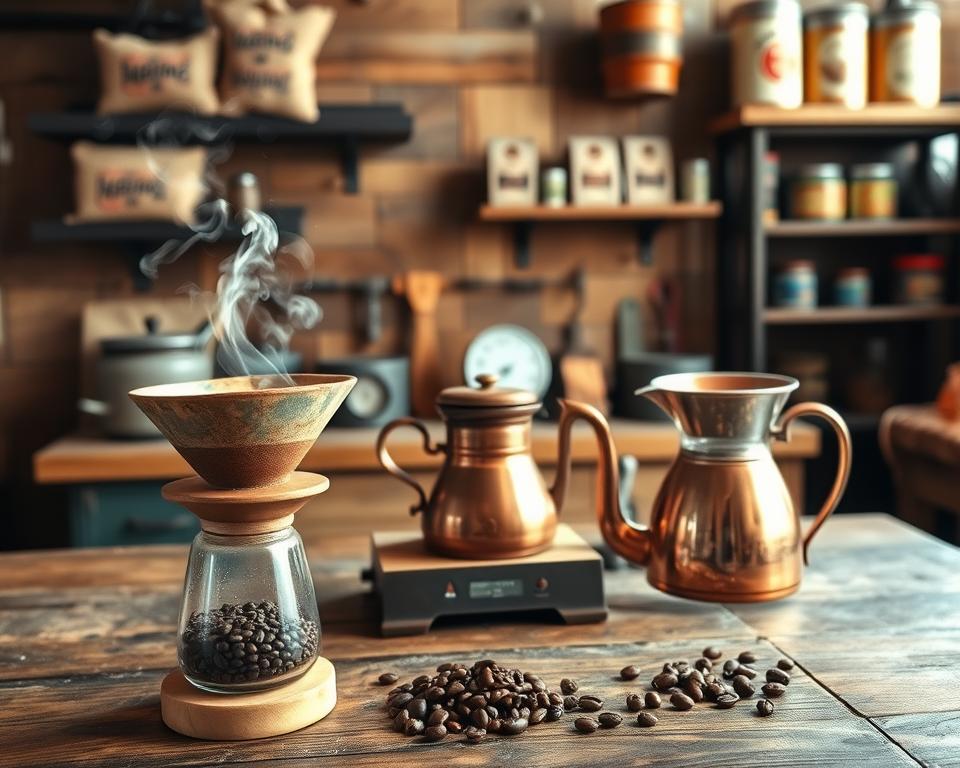
Aeropress and cold brew are also great choices. Aeropress is versatile, making everything from espresso-style shots to smooth coffee. Cold brew is perfect for hot days, offering a smooth, low-acidity coffee that’s great over ice.
- Pour-over: Allows for a high degree of control over brewing parameters.
- French press: Brings out the full-bodied flavors of Guatemalan coffee.
- Aeropress: Versatile and can be used for a variety of coffee drinks.
- Cold brew: Smooth, low-acidity coffee perfect for hot summer days.
By trying out these brewing methods, you can find the perfect way to enjoy your Guatemalan roasts. You’ll apply the best roasting techniques and tips to create an exceptional coffee experience.
Conclusion: Embracing the Art of Guatemalan Coffee Roasting at Home
Roasting Guatemalan coffee at home is a rewarding experience. It lets you unlock the full potential of these exceptional beans. By following this guide, you’ve learned how to craft unique and delicious roasts.
As you keep improving, remember that practice is key. Try different roast profiles and brewing methods to find your perfect cup. Whether you’re a coffee lover or just starting, roasting at home is full of creativity and discovery.
With the right equipment and patience, you can master roasting Guatemalan coffee at home. Just follow the steps in this guide. You’ll soon be making coffee that rivals any specialty roaster.