
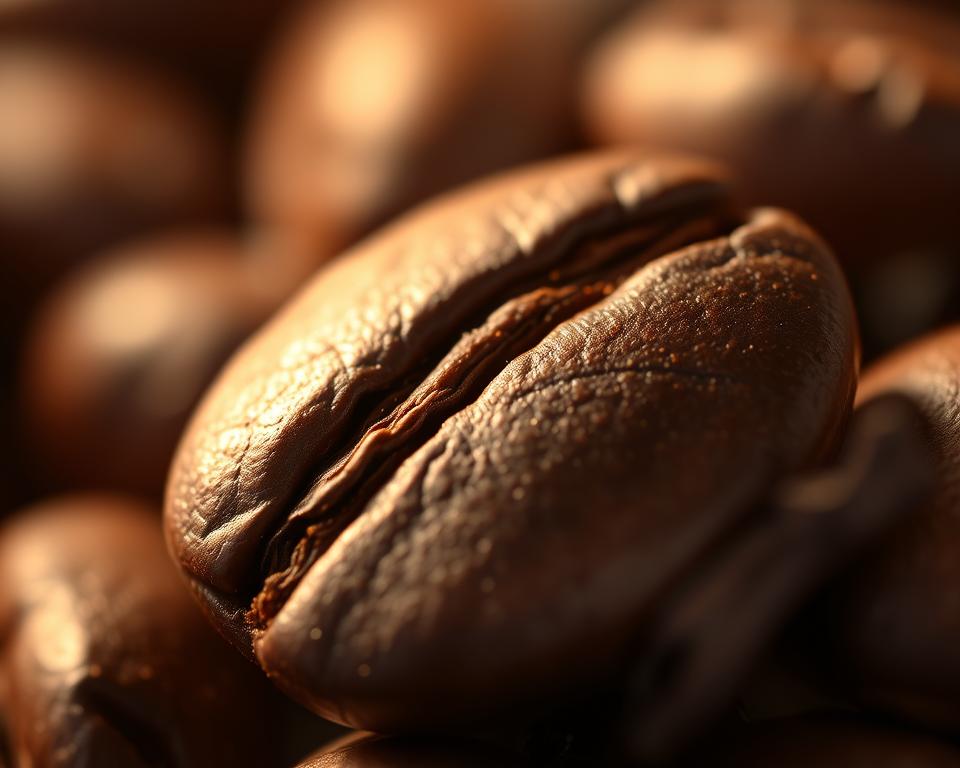
Guatemalan Coffee is famous for its deep flavor and scent. The roast level greatly affects its taste and caffeine.
Roasting coffee is a detailed process. It changes the coffee’s flavor and how much caffeine it has. Knowing this is key for coffee lovers and makers.
This article will dive into how roast levels impact caffeine. We’ll focus on Guatemalan Coffee. We want to share how to get the right caffeine level in this coffee.
The Science of Coffee Roasting in Guatemala
The coffee roasting process in Guatemala is a mix of temperature, time, and technique. It greatly affects the caffeine in the final coffee. Guatemalan coffee makers are experts at roasting, which is key to unlocking the coffee’s unique flavors and caffeine levels.
Coffee roasting turns green coffee beans into the brown ones we use for brewing. It heats the beans to high temperatures, changing their chemical makeup. This affects the flavor and caffeine content. Lighter roasts keep more caffeine, while darker roasts may lose some due to longer roasting times.
Guatemalan coffee is known for its high quality, thanks to the country’s climate and soil. The roasting process enhances these qualities, with different techniques used to create various flavors and caffeine levels. Knowing the science behind coffee roasting helps us appreciate the skill in making Guatemalan coffee.
Guatemalan coffee makers control the roasting to meet caffeine needs. This way, they can offer a wide range of coffees to different tastes.
Understanding Caffeine: The Energizing Compound in Guatemalan Coffee
Caffeine is key to enjoying Guatemalan coffee. It’s a natural stimulant found in many plants, including coffee beans. In Guatemalan coffee, caffeine boosts energy and shapes its taste.
The amount of caffeine in coffee depends on several things. These include the coffee bean type, where it grows, and how it’s roasted. Guatemalan coffee, made from high-quality Arabica beans, usually has a good amount of caffeine. The roast level also matters, with lighter roasts having more caffeine than darker ones.
The roasting process can reduce caffeine levels. But, the difference in caffeine between roast levels isn’t huge. Other things, like how you brew your coffee, also affect how much caffeine you get.
In short, Guatemalan coffee is loved for its taste and caffeine. Knowing how roast level affects caffeine helps coffee lovers choose the right cup.
The Roast Level Caffeine Relation: Debunking Common Myths
Many think that the roast level of coffee beans directly affects caffeine content. But is this true? Coffee lovers often believe that lighter roasts have more caffeine than darker ones. Yet, the link between roast level and caffeine is not as simple as it seems.
The truth is, the caffeine difference between light and dark roasts is small. Studies show that caffeine levels stay pretty much the same across roast levels. For example, a study found that caffeine in coffee beans barely changes during roasting.
Guatemalan coffee’s caffeine content doesn’t change much with roast level either. Whether you like light or dark roasts, the caffeine won’t differ much. So, your roast choice can be based on taste, not caffeine.
To wrap it up, the idea that darker roasts have less caffeine than lighter ones is overblown. The roast level and caffeine connection is more about taste than caffeine. So, when picking a Guatemalan coffee, focus on the flavor you want. You’ll enjoy your coffee, caffeine content aside.
Guatemalan Coffee Roast Profiles: A Complete Guide
Roast profiles are key to highlighting Guatemalan coffee’s unique traits. Guatemala’s diverse regions offer high-quality coffee beans with distinct flavors.
Guatemalan coffee is roasted at various levels to highlight its qualities. Lighter roasts keep the coffee’s natural acidity. Darker roasts reveal deeper, richer tastes.
Guatemalan coffee is famous for its dark roasts. These offer a unique taste with bold flavors. You’ll find notes of chocolate, caramel, and spices.
Many debate the best roast for caffeine. Darker roasts seem bolder, but caffeine levels are similar across roasts. The brewing method can affect caffeine content slightly.
Guatemalan coffee roast profiles range from light to dark. Each level offers a different experience. From bright acidity in light roasts to deep flavors in dark roasts.
- Light Roasts: Preserve natural acidity and fruit notes.
- Medium Roasts: Balance acidity and body, offering a smooth flavor.
- Dark Roasts: Bring out deep, rich flavors with notes of chocolate and spices.
Understanding these roast profiles is essential for enjoying Guatemalan coffee. Whether you like light, medium, or dark roasts, there’s a Guatemalan coffee for you.
How Altitude Affects Guatemalan Coffee Beans and Their Caffeine Content
The altitude where Guatemalan coffee beans grow changes their caffeine levels. Beans grown higher up mature slower. This can make their flavor more complex and possibly increase their caffeine.
Coffee beans from high altitudes are denser and have more acidity. The cooler temperatures and slower ripening allow for better sugar and acid development. This can also raise the caffeine content.
The link between altitude, roast level, and caffeine is complex. Higher altitudes might mean more caffeine, but the roast level also plays a role. The roast can change how much caffeine is in the coffee you drink.
| Altitude (meters) | Caffeine Content | Roast Level Impact |
|---|---|---|
| 1,200-1,500 | Moderate | Light roast preserves caffeine |
| 1,500-2,000 | Higher | Dark roast reduces caffeine |
Knowing how altitude impacts Guatemalan coffee beans and their caffeine can guide coffee lovers in their choices.
How to Measure Caffeine Content in Different Guatemalan Roasts
To find out how much caffeine is in Guatemalan roasts, look at both how they look and how they taste. It’s important to know what Guatemalan coffee beans are like and how they change with different roasts.
Visual Indicators in Guatemalan Beans
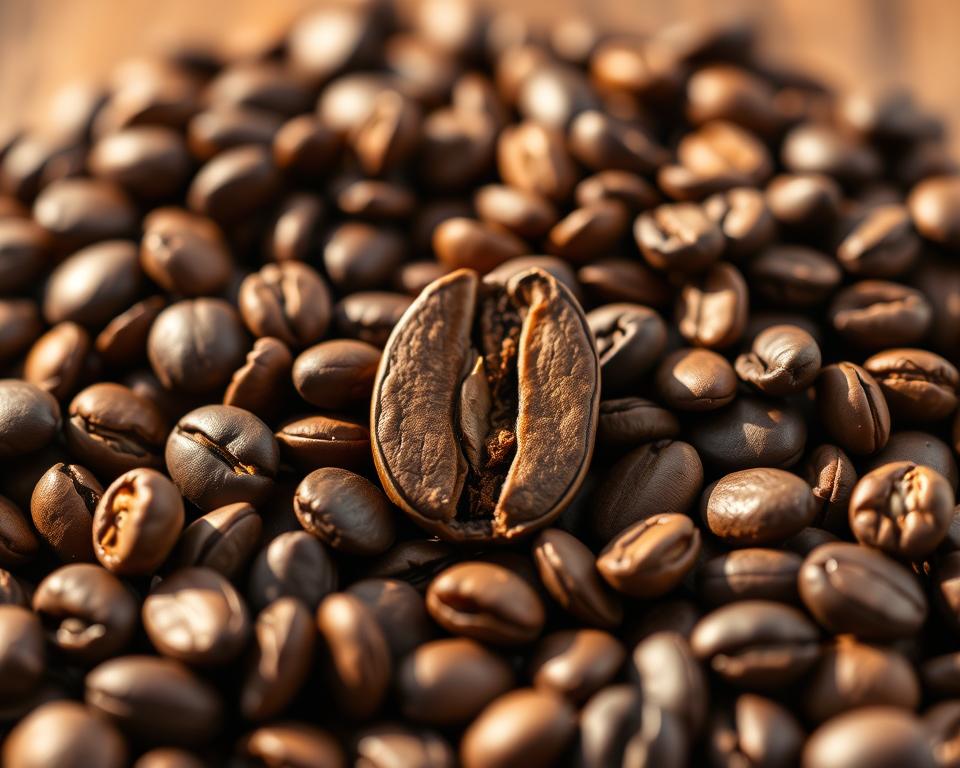
Looking at the beans is the first step to guess caffeine levels. Lighter roasts usually have more caffeine because some is lost when they’re roasted. Beans that look light brown and dry are likely lighter roasts.
Darker roasts, on the other hand, look oilier and are darker brown or almost black. While looking can give a first guess, it’s not always right. Other things like bean density and size also affect caffeine levels.
Tasting the coffee is key to figuring out caffeine levels. Lighter roasts taste more acidic and are lighter in body. Darker roasts are richer and might taste like chocolate or caramel.
- Lighter roasts: acidic, light body, higher caffeine
- Darker roasts: richer, chocolate or caramel notes, lower caffeine
By paying attention to taste and sensation, coffee lovers can guess caffeine levels in Guatemalan coffee. This is true even without lab tests.
Brewing Methods That Maximize Caffeine Extraction from Guatemalan Coffee
Brewing Guatemalan coffee needs a careful touch to bring out its caffeine and flavor. Guatemala’s unique soil gives its coffee a special taste. The right way to brew can make it even more caffeinated.
There are several ways to get more caffeine from Guatemalan coffee. French press, espresso, and pour-over are some of the best. Each method has its own way of changing the coffee’s caffeine level.
Guatemalan Café Pachequeño is a famous coffee known for its balanced taste and rich flavor. Here’s how to brew it:
- Measure 1 tablespoon of coffee for every 6 ounces of water.
- Heat water to around 200°F.
- Pour the heated water over the coffee grounds in a French press or pour-over.
- Steep for 4 minutes before pressing or straining.
| Brewing Method | Caffeine Extraction Level | Flavor Profile |
|---|---|---|
| French Press | High | Rich, Bold |
| Espresso | Very High | Concentrated, Intense |
| Pour-Over | Medium to High | Clean, Balanced |
Choosing the right brewing method lets coffee lovers enjoy Guatemalan coffee’s caffeine and flavor. It’s a win-win for both energy and taste.
How to Select the Right Guatemalan Roast for Your Caffeine Needs
It’s important to know how roast levels affect caffeine in Guatemalan coffee. Guatemalan coffee is famous for its rich taste and various roast levels. Each level has its own caffeine amount.
When picking a Guatemalan roast, think about these points to find the right one for you:
- Light roasts: Higher caffeine content, lighter flavor
- Medium roasts: Balanced flavor, moderate caffeine content
- Dark roasts: Lower caffeine content, richer flavor
The roast level greatly changes the caffeine in Guatemalan coffee. Lighter roasts usually have more caffeine than darker ones. Here are some key points:
Think about your caffeine needs and likes. If you want more caffeine, choose a lighter roast. For a stronger taste, a darker roast might be better.
By knowing how roast levels affect caffeine and what you need, you can pick the best Guatemalan roast for your caffeine needs.
Health Considerations: Managing Caffeine Intake with Guatemalan Coffee
The caffeine in Guatemalan coffee can affect your health in different ways. It can make you feel more alert and energetic. But, too much caffeine can cause jitters, anxiety, and trouble sleeping.
It’s important to control how much caffeine you drink, especially if you often have Guatemalan coffee. Knowing how much caffeine is in different roasts is key. Lighter roasts usually have more caffeine than darker ones.
Here are some tips for managing caffeine intake with Guatemalan coffee:
- Keep track of all the caffeine you get, not just from coffee.
- Change how you brew your coffee to get less caffeine.
- Try a darker roast if you’re too sensitive to caffeine.
- Listen to how your body reacts to caffeine and adjust your drinking.
By knowing how much caffeine is in Guatemalan coffee and managing it, you can enjoy its benefits. This way, you can avoid any negative health effects.
Step-by-Step Guide to Roasting Guatemalan Beans at Home
Guatemalan coffee is famous for its deep flavor. Roasting your own beans lets you try out various roast levels. It’s a fun way to make your coffee just right.
Light Roast Process (Maximum Caffeine Retention)
Start by heating your roasting gear to 400°F (200°C). Add the green Guatemalan coffee beans and roast for 10-12 minutes. This keeps the most caffeine in the beans.
Medium Roast Process (Balanced Approach)
For a medium roast, roast the beans for 14-16 minutes. Aim for an internal temperature of 420°F (220°C). This roast balances flavor and caffeine well.
Dark Roast Process (Flavor-Forward Approach)
To get a dark roast, roast the beans for 18-20 minutes. Reach an internal temperature of 440°F (225°C). Dark roasts are bold but have less caffeine.
Here’s a comparison of the roast levels and their effects on caffeine retention:
| Roast Level | Roasting Time | Internal Temperature | Caffeine Retention |
|---|---|---|---|
| Light Roast | 10-12 minutes | 400°F | Maximum |
| Medium Roast | 14-16 minutes | 420°F | Moderate |
| Dark Roast | 18-20 minutes | 440°F | Lower |
The Future of Guatemalan Coffee: Innovations in Roasting and Caffeine
Guatemalan coffee is on the verge of a big change thanks to new roasting methods. The coffee world is seeing a rise in advanced roasting techniques. These methods improve the taste and affect the coffee’s caffeine level.
Advanced roasting technologies are key to this change. They let roasters control the roasting process better. This means they can adjust the caffeine to meet different tastes.
There’s also a trend towards trying out different roast levels and profiles. Lighter roasts, for example, keep more caffeine than darker ones. This knowledge is leading to new roast profiles that balance taste and caffeine.
The future of Guatemalan coffee is bright, thanks to these innovations. As people become more picky, they’ll want coffee that’s not only high-quality but also has the right amount of caffeine. This will push the industry to keep innovating.
Conclusion: Making Informed Choices About Guatemalan Coffee Roasts and Caffeine
Knowing how roast level caffeine relation works is key for coffee lovers. It helps them get the most out of their Guatemalan Coffee. By understanding the impact of roast levels on caffeine, they can pick the right coffee for them.
Guatemalan Coffee is famous for its bold taste and scent. It comes in many roast levels to match different tastes. Whether you prefer a light roast for more caffeine or a dark roast for a richer flavor, knowing the roast level caffeine relation is essential.
When you think about altitude, brewing methods, and roast levels, you can improve your coffee experience. This knowledge lets you control your caffeine intake while enjoying Guatemalan Coffee’s unique qualities.
In short, making informed choices about Guatemalan Coffee’s roasts and caffeine boosts your coffee experience. By grasping the details of coffee roasting and caffeine, you can fully enjoy Guatemalan Coffee’s rich flavors and benefits.