

Guatemala is famous for its top-notch coffee. It’s a great place to start a global coffee brand. The country’s rich soil and varied climates make its coffee flavors popular worldwide.
To succeed in the global coffee market, you need to know how to market your coffee. Use Guatemala’s unique coffee to create a brand that appeals to people everywhere.
As more people want specialty coffee, having a strong online presence is key. Also, use targeted marketing to make your brand shine in a busy market.
Understanding the Global Coffee Market
The world’s love for coffee is growing fast. Knowing the global coffee market is key for brands to succeed abroad. Many things shape this market, like what people like to drink, how developed the market is in different places, and the need for specialty coffee.
Specialty Coffee Growth and Consumer Preferences
Specialty coffee is booming. People want unique, high-quality coffee experiences. They’re looking for single-origin coffees, like those from Guatemala, for their special tastes.
Regional Differences in Coffee Market Maturity
Every region has its own coffee market level. In places like North America and Europe, people know a lot about coffee. But, in Asia and Latin America, coffee is getting more popular, offering chances for growth.
Guatemalan coffee is special because of its unique flavors and quality. Brands can stand out by focusing on these qualities.
Emerging Markets with Growing Coffee Culture
Places like China and Southeast Asia are seeing coffee culture grow fast. This is a big chance for coffee brands to expand. A World Bank report says these areas will lead in coffee demand soon.
Some big trends in the global coffee market are:
- More people want specialty coffee
- Sustainability and fair trade are becoming more important
- Coffee is getting more popular in new markets
The Unique Value of Guatemalan Coffee
Guatemala’s coffee is special because of its rich volcanic soil and varied climate. The country’s coffee industry is known for its diverse regions. Each region adds its own unique flavor to the coffee.
Antigua, Huehuetenango, and Atitlán Regional Characteristics
Antigua, Huehuetenango, and Atitlán are famous for their coffee. Antigua coffee is known for its balanced acidity and rich flavor. Huehuetenango coffee has bright acidity and fruit notes.
Atitlán coffee is smooth and balanced, thanks to the lakes and volcanic soil around it.
Altitude, Climate, and Soil Influences on Flavor Profiles
The altitude, climate, and soil in Guatemala greatly affect coffee flavor. High-altitude areas produce coffee with complex acidity and rich flavors. The volcanic soil adds mineral notes to the coffee.
| Region | Flavor Profile | Altitude |
|---|---|---|
| Antigua | Balanced acidity, rich flavor | 1,500 – 1,700 meters |
| Huehuetenango | Bright acidity, fruit notes | 1,700 – 2,000 meters |
| Atitlán | Smooth, balanced taste | 1,500 – 1,800 meters |
Mayan Coffee Cultivation History and Traditions
Coffee cultivation in Guatemala goes back to the Mayan civilization. The traditions and techniques passed down through generations make Guatemalan coffee unique.
Connecting Modern Consumers to Guatemalan Coffee Culture
Understanding Guatemalan coffee’s history and traditions helps modern consumers connect with the culture. This connection enriches their coffee experience.
Defining Your Coffee Brand Identity
To succeed globally, your coffee brand must connect with many people. It needs a unique and appealing image. This image should attract a wide range of consumers.
Authentic Storytelling Elements That Resonate Globally
Authentic stories are key to reaching your audience. Important parts include:
- Sharing the origin and history of your coffee
- Highlighting the craftsmanship in coffee production
- Emphasizing Guatemalan coffee’s unique qualities
Balancing Local Authenticity with International Appeal
It’s important to balance local charm with global appeal. This means:
- Showcasing Guatemalan culture and traditions
- Meeting global consumer tastes
Designs that show Guatemalan heritage can boost brand recognition. These include:
- Using traditional Guatemalan patterns and colors
- Adding local motifs and images
Packaging Innovations That Preserve Coffee Quality Across Borders
Innovative packaging is key to keeping coffee fresh. Think about:
- Choosing materials that keep coffee fresh
- Designing packaging that looks good and works well
By focusing on these areas, you can create a strong brand identity. It will resonate worldwide while keeping Guatemalan coffee culture alive. This aligns with today’s coffee branding trends.
Market Research and Target Audience Identification
Market research is key to finding the right audience for a global coffee brand. It’s important to know the details of each market. This helps in making good global coffee marketing plans.
Specialty Coffee Enthusiasts vs. Mainstream Consumers
Specialty coffee lovers enjoy unique, high-quality coffee experiences. On the other hand, regular coffee drinkers look for something easy and affordable.
B2B Opportunities with International Cafés and Retailers
Working with international cafés and retailers can help a coffee brand grow. It’s a smart way to reach more people worldwide.
Adapting to Regional Brewing Preferences and Habits
How people drink coffee varies by region. In Europe, espresso is big, while in North America, pour-over is becoming more popular.
Price Sensitivity and Perceived Value Across Markets
How much people are willing to pay for coffee changes with each market. It’s vital to set prices that are fair but also make the brand profitable.
| Target Audience | Characteristics | Marketing Strategies |
|---|---|---|
| Specialty Coffee Enthusiasts | Appreciation for high-quality coffee, willingness to pay premium prices | Highlight unique coffee origins, quality control processes |
| Mainstream Consumers | Prioritize convenience, affordability | Emphasize brand accessibility, competitive pricing |
| International Cafés and Retailers | Businesses looking for reliable coffee suppliers | Offer competitive pricing, reliable logistics, quality assurance |
International Coffee Brand Building: Step-by-Step Strategy
To build an international coffee brand, you need a solid plan. You must understand the global market and adjust your strategy. This ensures your brand can grow worldwide.
Competitive Analysis of Global Coffee Brands
Start by analyzing your competitors. Look at their strategies, strengths, and weaknesses. Knowing the market helps you find your place and avoid pitfalls. For more on starting a brand, check this resource.
Defining Your Unique Value Proposition
It’s key to know what makes your brand special. This could be your focus on sustainability, the quality of your beans, or your story. A clear UVP attracts and keeps customers.
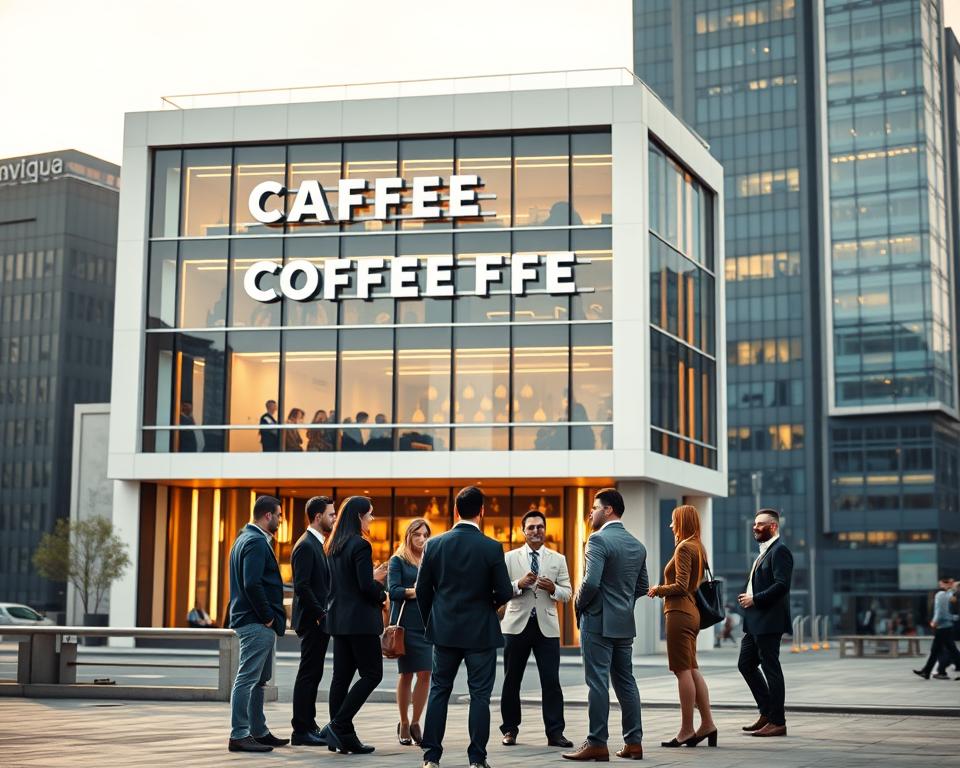
Planning your finances is crucial. You’ll need money for research, marketing, and operations in new markets. Good financial planning ensures you have the resources to grow globally.
Resource Allocation Across Markets
Managing resources well is vital for growth. This means using people, money, and operations wisely in different places. Smart resource use boosts ROI and keeps your brand consistent.
Consistency vs. Localization in Brand Messaging
Finding the right balance in messaging is important. Keep your brand image consistent but also adapt to local tastes. This creates a strong global brand identity.
Creating Brand Ambassadors in Target Markets
Having local ambassadors can greatly help your brand. Work with influencers or businesses to connect with your audience. Ambassadors boost awareness and loyalty.
By following these steps and tailoring your strategy, you can build a global coffee brand. It will resonate with people all over the world.
Sourcing and Quality Control for Global Standards
To build a top international coffee brand, you must focus on quality coffee beans. This focus is key to gaining coffee brand recognition and growing your brand.
Finding and Vetting Reliable Coffee Producers
First, find and work with trusted coffee producers. You need to check if they meet your quality and sustainability standards.
Creating Mutually Beneficial Long-term Partnerships
It’s important to form lasting partnerships with coffee producers. These partnerships should help both sides, offering fair pay and support for the producers. This ensures a steady supply of quality beans.
Using strict cupping and quality grading systems is crucial. These steps help check the coffee’s taste and quality.
Maintaining Consistency Across Harvests and Shipments
To keep quality high, you must control it across all harvests and shipments. Regular checks and adjustments are needed to meet global standards.
By focusing on these key areas, a coffee brand can build a strong global reputation. This opens the door to successful growth internationally.
Sustainability and Ethical Practices in Coffee Brand Development
To stand out in the global coffee market, a brand must focus on sustainability and ethical sourcing. As people care more about the environment, coffee brands need to meet these growing expectations.
Shade-grown coffee helps preserve biodiversity and supports a healthy ecosystem. It keeps the canopy cover, which helps many plants and animals thrive. This improves the ecological balance.
Climate Change Adaptation Strategies for Coffee Farmers
Coffee farmers face big challenges from climate change, like unpredictable weather and rising temperatures. They need to use drought-resistant coffee and soil conservation to keep coffee farming alive.
Beyond Fair Trade: Creating Equitable Value Chains
Fair Trade is a good start, but creating fair value chains is more complex. It means more than just paying fair prices. It’s about training farmers, improving market access, and building direct trade relationships.
Community Development Initiatives That Strengthen Your Brand
Investing in community programs, like education and healthcare, boosts a brand’s reputation. It shows the brand cares about the communities it works with. This builds loyalty among customers.
| Sustainability Practice | Benefits | Impact |
|---|---|---|
| Shade-Grown Coffee | Biodiversity Preservation, Soil Health | Ecological Balance, Enhanced Ecosystem Services |
| Climate Change Adaptation | Resilience to Weather Variability | Long-term Viability of Coffee Production |
| Equitable Value Chains | Fair Prices, Improved Livelihoods | Social Equity, Enhanced Farmer Welfare |
By focusing on sustainability and ethics, coffee brands can help the industry and attract loyal customers. They stay ahead of trends and contribute to a better world.
Navigating International Coffee Regulations and Certifications
Global coffee marketing needs a deep understanding of international rules and certifications. Coffee brands must follow these rules to succeed in new markets.
Documentation and Compliance for Major Markets
The EU and the US have strict rules for coffee imports. Brands need the right documents, like certificates of origin and export permits.
Working with Customs Brokers and Freight Forwarders
Customs brokers and freight forwarders are key in international trade. They make sure coffee shipments meet all rules.
Certifications like Organic, Fair Trade, and Rainforest Alliance are important. The process includes inspections and following certain standards.
Market-Specific Quality and Safety Certifications
Each market has its own quality and safety standards. For example, the EU demands HACCP compliance. Brands must know these rules to enter different markets.
Global Marketing Strategies for Coffee Brands
Coffee brands aiming to grow globally must craft marketing plans that fit local tastes and global appeal. They need to grasp the unique aspects of each market. This way, they can connect with a wide range of customers.
Key strategies for global coffee marketing include several important steps. One essential step is creating content in many languages. This is crucial for reaching more people. By making content available in different languages, brands can get better search engine rankings. This boosts their SEO.
Multilingual Content Strategy and SEO
A good multilingual content strategy goes beyond just translating. It also makes content fit local tastes and preferences. Adding SEO best practices to this can greatly increase a brand’s online visibility.
Virtual Tasting Experiences and Online Education
Virtual tastings and online coffee education can engage and build loyalty among consumers. These activities help people understand and appreciate the coffee’s quality and uniqueness. This enhances their overall experience.
Visual Storytelling Through Producer Profiles
Visual storytelling through producer profiles can create a deep connection with consumers. Sharing the stories behind the coffee promotes ethical and sustainable practices.
User-Generated Content and Community Building
Encouraging users to share their experiences and building a community around the brand can increase loyalty and engagement. People are more likely to support brands they feel connected to.
Strategic Selection of Industry Events
Attending industry events is a smart marketing move for coffee brands. It offers chances for networking, boosting brand visibility, and exploring new markets.
Maximizing ROI from Exhibition Investments
To get the most from exhibition investments, brands should aim to create memorable experiences. This can include interactive displays and sampling products.
By using these global marketing strategies, coffee brands can grow their international presence. The key is to stay flexible, listen to consumer needs, and focus on delivering top-quality products and experiences.
- Develop a multilingual content strategy
- Create engaging virtual tasting experiences
- Utilize visual storytelling through producer profiles
- Foster user-generated content and community building
- Strategically select industry events to participate in
- Maximize ROI from exhibition investments
Distribution and Sales Channels for International Expansion
Building a global coffee brand is all about finding the right distribution and sales channels. It’s key to make sure your coffee gets to the right places.
Direct-to-Consumer Models vs. Marketplace Platforms
Coffee brands have to choose between direct sales and using online marketplaces. Direct sales let you control the customer experience. Marketplaces, on the other hand, open you up to more customers. For more info on the global coffee market, check out market research reports.
Solving International Shipping and Freshness Challenges
Keeping coffee fresh during shipping is a big problem. Brands need good logistics and packaging to keep quality up.
Finding the Right Partners in Target Markets
Finding local partners who know the market is crucial. They help with local rules and what customers like.
Negotiating Agreements That Protect Your Brand
When working with distributors or retailers, make sure to protect your brand. You need agreements that follow international standards.
Conclusion: Building a Sustainable Global Coffee Brand from Guatemala
To succeed in the global coffee market, you need to understand the industry well. You must have a clear brand identity and focus on quality and sustainability. Guatemala, with its rich coffee history and diverse flavors, is a great place to start.
Guatemalan coffee brands can stand out by using top-quality beans and sustainable practices. They also need to know about international rules. Good marketing and a strong online presence help reach more customers and make your brand unique.
The coffee world is always changing. Keeping up with new trends is key to lasting success. By focusing on quality, being green, and marketing well, Guatemalan coffee makers can create a brand that appeals to people everywhere.