
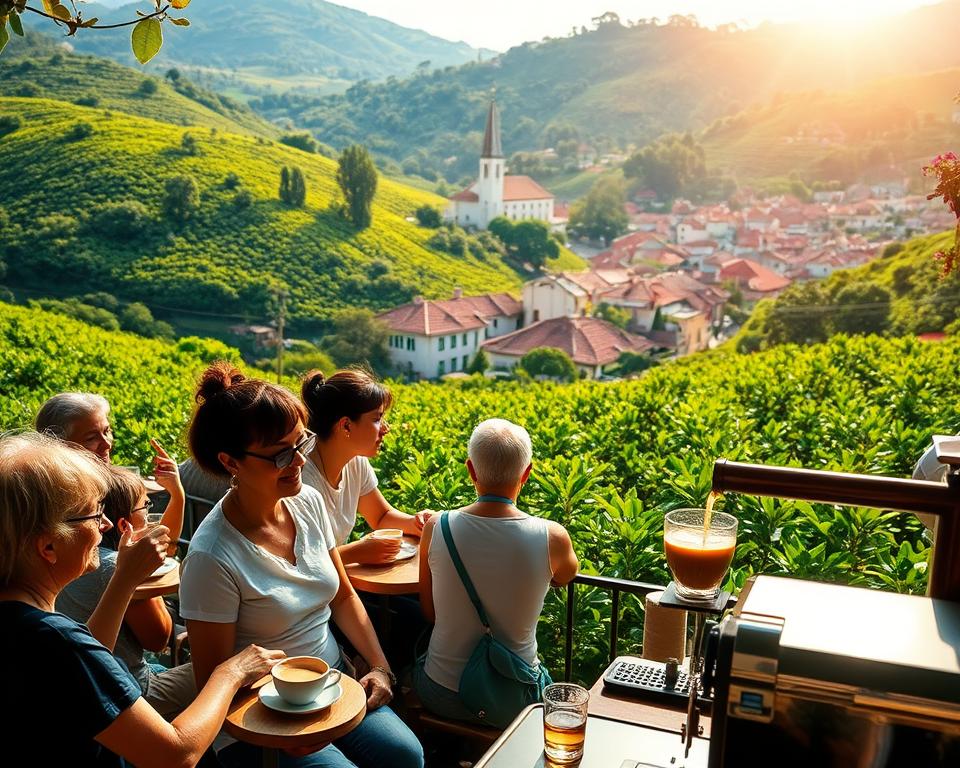
Guatemala’s rich volcanic soil and climate make it perfect for coffee. This has a big impact on the country’s economy. For centuries, coffee has been key to Guatemala’s farming.
Coffee tourism is now a big part of the industry. It brings in extra money for local communities. Visitors get to see how coffee is made and appreciate the skill behind it.
This trend helps local economies grow. It also promotes learning about sustainable farming and cultural exchange.
The Growing Phenomenon of Coffee Tourism in Guatemala
Guatemala’s coffee industry is seeing a big change with coffee tourism on the rise. This shift is changing how coffee is made, sold, and enjoyed.
Guatemala is famous for its top-notch coffee. It’s grown in places like Antigua, Atitlán, and Huehuetenango. These areas have their own special tastes because of their unique weather and soil.
Quality Factors of Guatemalan Coffee
Guatemalan coffee’s quality comes from high altitude, rich volcanic soil, and careful processing. These elements give the coffee its unique taste and smell.
Statistical Growth in Visitor Numbers
More people are visiting Guatemalan coffee farms, up 20% each year for the last five years. This increase is because more people want to experience coffee tourism.
Comparison with Other Coffee Destinations
Guatemala is becoming a top choice for coffee tourism, alongside Colombia and Ethiopia. Its rich culture and coffee quality make it stand out.
Understanding Coffee Tourism Income Potential
Coffee tourism is a big chance for Guatemalan coffee farms to make more money. By welcoming visitors, farms can earn from different ways. This helps them stay financially strong.
There are many ways farms make money from coffee tourism. This includes tour fees, special packages, and selling coffee directly. Knowing these ways is important to make more money.
Tour Fees and Experience Packages
Tour fees are a main way farms make money. They charge for tours, learning experiences, and coffee activities. Packages that include staying, eating, and events can bring in even more cash.
Direct Coffee Sales to Visitors
Selling coffee directly to tourists is another big money-maker. Farms keep more of the profit by selling directly, not through middlemen.
| Revenue Stream | Description | Potential Income |
|---|---|---|
| Tour Fees | Charges for guided tours and coffee farm visits | $10-$20 per visitor |
| Experience Packages | Inclusive packages with accommodations and events | $100-$500 per person |
| Direct Coffee Sales | Sales of coffee beans and related products to visitors | $20-$50 per sale |
Guatemalan coffee farms can boost their income by offering different experiences. They need to set good prices and sales plans. This way, they can make the most of coffee tourism.
Assessing Your Coffee Farm’s Tourism Potential
To figure out if your coffee farm can attract tourists, you need to look closely at what it offers. Coffee farms in Guatemala can tap into the coffee tourism trend by highlighting their special features.
Historical and Cultural Significance
The history and culture of a coffee farm are key to its appeal. Farms with a rich past, like those from colonial times, draw visitors who love heritage. Some farms in Guatemala are famous for their cultural value, attracting tourists from everywhere. You can learn more about coffee culture and its places in this resource.
Production Methods and Varieties
The way a farm makes coffee and the types of coffee it grows matter a lot. Farms using old methods or growing rare coffee can offer a special experience. This includes:
- Traditional coffee production methods
- Diverse coffee varieties
- On-farm processing and roasting
By looking at these points, farm owners can see how well their farm could do in tourism. This can help them make more money and support the local economy by welcoming tourists.
Creating Compelling Coffee Tourism Experiences
Guatemalan coffee farms can offer amazing tourism experiences. They show off their rich coffee culture. By having fun activities, farms can draw in visitors and make more money.
From Seed to Cup: The Complete Journey
This tour shows every step of coffee making. It goes from planting seeds to harvesting and cupping the coffee. It’s a chance to learn and see the effort that goes into making great coffee.
Highlighting Guatemalan Coffee Processing Techniques
Guatemalan coffee is known for its special processing ways. These methods make the coffee taste unique. Farms can teach tourists about the skill in making coffee.
Coffee Picking Experiences
Visitors can pick coffee themselves. It’s a fun way to learn about the hard work of coffee making. It lets tourists connect with the land and the people who work there.
Roasting and Cupping Workshops
These workshops teach about roasting and cupping coffee. People can improve their senses and understand Guatemalan coffee better.
The following table outlines various coffee tourism experiences that can be offered:
| Experience | Description | Duration |
|---|---|---|
| Seed to Cup Tour | Guided tour through all stages of coffee production | 2 hours |
| Coffee Picking | Hands-on experience picking coffee cherries | 1-2 hours |
| Roasting and Cupping Workshop | Learn about coffee roasting and cupping techniques | 1.5 hours |
By offering different experiences, Guatemalan coffee farms can attract more tourists. This can help them make more money.
Building Essential Infrastructure for Coffee Tourists
Building the right infrastructure is key for a coffee tourism business to thrive. Coffee farms need to invest in facilities and services that meet visitors’ needs.
It’s important to make sure the farm can handle tourist activities. This means having clean restrooms, comfy viewing spots, and guided tours.
Legal Requirements for Tourism Operations
To run a tourism business in Guatemala, coffee farms must follow local laws. They need to register with tourism authorities and get the right permits.
Health and Safety Protocols
Keeping tourists and farm workers safe is a top priority. This includes training staff, keeping facilities clean, and having emergency plans ready.
By investing in the right infrastructure and following the law and safety rules, coffee farms can offer a great experience. This helps boost the revenue from coffee tourism.
Maximizing Coffee Tourism Income: Strategic Approaches
Guatemalan coffee farms can make more money by using smart coffee tourism plans. They need to sell more than just coffee. Showing how coffee is made, from start to finish, is a great way to do this.
There are many ways to boost coffee tourism income. One good idea is to offer special experiences. This could be tours, tastings, or hands-on workshops.
Selling merchandise is another smart move. Farms can sell things like mugs, t-shirts, and bags with their logo. A study shows that selling these items can really help a farm’s income. For more details, check out the research at this link.
Food and Beverage Services
Offering food and drinks is also a good strategy. Farms can serve traditional Guatemalan food and specialty coffee. This makes the visit even better for tourists. Places like cafes that serve local meals and coffee are great examples.
By using these strategies, Guatemalan coffee farms can earn more money. They also help the local economy grow. This leads to a better future for everyone involved.
Marketing Your Guatemalan Coffee Tourism Business
Marketing is key for Guatemalan coffee tourism businesses to draw in visitors from around the world. They need a strong online presence and to use the latest marketing trends.
Creating a website that welcomes international visitors is crucial. It’s not just about translating content. It’s about making sure your site is easy to use for people from different cultures.
Website Optimization for International Visitors
- Make sure your website works well on mobile devices and loads quickly.
- Use simple, clear language and avoid terms that might confuse people.
- Make your site easy to navigate with a straightforward layout.
Using social media is also important to reach potential tourists. By keeping up with coffee tourism trends, you can make content that speaks to your audience.
Social Media Strategies for Coffee Tourism
- Post high-quality photos of your coffee farm and how you make coffee.
- Connect with your followers by sharing stories and what goes on behind the scenes.
- Use the right hashtags to get more people to see your posts.
By using these strategies, Guatemalan coffee tourism businesses can market their special experiences to people all over the world. This takes advantage of the growing interest in coffee tourism.
Pricing Strategies for Coffee Tourism Services
Setting the right price for coffee tourism services is key to making a profit. In Guatemala, coffee tour operators need to think about several things. These include the cost of the service, what customers value, and what others are charging.
To make a good pricing plan, operators should first figure out their break-even points.
Calculating Break-Even Points
Figuring out the break-even point means finding out how many customers or how much money is needed to cover costs. Costs include things like guides, transportation, and amenities. They also include indirect costs like marketing and administration.
Setting Sustainable Price Points
After finding the break-even point, operators can set prices that meet their goals and what customers are willing to pay. This might mean different prices for different experiences or discounts for big groups.
For instance, a coffee farm could have a basic tour at a lower price and a special tour with more activities at a higher price.
By thinking carefully about their prices, coffee tourism operators in Guatemala can make more money. This not only helps the economy but also makes the industry more sustainable.
Managing Seasonality in Coffee Tourism
To keep the coffee tourism industry going, Guatemalan coffee farms need to find ways to deal with seasonality. Seasonality is a big problem because it affects how many visitors come and how much money is made.
One good way to handle seasonality is to offer more things for tourists to do. This can include:
- Organizing cultural and historical tours that show off Guatemala’s rich heritage.
- Offering coffee-related workshops and classes to teach visitors about coffee making.
Cultural and Historical Tours
Cultural and historical tours can bring in visitors when it’s not peak season. They offer special experiences that aren’t just about coffee. These tours can take you to historical sites, traditional villages, or cultural festivals. They make the tourist experience richer and keep people interested all year.
Coffee-Related Workshops and Classes
Coffee workshops and classes are another way to deal with seasonality. By letting visitors learn about coffee processing, roasting, or brewing, coffee farms can attract those looking for educational experiences. This not only helps make money when it’s slow but also makes the coffee tourism experiences in Guatemala better.
By using these strategies, Guatemalan coffee farms can lessen their reliance on seasonal changes. This helps make the coffee tourism industry more stable and sustainable.
Overcoming Common Challenges in Coffee Tourism
Coffee tourism is booming in Guatemala. But, operators face many challenges to stay ahead. One big one is giving international visitors a top-notch experience.
Staff Training for International Visitors
It’s key to train staff well for visitors from all over. They need to know about coffee, local culture, and basic languages. This helps serve tourists from different places.
Creating Multilingual Materials
Creating materials in many languages is a big help. Things like brochures, signs, and online content make a big difference. They help visitors who don’t speak Spanish understand better.
| Challenge | Solution | Benefit |
|---|---|---|
| Limited Language Skills | Staff Training Programs | Improved Visitor Experience |
| Lack of Information Materials | Multilingual Materials | Enhanced Communication |
| Insufficient Infrastructure | Infrastructure Development | Increased Tourist Capacity |
By tackling these issues, coffee tourism in Guatemala can get better. This means more visitors and more money for businesses.
Conclusion: The Future of Coffee Tourism in Guatemala
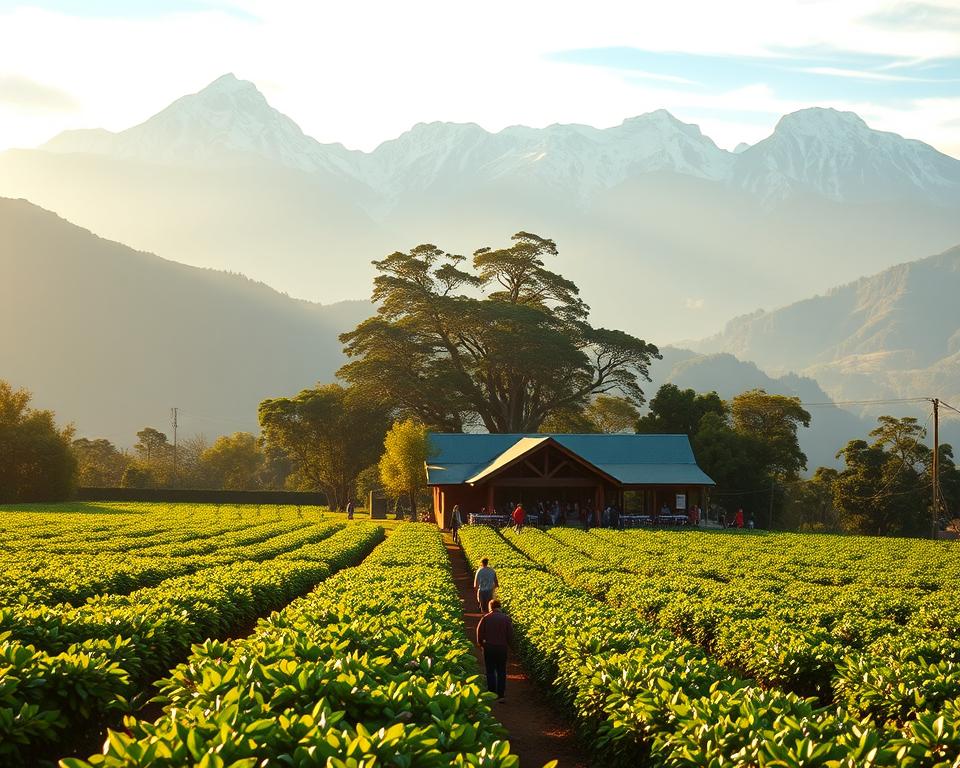
Guatemala’s coffee tourism is set to grow, thanks to more people wanting to dive into coffee culture. The country’s coffee and beautiful landscapes make it a great place for tourists. This trend is expected to keep growing.
There’s a big chance for coffee farms to make more money by offering unique experiences. This can help the local economy a lot. By focusing on creating memorable experiences and building the right infrastructure, farms can benefit from this trend.
Looking ahead, it’s key to focus on sustainable practices. This ensures that coffee tourism grows in a way that’s good for the environment and people. By doing this, Guatemala’s coffee tourism can keep growing, helping farmers and showcasing the country’s coffee heritage.