
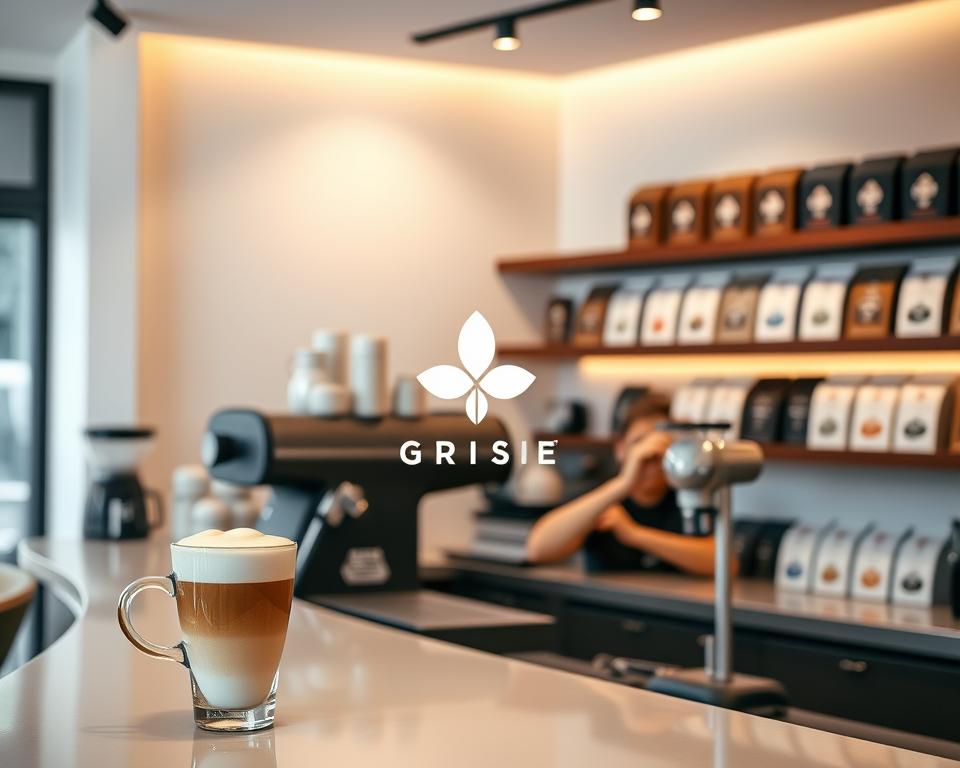
Guatemalan coffee is loved for its deep flavor and smell. It’s a top pick for coffee lovers everywhere. In the competitive coffee world, it’s key to stand out.
Sensory experiences shape what people like and stick with. Coffee companies can stand out by using sensory marketing. This way, they make a strong impression on their customers.
Creating a unique brand through sensory marketing can make a coffee brand shine. It helps businesses connect with their audience in a meaningful way. This builds loyalty and helps the brand grow.
The Science Behind Sensory Marketing for Coffee Brands
Understanding how our brains react to sensory experiences is crucial for coffee brands. It helps them create memorable experiences through sensory branding.
Sensory marketing grabs our attention by using our senses. For coffee, this means focusing on the smell, taste, and look of the coffee. It’s about making every sip a special moment.
- Aroma: The scent of freshly brewed coffee can evoke feelings of warmth and comfort.
- Visual Appeal: The presentation of coffee, from the cup design to the crema on top, enhances the overall experience.
- Taste: The unique flavor profiles of coffee from different regions, like Guatemala, offer a distinct taste experience.
By using these sensory elements, coffee brands can make their customers feel special. This builds loyalty and sets them apart in a crowded market. Sensory branding makes a coffee brand unforgettable and more appealing.
Using sensory marketing to improve customer experience boosts sales and builds a loyal customer base. For Guatemalan coffee brands, highlighting their coffee’s rich sensory qualities is key to success worldwide.
Guatemala’s Coffee Heritage: A Sensory Treasure
Guatemala’s coffee heritage is a treasure trove of sensory delights. It offers a rich tapestry of flavors and aromas. The country’s coffee is famous for its distinct flavor profiles.
The Antigua region produces coffee with a rich, chocolatey flavor. The Huehuetenango region is known for its bright acidity and fruity notes. This diversity creates a unique coffee sensory experience that is both captivating and memorable.
By leveraging Guatemala’s coffee heritage in brand marketing, companies can create a strong emotional connection with their customers. This can be achieved by highlighting the cultural significance and traditional production methods that make Guatemalan coffee so unique.
How to Develop a Sensory Marketing Strategy for Guatemalan Coffee
Creating a sensory marketing strategy is key for Guatemalan coffee brands to shine. It’s about understanding and using the special sensory qualities of Guatemalan coffee.
Identifying Your Target Audience’s Sensory Preferences
To make a great sensory marketing plan, know what your audience likes. You can do this by:
- Doing surveys to see what they prefer in coffee aroma, taste, and packaging.
- Looking at market trends to spot what people usually like.
- Listening to social media to see how they react to different smells and tastes.
For more tips on sensory marketing in coffee, check out 43factory.coffee.
Creating Your Sensory Brand Blueprint
After knowing what your audience likes, make a sensory brand plan. This means:
- Highlighting what makes your Guatemalan coffee special, like its unique smell and taste.
- Creating a look that matches your brand’s sensory feel.
- Using coffee packaging and stores to make a strong brand experience.
By taking these steps, Guatemalan coffee brands can craft a sensory marketing plan that speaks to their audience. This plan will help them stand out in the market.
Visual Branding Techniques for Guatemalan Coffee
Guatemalan coffee brands can stand out by using visual branding that connects to their rich culture. Adding traditional Mayan elements can make their brand unique and eye-catching.
Incorporating Mayan Heritage and Symbolism
To include Mayan heritage, Guatemalan coffee brands can:
- Use traditional Mayan patterns and motifs in packaging and branding materials
- Highlight the coffee cherry’s significance in the production process
- Tell stories about Guatemalan coffee’s history and traditions
It’s important to make coffee visually appealing for a strong brand identity. Techniques include:
- Showing high-quality images of coffee beans, roast, and brewing
- Using lifestyle shots of coffee enjoyed in Guatemalan settings
- Highlighting coffee textures and colors with lighting and composition
By mixing these visual branding techniques with sensory branding trends, Guatemalan coffee brands can make a lasting impression in the global market.
Sensory Marketing Coffee Brands Through Aroma
Guatemalan coffee is famous for its unique aromas. This gives brands a chance to create unforgettable sensory experiences. The smell of coffee comes from a mix of volatile compounds that shape its taste and character.
Creating Signature Scent Profiles for Different Coffee Varieties
Creating unique scent profiles for coffee involves knowing each variety’s special aromas. Guatemalan coffee might smell like chocolate, caramel, or fruit. This depends on where it’s from and how it’s processed.
- Identify the dominant aromatic notes in your coffee variety.
- Use sensory panels to profile the aroma accurately.
- Create a consistent aromatic experience across your product line.
Aroma-Releasing Packaging Innovations
New packaging can make coffee’s aroma even better. Aroma-releasing packaging lets coffee breathe while keeping its smell in.
- Valves that allow CO2 to escape while keeping air out.
- Materials that are permeable to aroma but not to moisture or light.
- Packaging designs that incorporate aromatic diffusers.
By focusing on aroma, Guatemalan coffee brands can stand out. They make a lasting impression on consumers.
Crafting Memorable Taste Experiences
Creating unforgettable taste experiences can make a coffee brand stand out. For Guatemalan coffee makers, this means exploring their coffee’s flavor details. They look for new ways to show off these special tastes.
Coffee Pairing Suggestions to Enhance Flavor Perception
Pairing coffee with foods can make the coffee taste even better. It not only brings out the coffee’s unique flavors but also makes the experience memorable for the drinker.
- Pair light roast Guatemalan coffee with pastries or citrus-based desserts to accentuate its bright acidity.
- Match medium roast coffee with chocolate or nutty treats to complement its balanced flavor.
- Combine dark roast coffee with rich, bold desserts like tiramisu to enhance its deep, chocolatey notes.
| Coffee Roast Level | Recommended Pairing | Flavor Profile Highlighted |
|---|---|---|
| Light Roast | Citrus desserts | Bright acidity, fruity notes |
| Medium Roast | Chocolate treats | Balanced acidity, nuanced flavors |
| Dark Roast | Rich, bold desserts | Deep, chocolatey notes |
Training Staff to Communicate Flavor Profiles Effectively
Teaching staff about coffee flavors is key to a better customer experience. By learning about different coffee blends, they can help customers find the right coffee and pairing. This improves the coffee experience for everyone.

By focusing on these areas, Guatemalan coffee makers can leave a lasting impression. This builds loyalty and encourages customers to come back.
Tactile Elements in Coffee Sensory Marketing
The way we touch coffee products shapes our feelings about coffee brands. Tactile elements greatly affect how we interact with and see coffee. By using touch in their branding, coffee companies can make their products more memorable and engaging.
Coffee brands should focus on touch points in the customer journey. This includes the feel of packaging, the texture of coffee beans, and the comfort of in-store seating. For instance, a brand might use premium, textured packaging to show high quality.
As sensory marketing strategies show, brands like Starbucks have used touch to improve their brand experience.
By focusing on these touch details, coffee brands can improve their marketing and gain loyal customers.
Auditory Branding for Guatemalan Coffee Producers
Guatemalan coffee makers are finding out how powerful sound branding is. They use unique sounds to make their brand unforgettable for their customers.
Podcast and Audio Content Strategies for Coffee Brands
Podcasting and audio content are great for sound branding. Coffee brands can make podcasts about coffee making, farmer stories, or coffee culture.
Here are some ways coffee brands can use audio content:
- Create a branded podcast discussing industry trends
- Use sound effects and music to enhance brand recognition
- Share customer testimonials and stories
| Strategy | Description | Benefit |
|---|---|---|
| Branded Podcast | Create a podcast that discusses industry trends and coffee culture | Increases brand visibility and authority |
| Sound Effects and Music | Use distinct sounds and music to enhance brand recognition | Creates a memorable brand identity |
| Customer Testimonials | Share stories and testimonials from satisfied customers | Builds trust and loyalty with customers |
By using these sound branding strategies, Guatemalan coffee producers can stand out. They make a strong impression on their customers.
Implementing Multi-Sensory Coffee Experiences
Multi-sensory coffee experiences are changing how coffee brands connect with customers. They use sights, smells, tastes, and touches to make memorable moments. This approach boosts customer loyalty and engagement.
Sensory Marketing at Trade Shows and Exhibitions
Trade shows are great for coffee brands to show off their products in a special way. They can use:
- Aromatic coffee samples
- Visually appealing displays
- Tactile elements such as coffee beans or branded merchandise
This multi-sensory approach leaves a strong impression. It helps brands stand out from others.
Creating Coffee Tourism Experiences in Guatemala
Guatemala’s coffee history is perfect for unique coffee tourism. Farms and tour operators can offer:
- Guided tours of coffee plantations
- Coffee tastings and brewing demonstrations
- Interactive experiences that highlight the production process
These experiences teach visitors about coffee and build a bond with the brand. This boosts loyalty and advocacy.
By using multi-sensory experiences, brands can make a big impact. Whether at trade shows or in coffee tourism, the goal is to create unforgettable moments. These moments engage multiple senses and leave a lasting impression.
Digital Strategies for Sensory Coffee Marketing
The digital world offers both challenges and chances for coffee brands to connect with customers through sensory marketing. As more people go online, coffee brands need to change their marketing to fit the digital space.
One big challenge is making coffee’s sensory experience work online. But, brands can use digital ways to bring out sensory feelings. For example, great photos and videos can show off coffee’s look. Descriptive words can share its smell and taste.
E-commerce Strategies That Compensate for Digital Sensory Limitations
E-commerce sites can make up for missing sensory experiences by giving lots of product details and stories. Brands can gain trust with customer feedback and ratings. Features like virtual coffee tastings can even mimic a real taste experience.
By using these digital tactics, coffee brands can share their unique sensory qualities online. This not only boosts coffee brand marketing but also connects with customers deeply. It builds loyalty and support.
Measuring ROI of Sensory Marketing Initiatives
To see how sensory marketing affects your Guatemalan coffee brand, you must measure its return on investment (ROI). Good sensory branding strategies can really boost your brand’s image and how customers interact with it.
A/B testing is a great way to check if different sensory elements work well in your marketing. By comparing two marketing campaigns, you find out which sensory cues your audience likes most.
For example, you could test different smells in your coffee shop or change the feel of your packaging. See which one makes more sales or keeps customers coming back.
- Identify the sensory elements to test (e.g., aroma, color, texture)
- Design the A/B test, ensuring a controlled environment
- Analyze the results to determine the most effective sensory branding strategies
By using A/B testing and checking the ROI of your sensory marketing, you can improve your coffee branding. This way, you get the most out of your marketing budget.
Conclusion: Building a Lasting Sensory Brand for Your Guatemalan Coffee
To build a lasting sensory brand for Guatemalan coffee, you need to understand sensory marketing. This means keeping up with the latest trends. By using the strategies from this guide, coffee brands can create a memorable experience for their customers.
Guatemalan coffee producers can use sights, sounds, touch, and smells to make their brand stand out. Adding multi-sensory experiences and digital strategies can boost brand engagement. It’s also important to measure how well these efforts work to improve them.
By focusing on sensory marketing, Guatemalan coffee brands can stand out in a crowded market. They can also build a loyal customer base. Keeping up with changing sensory branding trends is key to long-term success.