
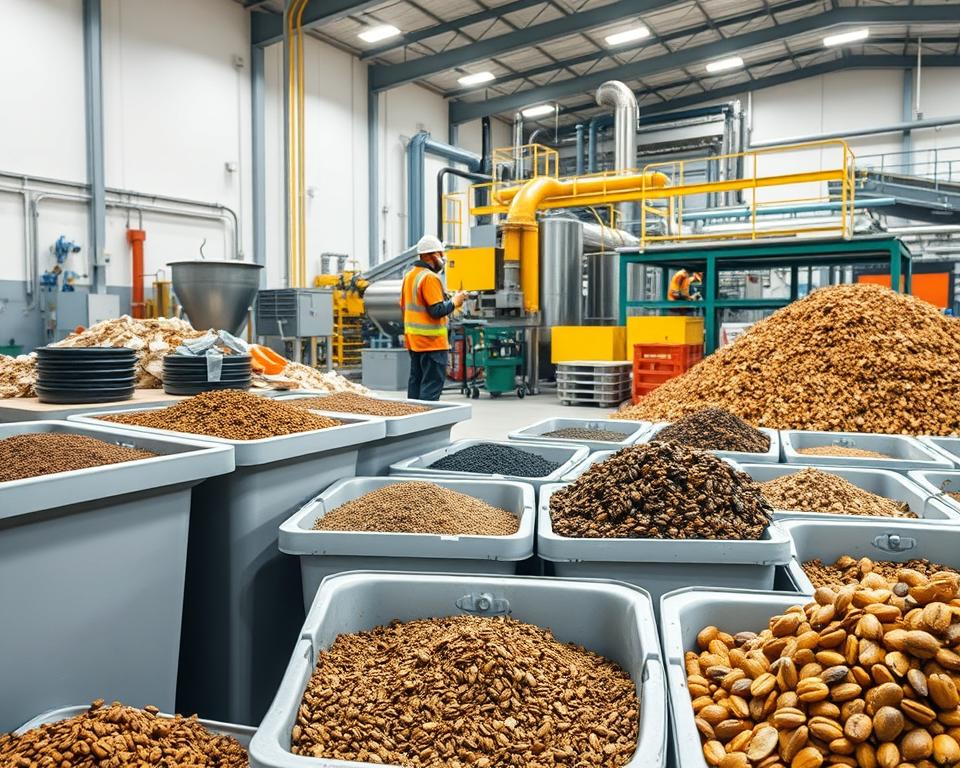
Guatemala’s coffee industry is famous for its top-notch Arabica beans. But, making coffee creates a lot of waste. If not disposed of right, this waste can pollute water and soil.
To fix this, it’s key to use green ways to handle coffee waste. This helps keep Guatemala’s environment clean and its coffee production sustainable.
Using green methods to get rid of coffee waste can lessen Guatemala’s impact on the environment. This guide will show you how to recycle coffee husks and waste. It aims to make the coffee industry in Guatemala more eco-friendly.
The Coffee Waste Challenge in Guatemala
Guatemala is a leading coffee producer, but it faces a big problem: managing coffee waste. The coffee industry creates a lot of waste, like coffee husks and pulp. These are organic materials that need to be handled carefully.
Types of Coffee Waste in Guatemalan Processing
In Guatemala, coffee processing makes different types of waste. The main waste is coffee husks and pulp from the coffee cherry. Coffee husks are especially important because they can be recycled in an eco-friendly way.
Recycling coffee waste is key to reducing the environmental harm from coffee making. By recycling, we can turn waste into useful things like compost or energy.
Knowing what coffee waste is and how to recycle it is crucial. By recycling, Guatemala can lessen its environmental impact and open up new business chances.
Understanding Coffee Husks and Their Composition
It’s important to know what coffee husks are made of. They are the outer parts of the coffee fruit, left over after processing. These husks are full of nutrients and organic stuff, making them useful for many things.
The makeup of coffee husks changes based on how the coffee is processed and where it’s grown. For example, coffee husks from Guatemala are special because of the country’s unique coffee-making ways.
Unique Characteristics of Guatemalan Coffee Husks
Guatemalan coffee husks are packed with nutrients like nitrogen, phosphorus, and potassium. These nutrients are great for making compost and fertilizers. Recycling coffee husks helps cut down on waste, creates valuable resources for farming, and supports green coffee production.
Composting coffee husks is a smart way to recycle them. It turns the husks into a compost that’s full of nutrients. This compost can make the soil better, helping plants grow stronger and healthier.
Environmental Impact of Improper Coffee Waste Disposal
Guatemala’s rich biodiversity is at risk due to bad coffee waste disposal. We need better ways to manage waste. The coffee industry makes a lot of waste, and if not handled right, it harms the environment a lot.
Bad coffee waste disposal can pollute water, damage soil, and hurt biodiversity. For example, coffee waste’s high organic content can make water bodies sick. This hurts the life in the water.
| Environmental Impact | Cause | Effect |
|---|---|---|
| Water Pollution | High organic content in coffee waste | Eutrophication, harm to aquatic life |
| Soil Degradation | Improper disposal on land | Soil nutrient imbalance, reduced fertility |
| Loss of Biodiversity | Pollution and habitat destruction | Extinction of native species |
Using eco-friendly ways to deal with coffee waste, like composting or using coffee husks, can help. By choosing green methods, Guatemala can keep its environment safe. This also helps make the coffee industry more sustainable.
Benefits of Recycling Coffee Husks Waste
Recycling coffee husks has many benefits. It helps reduce waste and creates valuable products. This makes the coffee industry more eco-friendly.
Recycling coffee husks cuts down on landfill waste. It also lowers emissions from decomposition. Plus, it turns waste into useful items like biochar, compost, and energy.
This process also brings in new money for coffee farmers. They can make more money by turning waste into products. This makes their farms more stable financially.
Recycling coffee husks also keeps soil healthy. It reduces the need for harmful fertilizers. This helps the environment and supports a greener coffee industry.
In short, recycling coffee husks is good for the planet and helps coffee farmers. It supports sustainable growth and reduces harm to the environment.
Composting Coffee Husks: Step-by-Step Guide
Coffee husks can be turned into compost, which is full of nutrients. This process not only cuts down on waste but also makes the soil better for plants.
Materials and Tools Needed
To start composting coffee husks, you’ll need a few basic things:
- Coffee husks
- Other organic materials (e.g., leaves, grass clippings)
- Compost bin or pile area
- Water
- Shovel or pitchfork for turning the compost
Location and Space Requirements
Find a spot for your compost bin or pile that gets good air, is easy to get to, and isn’t in direct sunlight. Make sure it’s near a water source.
Some common problems with composting include bad smells, pests, and slow breakdown. Here’s how to fix these issues:
| Issue | Cause | Solution |
|---|---|---|
| Unpleasant Odors | Too many green materials, not enough brown materials | Add more brown materials (e.g., dry leaves) |
| Pests | Presence of meat, dairy, or oily foods | Avoid adding these foods to your compost |
| Slow Decomposition | Insufficient carbon-to-nitrogen ratio | Balance green and brown materials |
By following these steps and tips, you can compost coffee husks well. This reduces waste and makes your garden soil better.
Creating Biochar from Coffee Waste
Coffee waste can be turned into biochar, which is great for soil health and fighting climate change. Biochar is made by heating coffee waste without oxygen. This creates a carbon form that lasts for centuries in soil.
Using coffee husks to make biochar has many benefits. It cuts down on landfill waste and makes soil better for plants. A study shows that recycling coffee waste is key to lessening environmental harm coffee waste recycling solutions.

When making biochar from coffee waste, safety is crucial. Make sure there’s good air flow to avoid bad fumes. Also, wear protective clothes to avoid burns.
By making biochar from coffee waste, the coffee industry can be more eco-friendly. This not only helps the environment but also supports a circular economy. It shows the value of recycling coffee husks.
Using Coffee Husks as Mulch and Soil Amendment
Using coffee husks as mulch and soil amendment is a smart way to garden sustainably. These husks are full of nutrients, making them great natural fertilizers. This method helps gardeners cut down on waste while making their soil better.
Coffee husks can be used as mulch to keep plants moist, stop weeds, and control soil temperature. As they decompose, they add valuable organic matter to the soil. This improves its health. For more info on using coffee husk and pulp waste in soil, check out this review.
Seasonal Considerations for Guatemala’s Climate
In Guatemala, it’s key to think about the seasons when using coffee husks. In the dry season, they help keep the soil moist. In the wet season, they prevent soil from washing away.
- Apply a layer of coffee husk mulch during the dry season to conserve moisture.
- In the wet season, mix coffee husks into the soil to improve its structure and drainage.
By following these tips, gardeners and farmers in Guatemala can help the environment. They also make their soil more productive.
Generating Energy from Coffee Waste
Coffee waste recycling solutions can offer a clean, renewable energy source. In Guatemala, coffee production is a big deal for the economy. Coffee husks and other waste can be turned into energy like biogas or biofuels. This is a green alternative to fossil fuels.
To make energy from coffee waste, we need to collect, process, and convert it. Anaerobic digestion is a key method. It uses microorganisms to break down organic matter without oxygen, making biogas. This biogas can power electricity or heat.
In rural Guatemala, where energy access is limited, coffee waste recycling is a good solution. Using affordable technologies like small-scale anaerobic digesters can power coffee farms and communities.
Using coffee waste for energy has many benefits. It cuts down on environmental harm from coffee production by reducing waste. It also helps build a sustainable, strong energy system. Guatemala can get closer to its sustainability goals by doing this.
To get more people to use coffee waste recycling, we need to offer help. This includes policies, incentives, and technical support. With this help, Guatemala can fully use coffee waste as a renewable energy source. This will help the coffee industry grow in a sustainable way.
Practical Methods for Recycling Coffee Husks Waste
Recycling coffee husks is key for sustainable coffee making. It cuts down waste and offers useful by-products. These can be used in many ways.
Composting is a great way to recycle coffee husks. It turns them into a rich soil amendment. This method is good for the environment and boosts soil fertility, leading to better coffee crops.
Another good method is making biochar from coffee husks. Biochar is a carbon-rich material that helps soil hold water and air better. This is good for plant growth.
Timeline and Seasonal Considerations
The coffee production cycle affects recycling coffee husks. In Guatemala, coffee is harvested from November to March. This is when the most coffee husks are made.
| Method | Description | Seasonality |
|---|---|---|
| Composting | Decomposing coffee husks into nutrient-rich compost | Year-round, with peak during harvest season |
| Biochar Production | Converting coffee husks into stable carbon-rich biochar | Year-round, dependent on processing capacity |
| Mulching | Using coffee husks as mulch to retain soil moisture | Year-round, with increased demand during dry seasons |
Knowing the timeline and seasonal needs helps coffee producers recycle better. This makes coffee production more sustainable.
Crafting and Manufacturing with Coffee Husks
Coffee husks, once seen as waste, are now being reused in creative ways. This change is good for the environment and helps the coffee industry be more sustainable.
Turning coffee husks into useful items combines old skills with new technology. Artisans make decorative pieces and jewelry from them.
Traditional and Modern Applications
Traditionally, coffee husks are used in crafts that show local culture. Today, they’re also made into new materials like bioplastics and green building stuff.
Here are some modern products made from coffee husks:
- Eco-friendly packaging materials
- Sustainable furniture
- Biodegradable cutlery
Using coffee husks in a green way helps companies lessen their impact on the planet. They make products that are both unique and good for the environment.
Case Studies: Successful Coffee Waste Recycling in Guatemala
Guatemala has seen great success in recycling coffee waste. Coffee farms and processing facilities have found new ways to manage waste. This not only helps the environment but also brings in extra money.
In Antigua, Guatemala, a coffee farm has started a recycling program. They turn coffee husks into fertilizer. This cuts down on the need for harmful chemicals and makes the soil healthier.
In Huehuetenango, a coffee processing plant is using coffee waste to make energy. They turn coffee husks into biochar and burn it for fuel. This move has greatly reduced their use of fossil fuels and their carbon emissions.
Lessons Learned and Best Practices
These examples teach us a lot about recycling coffee waste in Guatemala. Key strategies include composting, using waste for energy, and working with the community. These steps help make sustainability a priority.
| Initiative | Location | Outcome |
|---|---|---|
| Composting Coffee Husks | Antigua | Improved Soil Health |
| Generating Energy from Coffee Waste | Huehuetenango | Reduced Fossil Fuel Reliance |
| Collaborative Sustainability Efforts | Various | Promoted Sustainable Practices |
By looking at these examples and following best practices, Guatemalan coffee producers can become more sustainable. This will help them reduce their environmental impact.
Conclusion: Building a Sustainable Future for Guatemalan Coffee
Recycling coffee husks waste is key to a sustainable future for Guatemalan coffee. Coffee producers can greatly reduce their environmental impact by following the methods in this guide.
Recycling coffee husks has many benefits. It cuts down on waste and greenhouse gas emissions. It also creates valuable products like biochar and compost.
The Guatemalan coffee industry is growing fast. To lessen its environmental impact, using sustainable practices like recycling coffee husks is crucial.
Together, coffee producers, processors, and consumers can make the coffee industry more eco-friendly. By adopting these practices, we can all help protect the environment.