
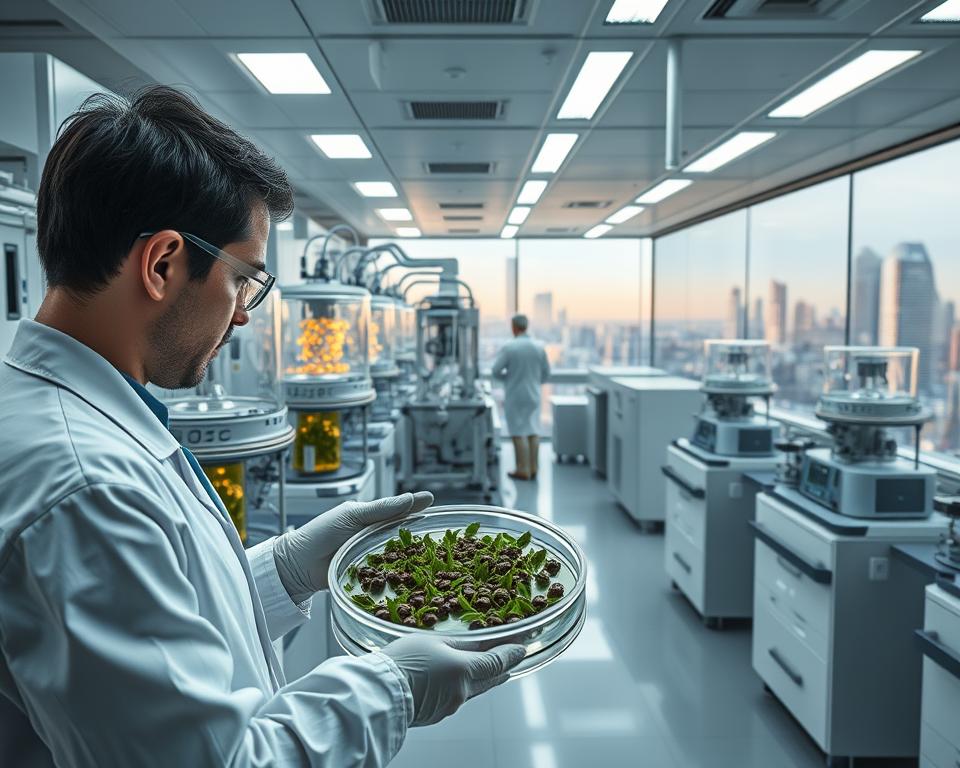
The coffee industry is on the verge of a big change. This change comes from new ways to make coffee. Cell-based coffee is one of these new methods. It could change how we make and enjoy coffee.
This new method might change the coffee world, especially in places like Guatemala. Guatemala is famous for its coffee and quality beans. Cell-based coffee could help make coffee production more sustainable and eco-friendly.
Looking into cell-based coffee helps us understand the future of coffee making. It also shows how Guatemala might be involved in this new era.
Understanding Cell-Based Coffee Technology
It’s important to understand the tech behind cell-based coffee. This coffee, also known as lab-grown coffee, uses cellular agriculture. It makes coffee without needing traditional coffee plants.
Key Biological Processes
Cell-based coffee production starts with isolating coffee plant cells. Then, these cells are grown in a controlled setting. They grow and change into the different types found in coffee beans.
Cells are fed nutrient-rich media to grow. The conditions are set to boost the flavor and aroma compounds in coffee.
Required Laboratory Conditions
The lab conditions for cell-based coffee are very controlled. Temperature, humidity, and light are all managed. They’re set to match the best conditions for coffee plant growth.
Bioreactors play a big role in scaling up production. They create a space for cells to grow in large amounts. This tech is key to making cell-based coffee a real option.
Advances in cellular agriculture and lab-grown tech could help the coffee industry. It could reduce environmental impact while keeping quality and taste high for consumers.
The Current State of Cell-Based Coffee Development
Recent breakthroughs in cell-based coffee technology are changing the coffee world in Guatemala. The country’s long history in coffee is helping to push the boundaries of sustainable coffee production.
Cell-based coffee lets producers control flavors exactly. This means they can make unique and consistent coffee blends. Guatemala, known for its special coffee tastes, is benefiting greatly from this.
By tweaking cell lines and growing conditions, producers can boost certain flavor notes. This meets the tastes of many consumers. It’s a big leap in innovative coffee cultivation.
Production Scaling Innovations
It’s important to scale up cell-based coffee production for it to be viable. New tech in bioreactors and cell growth is helping to make more coffee. This coffee is of high quality.
These improvements are not just making things more efficient. They’re also cutting costs. This makes cell-based coffee more affordable and competitive. Guatemala is set to lead in sustainable coffee, thanks to its coffee knowledge.
How to Understand the Cell-Based Coffee Production Process
Learning about cell-based coffee production is key for its growth. This method uses advanced technology to grow coffee cells in a controlled space. It’s a new way to make coffee.
This approach could change the coffee world. It tackles issues like ethics and the environment in traditional farming. The process starts with picking coffee cells.
Flavor Development Techniques
Creating flavors in cell-based coffee combines precision farming and biotech. Producers control things like temperature and nutrients. This shapes the coffee’s taste.
This method lets producers make flavors that people like. It makes sure the taste is the same every time.
Keeping the taste the same is important. Quality checks happen at every step. This ensures the coffee is up to standard.
Producers use special tools to monitor and control the process. This way, they can make sure the coffee is just right.
Being consistent helps build trust with customers. The future of cell-based coffee looks bright. It could make the coffee industry better by being more ethical and using new technology.
The Cell Based Coffee Future: Predictions and Timelines
Cell-based coffee is set to change the coffee scene in Guatemala. It offers a green alternative to traditional coffee making. Guatemala is leading the way in this new coffee production method.
Experts say cell-based coffee will make a big splash in the global market soon. They think it could be a big deal in the next ten years.
Potential Timeline for Guatemala’s Market
Guatemala’s coffee industry will see big changes with cell-based coffee. Here’s what might happen:
| Year | Development |
|---|---|
| 2025 | Initial investment in cell-based coffee technology |
| 2027 | First commercial-scale cell-based coffee production |
| 2030 | Cell-based coffee becomes a notable segment of Guatemala’s coffee exports |
The future of coffee in Guatemala will be shaped by cell-based coffee. This technology will change the coffee industry a lot. It will affect both traditional coffee farmers and the market.
As Guatemala’s coffee industry grows, knowing about cell-based coffee is key. By using this new technology, Guatemala can stay a top player in the global coffee market.
How to Evaluate the Environmental Benefits of Cell-Based Coffee
The world is looking for better ways to farm coffee because traditional methods harm the environment. Cell-based coffee, or lab-grown coffee, might be the answer. It could be more eco-friendly than traditional farming.
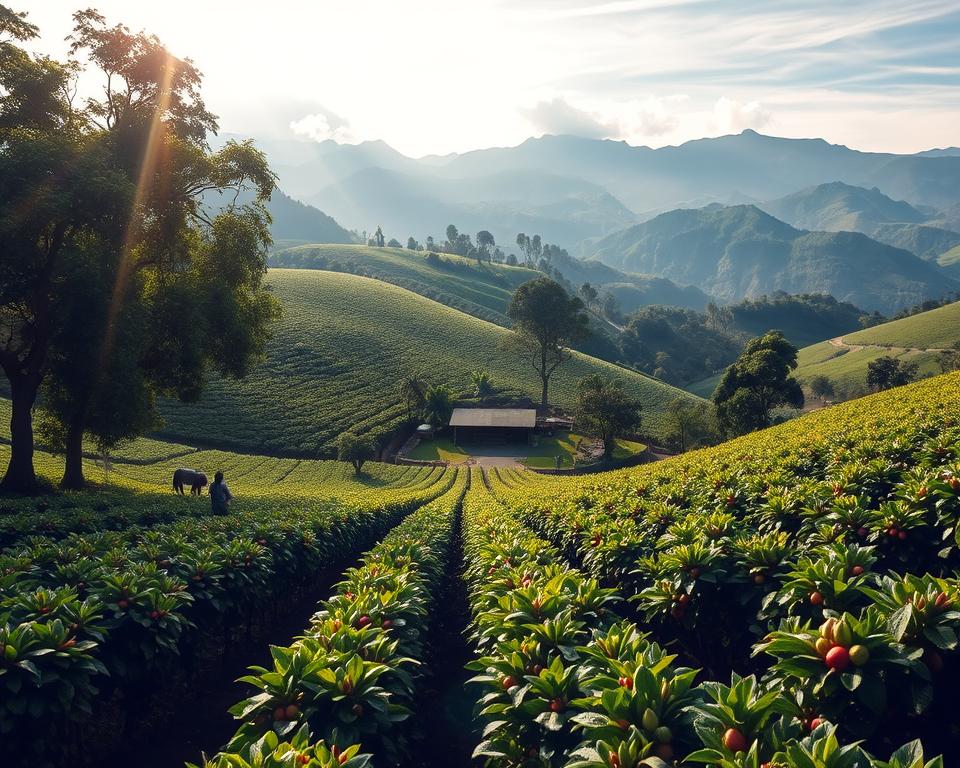
One big plus of cell-based coffee is it might save highland forests. Traditional farming takes up a lot of land, hurting forests and animals. But, lab-grown coffee needs less space, helping to keep forests intact.
Water Resource Protection
Cell-based coffee also helps protect water. Traditional coffee farming uses a lot of water and can pollute it. But, lab-grown coffee uses much less water and doesn’t waste it.
| Environmental Aspect | Traditional Coffee Farming | Cell-Based Coffee |
|---|---|---|
| Land Use | Large tracts of land required, leading to deforestation | Produced in controlled environments, reducing land use |
| Water Usage | Water-intensive, with potential for water pollution | Significantly less water required, with minimal wastewater |
In conclusion, cell-based coffee is a big step towards greener coffee. It uses new ways to grow coffee that are better for the planet. As we move forward, lab-grown coffee could become a key part of making coffee more eco-friendly.
Navigating Economic Transitions for Coffee-Growing Communities
As cell-based coffee technology gets better, Guatemala’s coffee-growing communities face big changes. The move to cell-based coffee could change how people make a living in traditional coffee farming.
Coffee has always been a key income source for Guatemala’s coffee-growing communities. But, with cell-based coffee coming in, they might have to adjust to new economic situations.
Community-Based Transition Programs
Community-based transition programs are key in helping coffee-growing communities through these changes. These programs can include:
- Training and education to help farmers grow different crops or use new farming tech.
- Support for local businesses to create new coffee-related products or services.
- Efforts to promote ethical coffee sourcing, keeping traditional coffee farming alive and green.
Both government and private support are vital for coffee-growing communities to handle the economic shifts from cell-based coffee.
- Government help through subsidies or grants for farmers to grow different crops or try new farming ways.
- Private investment in projects like coffee tourism or specialty coffee production.
- Collaborations between government, private companies, and local communities for sustainable coffee farming.
By using these support options and community-based programs, Guatemala’s coffee-growing communities can manage the economic changes from cell-based coffee.
The future of coffee in Guatemala will depend on its coffee-growing communities adapting to new market trends. They must keep the country’s rich coffee heritage alive.
How to Compare Taste and Quality Profiles
Cell-based coffee is becoming popular, and people want to know how it tastes compared to regular coffee. This new coffee is made using advanced methods, giving it a unique taste.
Regional Flavor Notes to Look For
When comparing cell-based coffee to regular coffee, the flavors from different places matter a lot. Coffee from places like Guatemala is famous for its special tastes. These can include chocolate, caramel, and fruit notes.
Lab-grown coffee beans can be made to taste like these places or even have new flavors. A study on cellular agriculture shows how lab-grown products can have unique tastes.
| Flavor Profile | Traditional Coffee | Cell-Based Coffee |
|---|---|---|
| Regional Notes | Chocolate, Caramel, Fruit | Customizable, e.g., Vanilla, Nuts |
| Body | Variable, e.g., Light, Heavy | Consistent, Adjustable |
| Acidity | High, e.g., Bright | Adjustable, e.g., Balanced |
Evaluating Body, Acidity, and Finish
It’s important to check the body, acidity, and finish of cell-based coffee to understand its quality. The body is how the coffee feels in your mouth, and acidity is its brightness. The finish is the taste that stays after you swallow.
Cell-based coffee can have a consistent body and acidity, tailored to what people like. This is a big step forward in making coffee.
Understanding the Regulatory Landscape and Market Challenges
Guatemala’s coffee industry is on the verge of a big change with cell-based coffee. It’s important to look closely at the regulatory challenges. As the country starts using this new method, knowing the rules is key for success in the market.
Education and Transparency Strategies
One big challenge is teaching people about cell-based coffee. It’s about its good points and how it’s made. Being open about how it’s produced and where it comes from can help build trust and get it accepted by more people.
| Strategy | Description | Benefit |
|---|---|---|
| Consumer Education | Informing consumers about cell-based coffee | Increased acceptance |
| Transparent Sourcing | Clear information about production and sourcing | Building trust |
Guatemala’s Potential Regulatory Approach
Guatemala might create rules that mix new ideas with old coffee-making ways. They could make new rules for cell-based coffee. These rules would make sure it fits with current farming and food safety laws.
The coffee industry in Guatemala is changing with cell-based coffee. It’s focusing on green coffee production. This could change the industry’s impact on the environment.
How Guatemala Can Lead in the Cell-Based Coffee Revolution
The cell-based coffee revolution offers Guatemala a chance to change its coffee industry. With a long history in coffee, Guatemala is ready to use its knowledge in growing and processing coffee. It can adopt new cellular agriculture coffee technologies.
Educational Programs and Workforce Development
To make the most of cell-based coffee, Guatemala must invest in education. It needs to teach the technical skills needed for cellular agriculture. This includes learning about biotechnology, coffee production, and running cell-based coffee facilities.
- Developing specialized courses in cellular agriculture
- Establishing partnerships with international institutions for knowledge transfer
- Creating vocational training programs for coffee farmers to adapt to new technologies
International Partnerships and Funding Opportunities
Guatemala can lead in the cell-based coffee revolution by finding international partners and funding. Working with global leaders in cellular agriculture can bring new technology and money.
Guatemala can partner in areas like technology in coffee farming and ethical coffee sourcing. This ensures cell-based coffee production meets global sustainability standards.
Conclusion: Balancing Innovation with Guatemala’s Rich Coffee Heritage
Guatemala is set to lead in the coffee industry’s future. It will focus on new coffee production methods, like cell-based coffee. This could change the industry for the better, making it greener and more sustainable.
The coffee world will change with new tech, what people want, and green practices. Guatemala can keep its coffee tradition alive while moving forward with cell-based coffee. This way, it can stay ahead in the coffee world.
It’s key to mix new ideas with old traditions. This keeps Guatemala’s coffee history alive. As the coffee world grows, it’s important to focus on green practices and help coffee farmers.
Guatemala can stay a top player in coffee. It can use new trends and tech while keeping its coffee roots strong. This way, it can lead the coffee industry into a bright future.