
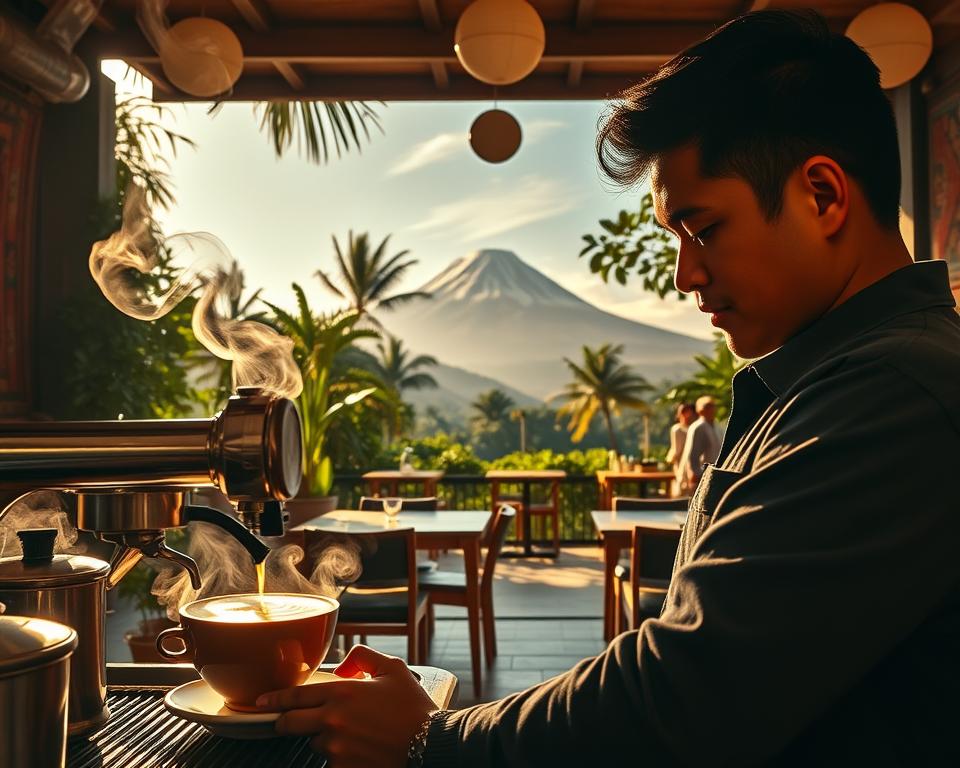
Guatemala’s rich culture is closely tied to its coffee. For ages, coffee has shaped the country’s identity and creative works.
Coffee is key to Guatemala’s economy and has sparked many literary and artistic pieces. The unique coffee culture of Guatemala is often seen in creative works. It shows the nation’s history, traditions, and values.
Looking into how Guatemalan coffee is shown in literature and art helps us understand the country’s culture. It also shows how coffee has influenced its creative identity.
The Rich Heritage of Guatemalan Coffee
The history of coffee in Guatemala is filled with passion, hard work, and dedication. It has shaped the nation’s identity. Coffee production started in the 18th century and is now a key part of the country’s economy and culture.
Guatemalan coffee is known for its high quality. This is thanks to the country’s unique geography and climate. The volcanic highlands offer perfect conditions for coffee, with rich soil and distinct microclimates. These factors contribute to the complex flavors of Guatemalan coffee beans.
Coffee’s cultural significance in Guatemala goes beyond its economic value. It has deeply influenced Guatemalan identity, art, literature, and daily life. Coffee plantations, or fincas, are more than just farms. They are cultural centers where traditional practices are kept alive.
| Region | Coffee Production (tons) | Notable Characteristics |
|---|---|---|
| Antigua | 10,000 | Balanced acidity, rich flavor |
| Huehuetenango | 8,000 | Bright acidity, fruity notes |
| Atitlán | 6,000 | Complex flavor profile, floral hints |
The rich heritage of Guatemalan coffee shows the country’s history, culture, and commitment to quality. This heritage helps us understand the importance of coffee in Guatemalan society. It also highlights its role in literature and art.
Coffee in Guatemalan Art: Understanding the Cultural Significance
In Guatemalan art, coffee is more than a drink; it’s a symbol of tradition and heritage. It shows the cultural importance and the role it plays in Guatemalan identity.
Coffee has been key to Guatemala’s economy and culture for centuries. Art reflects the country’s history, traditions, and daily life. Guatemalan coffee paintings often show the vibrant colors and rich textures of coffee plantations and coffee rituals.
Symbolism of Coffee in Artistic Expressions
Coffee holds symbolic meanings in Guatemalan art, like warmth, community, and tradition. Traditional Guatemalan coffee artwork often shows coffee as a key part in social gatherings and ceremonies. It highlights its role in building community and preserving cultural heritage.
| Art Form | Representation of Coffee | Cultural Significance |
|---|---|---|
| Paintings | Vibrant depictions of coffee plantations | Reflects the country’s agricultural heritage |
| Traditional Artwork | Coffee as a central element in social gatherings | Emphasizes community and cultural tradition |
The importance of coffee in Guatemalan art shows its lasting impact on the country’s culture and identity. Through different artistic forms, coffee is celebrated as a symbol of Guatemalan heritage.
How to Explore Literary Representations of Guatemalan Coffee
Exploring Guatemalan coffee in literature shows a rich cultural tapestry. It highlights the country’s heritage and its people’s identity. Guatemalan coffee is a common theme in many works, symbolizing the nation’s rich culture.
Guatemalan coffee’s cultural importance is often shown in literature. It shows how coffee shapes daily life, traditions, and national identity. Authors use coffee to explore themes like community, tradition, and history.
| Literary Work | Representation of Guatemalan Coffee |
|---|---|
| Novel: “El Señor Presidente” | Coffee is depicted as a symbol of national pride and cultural identity. |
| Poetry: “Coffee Cantata” | Coffee is celebrated for its role in Guatemalan daily life and traditions. |
The cultural importance of coffee in Guatemala is also seen in literature. Illustrations of Guatemalan coffee add to the stories, showing its significance.
To dive deeper into Guatemalan coffee in literature, readers can explore different genres. From novels to poetry, coffee is a key theme. This journey will help understand Guatemalan coffee culture and its role in the country’s identity.
How to Recognize Visual Depictions of Coffee in Guatemalan Art
In Guatemalan art, coffee is more than a theme. It shows the country’s history and identity. Artists use coffee in their work, showing the nation’s cultural heritage.
To spot coffee in Guatemalan art, know its cultural value. Coffee is a symbol of tradition, community, and daily life.
Characteristics of Coffee-Inspired Art
Coffee art in Guatemala has special traits. It often uses warm colors, shows coffee plantations, and includes coffee rituals.
- Warm color palettes that evoke the richness of coffee
- Scenes of coffee plantations, highlighting the agricultural aspect
- Depictions of traditional coffee ceremonies, showcasing cultural practices
Guatemalan coffee art prints might show coffee harvesting or traditional coffee-making. These prints not only decorate but also share Guatemalan culture.
| Artistic Element | Description | Significance |
|---|---|---|
| Warm Colors | Use of earthy tones and warm colors | Evokes the richness and warmth of coffee culture |
| Coffee Plantations | Depictions of coffee farms and plantations | Highlights the agricultural aspect of coffee production |
| Coffee Ceremonies | Scenes of traditional coffee ceremonies | Showcases the cultural and social significance of coffee |
Understanding these elements helps appreciate coffee in Guatemalan art. Whether it’s traditional or modern, coffee is a key theme in Guatemalan art.
How to Identify Authentic Guatemalan Coffee Artwork
To truly appreciate Guatemalan coffee art, you need to know how to spot the real deal. Authentic Guatemalan coffee artwork shows the country’s deep coffee roots. It carries a unique cultural and historical value.
Looking at a piece of Guatemalan coffee artwork can reveal its authenticity. The artist’s signature and reputation are key. Famous artists have their own styles and ways of working.
Signs of Genuine Guatemalan Coffee Art
- Use of traditional Guatemalan motifs and themes
- Incorporation of coffee-related imagery
- Employment of local materials and techniques
- Artist’s signature or certification of authenticity
Materials used are also a clue. Real Guatemalan coffee artwork often uses local materials. This gives the piece a unique feel and look.
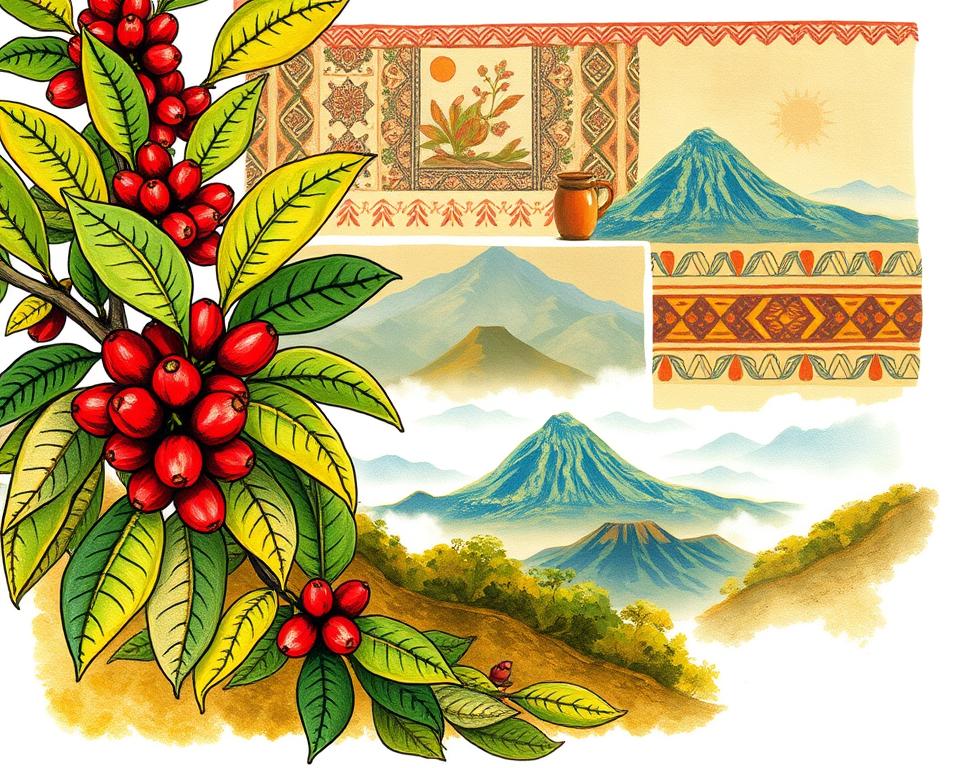
Knowing these signs helps collectors and fans spot the real Guatemalan coffee artwork. It makes the art more meaningful. It also ensures the piece truly represents Guatemalan culture.
Creating Your Own Guatemalan Coffee-Inspired Art
Start exploring the vibrant world of Guatemalan coffee-inspired art. Guatemalan coffee culture is full of tradition and beauty. It offers endless inspiration for artists.
To begin, think about the colors and patterns of Guatemalan coffee culture. The coffee plants’ deep browns and greens, along with the bright colors of traditional textiles, are great starting points.
Inspiration from Guatemalan Coffee Culture
Guatemalan coffee culture is more than just coffee. It’s about the community and traditions around it. You can find inspiration in the patterns on traditional pottery, the scenes of coffee harvesting, or the peaceful coffee plantation landscapes.
Some techniques to try include:
- Using watercolor to capture the soft, misty mornings in coffee plantations
- Incorporating traditional Guatemalan patterns into your artwork
- Experimenting with coffee as a medium, using coffee stains or coffee grounds to create unique textures
By embracing Guatemalan coffee culture’s beauty and richness, you can make art that shows your style. It also honors Guatemala’s traditions and aesthetics.
How to Build a Collection of Guatemalan Coffee Art Prints
Starting a collection of Guatemalan coffee art prints needs careful thought. It’s key to understand how coffee shapes Guatemalan art. For centuries, coffee has been vital to Guatemala’s economy and culture, influencing art.
Tips for Building a Coffee Art Collection
Here are some tips for your collection:
- Research local artists known for their coffee-inspired work.
- Look for prints that reflect the traditional coffee-making processes or the landscapes where coffee is grown.
- Consider the medium and quality of the print to ensure it is a lasting piece.
Here’s a comparison to help you choose Guatemalan coffee art prints:
| Aspect | Description | Importance |
|---|---|---|
| Artist’s Reputation | Known for capturing the essence of Guatemalan culture | High |
| Print Quality | Durable, high-resolution prints | High |
| Cultural Significance | Reflects traditional coffee practices or landscapes | Medium |
By choosing Guatemalan coffee art prints wisely, you can create a collection. It will not only enhance your space but also share Guatemala’s rich cultural story.
How to Interpret Coffee Ceremonies in Guatemalan Artistic Representations
In Guatemalan art, coffee ceremonies show more than just a theme. They open a window into the country’s traditions. For centuries, these ceremonies have been key to Guatemalan culture. They symbolize community, respect, and hospitality.
When looking at coffee ceremonies in Guatemalan art, it’s key to understand their symbolism. These rituals show the coffee-making process as a sacred act. They highlight coffee’s role in uniting people.
Guatemalan artists capture the essence of these ceremonies. They reveal the deep cultural meaning behind them. By studying coffee ceremonies in different art forms, we can understand coffee’s role in Guatemalan culture better.
The cultural importance of coffee in Guatemala is vast. It reflects the country’s history, traditions, and values. By exploring coffee ceremonies in Guatemalan art, we can appreciate the richness and complexity of Guatemalan coffee culture.
How to Connect Guatemalan Coffee Art to Its Historical Context
To truly enjoy Guatemalan coffee art, you need to know its history. Coffee plants arrived in Guatemala in the 18th century. Since then, coffee has played a big role in the country’s economy and culture.
Understanding the Evolution of Coffee Art
The story of coffee art in Guatemala is linked to its coffee history. As coffee grew, it caught the eye of local artists. They started showing coffee plantations, farmers, and how coffee is made. This shows how important coffee is in Guatemalan life. For more on Guatemalan coffee history, check outthis Oxford University research paper.
The growth of coffee art can be seen in several stages:
| Period | Characteristics | Influences |
|---|---|---|
| Early 20th Century | Emergence of coffee as a theme in Guatemalan art | Economic growth due to coffee exports |
| Mid-20th Century | Increased focus on coffee plantations and rural life | Social and cultural changes in rural Guatemala |
| Late 20th Century | Diversification of coffee art themes, including coffee ceremonies | Globalization and cultural exchange |
Knowing these historical periods helps us see the beauty and depth of Guatemalan coffee art. It shows the beauty of coffee culture and tells Guatemala’s story, economy, and people.
Conclusion: The Enduring Legacy of Guatemalan Coffee in Creative Expression
Guatemalan coffee is a big part of the country’s identity. It influences both literature and art. This coffee culture drives creativity, shaping how artists and writers see their world.
Coffee in Guatemalan Art is more than a subject; it’s a symbol of tradition and community. Art shows coffee’s role in daily life, from plantations to ceremonies. It highlights coffee’s importance in Guatemalan culture.
The lasting impact of Guatemalan coffee on art and literature shows its cultural value. We must keep this heritage alive. It helps shape Guatemalan identity.
Understanding coffee’s role in Guatemalan culture deepens our appreciation for its inspired art and literature. This connection between coffee, art, and literature is unique. It makes Guatemalan culture fascinating to explore and study.