
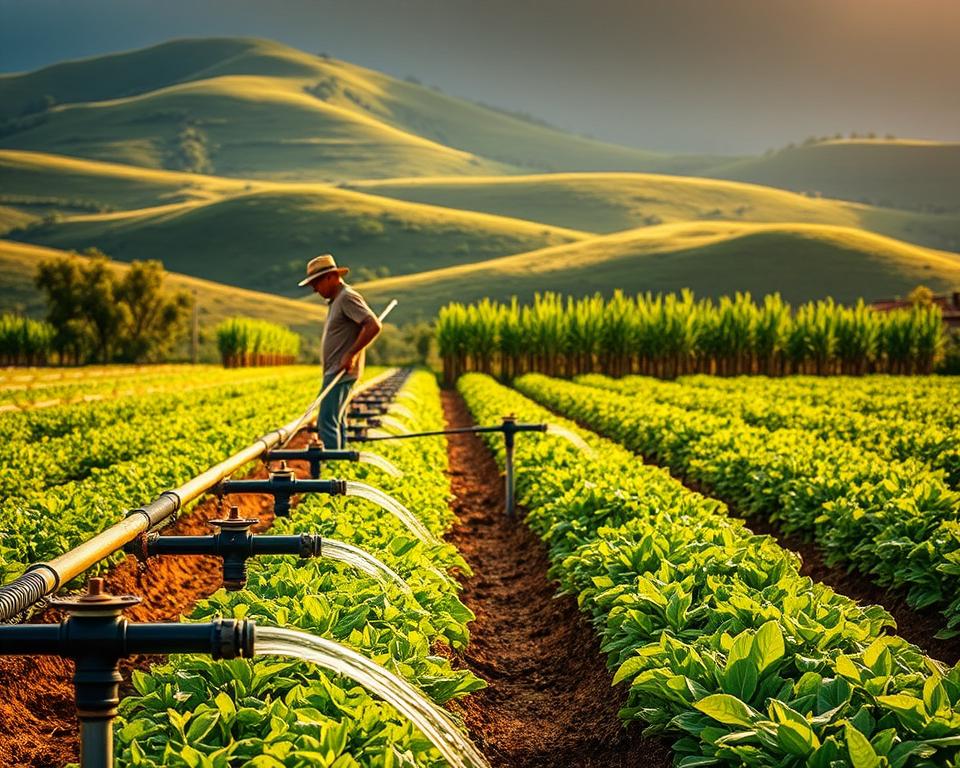
Coffee is key to Guatemala’s economy, with many farms using old ways to farm. But, the changing weather brings new problems. This makes
Now, eco-friendly methods are crucial for Guatemalan coffee farmers. By trying new approaches, farmers can lessen harm to the environment and grow more crops.
This article will look at why eco-friendly water use is vital for Guatemalan coffee farms. It will talk about the good and bad sides farmers face. We’ll also see how they’re using water better and cutting down on waste.
The Water Challenge in Guatemalan Coffee Production
Water management is key for coffee farmers in Guatemala. The country’s coffee needs enough water, but it faces threats from changing weather and irregular rains.
Coffee in Guatemala grows mainly in areas with wet and dry seasons. The rain’s timing is vital for coffee crops’ growth and yield.
Seasonal Rainfall Distribution in Major Coffee Areas
The main coffee areas in Guatemala get rain in two peaks: May-June and September-October. This pattern is important for planning irrigation.
Long-term Climate Change Effects on Water Resources
Climate change is a big risk for Guatemala’s coffee. It changes rain patterns and makes droughts and floods more common. Farmers need to use water wisely to keep coffee production going.
Good water management helps fight climate change’s effects on coffee. By using smart irrigation, farmers can better handle water issues.
Using new irrigation tech like drip systems and rainwater catchment helps save water. This supports sustainable farming and helps the coffee industry stay green.
Understanding Sustainable Irrigation Guatemala: Principles and Practices
Effective irrigation is key for Guatemalan farms to stay sustainable. With a big focus on coffee, managing water is a big challenge. Sustainable irrigation helps save water and keeps farms healthy and productive.
The main idea of sustainable irrigation in Guatemala is to use water wisely. It’s about cutting down on waste and making sure crops get the right amount of water. This means using water conservation solutions that fit the needs of coffee farms.
It’s important to measure the water footprint of coffee production. This shows how much water is used from start to finish. By knowing this, farmers can find ways to use less water and improve their sustainable farming techniques.
Setting Sustainability Goals for Your Farm
Having clear goals is crucial for farms wanting to be more sustainable. These goals should be specific, measurable, achievable, relevant, and time-bound (SMART). For Guatemalan coffee farms, this might mean cutting down water use or using new irrigation tech.
| Sustainability Goal | Action Plan | Timeline |
|---|---|---|
| Reduce water usage by 20% | Implement drip irrigation system | 6 months |
| Increase water storage capacity | Construct new reservoirs | 12 months |
| Improve soil health | Introduce mulching and cover cropping | 9 months |
By following these principles and practices, Guatemalan coffee farms can become more sustainable. This is good for the environment and helps farms stay profitable in the long run.
Drip Irrigation Systems for Coffee Plantations
Sustainable agriculture methods, like drip irrigation, are changing coffee farming. Drip irrigation sends water straight to the roots, cutting down on evaporation and runoff. This is great for coffee farms, where managing water is key for healthy crops and good yields.
Setting up a drip irrigation system needs planning and the right tools. It costs a bit upfront, but saves water and boosts crop quality over time.
Essential Equipment Checklist
- Water source: A reliable water source is essential for the irrigation system.
- Pumps and filters: These are necessary to ensure clean water reaches the plants.
- Drip lines and emitters: These deliver water directly to the roots of the plants.
- Control valves and pipes: These regulate the flow of water throughout the system.
Step-by-Step Installation Guide
- Assess the land and determine the water requirements of your coffee plants.
- Install the water source, pumps, and filters.
- Lay out the drip lines and emitters according to the spacing of your plants.
- Connect the control valves and pipes to regulate water flow.
Solutions for Smallholder Farmers
Smallholder farmers can adapt drip irrigation for their plots. Less expensive systems can still offer big benefits. Support from community groups and government programs can also help.
Scaling Systems for Larger Plantations
Bigger farms can use more complex drip irrigation systems. These systems can work with other green practices, like mulching and cover cropping. This improves soil health and adds to biodiversity.
By using water-saving systems like drip irrigation, coffee farmers in Guatemala can grow more, waste less water, and support sustainable farming. As coffee demand rises, these methods will be crucial for farming’s future.
Rainwater Harvesting Techniques for Guatemalan Farms
Rainwater harvesting is key for Guatemalan farmers to manage water well. It saves water and cuts down on rain dependence. This helps coffee crops grow stronger.
First, farmers need to figure out how much water they can harvest. They look at the yearly rain and how much roof space they have. Knowing this helps them pick the right size for their system.
Building Materials and Construction Methods
The choice of materials and how they’re built matters a lot. In Guatemala, farmers use concrete, steel, or plastics for tanks. It’s important to pick materials that won’t rust or break easily to keep the water clean.
Tank Options and Sizing Guidelines
Choosing the right tank size is crucial. It depends on how much water the farm needs and the rain it gets. Tanks can be 10,000 to 50,000 liters big. Farmers should think about space and money when picking a tank.
Preventing Contamination and Maintaining Water Quality
Keeping the rainwater clean is key for irrigation. The catchment area must be clean and free from pollutants. Regular checks for sediment and mosquito breeding are needed. First flush devices help keep the water clean by removing the first dirty water.
By using rainwater harvesting, Guatemalan farmers help the environment. They make irrigation more sustainable and improve their farms.
Implementing Micro-Irrigation for Coffee Plants
Guatemalan coffee farmers are now using micro-irrigation. This method sends water straight to the roots, cutting down on evaporation and runoff. It makes sure coffee plants get just the right amount of water.
Planning Your System Layout
Planning is key for a micro-irrigation system. First, look at your land’s shape and your plants’ water needs. Think about the soil, slope, and weather to pick the best layout.
Tools and Materials Needed
You’ll need tools and parts like drip lines, emitters, filters, and a water source. Choose durable, quality items for a system that lasts.
Installation Steps and Timeline
Start by laying out the drip lines as planned. Then, connect the emitters to the lines and secure them. The whole job, from start to finish, can take days to weeks, depending on your farm’s size.
Micro-irrigation helps Guatemalan coffee farmers use less water while keeping their crops healthy. It’s a green way to manage water, saving a vital resource and supporting sustainable farming in Guatemala.
Keeping your system in good shape is important. Check for leaks, clean filters, and make sure emitters work right. With regular care, your micro-irrigation system will serve you well for many years.
Soil Management Practices to Enhance Water Retention
Soil management is key to better water retention in Guatemala’s farms. It helps keep the soil healthy, which is vital for growing coffee.
Mulch is a big part of soil management. It stops soil erosion, keeps moisture in, and controls soil temperature.
Selecting Appropriate Mulch Materials
It’s important to pick the right mulch. Organic stuff like coffee husk, straw, or grass clippings work well. They’re easy to find and make the soil better as they break down.
Application Methods and Timing
How and when you put down mulch matters a lot. Spread a 5-10 cm layer around plants. The best time is at the start of the dry season to hold onto water.
Terracing also helps a lot. It makes flat areas on slopes to stop erosion and let water soak in. But, terraces need to be built right to work well.
Implementation and Maintenance Guide
Starting and keeping up with these practices takes planning. You need to check the mulch and terraces often. For more tips, check out resources from the FAO.
By using these methods, farmers in Guatemala can keep more water in the soil. This leads to better farming and more crops.
Technology and Innovation in Guatemalan Irrigation
Technology is changing how farmers in Guatemala use water. New irrigation tech helps farmers grow more crops with less water.
Advanced irrigation systems are making farming more sustainable. They cut down on water waste and help farming stay green.
There are many affordable ways for farmers to get better irrigation. Options include:
- Drip irrigation systems that deliver water directly to the roots of plants
- Rainwater harvesting systems that collect and store rainwater for irrigation
- Micro-irrigation systems that use less water and reduce evaporation
Installation and Programming Basics
Setting up irrigation systems needs careful planning. Farmers must know how to design, install, and maintain them for best results.
Low-Cost Monitoring Tools
Tools to track soil moisture and temperature are affordable. They help farmers make smart choices about when to water.
Community-Based Technology Sharing Models
Sharing irrigation tech within communities is becoming common. It helps farmers learn from each other and adopt new methods.
By using tech and sustainable farming, Guatemalan farmers can face climate change better. They can also grow more food.
Case Studies: Successful Sustainable Irrigation Projects in Guatemala
Many case studies show how sustainable irrigation helps Guatemalan farms. These efforts have boosted crop yields and helped protect the environment.
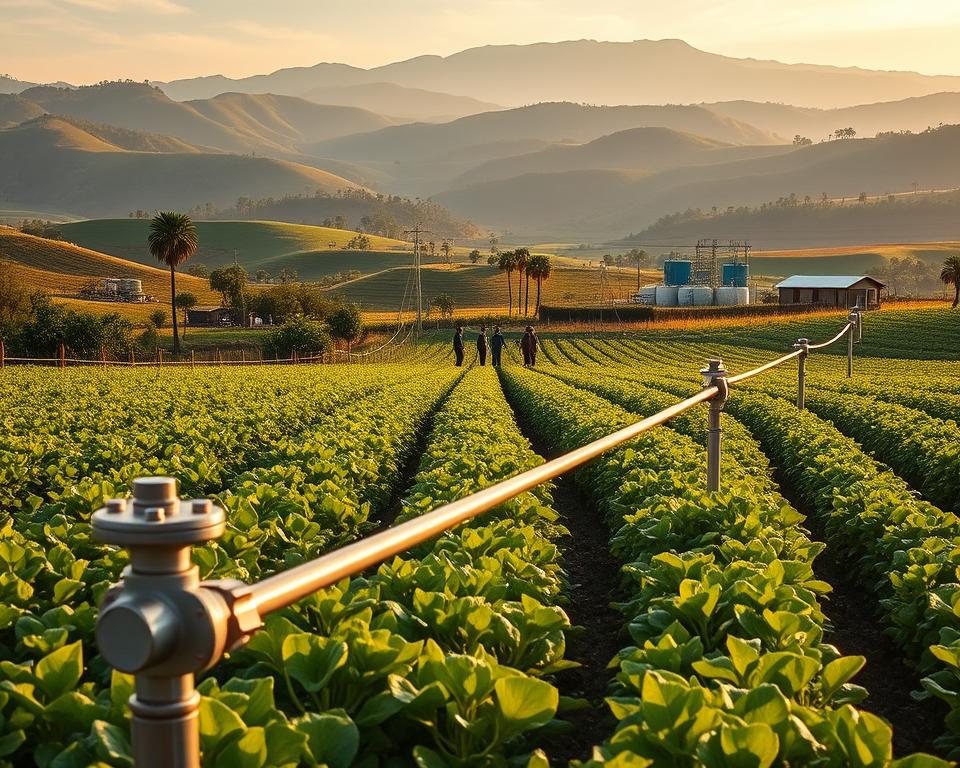
Setting up water-efficient irrigation in Guatemala takes several steps. First, you assess the water resources. Then, you pick the right irrigation tech and train farmers. Despite initial costs and upkeep, help from the government and community support has made it work.
Measurable Results and Farmer Testimonials
Farmers using sustainable irrigation see big gains. For example, a farmer in Alta Verapaz’s coffee production went up by 30% with drip irrigation.
Organizing Community Water Projects
Community water projects play a big role. They bring farmers and locals together. This sharing of resources and knowledge makes irrigation systems more effective.
Sharing Resources and Knowledge
Sharing knowledge among farmers is crucial. Workshops and training help them learn from each other. This way, they adopt practices that are good for the environment.
These examples show sustainable irrigation can change Guatemalan farming. It makes farming both profitable and eco-friendly.
Conclusion: The Future of Sustainable Water Management in Guatemalan Coffee Farming
Using sustainable irrigation is key for Guatemalan coffee farming’s future. Techniques like drip irrigation, rainwater harvesting, and micro-irrigation cut down water waste. They also boost crop yields.
Adopting sustainable irrigation guatemala practices helps the environment and farmers’ lives. It saves water and lessens coffee production’s environmental harm. This makes Guatemalan farmers more competitive worldwide.
Integrating eco-friendly water management is vital for coffee farming’s long-term success in Guatemala. As the industry grows, it’s crucial for farmers, policymakers, and others to support sustainable irrigation. This way, Guatemala can stay a top player in sustainable coffee.
This approach ensures a bright future for Guatemalan coffee farmers and the environment. It’s a win-win for everyone involved.