

Guatemala is famous for its top-notch coffee. Altitude and temperature are key in creating its unique flavors. Knowing how these factors affect coffee acidity is vital for coffee lovers and experts.
In Guatemala, the high altitudes and changing temperatures add to the coffee’s complex taste. At these high places, coffee grows slower. This slow growth lets the coffee’s natural acidity develop more fully.
As coffee making gets better, understanding the role of altitude and temperature is more important. It helps both coffee makers and drinkers enjoy Guatemalan coffee’s special qualities.
Understanding Coffee Acidity: The Flavor Foundation
Grasping coffee acidity is key to enjoying Guatemalan coffee’s rich flavors. Acidity gives coffee its bright, lively taste. It’s a vital part of what makes coffee great.
Many things shape coffee acidity, like where the beans come from, how they’re processed, and their roast level. Guatemalan coffee shows how these elements blend to create a wonderful taste.
There are three main areas that affect coffee acidity: environment, processing, and roasting. The table below shows how these factors influence acidity.
| Category | Factors | Impact on Acidity |
|---|---|---|
| Environmental | Altitude, Climate, Soil | Increases acidity with higher altitude and proper climate |
| Processing | Method of processing (washed, natural, honey) | Washed processing leads to higher acidity |
| Roasting | Roast level (light, medium, dark) | Lighter roasts keep more acidity than darker ones |
Knowing how these factors impact acidity helps coffee lovers enjoy Guatemalan coffee more. It also aids in picking the best beans and brewing methods to bring out the acidity and flavor.
The Science Behind Altitude Temperature Coffee Acidity
To grasp how altitude and temperature shape coffee acidity, we must explore the science of coffee bean growth. In places like Guatemala, coffee grows at different heights. Here, altitude and temperature mix to create the coffee’s taste.
Altitude and temperature affect coffee’s acidity through various processes. At higher elevations, it’s cooler and coffee cherries mature slower. This slower growth leads to a more complex taste, with a brighter acidity.
High-altitude coffee beans have a unique acidity. This is mainly because the cooler temperatures slow down ripening. Key factors that shape coffee acidity at high altitudes include:
- The slower maturation process, which allows for a more even ripening of the coffee cherries.
- The cooler temperatures, which contribute to a higher concentration of acids in the coffee beans.
- The increased UV radiation at higher altitudes, which can enhance the production of certain compounds that contribute to acidity.
In Guatemala, the mix of high altitude and moderate temperatures is perfect for coffee with bright acidity. The region’s rich volcanic soils and unique microclimates add to the coffee’s flavor.
Knowing the science behind altitude, temperature, and coffee acidity helps both producers and lovers of coffee. It lets them understand coffee’s complex flavors and make better choices in coffee production and selection.
Guatemala’s Coffee Terroir: Altitude, Climate, and Soil
Guatemala’s coffee terroir is shaped by its unique altitude, climate, and soil. The country’s coffee regions have distinct flavors. These are influenced by these factors.
The best altitude for coffee in Guatemala varies. But, higher altitudes mean slower maturation and more complex flavors. Places like Antigua, Huehuetenango, and Atitlán are famous for their high-altitude coffee farms.
Several factors affect coffee acidity, including climate and soil. Guatemala’s climates range from tropical to subtropical. This variety affects the coffee’s acidity levels.
The country’s soil, rich in volcanic minerals, also shapes the flavor. This soil is key to Guatemalan coffee’s taste.
- High altitudes contribute to slower coffee cherry maturation, resulting in more complex flavors.
- Guatemala’s varied climate zones influence the acidity and body of its coffee.
- The rich, volcanic soil enhances the overall flavor profile of Guatemalan coffee.
Understanding these factors is crucial for coffee producers and consumers. It helps appreciate Guatemalan coffee’s unique characteristics. By considering altitude, climate, and soil, we can better understand Guatemala’s distinct terroir.
How High Altitude Affects Coffee Bean Development
Coffee beans grown at high altitudes, like those in Guatemala, mature more slowly. This slow growth is key because it lets the beans develop a richer flavor. The cooler air at high elevations slows down the ripening of coffee cherries. This gives the beans time to fully express their unique tastes.
The role of altitude in growing coffee is huge. High altitudes make coffee more acidic. This is especially true for Guatemalan coffee, which is grown at very high elevations. The unique acidity and flavors of Guatemalan coffee come from these high altitudes.
Also, high-altitude coffee beans are denser. This density is prized in specialty coffee for its complex and satisfying taste. The slow growth and special terroir of places like Guatemala make high altitude coffee beans stand out.
To sum up, the high altitude in Guatemala greatly impacts coffee bean growth. It leads to slower maturation, richer flavors, and brighter acidity. Knowing how altitude affects coffee is key to enjoying Guatemalan coffee’s unique qualities.
Temperature Variations and Their Effect on Bean Acidity
Changes in temperature during coffee growth greatly affect the beans’ acidity. Coffee plants grown where the day and night temperatures vary a lot tend to have more acidic beans.
The best temperature for growing coffee is between 60°F and 80°F (15°C to 27°C). At these temperatures, coffee plants grow well, and the beans have the right amount of acidity.
Going outside this temperature range can change the bean’s acidity. For example, warmer temperatures can make beans less acidic. On the other hand, cooler temperatures can make them more acidic.
- Temperature changes affect how fast coffee cherries mature.
- Cooler nights help slow down maturation, making beans more acidic.
- Keeping the temperature steady is important for the right acidity.
Knowing how temperature changes affect coffee is crucial. By understanding this, producers can improve their coffee’s taste by controlling the acidity.
Selecting Guatemalan Coffee Beans Based on Acidity Profiles
Choosing the right Guatemalan coffee beans is more than just picking a roast level. It’s about understanding acidity profiles. Guatemalan coffee is famous for its bright acidity, which can taste like citrus or fruit.
To find beans that match your taste, you need to know how acidity changes. This depends on the coffee’s altitude and how it was processed.
When picking coffee beans, think about the altitude where they grew. Beans from high altitudes usually have a brighter acidity. Beans from lower altitudes might taste smoother.
The processing method also affects the coffee’s acidity. Different methods can change how acidic the coffee tastes.
| Altitude | Acidity Profile | Flavor Notes |
|---|---|---|
| High Altitude | Bright Acidity | Citrus, Fruity |
| Low Altitude | Smooth Acidity | Chocolate, Caramel |
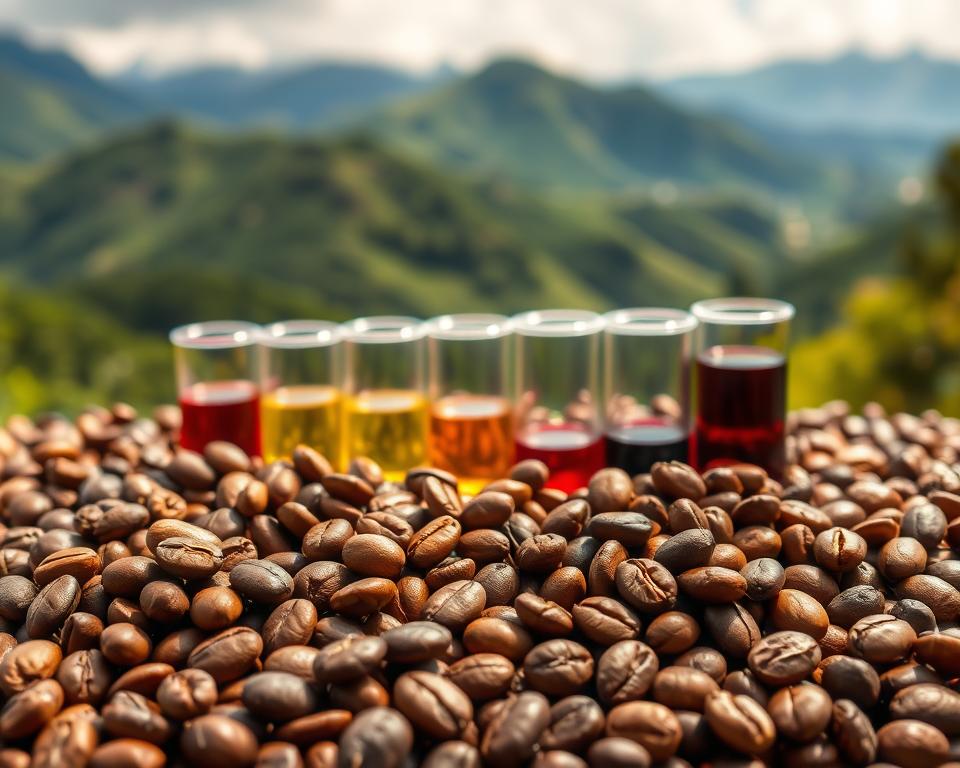
By knowing these factors, you can pick the right coffee. Whether you like a bright, citrusy taste or a smoother flavor, Guatemalan coffee has something for everyone.
Processing Methods That Enhance Natural Acidity
Coffee processing methods are key in changing coffee beans’ natural acidity, especially in Guatemala. The way beans are processed greatly affects their taste, with acidity being a big part of it.
In Guatemala, there are several processing methods. Each one changes the coffee’s acidity in its own way. The main methods are:
- Washed processing: This method makes coffee with higher acidity. It removes the skin and pulp, letting the coffee’s natural acidity stand out.
- Natural processing: This method dries the coffee beans in their fruit. It makes the coffee sweeter and fruitier but can lower the acidity.
- Honey processing: It’s a mix of washed and natural processing. It gives a balanced acidity and sweetness.
The choice of processing method greatly affects the coffee’s acidity. For example, washed processing is often chosen for Guatemalan coffee. It brings out the coffee’s bright acidity. On the other hand, natural processing makes the coffee smoother and less acidic.
Knowing how different processing methods affect acidity helps both producers and consumers. It lets them choose the coffee they want to make or buy. This knowledge also helps appreciate the unique qualities of Guatemalan coffee and the effort put into making it.
Roasting Guidelines for Preserving Bean Acidity
To keep Guatemalan coffee’s bright acidity, roasters must follow specific guidelines. Roasting coffee beans is a complex process. It requires understanding how different techniques affect the flavor.
Guidelines are key because they affect the coffee’s natural acidity. Guatemalan coffee, known for its quality and unique flavors, benefits from the right roasting.
When roasting Guatemalan coffee, start with high-quality green beans. The best roasting temperature and time depend on the bean’s origin and desired flavor.
| Roast Level | Temperature (°F) | Acidity Preservation |
|---|---|---|
| Light Roast | 380-400 | High |
| Medium Roast | 400-420 | Medium |
| Dark Roast | 440-460 | Low |
For Guatemalan coffee, a lighter roast is often preferred. It keeps the coffee’s natural acidity and flavor nuances. The best brewing temperature, between 195°F and 205°F, also enhances the roasted coffee’s taste.
By following these guidelines, coffee lovers can enjoy Guatemalan coffee at its best. It will have its bright acidity and rich flavor profile preserved.
Brewing Techniques to Showcase Guatemalan Coffee Acidity
Guatemalan coffee’s unique acidity shines through with the right brewing techniques. The perfect method brings out its bright and complex flavors.
Optimal Temperature Ranges for Different Acidity Levels
The best brewing temperature depends on the coffee’s acidity. For Guatemalan coffee, a temperature between 195°F and 205°F is ideal.
Maintaining Temperature Stability During Brewing
Keeping the brewing temperature steady is key. Changes can mess up the extraction, affecting the coffee’s acidity. A thermometer helps keep the temperature consistent.
Pour-over brewing is great for showing off Guatemalan coffee’s acidity. It offers a clean extraction, bringing out the coffee’s bright notes.
Immersion Methods for Balanced Acidity
Immersion brewing, like French press, balances acidity. It steeps the coffee in hot water, extracting more oils and sediment for a richer taste.
Mastering these brewing techniques lets coffee lovers fully enjoy Guatemalan coffee’s unique acidity. It makes their coffee experience even better.
Developing Your Palate for Guatemalan Coffee Acidity
Guatemalan coffee is known for its bright acidity. It’s a journey worth taking. Start by tasting different Guatemalan coffees to see the variety in acidity.
When you taste, focus on the flavor. Look for citrus, fruit, or wine notes. These hints often point to the coffee’s acidity.
| Acidity Level | Description | Flavor Profile |
|---|---|---|
| Low | Mild, smooth | Chocolate, nuts |
| Medium | Balanced, bright | Fruit, floral |
| High | Sharp, vibrant | Citrus, wine |
By tasting often and paying attention, you’ll get better at noticing acidity. This skill not only improves your taste but also enriches your coffee knowledge.
Troubleshooting Acidity Issues in Your Cup
Guatemalan coffee is famous for its bright acidity. But, what if it’s not balanced? Fixing acidity problems is key for coffee lovers to get the perfect cup. Several things can affect coffee’s acidity, like altitude, temperature, how it’s processed, and how it’s brewed.
To fix acidity issues, knowing what affects it is crucial. For example, coffee beans grown high up have more acidity because they mature slower. Learn more about how different factors impact acidity in our detailed guide on coffee acidity.
Common problems include too much extraction, making it bitter, and too little, making it sour. Changing how you brew, like the grind size and water temperature, can help. By tweaking these, coffee fans can fix acidity issues and enjoy a balanced Guatemalan coffee.
- Check the roast level: Lighter roasts tend to be more acidic.
- Adjust brewing parameters: Experiment with grind size, water temperature, and brewing time.
- Consider the coffee bean’s origin: Different regions have distinct acidity profiles.
Conclusion: Embracing the Bright Side of Guatemalan Coffee
Guatemalan coffee is known for its unique acidity. This comes from the country’s high altitudes and temperatures. The way altitude and temperature mix affects coffee beans, making them taste complex.
Guatemala’s different lands and climates mean its coffee can have many acidity levels. Knowing how altitude and temperature change coffee acidity helps us enjoy Guatemalan coffee more.
If you love coffee or are new to Guatemalan coffee, its bright acidity can make your coffee better. Guatemalan coffee’s rich taste and unique acidity are sure to please. It shows how altitude and temperature make coffee special.