
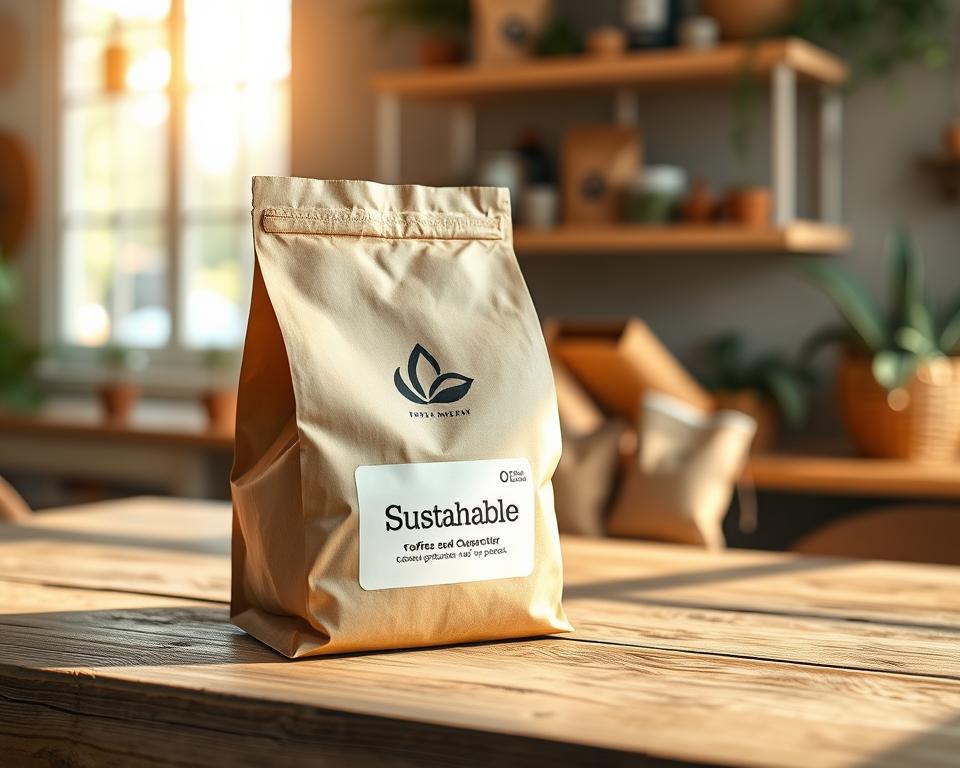
The coffee industry in Guatemala is moving towards sustainability. It aims to lessen its environmental impact. Traditional packaging methods cause a lot of waste and pollution.
With more people caring about the planet, companies are looking into sustainable coffee packaging. They’re using biodegradable and eco-friendly designs. This change helps cut down on waste and protects the environment.
Guatemala’s coffee companies are now using materials that can be broken down naturally. This move is good for the planet. It also makes their brand more attractive to those who care about the environment.
The Environmental Impact of Traditional Coffee Packaging
The coffee industry in Guatemala is facing a big environmental challenge. Traditional coffee packaging uses non-biodegradable materials. This leads to pollution and waste, harming the environment.
Materials like plastic and non-recyclable items pollute Guatemala’s land and water. They also harm its biodiversity. It’s urgent to find sustainable alternatives.
Choosing eco-friendly coffee packaging can greatly reduce the industry’s environmental impact. Options like biodegradable bags and compostable materials are better for the planet.
By using environmentally-friendly packaging, Guatemala’s coffee producers can cut down on waste. This reduces pollution and helps make the coffee industry more sustainable.
Understanding Biodegradable Coffee Packaging Materials
There’s a big push for eco-friendly packaging in the coffee world. Biodegradable materials are key in making the coffee industry greener. This is especially true for coffee makers in Guatemala.
There are many types of biodegradable packaging, like bioplastics and plant-based options.
Bioplastics and Plant-Based Packaging
Bioplastics are made from things like corn or sugarcane. They make biodegradable coffee bags that last and can be composted. Plant-based packaging, on the other hand, uses paper or cardboard. It’s a compostable coffee packaging choice.
- Bioplastics: Made from renewable resources, biodegradable, and suitable for coffee packaging.
- Plant-Based Materials: Compostable, derived from natural sources, and versatile for various packaging needs.
- Recyclable Materials: Some biodegradable packaging is also recyclable, enhancing its environmental benefits.
Guatemala coffee makers should pick packaging that’s compostable and recyclable. This way, they can cut down on waste. It also attracts customers who care about the planet.
Benefits of Switching to Biodegradable Coffee Packaging for Guatemala Producers
Biodegradable coffee packaging is now a top choice for Guatemala producers. They want to be more sustainable. This change is because more people want eco-friendly products and want to help the planet.
Using biodegradable packaging has many advantages. It cuts down on waste that harms our environment. It also makes Guatemala coffee producers look good by showing they care about the planet.
- Reduced environmental impact through minimized waste
- Enhanced brand image and appeal to environmentally conscious consumers
- Potential cost savings through efficient packaging designs
biodegradable packaging. This can grow their customer base and keep customers coming back.
In short, switching to biodegradable packaging gives Guatemala producers an edge. It’s a move towards a greener future. It helps both the producers and our planet.
How to Assess Your Current Packaging Needs
It’s key to understand your coffee packaging now to choose better options. To do this, you need to look at a few important things.
First, check what your packaging is made of. See if it can be swapped for something more eco-friendly. Then, think about the size and design. Can they work with biodegradable materials?
| Packaging Aspect | Current State | Biodegradable Alternative |
|---|---|---|
| Material | Non-biodegradable plastic | PLA or PBAT |
| Size | Standard coffee bag size | Customizable biodegradable bags |
| Design | Simple packaging design | Eco-friendly design options |
Looking at these points, coffee producers in Guatemala can find the best eco-friendly packaging. This leads to a shift towards green and sustainable packaging.
Selecting Biodegradable Materials Suitable for Guatemala Coffee
Choosing the right biodegradable materials for coffee packaging is key to reducing harm to the environment. Coffee makers in Guatemala are now using biodegradable coffee bags. This is a green alternative to old packaging methods.
It’s important to pick materials that work well with coffee beans. The packaging should keep the coffee’s taste and smell good. It should also be able to break down or be recycled.
Compatibility and Compostability
The materials must match the coffee beans to keep the quality high. Also, the packaging should be able to decompose naturally. This ensures it doesn’t harm the environment.
Guatemala coffee makers should find materials that are certified to break down. They should also be able to let air in to keep the coffee fresh.
Recyclable packaging is another choice, but it needs recycling systems to work. Makers should check if recycling is available in their area.
By picking biodegradable materials that fit their coffee and can decompose, Guatemala coffee makers can lessen their environmental impact. They can also keep their coffee’s quality high.
Step-by-Step Guide to Choosing the Right Biodegradable Coffee Packaging
Choosing biodegradable coffee packaging is a detailed process. Guatemala coffee producers need to consider several steps to make the right choice.
First, you must assess your packaging needs. Look at the type of coffee you make, the size of the packaging, and the materials needed to keep the coffee fresh.
- Evaluate your coffee production volume to determine the packaging quantity needed.
- Consider the type of coffee (whole beans, ground, or instant) and its impact on packaging requirements.
- Assess the need for additional packaging features such as valves for freshness or resealable options.
Next, pick the best biodegradable materials. You can choose from:
- Plant-based bioplastics that are compostable and non-toxic.
- Paper-based packaging that is biodegradable and recyclable.
- Compostable packaging materials that can reduce waste significantly.
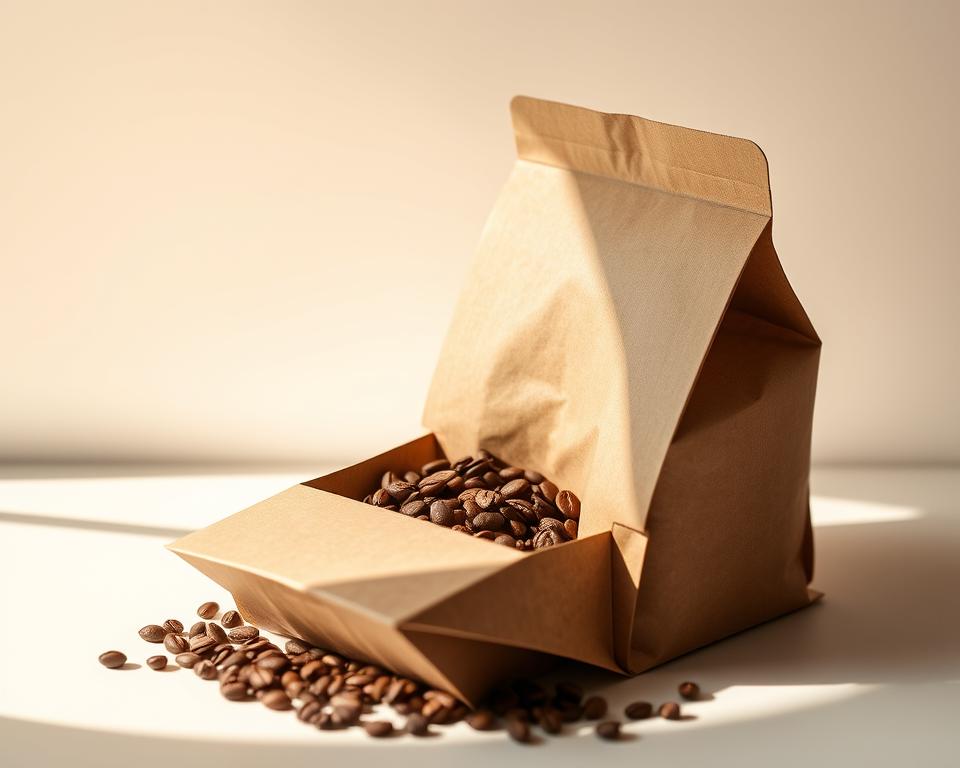
When picking biodegradable coffee packaging, think about the environmental impact, cost, and what customers like. Make sure the packaging meets global standards for biodegradability and compostability.
By following these steps, Guatemala coffee producers can find eco-friendly packaging. This not only helps the environment but also boosts their brand’s image for being green.
Implementing Eco-Design Principles in Your Coffee Packaging
Eco-design is changing how Guatemala coffee makers package their products. It makes packaging more eco-friendly. This way, businesses can lower their environmental footprint and boost their brand.
Creating eco-friendly coffee packaging is more than just picking the right materials. It’s about making packaging that works well and is good for the planet. This means using less packaging, choosing materials that can be recycled or broken down, and designing it to cut down on waste.
| Eco-Design Principle | Description | Benefit |
|---|---|---|
| Minimalism | Reducing packaging to the essentials | Less waste, lower costs |
| Sustainable Materials | Using biodegradable or recyclable materials | Environmentally friendly, enhances brand image |
| Optimized Design | Designing packaging for efficient use of space | Reduces shipping costs, minimizes waste |
By using these eco-design ideas, Guatemala coffee makers can make sustainable coffee bags. These bags not only help the environment but also attract customers who care about the planet.
Switching to green coffee packaging is a big step towards a greener future for Guatemala’s coffee industry. It matches the world’s growing focus on being eco-friendly.
How to Transition Your Business to Biodegradable Coffee Packaging
Switching to biodegradable coffee packaging is key for businesses in Guatemala’s coffee industry. It’s a move towards more sustainable practices. This change not only helps the environment but also boosts the brand’s image among eco-friendly consumers.
To start, Guatemala coffee producers need to check their current packaging. They should look at what they use, how it works, and its impact on the planet.
Finding the right suppliers for biodegradable packaging is crucial. Producers should search for suppliers with certified compostable or recyclable materials. It’s important to check the certifications and make sure the materials are biodegradable.
Changing to biodegradable packaging might mean adjusting the production process. This could involve new packaging designs, materials, or both. Training employees is also key to a smooth transition.
Some important strategies for a successful change include:
- Doing thorough market research to know what eco-friendly packaging consumers want.
- Working with suppliers to get top-notch biodegradable materials.
- Investing in training for employees to work with the new packaging.
By using biodegradable coffee packaging, Guatemala’s coffee producers can lessen their environmental impact. They can also attract more environmentally aware consumers.
Marketing Your Commitment to Sustainability
Sustainability is key for today’s consumers. Guatemala coffee producers must show they use biodegradable coffee packaging. Highlighting your green practices can set you apart in a crowded market.
To market your sustainability, be open and clear. Tell the story of why you chose eco-friendly packaging. Talk about the good it does for the planet. Use social media to share your green packaging and connect with eco-aware customers.
Think about a marketing push that shows your commitment to green packaging. Use labels or logos that show your products are eco-friendly. This will draw in customers who care about the environment and build a loyal following.
Case Studies: Successful Implementation of Biodegradable Packaging by Guatemala Coffee Producers
Guatemala’s coffee producers are moving towards biodegradable packaging. They want to protect the environment. Many have started using sustainable packaging, showing the way for others.
Some notable examples are:
- Cafe Miralvalle uses compostable coffee bags from plant-based materials.
- Antigua Coffee Estates has eco-friendly packaging that cuts down waste and carbon.
- La Azotea Coffee uses biodegradable packaging that fits with their green farming.
These producers have gained a lot. They’ve cut down on environmental harm and boosted their brand with eco-friendly fans. Their big wins are:
- Less carbon footprint thanks to green materials.
- More loyal customers because of their green efforts.
- Meeting global green standards, opening up new markets.
Guatemala’s coffee makers are helping the planet and setting a new standard. Their success stories offer lessons for others wanting to go green.
Overcoming Common Challenges in Adopting Biodegradable Packaging
Biodegradable packaging faces many challenges in Guatemala’s coffee industry. These obstacles need practical solutions to overcome them.
One big problem is the higher cost of biodegradable materials. Guatemala coffee producers can tackle this by:
- Negotiating with suppliers for better prices on bulk orders.
- Investing in research to find cheaper biodegradable materials.
- Looking for government incentives or subsidies for sustainable practices.
Another challenge is finding biodegradable packaging locally. Businesses can:
- Work with international suppliers for more options.
- Team up with other local businesses to increase demand for biodegradable packaging.
By tackling these challenges, Guatemala coffee producers can switch to biodegradable packaging. This move will boost their sustainability and attract eco-friendly consumers.
Conclusion: The Future of Sustainable Coffee Packaging in Guatemala
Guatemala’s coffee industry is ready to make a big difference globally by going green. Switching to biodegradable coffee packaging is key to cutting down on waste in coffee making.
By choosing sustainable packaging, Guatemalan coffee makers can cut down on waste. They also get to boost their brand image and attract eco-aware buyers. As people want greener products, using biodegradable packaging is more important than ever.
It’s crucial for coffee businesses to focus on eco-friendly packaging and green practices. This move will help the coffee world become greener. It also ensures Guatemala’s coffee stays in demand for years to come.
The outlook for green coffee packaging in Guatemala is bright. Many producers are already using biodegradable packaging. With ongoing innovation and green efforts, Guatemala’s coffee can stay ahead while protecting our planet.