
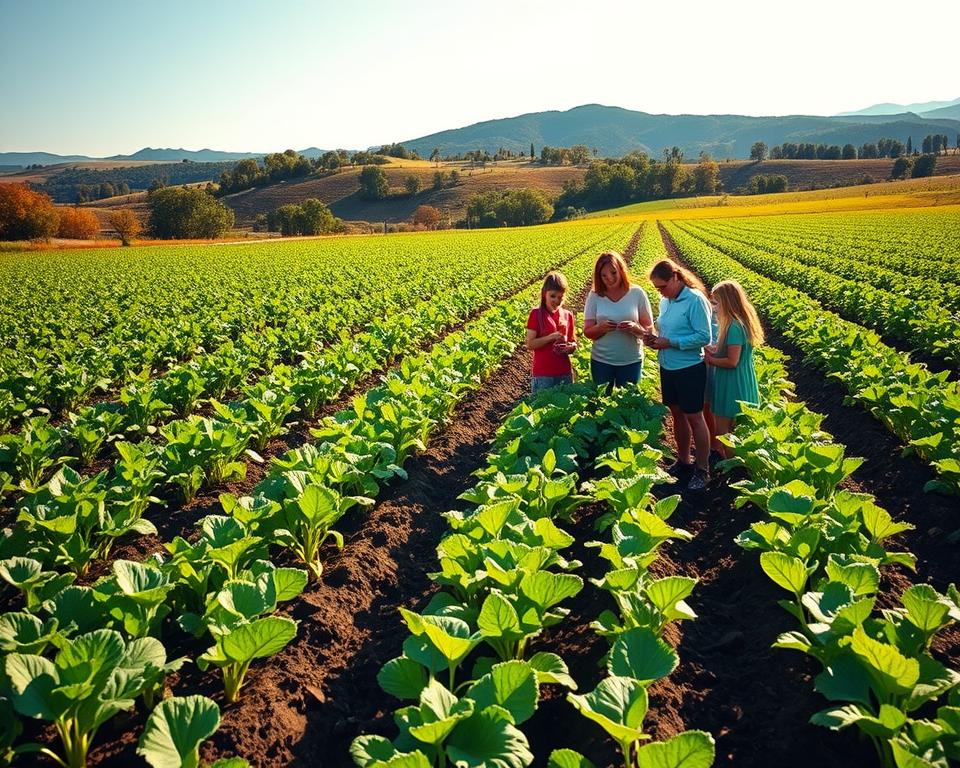
Guatemala’s coffee is famous for its quality. But, the industry needs better practices and to teach new farmers. This is where education comes in.
In Guatemala, coffee farming is mostly traditional. Farmers often lack formal training. Agricultural education is key to teaching modern and sustainable methods.
By adding sustainable agriculture to school programs, Guatemala can keep its coffee industry strong. This helps the local economy and supports the global coffee market.
The State of Coffee Farming in Guatemala
The coffee farming sector in Guatemala is facing tough times. This is due to environmental and economic issues. Coffee is a key part of Guatemala’s economy, with many families depending on it for their income.
Coffee farming in Guatemala is more than just a job. It’s a way of life, especially in highland areas. The country’s coffee is famous for its quality. This is thanks to the perfect mix of climate, soil, and altitude.
Climate Change Impacts on Highland Regions
Climate change is affecting coffee farming in Guatemala’s highlands a lot. Rising temperatures and changes in rain patterns are changing how coffee grows.
Market Volatility and Price Fluctuations
Another big problem for Guatemala’s coffee farmers is market volatility. Changes in global coffee prices can really hurt farmers’ lives.
| Challenge | Impact on Coffee Farming | Potential Solution |
|---|---|---|
| Climate Change | Altered growing conditions, reduced yields | Implement climate-resilient farming practices |
| Market Volatility | Unpredictable income for farmers | Develop market diversification strategies |
To tackle these issues, we need to invest in coffee education and support long-lasting coffee farms. This way, we can help keep Guatemala’s coffee industry strong. And we can protect its farming legacy for future generations.
Why Agricultural Education for Coffee Generations Matters
The future of Guatemala’s coffee industry depends on teaching new generations about farming. Challenges like climate change, pests, and diseases make it crucial to keep farmers updated. This knowledge is key for the industry’s survival.
Teaching coffee farmers is more than just about farming. It’s also about learning business skills and how to farm sustainably. By learning about sustainable farming, farmers can grow better coffee and protect the environment.
Agribusiness education is also important. It helps farmers make smart choices about their farms and businesses. They learn about market trends, managing money, and using new technologies.
| Benefits of Agricultural Education | Description |
|---|---|
| Improved Farming Techniques | Farmers learn about the latest farming practices, improving crop yields and quality. |
| Sustainable Practices | Education promotes environmentally friendly practices, reducing the environmental impact. |
| Enhanced Business Skills | Farmers gain knowledge about market trends, financial management, and business operations. |
In conclusion, teaching farmers is essential for Guatemala’s coffee industry to thrive. By focusing on coffee generations and giving them the right education, the industry can look forward to a bright future.
Identifying Educational Needs for Different Generations
To ensure the future of coffee production in Guatemala, it’s crucial to meet the educational needs of all ages. The coffee industry has a wide range of workers, from young farmers to seasoned elders.
Younger farmers often want to learn about new coffee growing methods and technology. On the other hand, older farmers have valuable traditional knowledge. This knowledge needs to blend with modern practices.
- Coffee cultivation techniques
- Farm management practices
- Quality control measures
- Market trends and business skills
Understanding these needs helps create educational programs. These programs can share knowledge between generations. They also offer training that is both relevant and effective.
Good education not only improves farmers’ skills. It also makes Guatemala’s coffee industry more sustainable and competitive.
Establishing Effective Agricultural Education Coffee Generations Programs
To ensure Guatemala’s coffee industry thrives, effective agricultural education is key. These programs teach coffee farmers the skills needed for sustainable practices. They also help improve their livelihoods.
A sustainable agriculture curriculum is central to these programs. It covers topics like soil conservation, biodiversity, and climate change. This education is vital for the long-term success of coffee farms.
Agribusiness education is also crucial. It teaches farmers about market trends, farm management, and sales strategies. This knowledge boosts their economic stability and the competitiveness of Guatemala’s coffee.
Multi-generational coffee farms greatly benefit from these programs. They involve both young and old in learning. This approach keeps traditional farming alive while introducing new methods.
| Program Component | Description | Benefit |
|---|---|---|
| Sustainable Agriculture Curriculum | Focuses on sustainable farming practices, soil conservation, and biodiversity. | Enhances environmental sustainability and farm productivity. |
| Agribusiness Education | Covers market analysis, business management, and marketing strategies. | Improves economic viability and competitiveness of coffee farms. |
| Intergenerational Knowledge Transfer | Involves both older and younger farmers in the educational process. | Preserves traditional knowledge while adopting modern farming techniques. |
By including these elements, agricultural education programs support coffee generations in Guatemala. They ensure a sustainable and prosperous coffee industry for the future.
Implementing Sustainable Farming Practices Through Education
Education is changing Guatemala’s coffee industry for the better. It teaches farmers new ways to grow coffee. This makes coffee better and helps the environment for future farmers.
Keeping Guatemala’s nature and coffee alive is key. Education helps farmers learn to farm in ways that are good for the planet. They learn to use organic stuff, save water, and protect animals’ homes.
Guatemala has shown how education can make farming better. For example, training on how to manage pests and grow organically has helped. This has made coffee better and the environment healthier.
These programs also keep farming traditions alive. They teach older farmers and pass on knowledge to the young. This way, old ways are kept alive while new ideas are added.
By keeping education a priority, Guatemala can stay a top player in coffee. It also helps make the world a greener place.
Integrating Traditional Knowledge with Modern Techniques
The future of coffee farming in Guatemala is tied to blending old and new. This mix is key for better coffee quality, higher yields, and sustainability.
Intergenerational knowledge transfer is crucial here. Older farmers bring traditional wisdom, while younger ones know modern methods. Together, they make farming more effective and green.
- Higher crop yields with modern fertilizers and pest control, plus traditional farming.
- More sustainable farming thanks to eco-friendly practices.
- Higher quality coffee from modern processing methods.
Farm-to-cup training is vital for teaching farmers new skills. These programs boost farming and teach about quality and customer likes.
By using both traditional and modern methods, Guatemala’s coffee can grow. It will keep offering great coffee, protect cultural heritage, and support green farming.
Developing Farm-to-Cup Training Programs
Guatemalan coffee farmers are getting better thanks to farm-to-cup training. These programs teach them everything from growing coffee to selling it. They help make Guatemalan coffee better and more marketable.
These programs focus on growing coffee better. Farmers learn about soil care, pruning, and fighting pests. This helps them grow more coffee and make it taste better.
They also learn about coffee processing and how to sell it. This knowledge helps farmers get better prices for their coffee. It also increases their income.
Learning about the business side of coffee is key. Farmers can make smarter choices and earn more money. For more on coffee farmers, check out Lavazza’s page on coffee farmers.
These training programs have many benefits. They improve coffee quality and help farmers sell more. They also make coffee farming in Guatemala more sustainable. By supporting these programs, we help ensure Guatemalan coffee’s future.
Facilitating Intergenerational Knowledge Transfer
The future of coffee farming in Guatemala relies on passing knowledge from older to younger farmers. This is key to keep traditional farming alive while adding new methods. It’s a mix that keeps farms going strong.
Multi-generational coffee farms lead this effort. They know that combining old wisdom with new ideas is essential. They use educational programs to help older farmers teach younger ones or community kids.
- Mentorship programs that pair young farmers with experienced elders
- Workshops on sustainable farming practices tailored for different age groups
- Farm visits and hands-on training sessions led by veteran farmers
These efforts keep coffee farming’s cultural heritage alive. They also make sure the next generation can handle new challenges and market needs.
Guatemala’s coffee sector will thrive by sharing knowledge across generations. This way, it can keep its traditions while embracing new ideas.
Leveraging Technology in Agricultural Education
Technology is changing how coffee farmers in Guatemala learn. It’s making education better for sustainable practices. Digital tools give farmers info on new farming methods, market trends, and green practices.
Online platforms, apps, and e-learning modules are improving coffee education. These tools let farmers learn when and where they want. This makes education more flexible and open.
A new curriculum that uses tech covers topics like precision farming and organic methods. This tech-based education is making farming education more effective. It helps keep Guatemala’s coffee industry strong for the future.
Technology also helps pass on knowledge from one generation to the next. Older farmers share their old ways, while younger ones bring in new tech. This mix creates a rich learning environment.
Measuring the Success of Educational Initiatives
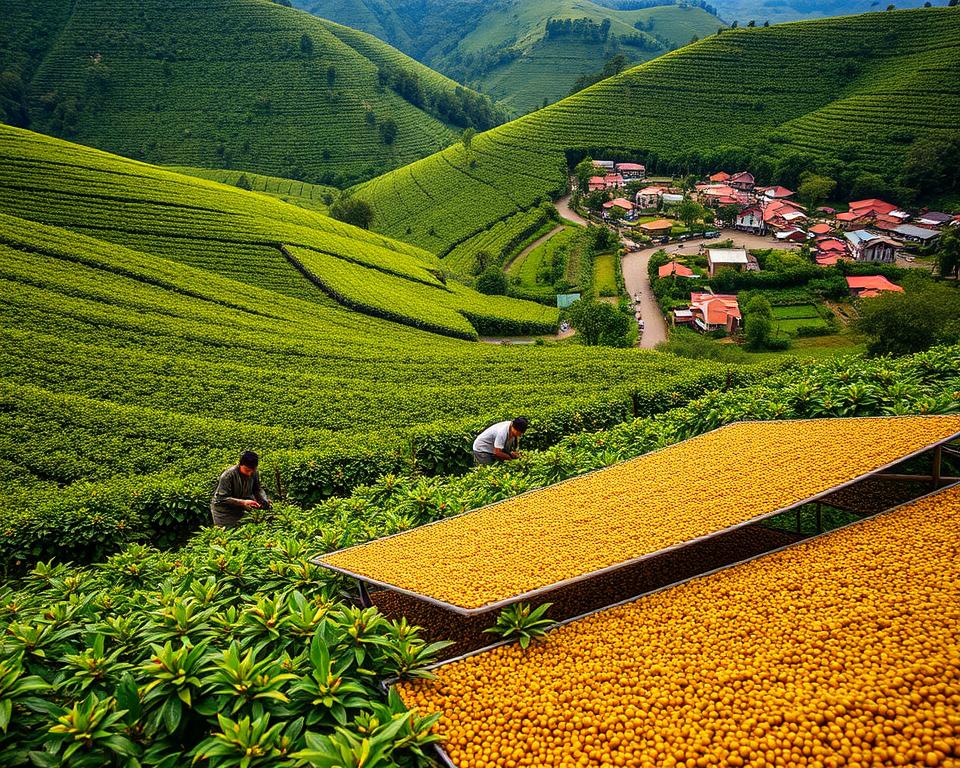
To keep coffee farming going, it’s key to watch how educational programs do. These programs are for coffee farmers in Guatemala.
Success is seen in how well these programs help farms grow coffee better. We look at things like how much coffee is made, if farmers use good farming ways, and if they’re happy with the education. These signs tell us if the programs are working well.
| KPI | Description | Target |
|---|---|---|
| Yield Improvement | Increase in coffee yield per hectare | 15% annual increase |
| Adoption of Sustainable Practices | Percentage of farmers adopting sustainable farming methods | 80% adoption rate |
| Farmer Satisfaction | Level of satisfaction among farmers with the educational programs | 90% satisfaction rate |
By checking these signs often, we can see what needs to get better. This helps us make the education for coffee farmers in Guatemala even better. It helps make the coffee industry more sustainable.
Conclusion: Securing Guatemala’s Coffee Legacy Through Education
Guatemala’s coffee is famous for its rich taste and unique flavors. To keep this tradition alive, we need to focus on teaching farmers. This education should cover both old and new farming methods.
Training programs that take farmers from planting to roasting are key. They help farmers make better coffee. This also helps keep the farming tradition going strong.
Success in these programs depends on passing knowledge from old to young farmers. This mix of experience and new ideas keeps Guatemala’s coffee industry growing.
With more people wanting specialty coffee, Guatemala is ready to stay at the top. By focusing on education and sharing knowledge, Guatemala’s coffee future looks bright.