
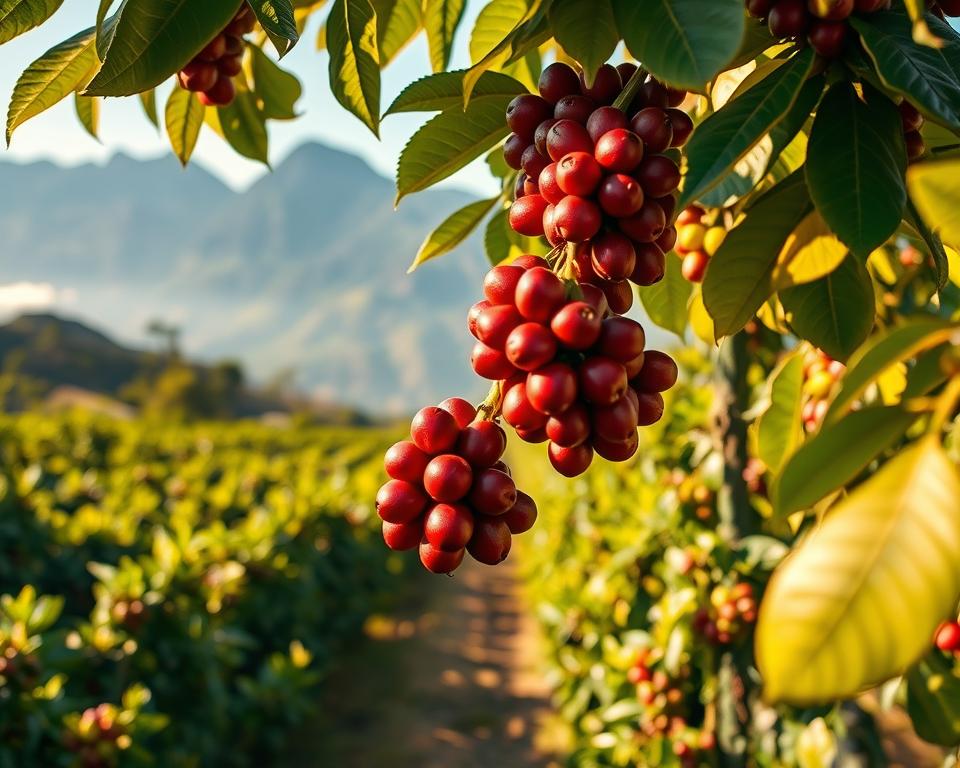
Guatemala is famous for its top-notch coffee, playing a big role in the world coffee market. The country’s coffee business has been growing steadily. Many producers choose to export their coffee directly to reach buyers worldwide.
Direct export can help Guatemalan producers make more money and build strong ties with buyers abroad. Yet, it also brings its own set of problems. These include dealing with tough international trade rules and handling logistical risks.
It’s key for producers and exporters in Guatemala to know the ups and downs of direct coffee export. With more people wanting specialty coffee, Guatemalan coffee makers have a great chance to succeed. They just need to figure out how to handle the tricky parts of international trade.
The Guatemalan Coffee Landscape
Guatemala’s coffee landscape is known for its rich flavors and unique regions. The country is famous for its high-quality Arabica coffee. This is thanks to its geography and climate.
Guatemala has several coffee-producing areas, like Antigua, Atitlán, and Huehuetenango. Each region has its own taste. Guatemalan coffee is loved for its balanced acidity and rich flavors.
Guatemala’s coffee faces many challenges. These include issues in the coffee supply chain and international trade. Climate change, pests, and diseases also threaten coffee quality and yields.
| Region | Coffee Type | Flavor Profile |
|---|---|---|
| Antigua | Arabica | Balanced acidity, chocolate notes |
| Atitlán | Arabica | Fruity, floral notes |
| Huehuetenango | Arabica | Bright acidity, citrus notes |
Knowing about these challenges and the Guatemalan coffee landscape is key. It helps in understanding direct coffee export from Guatemala.
Understanding Direct Coffee Export
The direct export of coffee from Guatemala has its ups and downs. It means selling coffee straight to buyers abroad, skipping middlemen. This can lead to higher profits for those who grow the coffee.
Producers and Cooperatives
At the heart of direct coffee export are producers and cooperatives. They grow, pick, and prepare top-notch coffee beans. Cooperatives are especially important for small farmers, helping them reach global markets.
Importers and Roasters
Importers and roasters are vital in the coffee export process. They buy coffee from Guatemalan farmers or cooperatives and send it overseas. Then, roasters turn the green coffee into what we drink.
Logistics Partners
Logistics partners keep coffee moving smoothly from Guatemala to the world. They deal with customs, shipping, and insurance. This ensures coffee gets to its destination quickly and safely.
But, direct coffee export comes with its own set of challenges. There are rules to follow in importing countries, logistics to manage, and market changes to handle.
| Key Players | Roles and Responsibilities |
|---|---|
| Producers and Cooperatives | Cultivate, harvest, and process coffee beans |
| Importers and Roasters | Purchase, ship, and roast coffee beans |
| Logistics Partners | Handle transportation, customs, and insurance |
Knowing who does what and the hurdles they face is key. It helps us understand the complex world of direct coffee export from Guatemala.
Opportunities in Direct Coffee Export from Guatemala
Guatemalan coffee is known for its unique flavors and commitment to the environment. The direct export model lets Guatemalan coffee makers sell their high-quality coffee straight to buyers around the world.
Guatemala is famous for its coffee-growing areas, each with its own taste. Producers can meet the varied tastes of buyers by showing off these unique flavors. For example, coffee from Antigua is known for its balanced taste, while Huehuetenango coffee is bright and fruity.
This model lets producers showcase these differences. Buyers can then choose coffees that fit their preferences.
Highlighting Sustainable Practices
More and more people want to buy coffee that’s good for the planet. Guatemalan coffee makers are in a great spot to take advantage of this. Many farms in Guatemala use eco-friendly methods like shade-grown coffee and organic farming.
By focusing on these green practices, producers can stand out in a crowded market. They can also get a better price for their coffee. This makes it easier to deal with changing market prices.
Keeping quality high is key in direct export. Producers must make sure their coffee meets international standards. This means strict quality checks from start to finish.
Direct Coffee Export Risks: A Comprehensive Analysis
Guatemalan coffee producers face many risks when they export coffee directly. These risks can affect their profits and how sustainable their business is.
The main risks include geopolitical tensions, changes in currency exchange rates, and compliance issues.
Guatemalan coffee exporters must follow international rules closely. They often struggle with:
- Meeting food safety standards
- Having accurate and complete documents
- Following customs rules
These mistakes can lead to delays, fines, or even the rejection of their shipments.
| Compliance Issue | Potential Consequence | Mitigation Strategy |
|---|---|---|
| Food Safety Non-Compliance | Shipment Rejection | Regular Audits and Training |
| Inaccurate Documentation | Delays and Fines | Double-Check Documents |
| Customs Non-Compliance | Penalties and Loss of Reputation | Stay Updated on Regulations |
Risk Mitigation Strategies
To reduce risks in direct coffee export, Guatemalan producers can take several steps.
One important step is to keep up with geopolitical changes that might affect trade. This means:
- Watching trade agreements and policies
- Checking the political stability of trading partners
- Exporting to different countries to not rely on one
Also, using financial tools like forward contracts can help manage currency risks. This keeps cash flows steady.
By knowing the risks and using good strategies, Guatemalan coffee producers can overcome the challenges of direct coffee export. They can also take advantage of its benefits.
Navigating International Trade Challenges
Guatemalan coffee exporters face many challenges in international trade. These issues come from different regulations and standards in various markets.
To export coffee, producers must follow the rules of the countries they sell to. They need to meet the standards of big markets like North America, the European Union, and Asia.
North American Market Requirements
The North American market, especially the United States, has strict rules on food safety and quality. Exporters must follow rules like:
- The Food Safety Modernization Act (FSMA)
- Country-of-Origin Labeling (COOL)
- Organic certification if applicable
Following these rules helps ensure Guatemalan coffee meets North American quality standards.
The European Union also has its own rules for coffee imports, focusing on sustainability and quality. Key points include:
- Meeting the EU’s quality standards for coffee
- Compliance with environmental and social regulations
- Adhering to Fair Trade practices
Exporters who meet these standards can sell to the premium European market.
Asian Market Considerations
The Asian market offers both chances and challenges. Countries like Japan and South Korea have growing coffee interests. But, their rules can differ a lot. Exporters need to:
- Follow local food safety rules
- Meet labeling needs
- Understand cultural coffee preferences
Knowing these details is key to entering the Asian market.
In summary, dealing with international trade challenges needs a deep understanding of various market rules. By following these rules, Guatemalan coffee exporters can grow their global sales and meet the increasing demand for quality coffee.
Transportation Logistics and Quality Control
Transportation logistics are key to keeping coffee from Guatemala top-notch. The country’s coffee is famous for its quality. Keeping it that way during transport is essential.
Guatemalan coffee makers often deal with weather issues. Heavy rain can close roads and slow down coffee delivery to ports.
Infrastructure Limitations
Guatemala’s infrastructure can also be a problem. Bad roads can make coffee travel longer and risk damage to shipments.
Contingency Planning
To handle these issues, coffee makers and exporters plan ahead. They look for other routes, stay in touch with logistics teams, and save for emergencies.
Good planning helps deal with weather and road problems. It ensures Guatemalan coffee gets to its destination well.
By tackling transport issues and keeping quality high, Guatemalan coffee can shine in the global market.
Managing Coffee Supply Chain Vulnerabilities
Guatemalan coffee producers face big challenges in their supply chain. Disruptions like geopolitical tensions, currency changes, and logistics issues are common. These problems can hurt their business a lot.
Trade Disputes and Tariffs
Trade wars and tariffs can really hurt coffee sales. For example, tariffs on coffee exports can make Guatemalan coffee more expensive abroad. This makes it harder to compete. To fight this, producers need to keep up with trade rules and try to get good deals.
Political troubles in Guatemala or where they sell their coffee can also cause problems. Political unrest can mess up transport, leading to delays and higher costs. It can also change how much money they get for their coffee.
To deal with these issues, Guatemalan coffee makers should sell to more places, make their supply chain stronger, and work well with buyers and transport companies. By tackling these problems, they can handle the global coffee market better.
Financial Considerations for Direct Exporters
The financial world for direct coffee exporters from Guatemala is complex. It’s shaped by things like currency exchange rates and market ups and downs. Guatemalan coffee makers need to handle these to stay profitable.
One big financial risk is changing market prices. Coffee prices can swing a lot because of global demand, weather, and world politics. For example, a frost in Brazil can cause a global coffee shortage, making prices go up. Producers must be ready to deal with these changes.
Currency exchange rates are also key. The value of the Guatemalan quetzal against the US dollar can change how much money exporters make. If the quetzal is strong, Guatemalan coffee might not be as competitive worldwide.
| Financial Factor | Impact on Exporters | Mitigation Strategy |
|---|---|---|
| Fluctuating Market Prices | Unpredictable revenue | Hedging strategies, diversification |
| Currency Exchange Rates | Reduced competitiveness with a strong local currency | Currency hedging, pricing strategies |
| Direct Coffee Export Risks | Exposure to global market volatility | Market research, risk management plans |
To tackle these financial risks, Guatemalan coffee producers can use different strategies. They can hedge against price changes and sell to more markets. Knowing and tackling these risks is key for direct coffee exporters to succeed.
Building Your Direct Export Strategy
Guatemalan coffee producers need a direct export strategy to grow globally. This strategy involves several key steps. These steps help navigate the complexities of international trade.
Identifying Target Markets
The first step is to find potential target markets. Research countries that want specialty coffee and know their import rules. For example, Japan and the United States are big markets for high-quality coffee.
Finding Reliable Buyers
After finding markets, finding reliable buyers is key. Attend coffee trade shows and use online platforms to connect with buyers. Make sure buyers are known for being reliable and paying on time.
Keeping high processing standards is crucial for quality coffee. This means using the right methods for harvesting, pulping, fermenting, and drying. Following these standards helps meet international flavor expectations.
Cupping and Grading
Regular cupping and grading check coffee quality. Cupping tastes the coffee to judge its flavor. Grading sorts beans by size and quality. These steps find defects and ensure quality.
Selecting Shipping Methods
Choosing the right shipping method is key. Decide between air freight, sea freight, or a mix based on urgency and cost. This ensures coffee arrives in the best condition.
Documentation Preparation
Preparing the right documents is vital. This includes commercial invoices, certificates of origin, and phytosanitary certificates. Make sure all documents are correct and meet destination country rules. For more help, see our export strategy guide.
Building Trust with Buyers
Building trust with buyers is crucial for success. Keep quality consistent, deliver on time, and be open about coffee origin and processing.
Managing Expectations
Managing expectations means being clear about what you can deliver. Be ready to negotiate and adjust to market changes.
Gathering Feedback
Getting feedback from buyers is key for improvement. It helps understand their preferences and make needed changes.
Implementing Changes
Finally, use feedback to improve your strategy. This might mean changing processing, improving quality control, or exploring new markets.
Conclusion: Balancing Opportunities and Risks in Guatemala Coffee Export
Guatemala’s coffee industry is full of chances and challenges for exporters. It’s key to grasp the details of Guatemala Coffee making and the world market to succeed.
Handling direct coffee export risks means looking at market changes, shipping issues, and following rules. There are also international trade challenges like tariffs and agreements to deal with.
To make the most of Guatemala’s coffee market, exporters need to understand it well. They should also have good plans for managing risks. This way, they can build a thriving and lasting export business.