

Guatemala is leading the way in the specialty coffee world with its unique fermented coffees. Known for its rich coffee culture, Guatemala is at the forefront of coffee trends.
Fermented coffees are becoming more popular for their unique and complex flavors. Coffee producers in Guatemala are trying out different fermentation methods. This has led to a new range of specialty coffees that are getting noticed worldwide.
This move towards fermented coffees is more than just a trend. It shows how the coffee industry is changing. With more adventurous consumers, the future of coffee looks exciting. Guatemala is at the forefront of these new coffee production methods.
Exploring Guatemala’s Rich History of Coffee Fermentation
Guatemala’s coffee has a special taste, thanks to its mix of indigenous and European roots. Coffee making started here in the 19th century. Since then, its coffee has become famous worldwide.
The way Guatemalan coffee is fermented is unique. It’s shaped by the country’s culture and geography. For example, using local microflora in fermentation gives Guatemalan coffee its special taste.
| Region | Traditional Fermentation Method | Flavor Profile |
|---|---|---|
| Antigua | Natural Fermentation | Fruity, Floral |
| Huehuetenango | Washed Fermentation | Bright, Acidic |
| Atitlán | Hybrid Fermentation | Balanced, Chocolate Notes |
Guatemala’s coffee history shows the value of keeping old methods alive while trying new things. This mix of tradition and innovation has made Guatemala a top name in specialty coffee.
Mastering the Science Behind Coffee Fermentation
The art of coffee fermentation is deeply rooted in science, especially in Guatemala. Coffee production is a big part of the country’s heritage. This process involves biochemical reactions that affect the coffee’s flavor and quality.
In Guatemala, coffee farmers are using new techniques to improve their coffee’s taste. They focus on the role of microorganisms in fermentation.
Understanding the Role of Microorganisms
Yeast and bacteria are key in coffee fermentation. They break down the mucilage, a sticky substance on the beans. This process adds to the coffee’s flavor and aroma.
The type and amount of microorganisms change based on the coffee variety, processing, and environment. Guatemalan producers can control these factors to make high-quality coffee with unique flavors.
Knowing the science of coffee fermentation and the role of microorganisms is crucial. Guatemalan farmers use this knowledge to innovate and improve their coffee. This helps them compete in the global market.
The Fermented Coffee Future: Trends Reshaping Guatemala’s Industry
The future of fermented coffee in Guatemala is changing fast. New trends are making the industry better. People want more from their coffee, leading to new ways of making it.
Advanced fermentation techniques are becoming popular. Coffee makers in Guatemala are trying out different methods. They’re looking for unique tastes that stand out in the world market.
There’s also a big push for coffee that’s good for the planet and fair to workers. People want to know where their coffee comes from. Guatemalan coffee makers are now focusing on being green and open about their work.
The specialty coffee market is growing too. This means people are willing to spend more on unique coffee. Coffee makers in Guatemala are using new ways to make coffee taste special.
These changes are making Guatemala’s coffee industry better. It’s becoming more innovative, green, and focused on what people want. Guatemalan coffee makers are ready to succeed in the global market.
How to Set Up Your Fermentation Station: Essential Equipment
To make great fermented coffee, you need the right setup. This means picking the best equipment for the job. It’s all about creating the perfect conditions for fermentation.
First off, you’ll need fermentation tanks. These can be made from stainless steel or food-grade plastic. They must keep the environment stable, which is key for fermentation.
| Equipment | Description | Material |
|---|---|---|
| Fermentation Tanks | Controlled environment for fermentation | Stainless Steel, Food-grade Plastic |
| Temperature Control Systems | Maintaining optimal temperature | Digital Sensors, Cooling/Heating Units |
| Monitoring Tools | Tracking fermentation progress | pH Meters, Oxygen Sensors |
Think about using energy-efficient and eco-friendly equipment. This choice is good for the planet and can also make your coffee better.
Choosing the right gear and going green can boost your coffee’s quality. It also helps the environment. Guatemalan coffee makers can make a big difference this way.
Step-by-Step Guide to Basic Coffee Fermentation in Guatemala
In Guatemala, coffee fermentation is key for making top-notch, specialty coffee. The country’s rich soil and varied climate are perfect for coffee. Fermentation boosts the taste of Guatemalan coffee.
The first step is to get the coffee cherries ready. This means picking ripe cherries and removing any bad ones. Then, the cherries are pulped to take off the outer skin, leaving the seeds inside.
Next, the coffee beans go into a fermentation tank. They ferment for 24 to 48 hours. This time depends on the temperature and the flavor you want.
Monitoring the Fermentation Process
It’s important to watch the fermentation closely. This helps get the flavor just right. You need to check the coffee often for signs of too much fermentation.
- Check the coffee daily to ensure it is fermenting correctly.
- Monitor the temperature to prevent overheating, which can lead to spoilage.
- Taste the coffee to determine when it has reached the optimal flavor profile.
By following these steps and watching the fermentation, Guatemalan coffee makers can create high-quality, fermented coffee. This meets the needs of specialty coffee lovers.
How to Implement Advanced Fermentation Techniques for Guatemalan Coffee
Guatemalan coffee makers are always looking for new ways to make their coffee better. They use advanced fermentation techniques to improve the taste and quality. This makes their coffee stand out in the specialty coffee world.
One method they’re using is controlled fermentation tanks. These tanks let them control the temperature exactly. This is key for getting the best out of the fermentation process.
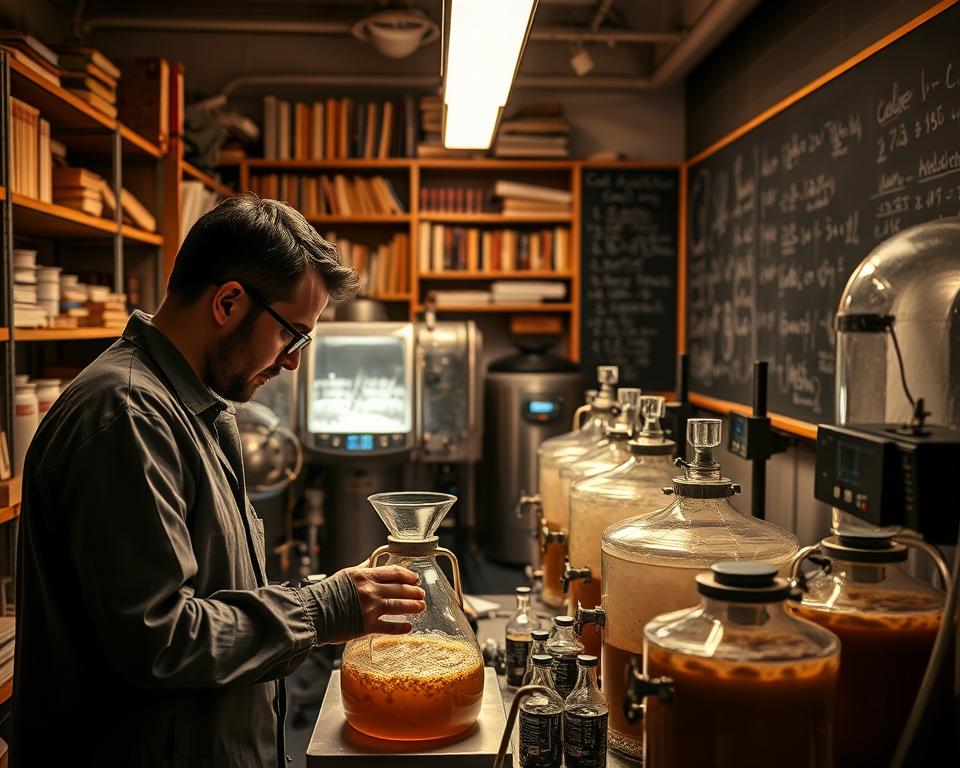
They’re also trying different yeast strains for fermentation. Studies show that certain yeasts can add special flavors to the coffee.
| Fermentation Technique | Benefits | Challenges |
|---|---|---|
| Controlled Fermentation Tanks | Precise temperature control, consistent quality | High initial investment, requires technical knowledge |
| Yeast Strain Experimentation | Unique flavor profiles, potential for differentiation | Requires research and development, risk of inconsistent results |
| Extended Fermentation Periods | Complex flavor development | Risk of over-fermentation, increased labor costs |
By using these advanced techniques, Guatemalan coffee makers can make their coffee even better. This could lead to higher prices in the specialty coffee market.
Learning from Guatemala’s Coffee Innovators: Case Studies in Fermentation
Guatemalan coffee makers are leading the way in using fermentation to boost coffee quality. This part looks at innovators in Guatemala’s coffee world who’ve made new fermentation methods work.
Ana Gómez’s farm in Antigua, Guatemala, is a great example. She tried a new anaerobic fermentation method. It made her coffee quality go up by 20%.
She used special stainless steel tanks to control the fermentation process.
El Injerto cooperative in Huehuetenango is another success story. They used a multi-stage fermentation method. This made their coffee taste better.
They saw a big jump in demand because of the quality boost.
| Producer/Farm | Fermentation Technique | Outcome |
|---|---|---|
| Ana Gómez, Antigua | Anaerobic Fermentation | 20% increase in quality scores |
| El Injerto Cooperative, Huehuetenango | Multi-stage Fermentation | Improved flavor profile, increased demand |
These stories show how new fermentation ways can change the fermented coffee future. They also show how they’re shaping coffee industry trends in Guatemala.
Troubleshooting Common Fermentation Issues in Guatemalan Coffee
Coffee fermentation is a delicate process. Guatemalan coffee producers often face challenges that can impact the quality of their coffee. Issues like over-fermentation, under-fermentation, and contamination can lead to bad flavors and aromas.
One common problem is over-fermentation. This can make the coffee taste sour or fermented. To avoid this, producers should watch the fermentation time closely. They should also ensure the coffee is processed at the optimal time.
Under-fermentation is another issue. It can make the coffee lack the desired flavor. Regular checks on the coffee’s fermentation status can help spot under-fermentation early.
To troubleshoot these issues, Guatemalan coffee producers can take several steps. They can:
- Regularly monitor fermentation tanks
- Adjust fermentation times based on environmental conditions
- Ensure proper sanitation and hygiene practices
By understanding and addressing these common fermentation issues, Guatemalan coffee producers can improve their coffee’s quality. This helps maintain Guatemalan coffee’s reputation as a premium product.
Implementing Sustainable Coffee Fermentation Methods
Guatemalan coffee producers are focusing on sustainable fermentation. They want to lessen their environmental impact. This shift is in response to growing demand for eco-friendly products.
They’re using natural agents for fermentation and saving water. They’re also finding new uses for coffee cherry husks, like bioenergy or compost.
Sustainable methods do more than help the planet. They also improve coffee quality and its value in the market.
| Sustainable Method | Environmental Benefit | Impact on Coffee Quality |
|---|---|---|
| Natural Fermentation Agents | Reduced chemical use | Enhanced flavor profile |
| Water Conservation | Lower water usage | Consistent quality |
| By-product Utilization | Minimized waste | Additional revenue streams |
Guatemalan producers who choose sustainable methods are set for success. The fermented coffee market is growing, and they’re ready.
Marketing Your Fermented Guatemalan Coffee to Global Markets
Guatemalan coffee producers are ready to meet the growing demand for specialty coffee. They have unique fermented coffees to offer. To market these, they should focus on the coffee’s complex flavors, which come from fermentation.
To attract buyers worldwide, Guatemalan producers can tap into the trend of specialty fermented coffee. They can use several strategies:
- Emphasizing the unique flavor profiles and aromas achieved through fermentation
- Highlighting the sustainable and innovative production methods used in Guatemala
- Targeting specialty coffee roasters and retailers who value high-quality, distinct coffee offerings
By keeping up with the fermented coffee market outlook and adjusting their marketing, Guatemalan producers can stand out globally. They need to know the latest trends, what consumers like, and what their competitors are doing. This helps them place their products in the best light.
Embracing Innovative Coffee Fermentation Techniques for Future Success
Innovative coffee fermentation techniques are changing the game in Guatemala. The world wants unique, high-quality coffee more than ever. Guatemalan coffee makers are using new methods to stand out and be more eco-friendly.
Using different yeast strains is a big innovation. It lets producers make unique flavors that coffee lovers crave. Also, controlling the fermentation process helps make coffee more consistent and better tasting.
Another big trend is anaerobic fermentation. This method makes coffee taste fruity and complex. New drying methods, like solar dryers with UV protection, help keep the coffee’s special flavors.
Guatemalan coffee makers are also learning from others. They work with experts and enter global competitions. This helps them stay up-to-date with the latest in coffee making.
The future of coffee in Guatemala looks bright. With new techniques, they can make even better coffee. This will help both the local coffee makers and coffee lovers worldwide.
Conclusion: Positioning Guatemalan Fermented Coffee for Future Growth
Guatemalan coffee has a rich history and a bright future, especially in fermented coffee. The coffee industry is changing, and using new fermentation methods and eco-friendly practices is key to success.
The fermented coffee future is looking good, with more people wanting unique and top-notch coffee. Guatemalan coffee makers can benefit from this trend by perfecting their fermentation skills. This will help them stand out in the global market.
To keep up with coffee industry trends, focusing on quality, being green, and innovating is vital. This way, Guatemalan fermented coffee can meet the increasing demand. It will also help the country’s coffee industry grow and thrive.
Looking ahead, Guatemalan fermented coffee is set for big growth and success. Its unique flavors and the country’s dedication to quality and the environment will drive this progress.