
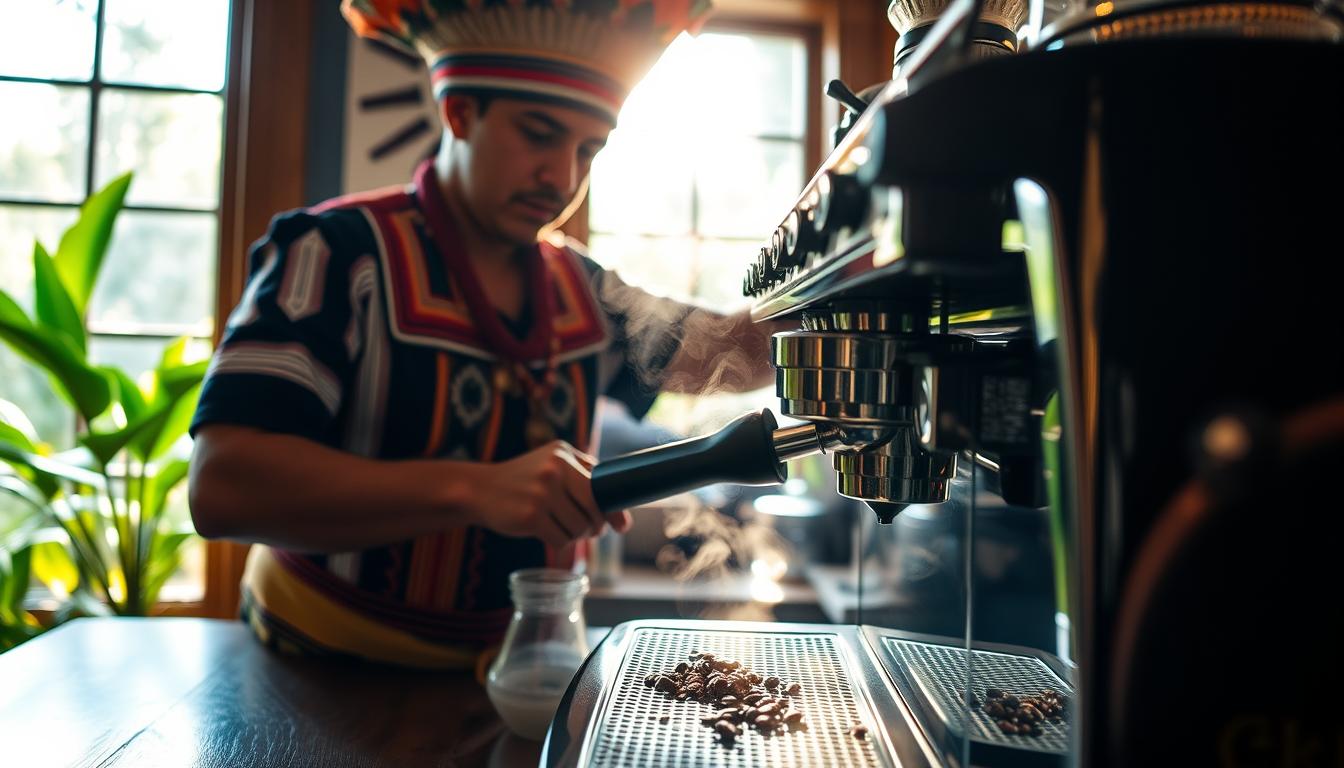
Guatemalan coffee is loved for its rich taste and balanced acidity. It’s a hit among coffee lovers. To get the most out of it, knowing the best brewing methods is key.
Coffee farming in Guatemala is more than just growing beans. It’s a big part of the country’s culture and tradition. Using the right brewing techniques lets you enjoy Guatemalan coffee’s unique flavors.
To brew the perfect cup, you need the right technique and quality equipment. With Guatemalan coffee, the aim is to find the perfect balance of flavors.
Key Takeaways
- Understanding the flavor profile of Guatemalan coffee
- Choosing the right brewing method
- Importance of coffee bean quality
- Tips for achieving perfect balance
- Cultural significance of coffee farming in Guatemala
The Rich Heritage of Guatemalan Coffee
The history of Guatemalan coffee is deeply tied to the country’s culture. For centuries, coffee has been a key part of Guatemalan identity. It has shaped traditional practices and the country’s economy.
Guatemala’s Coffee Growing History
Coffee production in Guatemala started in the 18th century. The country’s unique terroir and climate are perfect for growing coffee. Over time, coffee became a major export, boosting the economy and shaping the nation.
Cultural Significance of Coffee Farming
Coffee farming is more than just a job in Guatemala. It’s a way of life for many communities. Traditional farming practices have been passed down through generations.
The influence of coffee farming on Guatemalan culture is huge. It has shaped art, literature, and even the country’s food. The unique flavor profile of Guatemalan coffee comes from the country’s heritage and farming methods.
| Region | Coffee Characteristics | Cultural Influence |
|---|---|---|
| Antigua | Volcanic soil, balanced acidity | Traditional farming methods |
| Huehuetenango | High altitude, complex flavors | Community-based production |
| Cobán | Rainy climate, unique acidity | Influences local cuisine and festivals |
Guatemalan coffee’s rich heritage shows the country’s commitment to quality and tradition. Understanding this heritage helps us appreciate the unique qualities of Guatemalan coffee.
Understanding Guatemalan Coffee Regions
Guatemala’s coffee regions are key to its coffee’s flavor. They are loved by coffee lovers. The country’s varied geography leads to different coffee-growing areas. Each area has its own special traits that make Guatemalan coffee unique.
Antigua: Volcanic Soil and Complex Flavors
Antigua is famous for its coffee. It’s known for its volcanic soil and complex tastes. The coffee here has notes of chocolate and caramel with a bit of acidity. The soil and climate make the coffee rich and balanced.
Huehuetenango: High Altitude Excellence
Huehuetenango is known for its high altitude. Its coffee is bright and fruity. The high altitude and dry climate slow down the coffee’s growth. This makes Huehuetenango coffee complex and unique.
Cobán: Rainy Climate and Unique Acidity
Cobán has a rainy climate that affects its coffee’s taste. Its coffee is known for balanced acidity and rich, fruity flavors. The region’s climate and soil add to Guatemala’s coffee variety.
Other Notable Regions
Atitlán and Fraijanes are also notable in Guatemala. They offer different flavors, from floral to spicy. These regions add to the rich variety of Guatemalan coffee.
| Region | Characteristics | Flavor Profile |
|---|---|---|
| Antigua | Volcanic soil, mild climate | Chocolate, caramel, balanced acidity |
| Huehuetenango | High altitude, dry climate | Fruity, bright acidity |
| Cobán | Rainy climate, rich soil | Fruity, balanced acidity |
Flavor Profiles of Guatemalan Coffee
Guatemalan coffee beans have a wide range of flavors. This is due to the country’s unique geography and climate. The coffee’s taste is a mix of acidity, sweetness, and body, loved by coffee lovers.
Characteristic Tasting Notes
Guatemalan coffee is known for its rich taste. It has notes of chocolate, caramel, and fruit. The coffee has a bright acidity and a smooth body.
It often tastes like citrus, berries, and honey. These flavors add to its sweetness and depth.
“Guatemalan coffee is a symphony of flavors, with each region offering its unique twist on the traditional coffee profile.”
Regional Flavor Variations
The taste of Guatemalan coffee changes with each region. Coffee from Antigua has balanced acidity and rich chocolate flavors. Coffee from Huehuetenango is known for its bright acidity and fruity notes.
| Region | Characteristic Flavors |
|---|---|
| Antigua | Chocolate, caramel, balanced acidity |
| Huehuetenango | Fruity, bright acidity, floral notes |
| Cobán | Floral, fruity, hint of spice |
Roast Levels and Their Impact
The roast level of Guatemalan coffee greatly affects its taste. Light roasts keep the coffee’s natural acidity and fruit notes. Dark roasts bring out chocolate and caramel flavors.
The choice of roast level depends on personal taste and desired flavors.
In conclusion, Guatemalan coffee’s flavor profile is complex. It’s influenced by region, climate, and roast level. Coffee lovers can appreciate Guatemalan coffee’s unique qualities by understanding these factors. This helps in choosing the perfect cup for their taste.
Selecting the Right Guatemalan Coffee Beans
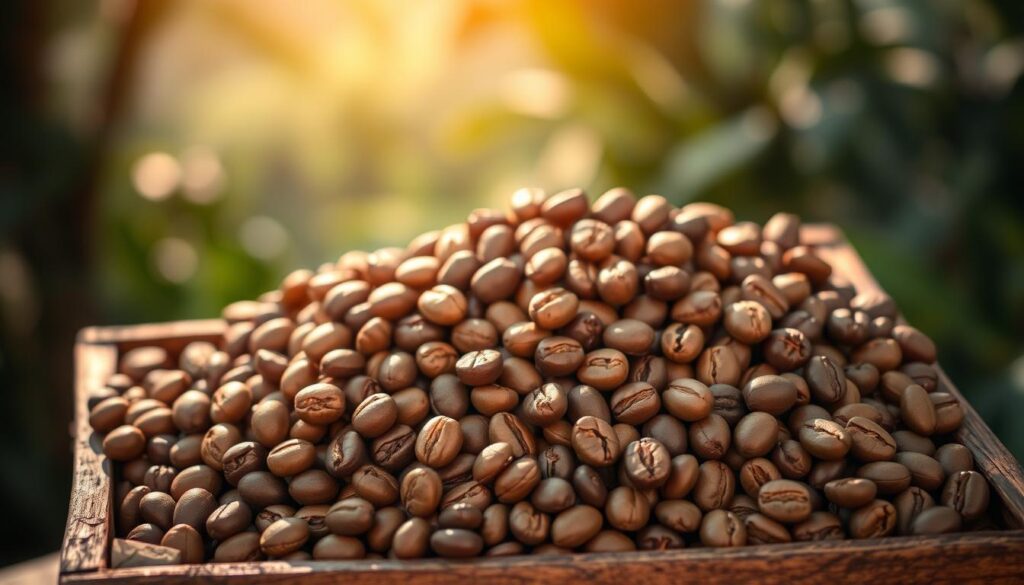
Choosing the right Guatemalan coffee beans is key to a great brew. The quality and traits of the beans greatly affect the taste.
Single-Origin vs. Blends
Single-origin Guatemalan coffee has a unique taste. It highlights the area’s special qualities. Blends mix beans from different places, offering a balanced flavor.
Roast Date Importance
The roast date matters a lot. It influences the coffee’s taste. Beans roasted recently, within weeks, taste the best.
Ethical Sourcing Considerations
Look for Fair Trade and Organic certifications. They mean the coffee is made fairly and is good for the environment.
By thinking about these points, you can pick Guatemalan coffee that tastes amazing and supports fair practices.
Essential Equipment for Guatemalan Coffee Brewing
The art of brewing Guatemalan coffee starts with the right brewing devices. To enjoy its complex flavors and rich heritage, quality equipment is key.
Recommended Brewing Devices
For Guatemalan coffee, the Chemex and pour-over are top choices. The Chemex uses a thick glass and paper filter for clean extraction. Pour-over methods let you control brewing, perfecting your taste.
Grinders and Water Filters
A good grinder is vital for the right grind size. Burr grinders are best because they’re consistent and don’t heat up the beans. A water filter also improves taste by removing impurities.
Temperature Control Tools
Temperature control is key in coffee brewing. Too hot water can burn the coffee, while too cold can under-extract it. A thermometer or a temperature-controlled kettle keeps the water at 195°F to 205°F.
Investing in these essential tools can greatly improve your Guatemalan coffee brewing. It brings out the full flavor this coffee offers.
The Science of Guatemalan Coffee Brewing
To get the most out of Guatemalan coffee, you need to understand brewing science. This means knowing a few key things that make a great cup.
Water Quality and Temperature
Using good water is key because it affects how the coffee tastes. Filtered water is best to avoid any unwanted flavors. The water should be between 195°F and 205°F for the best extraction of coffee flavors.
Grind Size Recommendations
The size of the coffee grind is also very important. For Guatemalan coffee, a medium grind is usually best. It helps get the right mix of flavor and brewing time. The right grind size prevents the coffee from being too weak or too bitter.
Coffee-to-Water Ratios
The ratio of coffee to water is crucial for a balanced taste. A good starting point is 1:15 to 1:17 (coffee to water). But, you can adjust it to your liking. Using a scale helps make sure you’re always consistent.
Extraction Principles
Knowing how extraction works is key to brewing great Guatemalan coffee. You want to get the flavors just right, without overpowering the taste. Paying attention to brewing time and method is important to get it just right.
| Brewing Factor | Ideal Setting | Impact on Flavor |
|---|---|---|
| Water Temperature | 195°F – 205°F | Affects extraction rate and flavor balance |
| Grind Size | Medium | Influences brewing time and extraction efficiency |
| Coffee-to-Water Ratio | 1:15 to 1:17 | Determines the strength and balance of the brew |
Pour-Over Method for Guatemalan Coffee
The pour-over method is great for bringing out Guatemalan coffee’s complex flavors. It lets you control the brewing process well. This results in a cup that shows off the coffee’s unique taste.
Step 1: Preparation and Setup
You’ll need a pour-over dripper, a coffee filter, and a kettle to start. Rinse the filter with hot water to get rid of any paper taste. Use a scale to measure the coffee and water accurately.
Step 2: The Blooming Process
Pour a small amount of hot water over the coffee grounds to saturate them. This process, known as “blooming,” lets the coffee release its CO2. Let it bloom for about 45 seconds before moving on.
Step 3: Pouring Technique
Slowly pour the remaining hot water over the coffee in a circular motion. Start from the center and move outwards. Maintain a steady pour for even extraction.
Step 4: Timing and Extraction
The total brewing time should be around 3-4 minutes. Adjust the grind size and pouring speed as needed. This will help you get a balanced cup that showcases the Guatemalan coffee’s flavor.
By following these steps, you can enjoy a perfectly brewed cup of Guatemalan coffee using the pour-over method.
Chemex Brewing for Clean Guatemalan Flavors
The Chemex brewing method is famous for its clean flavors of Guatemalan coffee. It uses a simple, precise process to show off the coffee’s unique taste.
Step 1: Filter Preparation
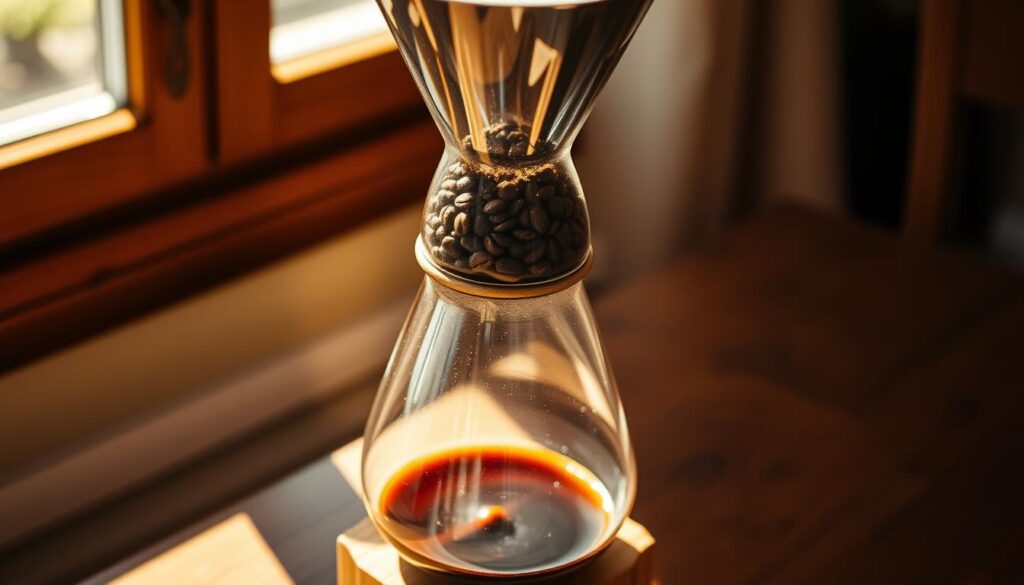
Start by putting a Chemex filter in the brewing device. Make sure the thicker side is against the spout. Then, rinse the filter with hot water to get rid of any paper taste and warm up the Chemex.
Step 2: Coffee Dosage and Grind Size
Measure out the right amount of Guatemalan coffee. Use 1 gram of coffee for every 15 grams of water. Grind the coffee to a medium-coarse grind, like kosher salt.
Step 3: Pouring Methodology
Pour the ground coffee into the filter and gently shake to level the grounds. Start by pouring a small amount of hot water (around 200°F) over the coffee grounds to wake them up, called “blooming.” Keep pouring water in a circular motion, but don’t overflow.
Step 4: Serving and Appreciation
After brewing is done, take out the filter from the Chemex and throw away the grounds. Pour the freshly brewed coffee into your cup. Enjoy the clean, balanced flavors that the Chemex method brings out in Guatemalan coffee.
| Step | Description | Tips |
|---|---|---|
| 1 | Filter Preparation | Rinse with hot water |
| 2 | Coffee Dosage | 1g coffee : 15g water |
| 3 | Pouring | Pour in circular motion |
| 4 | Serving | Enjoy clean flavors |
“The Chemex is more than just a brewing method; it’s a ritual that elevates the coffee experience.”
French Press Technique for Full-Bodied Results
The French Press method is perfect for a rich, full-bodied cup of Guatemalan coffee. It lets the coffee grounds steep in hot water. This extracts a strong flavor that Guatemalan coffee is known for.
Coarse Grind and Measurements
First, grind your Guatemalan coffee beans to a coarse grind. Use 1 tablespoon of coffee for every 6 ounces of water. For a 32-ounce French Press, you’ll need 5-6 tablespoons of coffee.
Steeping Process
Heat water to about 200°F. Pour it over the coffee grounds in the French Press. Make sure to cover all the grounds evenly. Let it steep for about 4 minutes. Adjust the steeping time to your liking for strength and flavor.
Plunging Technique
After steeping, slowly press the plunger down. Be gentle to avoid over-extracting the coffee and making it bitter.
Serving Recommendations
Pour the coffee into your cup and enjoy. The French Press method makes a full-bodied coffee with a rich flavor profile. You’ll taste the complex notes of Guatemalan coffee, like chocolate and fruit, depending on the region.
As coffee expert James Hoffmann said, “The French Press is a great way to experience your coffee’s full potential.” It’s perfect for Guatemalan coffee, highlighting its unique flavors.
AeroPress Method for Concentrated Guatemalan Coffee
The AeroPress method is perfect for those who love strong coffee. It lets you control how you brew, making a smooth, full-bodied cup. This cup highlights the special flavors of Guatemalan coffee.
Step 1: Setup and Preparation
First, rinse the AeroPress filter with hot water to get rid of any taste. Then, measure out the right amount of Guatemalan coffee. Start with about 17 grams for one serving.
Step 2: Inverted vs. Traditional Method
The AeroPress can be used in two ways: inverted or traditional. For Guatemalan coffee, the inverted method is best. It lets the coffee steep longer, bringing out more flavors.
Step 3: Pressing Technique
After steeping, stir the mixture well. Then, press the plunger down slowly and smoothly. It should take about 20-30 seconds.
Step 4: Dilution and Serving
After pressing, mix the coffee with hot water to your liking. For Guatemalan coffee, a 1:1 or 2:1 water-to-coffee ratio works well. Serve it right away and enjoy the rich flavors.
James Hoffmann, a famous coffee expert, said, “The AeroPress can make many types of coffee, from strong concentrates to pour-over style brews.” This makes it a great choice for Guatemalan coffee.
Troubleshooting Common Issues in Guatemalan Coffee Brewing
Brewing Guatemalan coffee can be tricky. Several factors can change the taste. Issues like bitterness, under-extraction, and over-extraction can be fixed by tweaking brewing settings.
Addressing Bitterness and Acidity
To lessen bitterness, try a coarser grind and shorter brew time. Also, use filtered water to keep the taste pure.
Fixing Under-extraction Problems
Under-extraction makes coffee taste sour or weak. A finer grind or longer brew time can help. Make sure the water is between 195°F and 205°F for better extraction.
Resolving Over-extraction Issues
Over-extraction makes coffee bitter. Use a coarser grind or brew for less time. Keep an eye on the coffee-to-water ratio too.
Adjusting for Different Guatemalan Regions
Guatemala’s coffee regions have unique tastes. Antigua coffee is balanced, while Huehuetenango is robust. Adjust your brewing to match the region for the best flavor.
| Region | Flavor Profile | Recommended Brewing Adjustment |
|---|---|---|
| Antigua | Balanced acidity, chocolate notes | Medium grind, balanced brewing time |
| Huehuetenango | Robust, fruity notes | Finer grind, slightly longer brewing time |
| Cobán | Floral notes, bright acidity | Coarser grind, shorter brewing time |
Conclusion: Perfecting Your Guatemalan Coffee Experience
Guatemalan coffee is known for its rich and varied flavors. It’s a favorite among coffee lovers. By learning about the different regions, like Antigua and Huehuetenango, you can try out different brewing methods.
Each brewing method, such as pour-over, Chemex, French Press, and AeroPress, highlights different aspects of Guatemalan coffee. You can choose one that suits your taste, whether you like a light or full-bodied coffee.
To get the most out of your Guatemalan coffee, pay attention to the roast level, grind size, and water temperature. Changing these can greatly affect the taste. Try different brewing techniques and ratios to find your perfect cup.
Exploring the many ways to brew Guatemalan coffee can make your coffee experience even better. You’ll discover new flavors and enjoy every sip.