
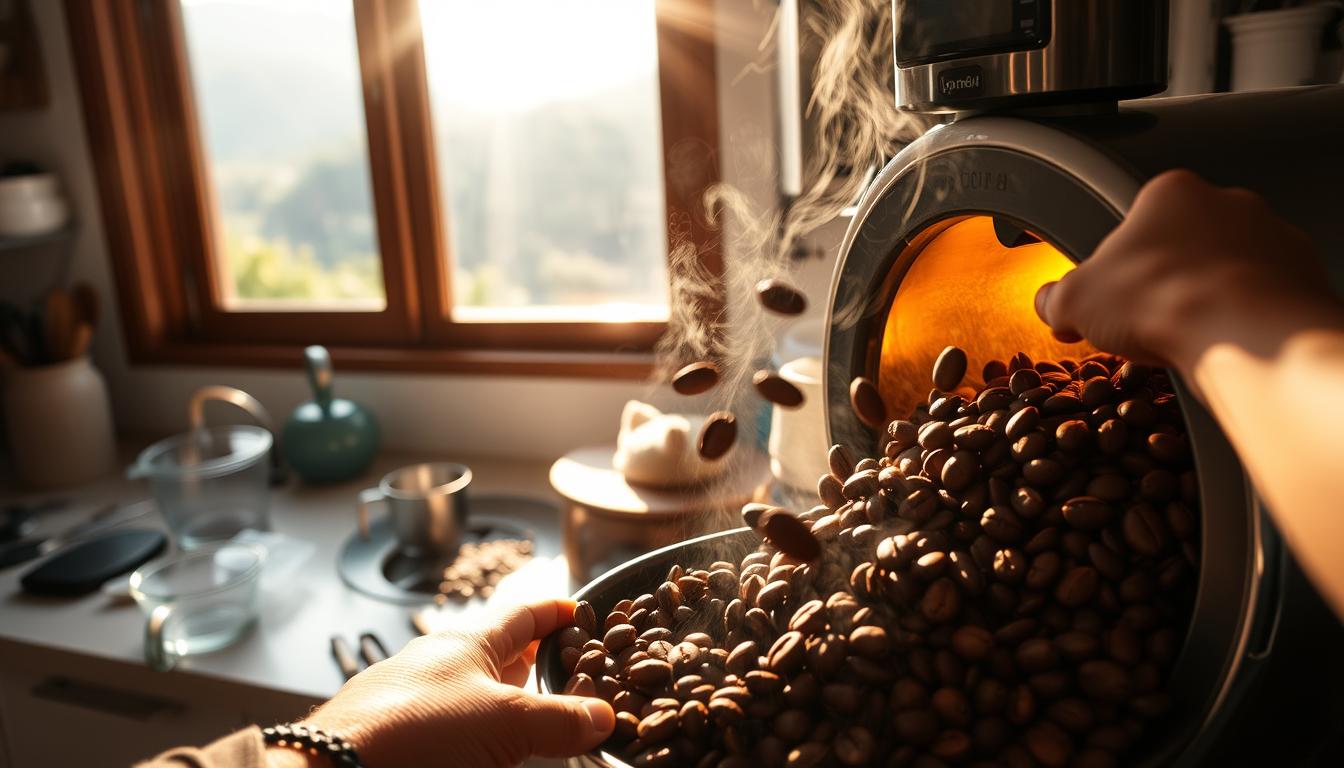
Roasting Antigua coffee beans at home lets coffee lovers bring out their full flavor. These beans, grown in Guatemala, are famous for their balanced taste and rich flavor. By roasting at home, you can adjust the roast to your liking, making the coffee aroma even better.
The journey of home roasting turns green coffee beans into the perfect roast. Knowing how to roast and the special traits of Antigua coffee helps make your coffee experience more personal and enjoyable.
Key Takeaways
- Roasting Antigua coffee beans at home allows for customization of roast level.
- Antigua coffee is known for its balanced acidity and rich flavor.
- Home roasting enhances the coffee aroma and brewing experience.
- Understanding the roasting process is key to a satisfying coffee experience.
- Guatemalan coffee farming contributes to the unique flavor profile of Antigua coffee.
Understanding Antigua Coffee: Guatemala’s Premium Beans
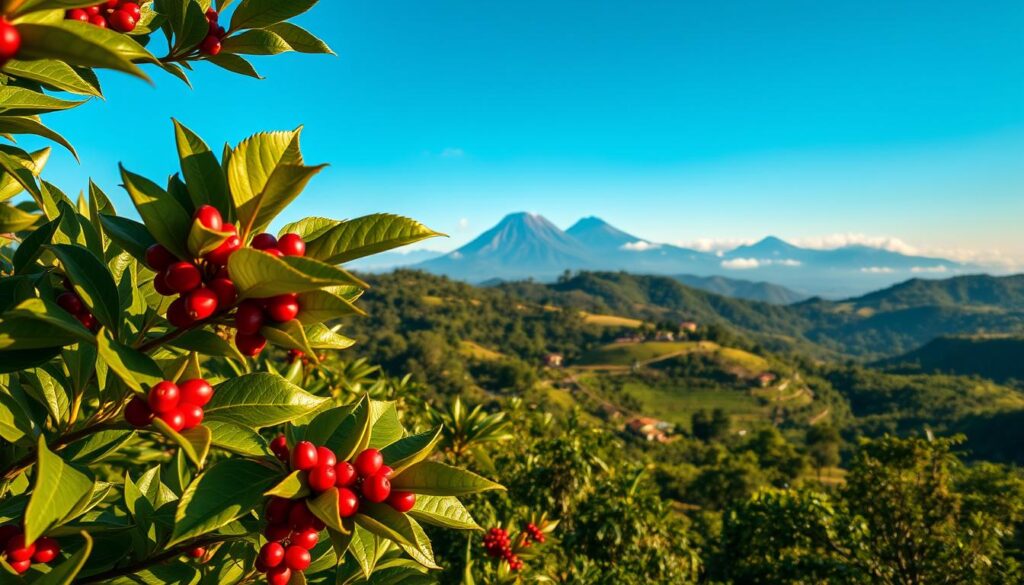
Antigua coffee beans are grown in Guatemala’s volcanic regions. They are known for their complex flavors and balanced acidity. The unique terroir of the Antigua region, with its rich volcanic soil and distinct climate, contributes to the coffee’s distinctive aroma and flavor characteristics.
The Unique Characteristics of Antigua Coffee
Antigua coffee is famous for its rich flavor profile. It often has notes of chocolate and spices. The coffee’s balanced acidity and smooth body make it a favorite among coffee lovers.
The unique combination of Guatemala’s volcanic soil, climate, and altitude adds to these distinct characteristics.
Why Antigua Beans Are Ideal for Home Roasting
Antigua coffee beans are perfect for home roasting. They are versatile and respond well to different roast levels. Home roasting lets coffee enthusiasts bring out the unique qualities of Antigua beans.
By controlling the roasting process, individuals can tailor the flavor to their liking. This makes Antigua coffee a great choice for those interested in home roasting.
The Geography and Climate of Antigua Coffee Region
The Antigua coffee region is famous for its rich volcanic soil and perfect climate. It’s located in Guatemala and is known for producing top-notch coffee.
Volcanic Soil and Its Impact on Flavor
The volcanic soil in Antigua is key to its coffee’s unique taste. It’s full of minerals like potassium, magnesium, and calcium. These minerals help the coffee taste complex and smell great.
The soil also keeps water in, giving plants the water they need.
- Rich in minerals like potassium and magnesium
- Enhances coffee’s complex flavor profile
- Retains moisture for steady water supply
Altitude and Growing Conditions
The high altitude in Antigua, between 1,500 to 1,700 meters, is crucial for coffee. It slows down the ripening of coffee cherries. This means the coffee develops sugars and acids evenly.
This results in coffee that’s balanced and has a bright taste. The mild climate adds to the coffee’s quality.
- High altitude slows down ripening process
- Allows for even development of sugars and acids
- Mild climate contributes to coffee quality
In summary, the unique geography and climate of Antigua make it perfect for growing coffee. The volcanic soil and high altitude give Antigua coffee its distinct flavor and aroma. This is why coffee lovers adore it.
Comparing Antigua to Other Guatemalan Coffee Regions
Guatemala’s varied geography leads to different coffee flavors in each region. Antigua is famous for its balanced taste. But, Huehuetenango and Cobán have their own special qualities that coffee lovers should explore.
Huehuetenango Region Characteristics
Huehuetenango sits high in the Guatemalan highlands. It’s known for coffee with bright acidity and complex flavors. The high altitude and dry climate slow down the coffee’s growth, making it more complex.
Cobán Region Profile
Cobán is covered in lush, cloud mountains. Its coffee is smooth and balanced. It tastes like citrus and chocolate, making it a hit with coffee fans.
What Makes Antigua Coffee Unique
Antigua coffee is special because of its rich taste. It has notes of chocolate and spice. The mix of volcanic soil, moderate height, and mountains creates a unique taste.
| Region | Altitude | Flavor Profile |
|---|---|---|
| Antigua | 1,500 – 1,700 meters | Rich, chocolate, spice |
| Huehuetenango | 1,800 – 2,000 meters | Bright acidity, complex |
| Cobán | 1,300 – 1,600 meters | Balanced, citrus, chocolate |
Essential Equipment for Home Roasting Antigua Coffee
Home roasting Antigua coffee needs special gear to highlight its unique tastes and smells. The right tools can greatly improve your roast’s quality.
Basic Roasting Methods and Tools
For beginners, starting with simple methods and tools is best. You can try pan roasting, using a popcorn popper, or the heat gun method.
Pan Roasting Technique
Pan roasting uses a skillet or pan over medium heat. You must stir the beans constantly to roast them evenly. This method needs your full attention and effort.
Popcorn Popper Method
A popcorn popper is great for small batches of coffee. It heats evenly and is a fun, simple way to roast at home.
Heat Gun Approach
The heat gun method uses a heat gun to roast beans in a container. It gives you detailed control over the roasting process.
Advanced Home Roasting Equipment
For those with more experience, advanced gear offers better control and consistency. This includes drum roasters, fluid bed roasters, and temperature control systems.
Drum Roasters
Drum roasters are loved by coffee lovers for their consistent roast and ability to handle more beans. They roast beans by rotating them in a heated drum.
Fluid Bed Roasters
Fluid bed roasters roast beans with hot air, ensuring an even roast and clean flavor. They are efficient and easy to use.
Temperature Control Systems
Controlling temperature is key in coffee roasting. Advanced systems let roasters manage the temperature precisely, ensuring the best flavor.
| Equipment | Description | Advantages |
|---|---|---|
| Pan | Simple skillet or pan | Easy to use, no special equipment needed |
| Popcorn Popper | Device originally for popping popcorn | Even heating, easy to clean |
| Drum Roaster | Rotating drum for roasting | Consistent roast, handles large quantities |
| Fluid Bed Roaster | Uses hot air for roasting | Efficient, clean flavor profile |
“The right equipment is key to unlocking the full potential of your coffee beans.”
Investing in quality equipment can greatly improve your home roasting experience.
Preparing Your Antigua Coffee Beans for Roasting
The journey to perfectly roasted Antigua coffee starts with selecting and preparing high-quality green coffee beans. This initial step is crucial as it directly impacts the flavor and aroma of the final roasted product.
Selecting Quality Green Beans
Choosing high-quality green Antigua coffee beans is key to a superior roast. Look for beans that are uniform in size and color. This shows they are of consistent quality.
It’s also important to source beans from reputable suppliers. They should provide detailed information about the beans’ origin, processing methods, and moisture content. Freshness is another key factor; green coffee beans should be used within a certain timeframe from harvest to ensure optimal flavor.
Proper Storage of Green Coffee Beans
Proper storage of green coffee beans is vital to preserve their flavor and aroma. Store the beans in a cool, dark place in an airtight container. This protects them from light, moisture, and air.
Keeping the storage area free from strong odors is also advisable. Green coffee beans can absorb smells easily.
By focusing on these preparatory steps, you can significantly enhance the quality of your roasted Antigua coffee. This brings out the unique characteristics that make Antigua coffee renowned.
The Perfect Antigua Coffee Roast: Step-by-Step Process
Roasting Antigua coffee beans at home is rewarding with the right guidance. To get a perfect roast, knowing the process and techniques is key.
Understanding Roast Levels for Antigua Beans
Antigua coffee beans can be roasted to different levels, from light to dark. The roast level changes the flavor, with lighter roasts keeping more acidity. Darker roasts bring out richer flavors. A medium roast is best for Antigua beans, balancing acidity and body.
Coffee expert James Hoffmann says, “The medium roast level is ideal for Antigua coffee. It enhances the beans’ inherent chocolate and spice notes.”
“The medium roast level is ideal for Antigua coffee as it enhances the beans’ inherent chocolate and spice notes.”
The First Crack: What to Listen For
During roasting, coffee beans go through two major changes called “cracks.” The first crack happens when the beans expand and make a sound. This signals they’ve reached a light roast. For Antigua beans, listening for this first crack is important. It marks the transition to a medium roast.
Achieving Medium Roast Perfection
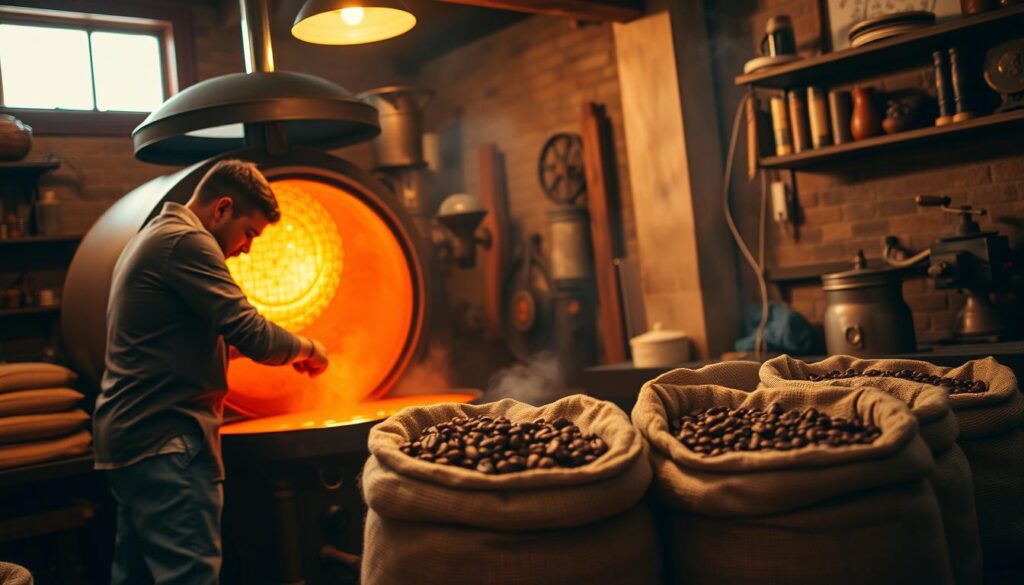
To get a medium roast, stop roasting just after the first crack. The beans should be at the right temperature and color. Cool them down right away to stop roasting. A medium roast Antigua coffee has a balanced flavor with chocolate and spice notes.
| Roast Level | Temperature | Characteristics |
|---|---|---|
| Light Roast | 380°F – 400°F | High acidity, fruity notes |
| Medium Roast | 400°F – 420°F | Balanced acidity, chocolate, and spice notes |
| Dark Roast | 420°F – 440°F | Low acidity, deep, rich flavors |
Cooling and Degassing Process
After roasting, cool the beans quickly to stop the process. Use a cooling tray or spread them out thinly. Then, let them degas, which allows CO2 to escape. This can take days. Proper cooling and degassing are key for the best flavor.
By following these steps, home roasters can get a perfect medium roast Antigua coffee. This brings out the unique qualities of these premium beans.
Mastering the Antigua Coffee Roast at Home
Roasting Antigua coffee at home is an art that needs focus and a desire to try new things. It’s important to know how Antigua coffee tastes and how it reacts to different roasting methods.
Developing the Signature Chocolate and Spice Notes
Antigua coffee is famous for its deep chocolate and spice flavors. To get these tastes, roasters should aim for a medium roast. Medium roasts mix the coffee’s natural sweetness with the chocolate and spice notes perfectly.
Balancing Acidity and Body
It’s key to balance the acidity and body in Antigua coffee roasting. The perfect roast has a bright acidity that matches its rich body. Roasters can tweak the roast level to get this balance right, aiming for a medium-dark roast.
Roast Profiles to Enhance Antigua’s Natural Sweetness
To make Antigua coffee sweeter, roasters can try different roast profiles. A slower rise to the first crack can make the coffee taste sweeter. Also, letting the coffee rest after roasting can boost its sweetness and flavor.
By learning and using these roasting techniques, home roasters can perfect the Antigua coffee roast. They’ll enjoy a cup that highlights the bean’s special qualities.
Brewing Your Freshly Roasted Antigua Coffee
Brewing Antigua coffee is an art that needs focus and simple steps. Its unique taste, with hints of chocolate and spice, shines through with the right brewing methods.
Ideal Grind Size for Different Brewing Methods
The grind size of your coffee beans is key for brewing. Each method needs a specific grind size to get the best flavor.
Pour Over
For pour-over, a medium-coarse grind is best. It balances flavor extraction and flow perfectly.
French Press
French press needs a coarse grind. This prevents over-extraction and keeps grounds out of the press filter.
Espresso
Espresso needs a fine grind. It’s essential for high-pressure extraction and creating the crema.
Cold Brew
Cold brew coffee also needs a coarse grind. It’s similar to French press, for slow extraction over time.
Recommended Water-to-Coffee Ratios
The water-to-coffee ratio is also crucial. Use a 1:15 to 1:17 ratio for most methods.
Brewing Techniques to Highlight Antigua’s Flavor Profile
To enhance Antigua coffee’s flavors, use specific brewing techniques. For pour-over and French press, use 200°F water. For espresso, use slightly cooler water. Adjust brewing times to find your perfect balance.
Mastering these techniques and adjusting grind size and ratio will let you enjoy Antigua coffee’s rich flavors fully.
The Cultural Heritage of Antigua Coffee
The Antigua coffee region in Guatemala is famous for its top-notch coffee beans and rich cultural heritage. Coffee has been key to Guatemala’s economy and culture for centuries. The Antigua region plays a big role in this legacy.
Historical Context of Coffee Farming in Guatemala
Coffee farming in Guatemala started in the 18th century, thanks to Jesuit missionaries. It grew to be a major crop, changing the country’s farming, economy, and culture. The Antigua region, with its volcanic soil and perfect climate, became a top spot for coffee.
The history of coffee farming in Antigua is about more than just beans. It’s about the people, their traditions, and the land. Coffee farms in Antigua are often family-owned, keeping traditions alive while using new, sustainable methods.
Sustainable Practices and Fair Trade in Antigua
In recent years, Antigua’s coffee farming has moved towards sustainability and fair trade. Farms now use eco-friendly methods like shade-grown coffee. This not only helps the environment but also makes the coffee taste better. Fair trade ensures farmers get a fair price for their beans, helping their families and the local economy.
Sustainable coffee farming in Antigua is more than a trend; it’s a promise to protect the land and culture. By choosing fair trade and sustainable coffee, we help the farmers and enjoy great coffee at the same time.
Conclusion: Mastering the Art of Home Roasting Antigua Coffee
Home roasting Antigua coffee is a rewarding experience. It lets coffee lovers unlock the full potential of these premium Guatemalan beans. By understanding Antigua coffee’s unique traits and mastering roasting, you can create a roast that fits your taste.
To home roast Antigua coffee, start by picking high-quality green beans. Learn about roast levels and how to bring out the coffee’s chocolate and spice notes. With time and effort, you can get a perfect medium roast. This roast will highlight the coffee’s natural sweetness and balanced acidity.
As you keep trying new roasting and brewing methods, you’ll find the rich flavors and aromas of Antigua coffee. The journey to master home roasting is continuous. But with the right tools and knowledge, you can enjoy a superior cup of coffee. This cup will showcase the unique qualities of Antigua coffee roast and enhance the coffee aroma.