
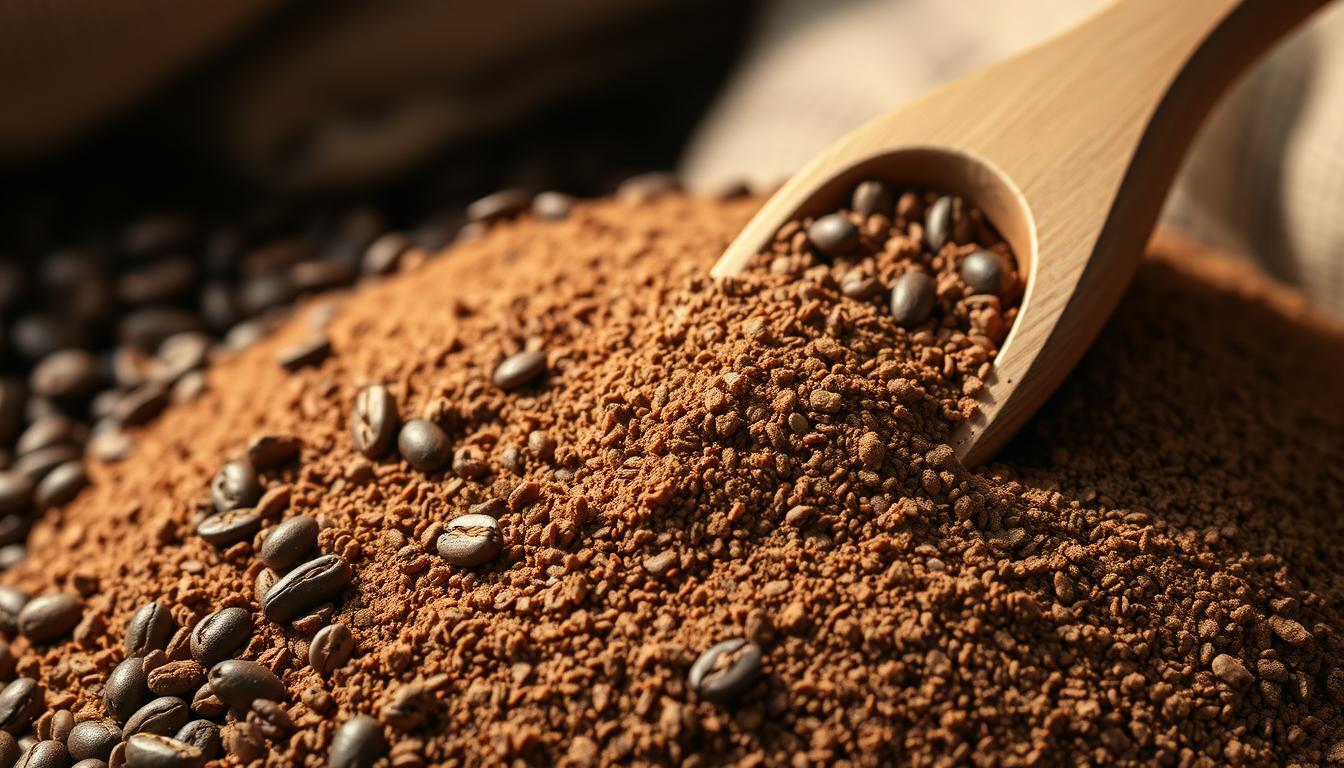
Guatemalan coffee is famous for its rich taste and unique flavors. The country has a long history of coffee making. This history has led to a variety of coffee beans that coffee lovers cherish.
Guatemala’s special soil and the skill of its farmers make the coffee complex yet balanced. This results in a cup that is both rich and smooth.
To enjoy Guatemalan coffee fully, knowing about grind size is key. The right grind size can make the coffee taste even better. It brings out the best flavors and aromas.
In this guide, we’ll show you the best grind size for Guatemalan coffee. We’ll also give you step-by-step brewing tips. Plus, we’ll talk about the special tastes you should look for in Guatemalan coffee.
Key Takeaways
- Understanding the unique characteristics of Guatemalan coffee beans
- Importance of grind size in brewing Guatemalan coffee
- Ideal grind size for optimal flavor and aroma
- Step-by-step brewing instructions for Guatemalan coffee
- Key tasting notes to look out for in Guatemalan coffee
The Rich Heritage of Guatemalan Coffee
Guatemalan coffee has a long history, starting in the colonial era. It has become a top coffee producer. The mix of geography, climate, and culture makes its coffee stand out.
Unique Growing Conditions in Guatemala
Guatemala’s different areas are perfect for growing coffee. The volcanic soil and varied climates and altitudes create complex flavors. Coffee experts say, “Guatemala’s terroir is ideal for coffee, with rich soil and enough rain for unique tastes.”
Historical Development of Coffee Cultivation
Coffee came to Guatemala in the 18th century and quickly became key. The history of coffee in Guatemala is one of change and innovation.
From Colonial Crop to Modern Export
Guatemalan coffee has changed a lot, from a colonial crop to a major export. The industry has kept up with market changes while holding onto traditional methods. “Guatemalan coffee is famous for its balanced acidity and rich taste, thanks to centuries of growing and processing,” reports say.
Guatemalan coffee’s growth shows the country’s dedication to quality and its flexibility in the global market. Today, it’s loved around the world for its rich history and complex flavors.
Exploring Guatemala’s Premier Coffee Regions
Guatemala is famous for its top-notch coffee. The country’s varied geography and climate lead to different flavors in each region.
Antigua: Volcanic Soil and Complex Flavors
Antigua is a top spot for coffee in Guatemala. Its volcanic soil adds to the coffee’s rich taste. You’ll find notes of chocolate and caramel with a bit of acidity.
Huehuetenango: High Altitude and Bright Acidity
Huehuetenango stands out for its high altitude. Its coffee is known for bright acidity and fruity flavors. Coffee lovers really enjoy this.
Cobán: Rain-Soaked Terroir and Distinct Notes
Cobán’s coffee is special because of its rain-soaked soil. It has a rich, full-bodied flavor with hints of spice and fruit.
Regional Tasting Notes Comparison
- Antigua: Chocolate, caramel, hint of acidity
- Huehuetenango: Fruity, bright acidity
- Cobán: Rich, full-bodied, spice, fruit
Knowing the differences between these regions helps you pick the right coffee. Whether you like Antigua’s complex flavors or Huehuetenango’s bright taste, Guatemala has something for everyone.
Coffee Grind Size: The Foundation of Perfect Extraction
Grind size is key in coffee brewing. It affects extraction and flavor development. The grind size changes how water interacts with the coffee grounds, shaping the coffee’s taste.
The Science of Surface Area and Extraction
The grind size controls the coffee beans’ surface area exposed to water. A finer grind means more surface area, leading to quicker extraction. A coarser grind means slower extraction. The right grind size balances extraction for the best flavors.
How Grind Size Affects Flavor Development
Grind size varies by brewing method to enhance flavor development. For example, a French press needs a coarse grind for the right extraction. Espresso, on the other hand, requires a fine grind for high-pressure extraction.
Identifying the Right Grind Visually
Finding the perfect grind size can take practice, but there are visual clues. A grind too fine looks powdery, while too coarse looks chunky. Below is a guide for different brewing methods.
| Brewing Method | Grind Size | Visual Cue |
|---|---|---|
| French Press | Coarse | Chunky, like coarse sea salt |
| Pour-over | Medium | Similar to granulated sugar |
| Espresso | Fine | Powdery, like powdered sugar |
Knowing how coffee grind size impacts extraction and flavor development helps coffee lovers adjust their grind. This ensures the best taste for their brewing method and taste preferences.
Choosing the Right Grinder for Guatemalan Beans
Choosing the right grinder for Guatemalan coffee beans is key to unlocking their full flavor. The grinder’s role is crucial in setting the grind size. This size affects how the coffee is extracted and its taste.
Burr vs. Blade Grinders: What’s Best for Quality
There are two main types of grinders: burr and blade. Burr grinders are the top choice for coffee lovers. They provide a consistent grind and don’t heat up the beans. Blade grinders, by contrast, can give uneven grinds and might affect the flavor. For Guatemalan beans, known for their rich taste, a burr grinder is the best option.
Grinder Settings for Consistency
Getting the perfect grind size is all about adjusting the grinder settings. For Guatemalan coffee, the grind size depends on the brewing method. Here are some guidelines:
- For espresso, a fine grind is necessary.
- For pour-over, a medium grind is ideal.
- For French press, a coarse grind is preferred.
Maintenance Tips for Optimal Performance
To keep your grinder in top shape, regular maintenance is a must. This includes:
- Cleaning the grinder regularly to remove old coffee oils and residue.
- Checking and adjusting the grind settings periodically.
By picking the right grinder and keeping it well-maintained, you can enjoy high-quality Guatemalan coffee every time.
Espresso Brewing: Fine Grind Techniques
Brewing espresso with Guatemalan coffee needs precision, mainly for the perfect fine grind. Guatemalan beans, known for balanced acidity and rich body, shine in espresso. This method brings out their unique flavors.
Dialing in Espresso Grind for Guatemalan Coffee
To get the perfect espresso shot, the grind size must be just right. It should allow the right flow of water under pressure. If the grind is too coarse, the coffee won’t extract well. Too fine, and it extracts too much.
Finding the right grind size is key. Adjust the grinder settings based on the coffee’s origin, roast level, and density. This ensures a balanced extraction.
Pressure and Extraction Time Considerations
The standard pressure for espresso is about 9 atmospheres. But grind size and tamping affect this pressure. The extraction time should be between 20 to 30 seconds for the best flavor.
Tasting Notes: Antigua vs. Huehuetenango in Espresso
Antigua and Huehuetenango coffees show different flavors in espresso. Antigua has chocolate and caramel notes with a smooth texture. Huehuetenango has brighter acidity and fruit notes with a clean finish.
| Coffee Region | Espresso Tasting Notes | Recommended Grind Size |
|---|---|---|
| Antigua | Chocolate, Caramel, Smooth | Fine |
| Huehuetenango | Fruit Notes, Bright Acidity | Fine to Extra Fine |
By adjusting grind size and brewing parameters, baristas can highlight Guatemalan coffee’s unique traits in their espresso shots.
Pour-Over Methods: Medium Grind Mastery
Mastering pour-over brewing needs precision, mainly for the perfect medium grind with Guatemalan coffee. This method is famous for bringing out the coffee’s complex flavors and notes.
Step-by-Step V60 Brewing with Guatemalan Beans
To brew Guatemalan coffee with a V60, start by measuring coffee and water. Use a 1:15 to 1:17 coffee-to-water ratio. A medium grind, like granulated sugar, is key.
- Rinse the V60 filter with hot water to remove any paper taste and preheat the dripper.
- Add the measured coffee grounds to the filter, and gently shake to level the grounds.
- Pour a small amount of hot water (around 200°F) over the grounds to saturate them, allowing the coffee to “bloom” for about 45 seconds.
- Continue pouring water in a circular motion, maintaining a total brewing time of around 3-4 minutes.
Chemex Technique Adjustments
The Chemex method is similar to V60 but needs a coarser grind because of its thicker filter. Adjust your grind to be slightly coarser than for a V60, and keep the coffee-to-water ratio similar.
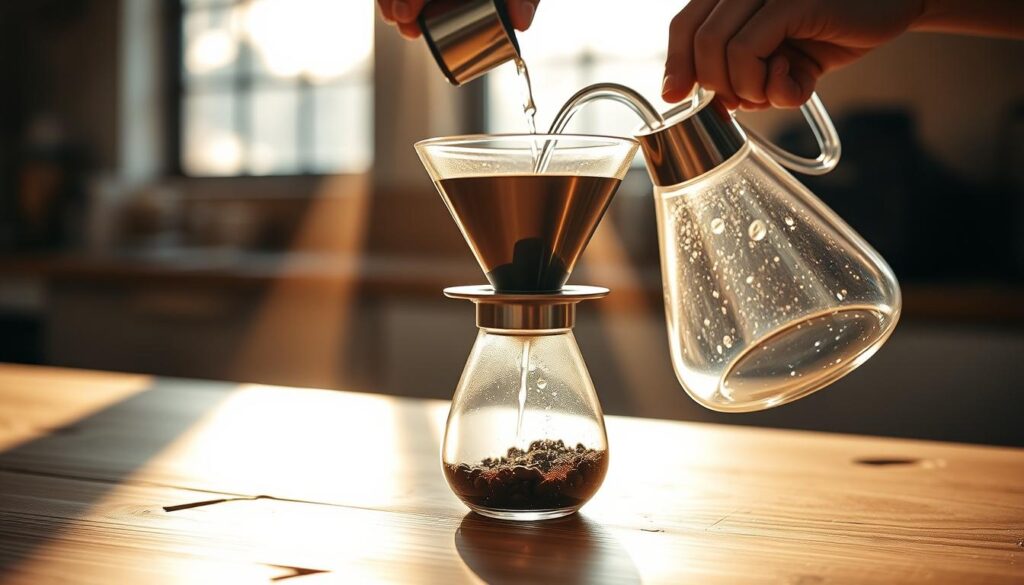
Getting a balanced extraction is key in pour-over brewing. The water-to-coffee ratio is crucial. Try ratios between 1:15 and 1:17 to find your perfect balance. For Guatemalan coffee, a 1:16 ratio often results in a balanced cup, showcasing the coffee’s flavors without over-extracting.
French Press and Immersion Brewing: Coarse Grind Approach
To get the most out of Guatemalan coffee, use a coarse grind for French press and immersion brewing. This method brings out the best flavors, making your coffee rich and enjoyable.
Proper Coarse Grind Preparation
The grind size is crucial for a great French press or immersion brew. A coarse grind prevents the coffee from becoming too bitter. For Guatemalan coffee, aim for a grind that’s a bit coarser than kosher salt. This grind size helps extract the flavors perfectly during brewing.
Immersion Brewing Process and Timing
Immersion brewing, like French press, involves steeping coarse-ground coffee in hot water. Then, press the grounds to the bottom to separate them from the liquid. The brewing time should be about 4 minutes. You can adjust this time to get the perfect strength and flavor.
Enhancing Body and Mouthfeel with Guatemalan Beans
Guatemalan coffee is known for its balanced acidity and rich body. The coarse grind method brings out these qualities, making the coffee full-bodied and satisfying. The unique flavors of Guatemalan coffee, like chocolate and caramel, are also enhanced through this brewing method.
| Brewing Parameter | Recommended Setting |
|---|---|
| Grind Size | Coarse (slightly coarser than kosher salt) |
| Steeping Time | 4 minutes |
| Coffee-to-Water Ratio | 1:12 to 1:15 |
By following these guidelines, you can make a perfectly brewed cup of Guatemalan coffee. The coarse grind method, combined with Guatemalan beans’ unique qualities, creates a rich and satisfying coffee experience.
Cold Brew Techniques for Guatemalan Coffee
Guatemalan coffee is perfect for cold brew because of its unique flavors. Cold brew coffee is smooth and has low acidity. This is thanks to a special brewing method.
Extra Coarse Grind Preparation Methods
To start, you need an extra coarse grind for cold brew. This grind size is key for the right extraction during steeping. Use a burr grinder for a consistent grind.
Optimal Steeping Time and Temperature
The steeping time for cold brew coffee varies, but it’s usually 12 to 24 hours. The steeping time and temperature greatly impact the taste. Steeping in cold water extracts flavors without bitterness.
Regional Bean Selection for Superior Cold Brew
Choosing the right beans can make your cold brew even better. Beans from Antigua have complex flavors, while Huehuetenango beans are bright and acidic. Try different regions to find your ideal flavor.
By using the right grind size, steeping time, and bean selection, you can make an amazing cold brew with Guatemalan beans.
Troubleshooting Common Grind Size Issues
Fixing grind size problems is key to a great cup of Guatemalan coffee. The right grind size greatly affects taste. Even small changes can improve the coffee’s quality a lot.
Identifying and Fixing Under-Extraction
Under-extraction means the grind is too coarse, making the coffee taste weak or sour. To fix this, adjust the grinder to a finer setting. This increases the coffee’s surface area, leading to better extraction. Signs of under-extraction include:
- A sour or unpleasantly acidic taste
- Light color of the brewed coffee
- Fast brewing time
Solving Over-Extraction Challenges
Over-extraction happens when the grind is too fine, causing a bitter taste. To solve this, adjust the grinder to a coarser setting. This reduces the surface area, preventing too much extraction. Signs of over-extraction are:
- A bitter or unpleasantly sharp taste
- Dark color of the brewed coffee
- Slow brewing time
Adjusting for Different Water Qualities
Water quality affects extraction too. Hard water can cause over-extraction, while soft water might lead to under-extraction. Adjusting the grind size based on water quality helps achieve a balanced flavor. Here are some adjustments to consider:
| Water Type | Grind Size Adjustment |
|---|---|
| Hard Water | Coarser grind |
| Soft Water | Finer grind |
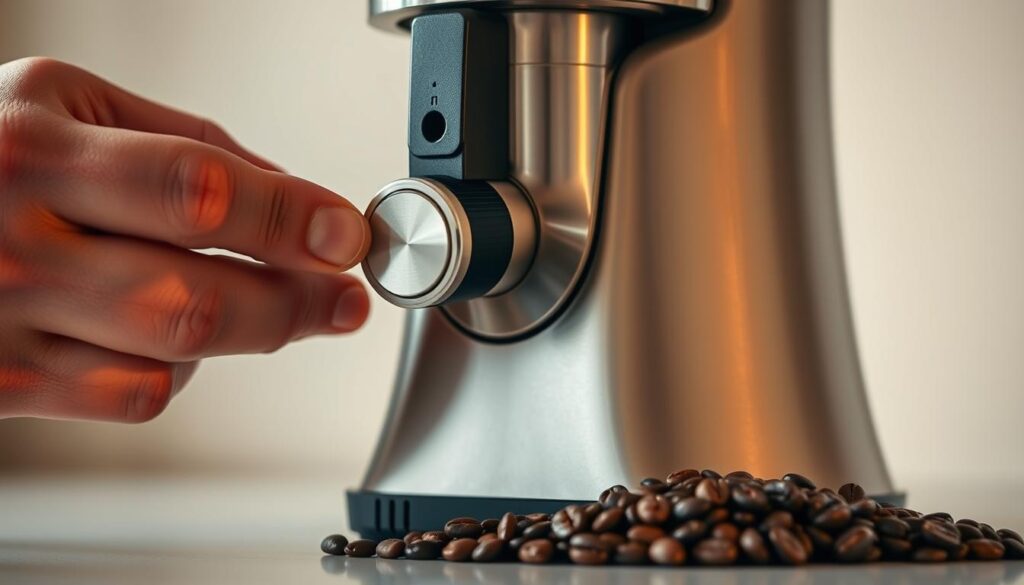
Understanding and fixing grind size issues can greatly improve your coffee experience. Regularly check and adjust the grind size, and consider water quality. This will make your Guatemalan coffee more enjoyable.
Seasonal Variations in Guatemalan Coffee and Grind Adjustments
Seasonal changes in Guatemala impact coffee bean density. This affects the best grind size for different brewing methods. Coffee lovers need to understand these changes to improve their brewing.
Harvest Timing and Bean Density
The coffee harvest in Guatemala changes the bean density. Beans picked during the peak season are denser than those picked later. This means denser beans need a coarser grind for the best taste.
Adapting Grind Size for Fresh vs. Aged Beans
Fresh and aged beans need different grind sizes. Fresh beans are harder and denser, so they need a coarser grind. Aged beans, being less dense, require a finer grind for the same taste.
Seasonal Flavor Profile Changes
Guatemalan coffee’s flavor changes with the seasons. Beans picked at different times have different acidity, sweetness, and body. Adjusting the grind size for these changes helps make a balanced cup of coffee.
| Season | Bean Density | Recommended Grind Size |
|---|---|---|
| Peak Season | High | Coarse |
| Off-Season | Low | Fine |
| Fresh Beans | High | Coarse |
| Aged Beans | Low | Fine |
Conclusion: Elevating Your Home Brewing Experience
Mastering the grind size for Guatemalan coffee is key to a better home brewing experience. Knowing how grind sizes affect flavor and aroma lets you get the most from your beans.
Try different grind sizes and brewing methods to match your taste. Whether it’s espresso, pour-over, or cold brew, the right grind size makes a big difference.
For home brewers, finding the perfect grind size is crucial. It lets you enjoy a cup that’s both nuanced and balanced, showcasing Guatemalan coffee’s unique flavors.
Keep improving your brewing skills. Remember, grind size is just one part of the perfect cup. Use the right grind size, quality beans, and precise techniques to elevate your home brewing.