
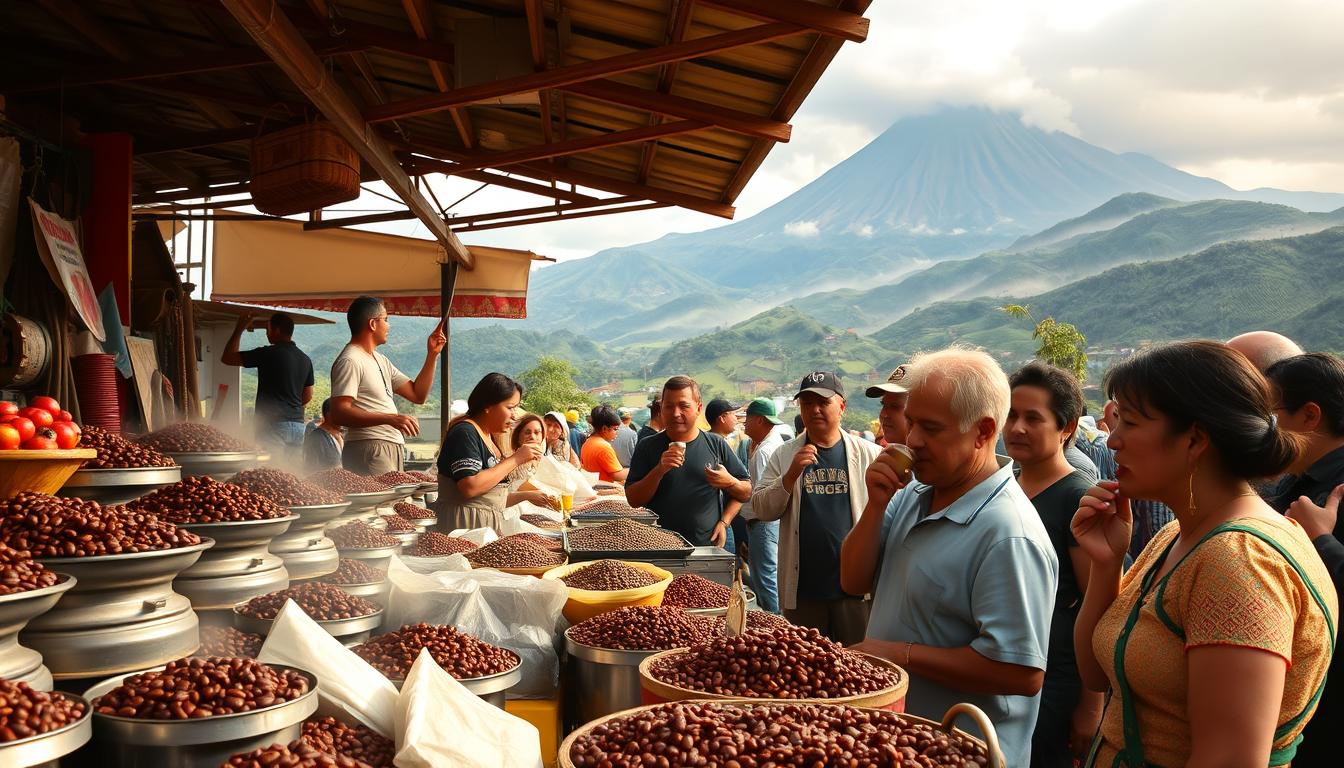
I’ve always been drawn to the rich culture around coffee production in Guatemala. The annual coffee festivals show the country’s deep love for coffee. They are a celebration of its traditions.
Exploring these events, I see how important coffee culture is in Guatemala. Local customs and traditions make these festivals special. They highlight the country’s love for coffee.
Key Takeaways
- Coffee festivals in Guatemala are a celebration of the country’s rich cultural heritage.
- Local traditions and rituals are an integral part of these events.
- The festivals highlight the significance of coffee in Guatemalan life.
- Coffee culture is deeply rooted in Guatemalan society.
- The annual festivals showcase the country’s passion for coffee production.
Understanding the Significance of Coffee in Guatemala
In Guatemala, coffee is a big part of the country’s history. The land, with its rich soil and good weather, is perfect for growing coffee.
The Cultural Heritage of Guatemalan Coffee
Guatemalan coffee is deeply rooted in the culture. It’s a big part of everyday life and traditions. Places like Antigua and Huehuetenango are famous for their coffee and rich history.
For generations, coffee has been a family affair. Farmers take pride in their work. They see growing coffee as a way to honor their values of hard work and dedication.
Economic Impact of Coffee Production
Coffee has a big impact on Guatemala’s economy. It’s a major export, bringing in a lot of money and jobs. Coffee farms help local economies, supporting families in rural areas.
The competition in coffee production pushes farmers to get better. They use sustainable methods to make their coffee better and protect the environment. This helps Guatemala’s coffee reputation and boosts the local economy.
Overview of Major Coffee Festivals in Guatemala
In Guatemala, coffee festivals are more than just events. They are a way of life. These festivals celebrate the country’s rich coffee culture. They bring together farmers, producers, and coffee lovers from all over.
These festivals highlight Guatemala’s diverse coffee regions. Each region has its own flavor profiles and ways of making coffee. From the highlands of Huehuetenango to the volcanic soils of Antigua, every region adds to the country’s coffee heritage.
Antigua Coffee Festival
The Antigua Coffee Festival is a top event in Guatemala’s coffee calendar. It takes place in the historic town of Antigua. This festival draws people from all over with its blend of traditional coffee-making techniques and modern innovations.
Visitors can enjoy coffee tastings, workshops, and exhibitions. These showcase the best of Guatemalan coffee.
- Coffee tastings and competitions
- Workshops on coffee production and roasting
- Exhibitions featuring local coffee farmers and producers
Huehuetenango Coffee Festival
The Huehuetenango Coffee Festival celebrates coffee from this region’s highlands. Known for its distinctive flavor profiles, Huehuetenango coffee is famous worldwide. The festival includes farm tours, coffee cupping sessions, and cultural performances.
- Farm tours to learn about coffee production
- Coffee cupping sessions to experience the unique flavors
- Cultural performances showcasing local traditions
Other Notable Festivals
Besides Antigua and Huehuetenango, Guatemala has other notable coffee festivals. The Atitlán Coffee Festival and the Cobán Coffee Festival are among them. Each festival highlights the unique qualities of its region.
These festivals promote Guatemalan coffee worldwide. They also support local communities. They give farmers a chance to showcase their products and connect with consumers.
The Unique Flavors of Guatemalan Coffee
Guatemala’s coffee is known for its complex flavors. This is thanks to its volcanic soil and varied climate. The coffee has a balanced acidity and rich body, shaped by the local terroir and careful farming.
Exploring Guatemalan coffee, I found a wide range of flavors. Antigua’s coffee has chocolate notes, while Huehuetenango’s has fruity hints. Each cup reflects the land and the people who grow it.
Native Varietals
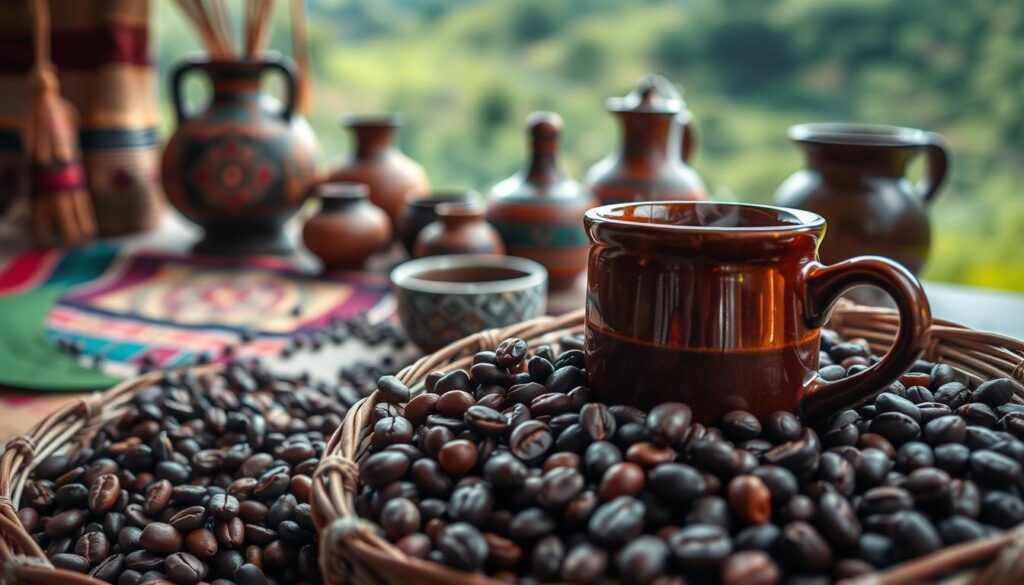
Guatemala has unique coffee varietals like Maragogype and Bourbon. Maragogype has large beans, and Bourbon is known for its balanced acidity and sweetness. These varietals, grown in Guatemala’s microclimates, offer complex and nuanced flavors.
Carlos, a farmer in Huehuetenango, has been growing coffee for over 20 years. He believes the quality of coffee comes from careful cultivation and processing. It’s not just about the varietal.
Climate’s Impact on Flavor
The climate in Guatemala affects coffee flavors. Higher altitudes and cooler temperatures lead to brighter acidity and fruit notes. Lower altitudes produce sweeter and more balanced coffee.
Farmers must adapt to climate changes. They use sustainable practices like shade-grown coffee to combat drought. This helps protect their crops from climate change.
Understanding climate, soil, and varietal is key to enjoying Guatemalan coffee. It showcases the country’s rich coffee culture and the hard work of its farmers and artisans.
Activities at the Coffee Festivals
Guatemalan coffee festivals are a treat for the senses. They offer fun for both coffee lovers and casual visitors. As you enter, you’re greeted by the smell of fresh coffee and colorful local art.
Coffee Tastings and Workshops
At these festivals, you can try coffee tastings and workshops. You’ll get to taste various coffee blends and learn about their flavors. Experts will teach you about coffee making, from roast levels to brewing methods.
Here’s what you can expect:
- Try unique Guatemalan coffee varietals
- Discover how climate affects coffee taste
- Get hands-on with brewing sessions
Cultural Performances and Arts
The festivals also celebrate Guatemalan culture. You’ll see traditional music, dance, and local crafts. There are stalls selling handmade items and artwork.
The cultural events are a big part of the festivals. You’ll see marimba music, dance, and more. It’s a chance to experience Guatemala’s rich heritage.
| Event Type | Description | Highlights |
|---|---|---|
| Coffee Tastings | Sample a variety of Guatemalan coffees | Expert guidance, nuanced flavor profiles |
| Cultural Performances | Traditional and contemporary performances | Marimba music, dance troupes, local artisans |
| Workshops | Hands-on brewing and roasting sessions | Learning from experts, interactive experiences |
When the festivals end, you’ll feel a sense of community. Whether you love coffee or just want to experience something new, these festivals have something for everyone.
The Role of Local Farmers in the Festivals
At the heart of Guatemala’s coffee festivals are the local farmers. Their hard work and commitment to quality are evident. These farmers are not just producers of high-quality coffee; they are also the guardians of a rich cultural heritage.
The festivals offer a platform for local farmers to showcase their products and share their stories. This fosters a sense of community and pride among them. By participating in the festivals, farmers can connect directly with consumers and other stakeholders. This promotes a better understanding of the value of their work.
Supporting Small Farmers
Supporting small farmers is crucial for the sustainability of the coffee industry in Guatemala. These farmers often face significant challenges, including limited access to markets and resources. By participating in the coffee festivals, they gain exposure and can build relationships with buyers and consumers who appreciate the quality and uniqueness of their coffee.
Fair trade practices play a vital role in ensuring that small farmers receive a fair price for their products. This enables them to improve their livelihoods and invest in their communities. This, in turn, contributes to the overall development of the regions where coffee is produced.
Importance of Fair Trade Practices
Fair trade practices are essential for promoting equity and justice in the coffee supply chain. By adhering to fair trade principles, the coffee industry can help ensure that farmers are treated fairly. This includes providing fair prices, improving working conditions, and empowering farmers to take control of their own development.
The emphasis on fair trade and the support for local farmers at the coffee festivals enhance the cultural experience. They also contribute to a more equitable and sustainable coffee industry. As I reflect on the role of local farmers, it becomes clear that their dedication and passion are the driving forces behind the success of Guatemala’s coffee festivals.
How to Experience Coffee Festivals in Guatemala
Guatemala’s coffee festivals are a must-see for coffee lovers. These events mix culture, education, and fun. They show off the best of Guatemalan coffee.
Best Times to Visit
The best time to see Guatemala’s coffee festivals varies by region and event. The coffee harvest season, from November to March, is usually the busiest time.
Antigua Coffee Festival happens in February, and the Huehuetenango Coffee Festival is in March. Visiting during these times means you’ll see the festivals at their best.
Travel Tips for Tourists
Traveling to Guatemala for the coffee festivals requires some planning. First, book your accommodations early, as many people come to these events.
Traveling during the shoulder season can help you avoid crowds. Also, be sure to try the local food, which goes great with the coffee.
Arriving a day or two before the festival is wise. It lets you get used to the local vibe. You can also explore nearby areas and learn about the culture.
- Research the festival schedule and plan your day.
- Wear comfortable clothes and shoes, as you’ll be walking a lot.
- Don’t miss trying different coffee types and learning how they’re made.
Pairing Food and Coffee at Festivals
Exploring Guatemala’s coffee festivals, I found pairing local flavors with coffee is an art. These festivals let you see Guatemala’s rich culture through its food and coffee.
Traditional Guatemalan Dishes
Guatemalan food mixes Spanish, indigenous, and African tastes. This mix creates a wide range of dishes. Favorites include tamales, revolcado (a thick stew), and chiles rellenos (stuffed peppers).
At the coffee festivals, these dishes meet specialty coffee. This mix of tastes and textures shows Guatemala’s cultural depth.
Recommended Food and Coffee Pairings
Finding the right food and coffee pairing can make the experience better. Here are some pairings to try at the festivals:
- Tamales with a rich, full-bodied coffee like Antigua or Huehuetenango
- Chiles rellenos with a balanced coffee that has chocolate and caramel notes
- Revolcado with a coffee that has bright acidity to balance the stew’s richness
These pairings show off Guatemalan cuisine’s variety. They also highlight the complexity of its coffee. Trying these pairings lets visitors appreciate Guatemala’s coffee culture and traditions more.
Connecting with Coffee Producers
Guatemala’s coffee festivals are more than just a chance to taste great coffee. They are a place to meet the people who make it all happen. Visitors can talk directly with the farmers and artisans who create the coffee.
Meet the Farmers
Meeting the farmers at these festivals is a truly enriching experience. They are passionate about their work and have amazing stories to share. Their tales give a deeper look into the art of coffee making.
- Learn about the daily lives of coffee farmers and the challenges they face.
- Discover the techniques and traditions passed down through generations.
- Understand the pride and dedication that goes into producing high-quality coffee.
Learning about Sustainable Practices
The festivals also focus on sustainable practices in coffee making. Many farmers use eco-friendly methods to protect their land. Visitors can learn about these efforts and how they improve the coffee’s quality.
- Shade-grown coffee: Understand how growing coffee under a canopy of trees contributes to biodiversity.
- Organic farming: Learn about the benefits of avoiding synthetic fertilizers and pesticides.
- Water conservation: Discover how farmers are implementing efficient irrigation systems.
By talking to coffee producers, visitors gain a deeper respect for Guatemalan coffee’s culture and craftsmanship. These festivals build a sense of community and respect between producers and consumers.
Coffee and Community: Building Connections
The Guatemalan coffee festivals are more than just celebrations. They unite people and build community spirit. These events share the joy and richness of Guatemalan culture.
In Guatemala, these festivals show the country’s unity and heritage. Locals and visitors come together, putting aside differences. They unite over their love for coffee and community.
The Festival’s Community Impact
These festivals deeply impact the local community. They let local farmers showcase their products and support local artisans. They also boost local economies and encourage cultural exchange.
Community gatherings are a key part of the festivals. People enjoy live music, dances, and local food. These events create a sense of belonging and pride.
| Community Aspect | Description | Impact |
|---|---|---|
| Local Farmer Support | Platform for farmers to showcase their coffee | Boosts local economy |
| Cultural Exchange | Sharing of traditions and cultural practices | Fosters understanding and community pride |
| Community Gatherings | Live music, dances, and local cuisine | Enhances sense of belonging |
Volunteering Opportunities
There are many volunteering opportunities during the festivals. Volunteers can help organize events, support farmers, and join workshops. It’s a chance to give back and learn about coffee production.
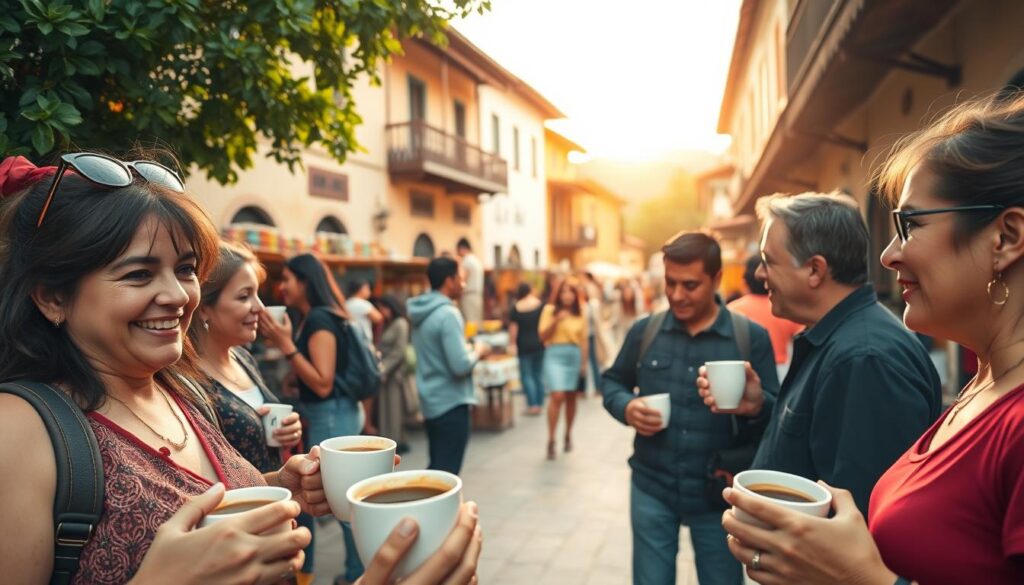
By joining these events, you help make the festivals a success. You become part of the vibrant community around Guatemalan coffee.
Highlights from Recent Festivals
Looking back at the coffee festivals in Guatemala, the energy is clear. These events have shown off the country’s coffee culture. They’ve also become a big part of its cultural heritage.
Noteworthy Events and Moments
The recent festivals have seen fierce coffee competitions. Farmers and producers have shown off their best brews. The cupping competition is a highlight, where judges score coffees based on taste.
The festivals also offer cultural performances that celebrate Guatemala’s heritage. You can enjoy traditional dances, music, and art exhibitions.
| Event | Description | Highlights |
|---|---|---|
| Cupping Competition | Judges taste and score coffees | Best flavor profiles awarded |
| Cultural Performances | Traditional dances and music | Vibrant displays of culture |
Testimonials from Attendees
People from all over have praised the festivals. They love the organization and the chance to meet coffee producers. One attendee said,
“The Guatemalan coffee festivals are a must-visit for any coffee enthusiast. The passion and dedication of the farmers are truly inspiring.”
Another attendee talked about the community aspect. They said,
“It’s wonderful to see so many people coming together to celebrate coffee. The sense of community is palpable.”
Conclusion: Why You Should Attend a Guatemalan Coffee Festival
Reflecting on Guatemala’s coffee festivals, I think about the unforgettable moments they offer. The mix of traditional food, cultural shows, and coffee is unique. It creates an atmosphere you can’t find anywhere else.
The Vibrant Culture and Events
These festivals let you meet local farmers and learn about their work. You’ll see Guatemala’s rich culture through coffee tastings, workshops, dances, and music. It’s a chance to see the best of Guatemalan traditions.
Creating Lasting Memories
Going to a Guatemalan coffee festival is more than a visit. It’s a chance to make memories that last. Whether you love coffee or just want to see Guatemala’s culture, these festivals are for everyone. I suggest you plan your trip and join in on this amazing experience.