
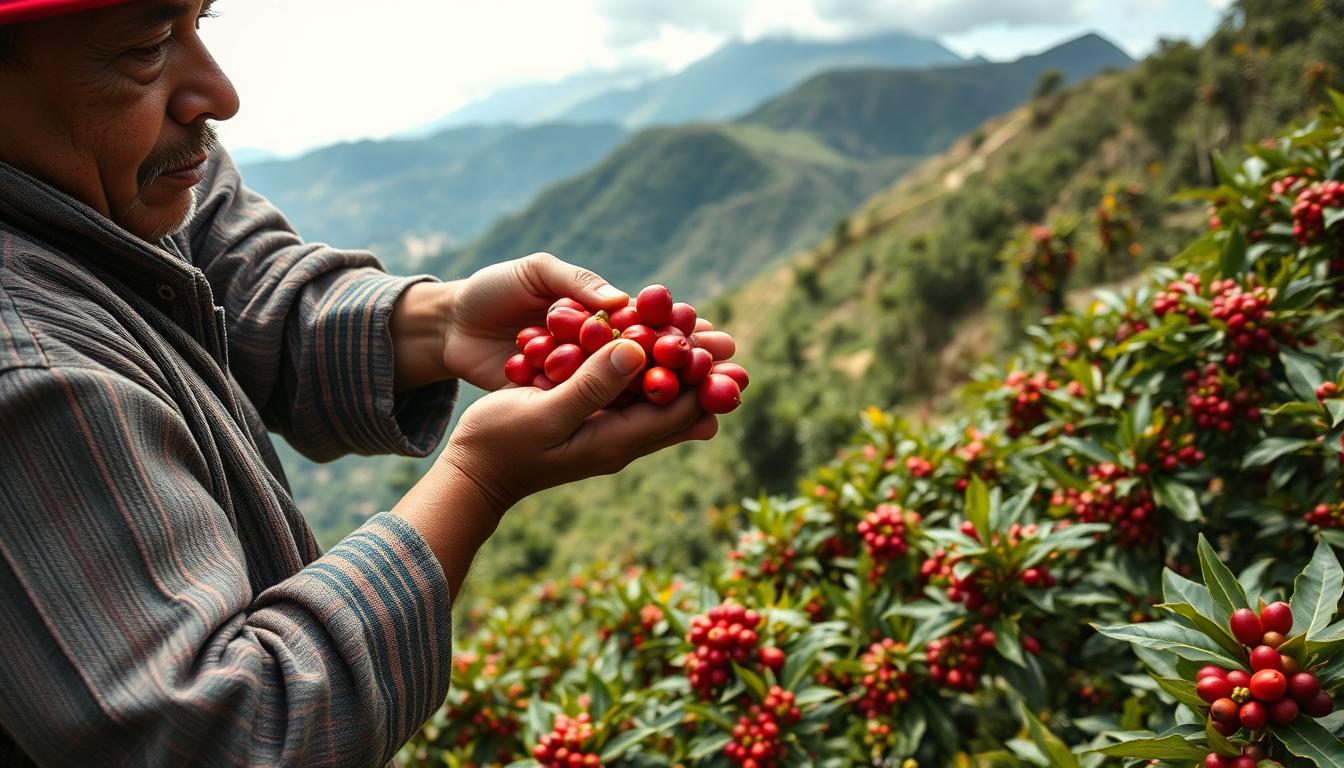
A small-scale farmer harvests coffee cherries in the highlands of Guatemala, where ideal growing conditions produce premium beans
The Historical Evolution of Guatemala’s Coffee Economy
Coffee’s journey in Guatemala began in the 1750s when Jesuit missionaries first introduced the plant. Initially grown as an ornamental curiosity, coffee would transform into the country’s economic cornerstone by the mid-19th century.
From Colonial Crop to Economic Backbone
The rise of coffee as Guatemala’s primary export coincided with the decline of cochineal, a natural red dye that had dominated the country’s export economy during the Spanish colonial era. By 1880, coffee accounted for an astonishing 92% of Guatemala’s export value, completely overshadowing all other export commodities.
This dramatic shift was accelerated by the Liberal Revolution of 1871, when General Justo Rufino Barrios—himself a coffee planter—seized power. His regime quickly implemented policies to expand coffee production, including building infrastructure, establishing agricultural banks, and creating legal frameworks that favored coffee cultivation.
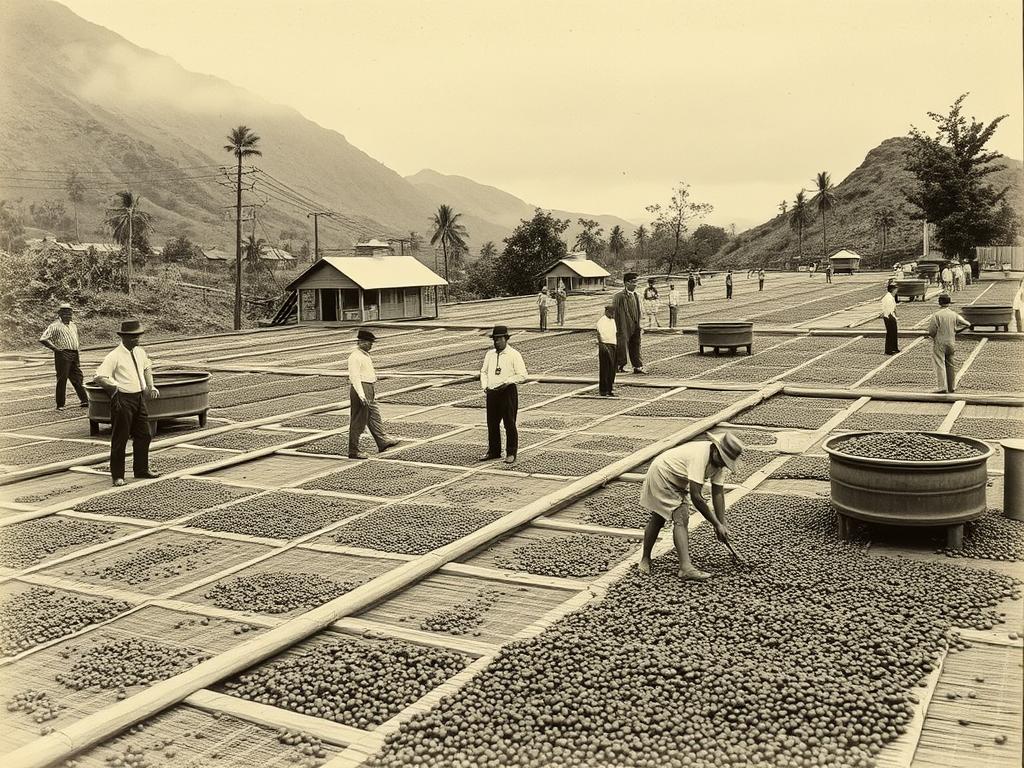
Coffee processing in Guatemala circa 1890, when the industry was becoming the country’s economic foundation
Land Distribution and Social Impact
The coffee boom came at a significant social cost. The Liberal Regime’s policies, particularly Decree 170 in 1877, ended traditional land contracts and gave tenants only a short window to purchase land they had previously used. This led to widespread dispossession of indigenous communal lands for coffee production—a legacy that continues today, with 65% of arable land owned by just 2% of the population.
The expansion of coffee plantations was further enabled by Decree 177, which legalized debt peonage and reinstated mandamientos, a labor draft system that compelled governors to supply workers to export producers. These policies created a deeply unequal agricultural system that would later contribute to decades of civil conflict.
The Current State of the Guatemalan Coffee Economy
Today, coffee remains a cornerstone of Guatemala’s economy, creating more than half a million jobs annually—the highest employment rate in any sector of the country. The industry involves over 125,000 families, with small-scale producers accounting for approximately 44% of the country’s coffee production.
Export Markets and Global Demand
Guatemala’s coffee exports reach markets worldwide, with the United States being the largest importer at approximately 49% of total exports. Other significant markets include Japan, Germany, and Canada. While Guatemala cannot compete on volume with producers like Colombia or even Honduras, it has established itself as one of the most respected specialty coffee origins.
| Destination Country | Percentage of Exports | Primary Coffee Types |
| United States | 49% | SHB, Antigua, Huehuetenango |
| Japan | 15% | Antigua, Atitlán |
| Germany | 10% | SHB, Huehuetenango |
| Canada | 8% | Various regions |
| Other European Countries | 12% | Mixed varieties |
| Rest of World | 6% | Various |
Regional Distinctions and Quality Factors
Guatemala’s diverse microclimates and growing regions produce coffees with distinctive flavor profiles. The country’s coffee association, Anacafé, has established eight coffee regions under the slogan “A Rainbow of Choices”: Acatenango Valley, Antigua Coffee, Traditional Atitlan, Rainforest Coban, Fraijanes Plateau, Highland Huehue, New Oriente, and Volcanic San Marcos.
The combination of high altitude (1,300-2,000 meters above sea level), volcanic soil, and ideal climate conditions contributes to the complex flavors that make Guatemalan coffee highly sought after in specialty markets. Strictly Hard Bean (SHB) coffees from Guatemala are considered among the best in the world, known for their full-bodied taste, bright acidity, and fragrant cup profile.
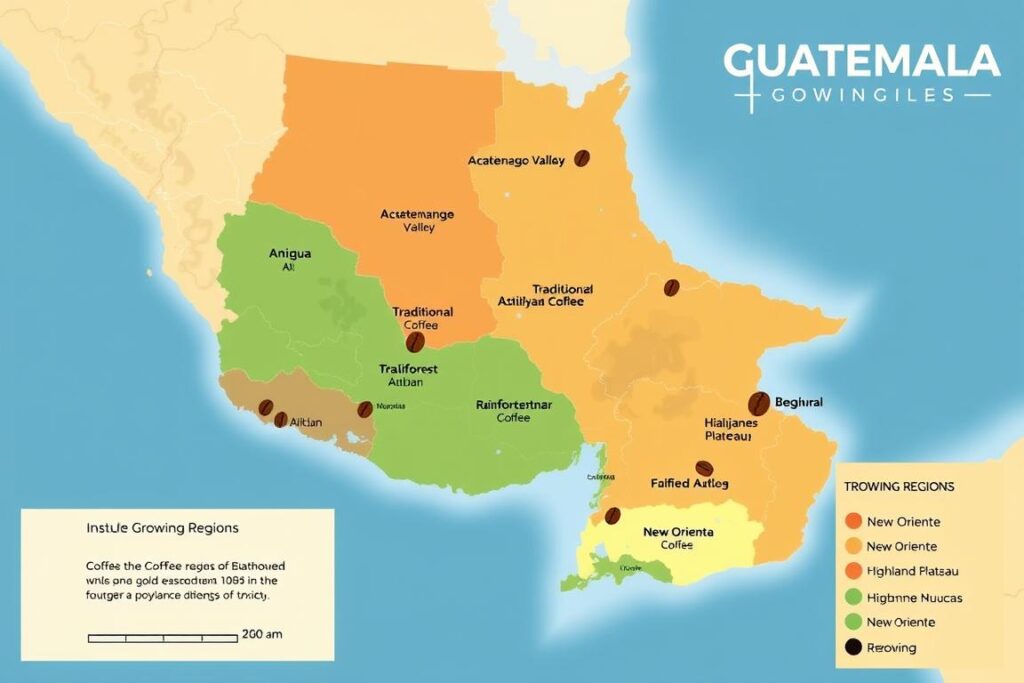
Guatemala’s eight distinct coffee growing regions, each producing beans with unique flavor profiles
Small Farmers: The Heart of Guatemalan Coffee
While large plantations exist in Guatemala, small-scale farmers—those cultivating less than 2 hectares of land—produce nearly half of the country’s coffee. These smallholder farmers face unique challenges but also contribute significantly to the quality and character of Guatemalan coffee.
Traditional Farming Practices
Many small farmers in Guatemala maintain traditional cultivation methods that have been passed down through generations. Coffee is typically shade-grown under a canopy of trees, which helps maintain soil health and provides habitat for wildlife. The beans are hand-picked to ensure only ripe cherries are harvested, contributing to the high quality of Guatemalan coffee.
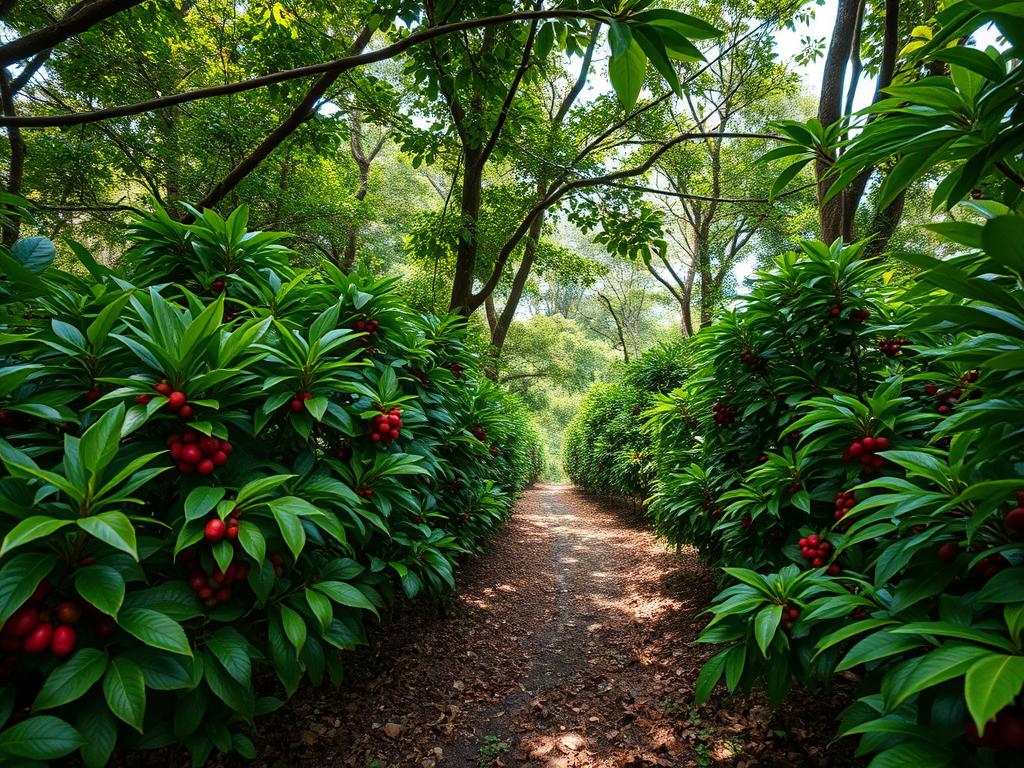
Traditional shade-grown coffee cultivation preserves biodiversity while producing high-quality beans
The Economics of Small-Scale Production
For small farmers, coffee production is both an economic necessity and a cultural tradition. A typical smallholder might earn between $2,000 and $4,000 annually from coffee, depending on yields, quality, and market prices. This income is crucial for rural families but leaves them vulnerable to price fluctuations and climate impacts.
Production costs for small farmers typically range from $1.50 to $2.00 per pound of green coffee, while conventional market prices have often hovered between $1.20 and $1.80 per pound in recent years—sometimes falling below the cost of production. This economic reality makes alternative market models like Fair Trade and Direct Trade essential for sustainability.
Challenges Facing the Guatemalan Coffee Economy
Despite its importance to the national economy, Guatemala’s coffee sector faces significant challenges that threaten the livelihoods of small farmers and the sustainability of the industry as a whole.
Climate Change and Environmental Pressures
Climate change poses an existential threat to coffee production in Guatemala. Rising temperatures are forcing coffee cultivation to move higher up mountainsides, reducing suitable growing areas. Unpredictable rainfall patterns disrupt flowering and fruiting cycles, while increased incidence of pests and diseases—particularly coffee leaf rust (roya)—has devastated many small farms.

Coffee leaf rust (roya) has severely impacted many small farms, reducing yields and threatening livelihoods
Market Volatility and Price Fluctuations
Coffee prices on the international market are notoriously volatile, creating significant economic uncertainty for producers. The C-market price for coffee can swing dramatically based on factors entirely outside farmers’ control, including weather events in Brazil, currency fluctuations, and speculative trading.
When prices fall below production costs, as they have several times in recent decades, small farmers face impossible choices: operate at a loss, abandon coffee farming, or migrate in search of other opportunities. This volatility undermines the stability of Guatemala’s rural communities and the coffee sector as a whole.
“When the price drops below our costs, we have to choose between feeding our children or caring for our coffee plants. No farmer should have to make that choice.”
Access to Markets and Resources
Small farmers often face barriers to accessing markets, credit, and technical assistance. Limited infrastructure in rural areas can make it difficult to transport coffee to processing facilities, while lack of access to financing prevents investments in farm improvements or recovery from crop losses.
Support Guatemalan Coffee Farmers
Learn how your coffee purchases can make a real difference in the lives of small-scale farmers in Guatemala. Our free guide explains the economics behind your cup and provides actionable ways to support sustainable farming practices.
The Role of Cooperatives in the Guatemalan Coffee Economy
Coffee cooperatives have emerged as a vital support structure for small farmers in Guatemala, helping them overcome many of the challenges they face individually. These democratic organizations pool resources, share knowledge, and create economies of scale that benefit their members.
Economic Benefits of Cooperative Models
By aggregating their harvests, cooperative members can access markets that would be unavailable to them as individual small producers. Cooperatives can invest in processing equipment, quality control laboratories, and certification programs that add value to members’ coffee. They also provide a buffer against market volatility through reserve funds and advance payments.
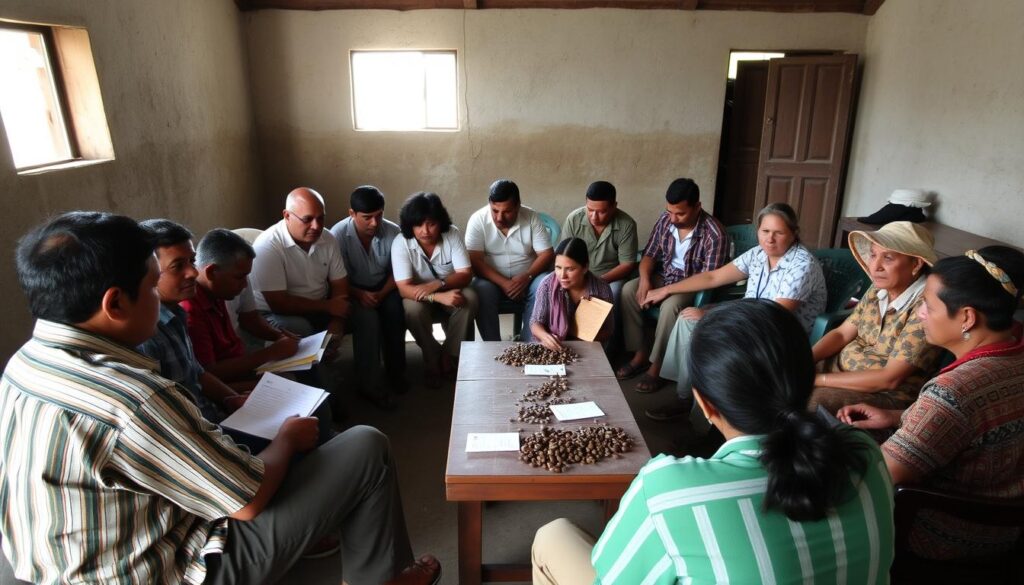
Members of the La Voz cooperative in San Juan La Laguna discuss strategies for the upcoming harvest
Success Stories: Cooperatives Driving Change
Cooperatives like Asociación Chajulense in Huehuetenango and La Voz in San Juan La Laguna demonstrate how collective organization can transform communities. These cooperatives have invested in education, healthcare, and environmental initiatives while securing premium prices for their members’ coffee through quality improvement and direct relationships with buyers.
“Before joining the cooperative, I sold my coffee to coyotes [middlemen] who paid whatever they wanted. Now we negotiate together and receive fair prices. The cooperative has given us dignity and hope for our children’s future.”
Fair Trade and Direct Trade: Transforming the Value Chain
Alternative trade models have emerged as important tools for addressing the economic challenges facing small coffee farmers in Guatemala. These approaches aim to create more equitable value distribution and sustainable livelihoods.
The Fair Trade Model
Fair Trade certification guarantees producers a minimum price for their coffee, currently $1.40 per pound for conventional and $1.70 for organic, plus a $0.20 per pound social premium. This floor price provides crucial protection when market prices fall below production costs. The social premium funds community development projects chosen democratically by producer organizations.
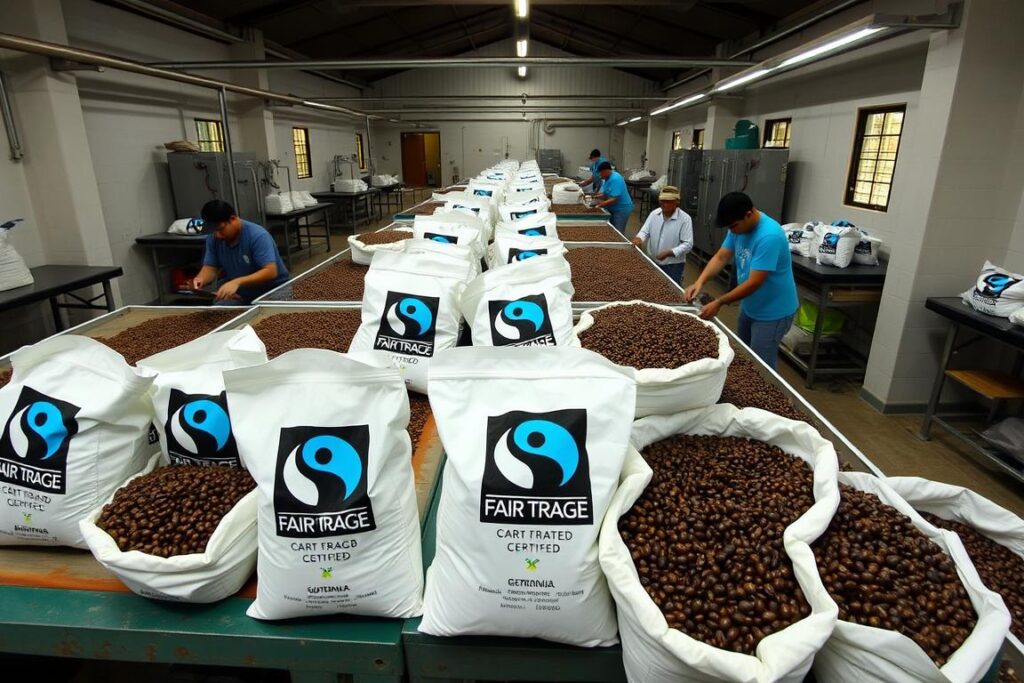
Fair Trade certification provides price stability and community development funds for participating cooperatives
Direct Trade Relationships
Direct trade relationships between farmers or cooperatives and coffee roasters have also transformed the value chain. By bypassing traditional intermediaries, direct trade can deliver higher prices to producers while giving roasters access to exceptional coffees and transparent supply chains. These relationships often involve long-term commitments and knowledge exchange that benefit both parties.
Fair Trade Impact
- Guaranteed minimum price ($1.40/lb conventional, $1.70/lb organic)
- $0.20/lb social premium for community projects
- Democratic decision-making within cooperatives
- Environmental standards and sustainable practices
- Access to pre-financing and credit
Direct Trade Benefits
- Often higher prices than Fair Trade minimum
- Long-term relationships and planning security
- Quality feedback and technical exchange
- Brand storytelling opportunities
- Transparency throughout the supply chain
The Future of Guatemala’s Coffee Economy
As Guatemala’s coffee sector faces the dual challenges of climate change and market volatility, its future depends on innovation, adaptation, and more equitable value distribution. Several trends point to potential pathways for sustainable development.
Climate Adaptation and Resilience
Climate-smart agriculture practices are becoming increasingly important for Guatemala’s coffee farmers. These include developing drought-resistant varieties, implementing water conservation techniques, and diversifying farm income through complementary crops like avocados, honey, or ecotourism.
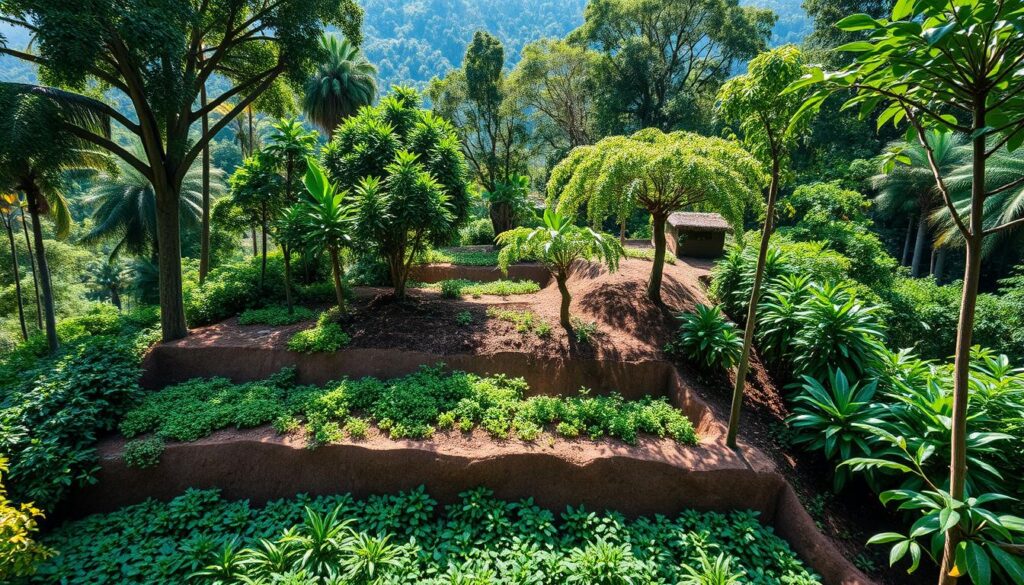
Climate-smart agroforestry systems help coffee farms adapt to changing conditions while maintaining productivity
Value Addition and Market Differentiation
Adding value within Guatemala through improved processing, quality control, and direct marketing represents another promising direction. Some cooperatives have invested in micro-mills, cupping laboratories, and direct export capabilities that allow them to capture more of the value chain.
Differentiation through unique regional characteristics, processing methods, or certifications can help Guatemalan coffee command premium prices in specialty markets. The country’s diverse growing regions and traditional practices provide rich material for storytelling that resonates with conscious consumers.
Policy Support and Infrastructure Development
The future of Guatemala’s coffee economy also depends on supportive policies and investments in rural infrastructure. Improved roads, reliable electricity, and internet access would help remote farming communities connect to markets and information. Credit programs designed for small farmers could enable necessary investments in farm renovation and processing improvements.
Experience the Richness of Guatemalan Coffee
Discover how the unique growing regions, traditional farming methods, and dedication of small farmers create the exceptional flavors of Guatemalan coffee. Support sustainable livelihoods while enjoying some of the world’s finest beans.
Conclusion: Small Farms, Global Impact
The story of Guatemala’s coffee economy is ultimately about people—the thousands of small-scale farmers whose daily labor produces one of the world’s most beloved beverages. Their resilience in the face of historical inequities, market challenges, and climate threats speaks to the enduring human connection to land and livelihood.
As consumers become increasingly conscious of the origins of their coffee and the conditions under which it is produced, there are growing opportunities to build a more equitable coffee economy. Through cooperatives, fair trade relationships, and direct connections between producers and consumers, Guatemala’s small coffee farmers are finding pathways to sustainability that honor both tradition and innovation.
The future of Guatemala’s coffee economy depends not only on the adaptability of its farmers but also on the choices made by coffee drinkers, roasters, importers, and policymakers around the world. By recognizing the true value of small-scale production and supporting models that fairly distribute that value, we can help ensure that Guatemala’s coffee farms continue to thrive for generations to come.