
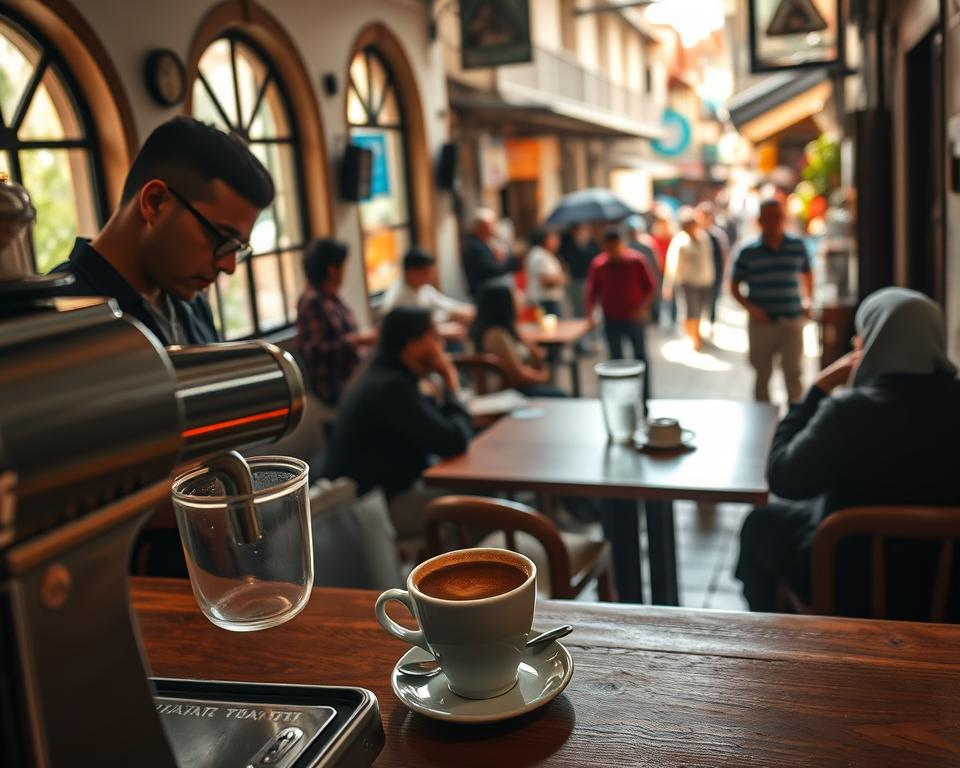
In Central America, Guatemala shines with its rich culture and warm welcome. Coffee is at the heart of this tradition. It’s more than a drink; it’s a key part of family, friends, and community.
Coffee in Guatemala means more than just taste and smell. It’s a sign of friendship and respect. Serving coffee to guests shows love and warmth. This tradition makes Guatemalan hospitality special, mixing coffee love with the joy of sharing.
The Rich Heritage of Guatemalan Coffee
Guatemalan coffee has a long history that has shaped the country’s culture and economy. Coffee arrived in the 18th century, starting a new chapter for Guatemala. It turned the country into a top coffee producer worldwide.
Key Historical Milestones in Guatemalan Coffee
The story of Guatemalan coffee is filled with key moments. Coffee was first grown in the highlands of Guatemala. The climate and soil were perfect for it.
| Year | Event | Impact |
|---|---|---|
| 1770s | Coffee introduction | Initial cultivation in Guatemalan highlands |
| 1800s | Expansion of coffee plantations | Coffee becomes a major export commodity |
| 20th century | Modernization of coffee production | Improved yields and quality |
The coffee industry in Guatemala has grown a lot since coffee was first introduced. Today, Guatemalan coffee is famous for its unique tastes and quality. It plays a big role in the country’s coffee culture.
Understanding Guatemala’s Coffee Regions
Guatemala’s coffee regions are key to understanding its specialty coffee. The country’s varied geography leads to different coffee areas. Each has its own taste and features.
Cobán and Its Unique Rainy Microclimate
Cobán is in Alta Verapaz and is famous for its rainy weather. This weather, along with high humidity and cool temperatures, is perfect for growing Arabica coffee. The coffee farms here are shaded, which helps the coffee cherries mature slowly. This makes the coffee taste more complex.
Atitlán’s Lakeside Coffee Plantations
Atitlán is known for its beautiful coffee farms by the lake. The mix of volcanic soil, a mild climate, and the lake’s effect makes it great for coffee. The coffee from here has a bright taste and unique flavors.
| Coffee Region | Characteristics | Flavor Profile |
|---|---|---|
| Cobán | Rainy microclimate, shaded farms | Complex, balanced acidity |
| Atitlán | Lakeside, volcanic soil | Bright acidity, distinct flavor notes |
Guatemala’s coffee areas, like Cobán and Atitlán, make the country famous for its top-notch coffee. The special geography of each area shapes the coffee’s taste.
Coffee and Hospitality Guatemala: A Cultural Connection
In Guatemalan culture, coffee is more than a drink; it’s a sign of welcome. Serving coffee is a big part of their daily lives. It shows their respect and kindness to guests.
Proper Timing and Presentation
In Guatemala, serving coffee is an art. Coffee is given in small cups, and when it’s served matters a lot. Serving coffee right away when guests arrive shows respect and hospitality.
- Coffee is served in small, decorative cups to enhance the experience.
- The quality of the coffee is paramount, often made from freshly ground beans.
- Accompaniments like sweet treats are common, adding to the warmth of the gesture.
How to Accept Coffee Graciously
Accepting coffee is important in Guatemalan etiquette. When offered coffee, say thank you and start a conversation. This makes the bond stronger and shows you value the host’s effort.
For more insights into coffee culture, you can explore resources like coffee culture destinations.
How to Experience Traditional Coffee Preparation
To dive into Guatemalan culture, you must try the traditional coffee making ways. These methods have been passed down for generations. They show the country’s warm hospitality and rich cultural background.
The chorreador is a key part of Guatemalan coffee making. It’s a wooden stand with a cloth or leather filter. Coffee grounds go in the filter, and hot water is poured over them. This makes the coffee drip into a pot below.
This method is not just for making coffee. It also brings people together. They chat while waiting for the coffee to finish brewing.
Modern Adaptations of Classic Techniques
Even though old methods are loved, new ways have also become part of Guatemalan coffee culture. Coffee lovers now mix traditional and modern brewing, like pour-over and French press. This lets them enjoy Guatemalan coffee’s unique tastes.
Where to Find Traditional Coffee Tools
If you want to bring a bit of Guatemalan coffee culture home, look for traditional tools. You can find them in local markets and specialty coffee shops in Guatemala. These tools remind you of the country’s coffee heritage. They also help keep the tradition of coffee sharing alive.
Trying traditional Guatemalan coffee making is a way to explore the country’s culture and hospitality. By using these traditional methods and tools, you can really get to know Guatemalan coffee’s depth and richness.
Planning Your Visit to Guatemala’s Coffee Farms
Guatemala’s coffee farms are more than just places to make coffee. They are a way to see the country’s warm hospitality and rich coffee culture. You can visit many farms, from small family ones to big plantations.
Small Family Farms vs. Large Plantations
Small family farms give you a close-up look at how coffee is made the old way. Big plantations show you how coffee is made on a large scale. They often have tours that let you see every step of making coffee.
- Small Family Farms: Personal tours, traditional methods, direct interaction with farmers.
- Large Plantations: Commercial production insights, varied tour options, potential for larger tastings.
Essential Items to Pack for Farm Tours
It’s important to pack the right things for a fun and comfy visit.
- Comfortable walking shoes for touring the farms.
- Waterproof jacket or umbrella, as coffee regions can be rainy.
- Sun protection, including sunscreen, hat, and sunglasses.
- Reusable water bottle to stay hydrated.
- Camera to capture the scenic landscapes and production processes.
Knowing the difference between small farms and big plantations helps you enjoy your visit more. Whether you love coffee or just want to see Guatemala’s culture, visiting the coffee farms is a great idea.
Participating in a Guatemalan Coffee Ceremony
Joining a Guatemalan coffee ceremony is a deep dive into tradition, community, and coffee flavors. It’s more than just drinking coffee. It’s a cultural ritual that highlights Guatemalan hospitality.
Regional Variations in Coffee Ceremonies
Guatemala’s different areas have their own coffee ceremony styles. In the highlands, ceremonies might include Mayan traditions. Other places might focus on the coffee’s taste.
| Region | Ceremony Characteristics | Notable Features |
|---|---|---|
| Highlands | Incorporates Mayan traditions | Use of traditional textiles and rituals |
| Antigua | Focus on coffee flavor profiles | Detailed coffee tasting notes |
| Lake Atitlán | Community-oriented ceremonies | Participation from local community members |
Gestures of Appreciation in Guatemalan Culture
In Guatemalan culture, showing thanks is key during coffee ceremonies. People show gratitude with words and by fully participating.
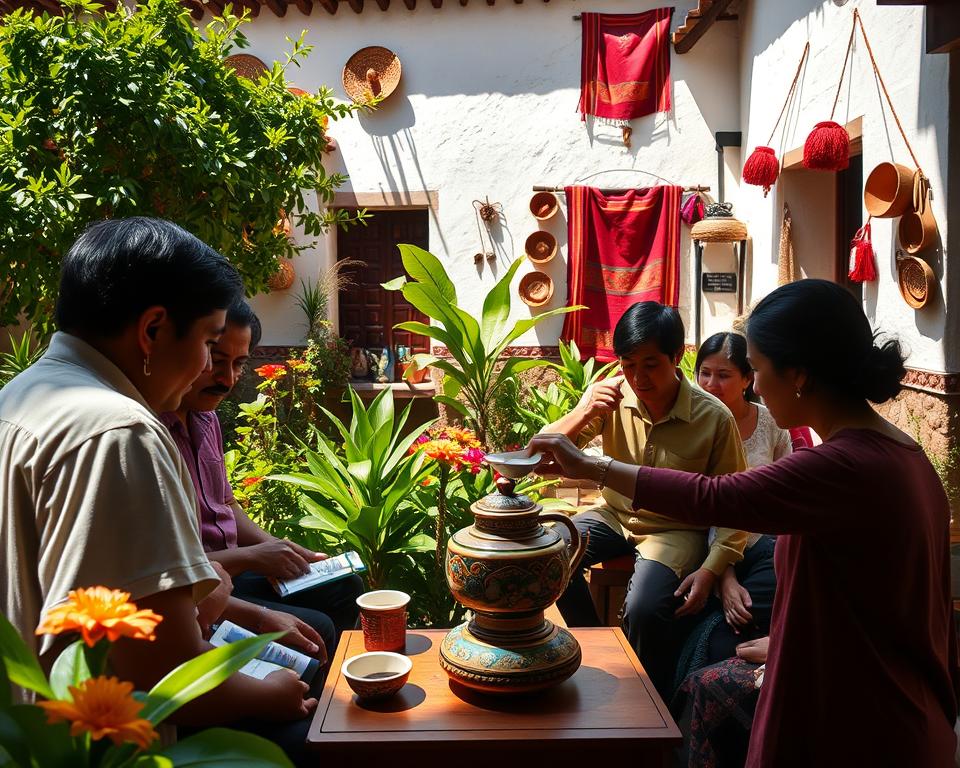
Knowing these customs can make your experience richer and show respect for the culture. Remember, the ceremony is a time to connect and share with others.
Developing Your Palate for Guatemalan Coffee Flavors
Exploring specialty coffee from Guatemala starts with improving your taste. Guatemalan coffee offers a wide range of flavors, from fruity to chocolatey. To enjoy the best coffee Guatemala has to offer, learning to taste these flavors is key.
Conducting Your Own Tasting Sessions
Begin by picking various Guatemalan coffees from different areas. Use the same brewing method for each to keep things consistent. Notice the aroma, acidity, body, and flavors. Keep a record of your thoughts to see how your tastes evolve.
Flavor Wheel for Guatemalan Coffee Varieties
A flavor wheel is a great tool for spotting the many tastes in Guatemalan coffee. You might find notes of citrus, berries, and caramel. Using a flavor wheel helps you describe what you taste, deepening your love for Guatemalan coffee.
Getting better at tasting coffee takes time and effort. Keep trying different Guatemalan coffees and use a flavor wheel. This will help you notice the subtle differences in Guatemalan coffee.
Creating Your Coffee Tourism Itinerary in Guatemala
Planning is essential for a great coffee tourism trip in Guatemala. The country’s coffee regions offer a mix of culture and taste.
First, decide if you want to visit during the harvest season or off-season.
Harvest Season vs. Off-Season Benefits
The harvest season, from November to March, lets you pick and process coffee. It’s a hands-on experience. Off-season visits, however, mean lower prices and fewer people, offering a calm trip.
Sample 7-Day Coffee Tour Itinerary
Here’s a 7-day plan:
- Day 1-2: Explore Antigua and visit local coffee shops
- Day 3-4: Tour coffee farms in the Lake Atitlán region
- Day 5: Participate in a coffee tasting session
- Day 6-7: Visit a coffee roastery and learn about the roasting process
Plan your trip to enjoy Guatemala’s coffee culture and hospitality. This way, you’ll have a memorable experience.
Mastering Social Etiquette During Coffee Sharing
Understanding local etiquette is key when sharing coffee in Guatemala. Coffee is a big part of Guatemalan culture. Sharing it shows respect and hospitality.
To fit in, know what to talk about and what to avoid. Talking about local culture, traditions, and coffee is usually a hit.
Appropriate Topics and Those to Avoid
Stay away from topics like politics or sensitive issues. Instead, dive into Guatemalan coffee’s rich heritage. Discuss how it’s made and its importance in the local economy.
- Discuss the local coffee culture and traditions.
- Ask about the coffee roasting process.
- Avoid discussing politics or negative aspects of the country.
Meaningful Gifts for Coffee Hosts
When invited to share coffee at home, bring a small gift. Choose something that shows you value Guatemalan culture or coffee.
| Gift Idea | Reason |
|---|---|
| Local Artisan Product | Shows appreciation for Guatemalan craftsmanship |
| Coffee-related Accessories | Enhances the coffee experience |
| Gourmet Coffee from Your Country | Shares a piece of your culture |
By following these etiquette tips, you can make lasting connections. And you’ll get to enjoy Guatemala’s amazing coffee culture.
Supporting Sustainable Coffee Practices in Guatemala
Guatemalan coffee is getting more popular. This makes it key to support sustainable coffee practices. These practices help the environment and improve the lives of coffee farmers.
Certification Labels to Look For
When you buy Guatemalan coffee, check for special labels. Look for:
- Fairtrade
- Organic
- Rainforest Alliance
- UTZ
These labels mean the coffee is made fairly and sustainably. They show it’s good for farmers and the planet.
Community-Based Sustainability Initiatives
Guatemala’s coffee farms and cooperatives are doing great things. They plant trees, save water, and help farmers’ families. These efforts make a big difference.
| Initiative | Description | Impact |
|---|---|---|
| Reforestation | Planting native trees to restore ecosystems | Enhances biodiversity and improves soil health |
| Water Conservation | Implementing efficient irrigation systems | Reduces water waste and protects local water sources |
| Social Programs | Providing education and healthcare to farming communities | Improves the quality of life for farmers and their families |
By supporting these efforts, we help the Guatemala coffee industry grow sustainably. This benefits everyone involved.
Bringing Guatemalan Coffee Hospitality Home
It’s easy to bring the warmth of Guatemalan coffee hospitality into your home. Just follow a few simple tips and techniques. You can enjoy the rich flavors and cultural traditions of Guatemala’s coffee culture every day.
Storage and Freshness Tips
To keep your Guatemalan coffee fresh, proper storage is key. Here are some tips:
- Store coffee beans in an airtight container to preserve freshness.
- Keep the container in a cool, dark place, away from direct sunlight and heat sources.
- Grind your coffee beans just before brewing to maximize flavor.
Adapting Techniques for Home Equipment
You don’t need special equipment to brew coffee like they do in Guatemala. Here are some adaptations for common home equipment:
- For a French press, use a coarse grind and steep for 4 minutes.
- For drip brewing, use a medium grind and adjust the coffee-to-water ratio to taste.
- For espresso, use a fine grind and adjust the tamping to ensure even extraction.
To fully experience Guatemalan coffee hospitality at home, consider serving your coffee with traditional Guatemalan treats. Also, pay attention to presentation:
- Pair your coffee with sweet breads or pastries, such as pan dulce.
- Use decorative cups and saucers to add a touch of elegance.
- Consider serving coffee in a cafecito setting, with small bites and conversation.
By incorporating these tips into your coffee routine, you can share the warmth and hospitality of Guatemalan coffee culture. This will create a unique and memorable experience for your friends and family.
Conclusion: Embracing the Spirit of Guatemalan Coffee Hospitality
Guatemalan coffee is more than a drink; it’s a symbol of warmth and hospitality. Its rich flavors and aromas reflect the country’s history and traditions. Every cup tells a story of Guatemalan culture.
Visiting Guatemala lets you experience the unique flavors of Guatemalan coffee. You’ll also feel the warmth of the Guatemalan people. Whether it’s a traditional coffee ceremony or a simple cup in a café, it’s an unforgettable experience.
We encourage you to embrace Guatemalan coffee hospitality. Take time to appreciate the simple things. Connect with others over your shared love of this exceptional coffee.