
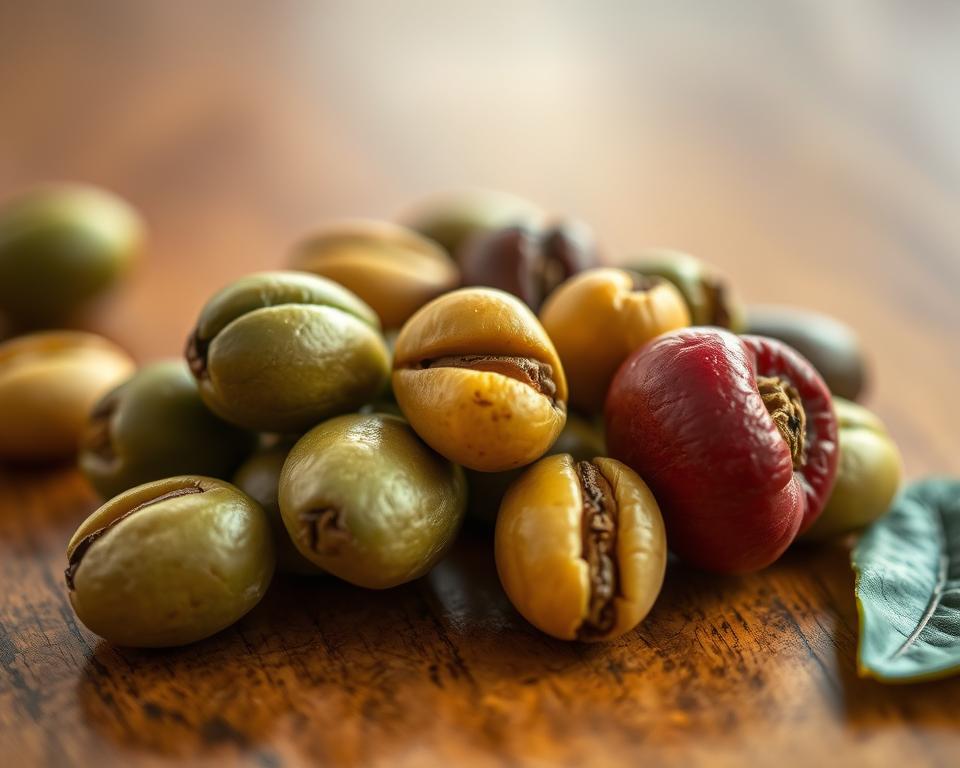
Guatemala is famous for its top-notch coffee. The ripening period is key to this quality. It greatly affects the taste and smell of the coffee, making it a crucial step for coffee makers.
During ripening, coffee cherries get their best sweetness and flavor. It’s important to watch them closely. This ensures they’re picked at the perfect time, affecting the coffee’s quality.
In Guatemala, coffee makers follow strict quality rules. The ripening period is a big part of these rules. It helps make sure the coffee is of high quality and pleases the customers.
Understanding Coffee Ripening in Guatemala’s Unique Climate
Guatemala’s climate varies greatly, affecting coffee ripening. The country’s geography, from highlands to lowlands, creates different microclimates. These microclimates play a big role in how coffee ripens.
Several factors influence coffee ripening in Guatemala. These include temperature, altitude, and rainfall. Each region has its own mix of these factors, shaping the coffee’s quality.
| Region | Climate Condition | Impact on Coffee Ripening |
|---|---|---|
| Highlands | Cooler temperatures | Slower ripening, complex flavor |
| Lowlands | Warmer temperatures | Faster ripening, sweeter flavor |
Knowing about these regional differences is key for coffee makers. It helps them adjust their methods to improve coffee ripening quality.
The Science Behind Coffee Ripening Quality
Understanding coffee ripening is key for producers wanting to improve their coffee’s taste. The ripening process is full of complex biochemical reactions. These reactions greatly affect the coffee’s quality and taste.
Coffee cherries change a lot during ripening. They turn yellow, orange, or red as they ripen. This change is important for the coffee’s flavor and smell.
The ripeness of coffee beans at harvest time is very important. Coffee beans picked at the right time taste better and are of higher quality. Using the right ripening and harvesting methods is crucial for making top-notch Guatemalan coffee.
By managing the ripening process well, producers can make their coffee much better. They need to watch the ripening closely and pick the cherries when they are perfectly ripe.
Identifying the Perfect Moment: Ripeness Indicators
Guatemalan coffee farmers check coffee cherry ripeness in several ways. They look for the best time to pick to get the best coffee. This is key for top-notch coffee quality.
They mainly use sight to see if cherries are ripe. Cherries change color from green to yellow, orange, or red as they ripen. Farmers check for full color to know if they’re ripe.
They also feel the cherries to check ripeness. Ripe cherries are firm but soft to the touch. Too ripe cherries are soft and not good for flavor.
They might also check if cherries float in water or use tools to measure sugar content. By mixing these methods, farmers find the best time to pick. This makes their coffee taste better and be of higher quality.
Getting coffee ripe right isn’t just about picking at the right time. It’s also about knowing how climate, soil, and coffee type affect ripening. Guatemalan coffee makers use these insights and methods to always make great coffee. Their coffee meets high standards worldwide.
How to Assess Coffee Ripening Quality Throughout the Season
To get the best coffee, it’s key to check ripening quality often. This means watching coffee cherries to see when they’re ready.
Quality control is vital for top-notch coffee. Farmers need to look for signs like color, texture, and sweetness.
| Ripeness Indicator | Description | Action |
|---|---|---|
| Color | Coffee cherries turn from green to yellow or red when ripe. | Check for uniform color change. |
| Texture | Ripe coffee cherries are slightly soft to the touch. | Gently squeeze cherries to assess texture. |
| Sweetness | Ripe cherries are sweeter than unripe ones. | Taste a few cherries to assess sweetness. |
By following these steps and keeping quality control consistent, Guatemalan coffee farmers can get the best harvest. This way, they can make high-quality coffee.
The Critical Relationship Between Harvest Timing and Flavor Development
Guatemalan coffee farmers work hard to balance harvest timing and flavor development. Harvesting at the right time is key to improving coffee flavor and quality.
Coffee beans picked too early might not taste as good. Beans picked too late can become overripe, lowering quality. Guatemalan farmers know that harvest timing greatly affects coffee taste.
By watching the ripening process closely and picking at the peak, farmers boost their coffee’s flavor. This focus on detail makes Guatemalan coffee stand out.
Managing the link between harvest timing and flavor is vital for top-notch coffee. It needs a deep grasp of the ripening process and a dedication to quality.
Regional Variations in Coffee Ripening Across Guatemala
Guatemala’s diverse geography leads to different coffee ripening patterns. This affects the coffee’s quality. Each region in Guatemala has its own unique conditions for coffee ripening.
Altitude, temperature, and rainfall change a lot from one region to another. For example, Huehuetenango’s high altitude means cooler temperatures. This slows down coffee ripening. On the other hand, Antigua’s lower altitude means warmer temperatures, speeding up the ripening process.
Farmers need to understand these regional differences. They must adjust their harvesting and processing methods. This ensures their coffee meets quality standards.
By adapting to these regional factors, Guatemalan coffee producers can improve their coffee’s quality. This makes their coffee more competitive worldwide.
Step-by-Step Guide to Monitoring and Managing Ripening
Guatemalan coffee producers need to manage ripening well to get high-quality coffee. They use both old and new methods to check and manage coffee ripeness.
Visual Training Techniques
Teaching farmers to see when coffee cherries are ripe is key. This means:
- Watching how the color of coffee cherries changes as they ripen
- Noticing the different colors of various coffee types
- Using charts to make sure ripeness checks are the same
Learning these visual signs helps farmers pick out ripe cherries better.
But, it’s not just about seeing. Doing things hands-on is also important. This includes:
- Checking coffee trees often for ripe cherries
- Doing taste tests to see how the coffee tastes
- Changing when to pick coffee based on how ripe it is
By mixing seeing with doing, Guatemalan coffee farmers can get better at managing ripeness. This leads to higher quality coffee and better prices.
Getting coffee to ripen right is a job that never stops. It takes hard work and paying close attention to details. By following these steps and always checking and tweaking their ways, farmers can get the best results.
Optimizing Post-Harvest Processing Based on Ripeness Levels
The ripeness of coffee cherries greatly affects the quality of Guatemalan coffee. Coffee cherries picked at the right time will lead to better coffee.
To improve post-harvest processing, Guatemalan coffee farmers should sort cherries by ripeness. They can use visual checks and floating methods. Cherries that are too green or too ripe should be set aside. This prevents spoilage and keeps the quality consistent.
After sorting, the cherries should be processed to keep the quality high. For Guatemalan coffee, washed processing is often used. It brings out the coffee’s natural flavors and acidity.
- Sorting coffee cherries by ripeness
- Using appropriate processing methods
- Monitoring drying and storage conditions
By following these steps, Guatemalan coffee farmers can improve their coffee’s quality. This leads to better flavors and higher prices. Quality control is key to keeping Guatemala’s coffee reputation high.
Optimal harvesting and post-harvest processing lead to top-quality coffee. This meets the needs of coffee lovers around the world.
Overcoming Common Challenges in Coffee Ripening Management
The process of coffee ripening in Guatemala faces many challenges. These can greatly affect the quality of the harvest. Climate changes, pests, and diseases are key factors in coffee ripening quality.
Climate change has made weather patterns unpredictable. This makes it hard for farmers to know when to harvest. Changes in temperature and rain can speed up or slow down ripening, impacting coffee taste and quality.
Pests and diseases are big challenges too. Pests like the coffee berry borer harm cherries. Diseases, like coffee leaf rust, weaken plants, making them more vulnerable.
Farmers can use several strategies to improve coffee ripeness. They can use integrated pest management, grow disease-resistant varieties, and harvest carefully. This ensures only ripe cherries are picked.
By understanding and addressing these challenges, Guatemalan coffee producers can improve their coffee quality. This will help them compete better in the global market.
Sustainable Practices to Enhance Coffee Ripening Quality
Guatemalan farmers are now using sustainable methods to improve coffee ripening. These practices are key to better coffee quality and taste.
Some of the sustainable practices that enhance coffee ripening quality include:
- Organic farming methods that avoid the use of synthetic fertilizers and pesticides.
- Efficient water management systems to conserve water during the ripening process.
- Biodiversity conservation to maintain ecological balance.
These methods not only improve coffee quality but also help the environment. Here’s a comparison of traditional and sustainable practices:
| Practice | Traditional Method | Sustainable Method |
|---|---|---|
| Farming Method | Use of synthetic fertilizers | Organic farming |
| Water Management | Excessive water use | Efficient irrigation systems |
| Biodiversity | Monoculture farming | Biodiversity conservation |
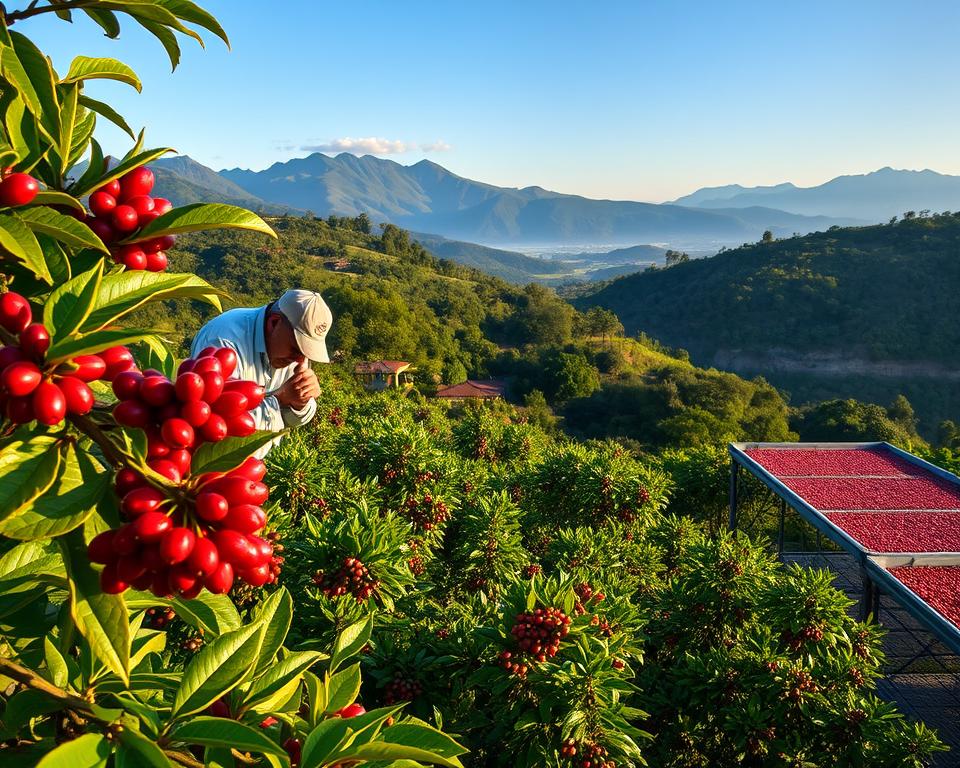
Guatemalan coffee producers use these sustainable practices. They improve coffee flavor while keeping quality high.
Conclusion: Mastering the Art of Coffee Ripening for Superior Guatemalan Coffee
Mastering coffee ripening is key to making top-notch Guatemalan coffee. The ripening process greatly affects the coffee’s taste and smell. It’s vital to know and manage it well.
To get the best ripening, you need to watch and manage the coffee beans closely. Knowing when they’re ripe and using the best methods can boost coffee quality in Guatemala.
Guatemala’s unique climate and different regions offer both chances and hurdles for coffee makers. By using eco-friendly methods and focusing on ripeness, producers can make their coffee better.
In the end, mastering coffee ripening is essential for making outstanding Guatemalan coffee. By focusing on ripening quality and bean maturity, producers can make coffee that truly represents Guatemala’s coffee tradition.