
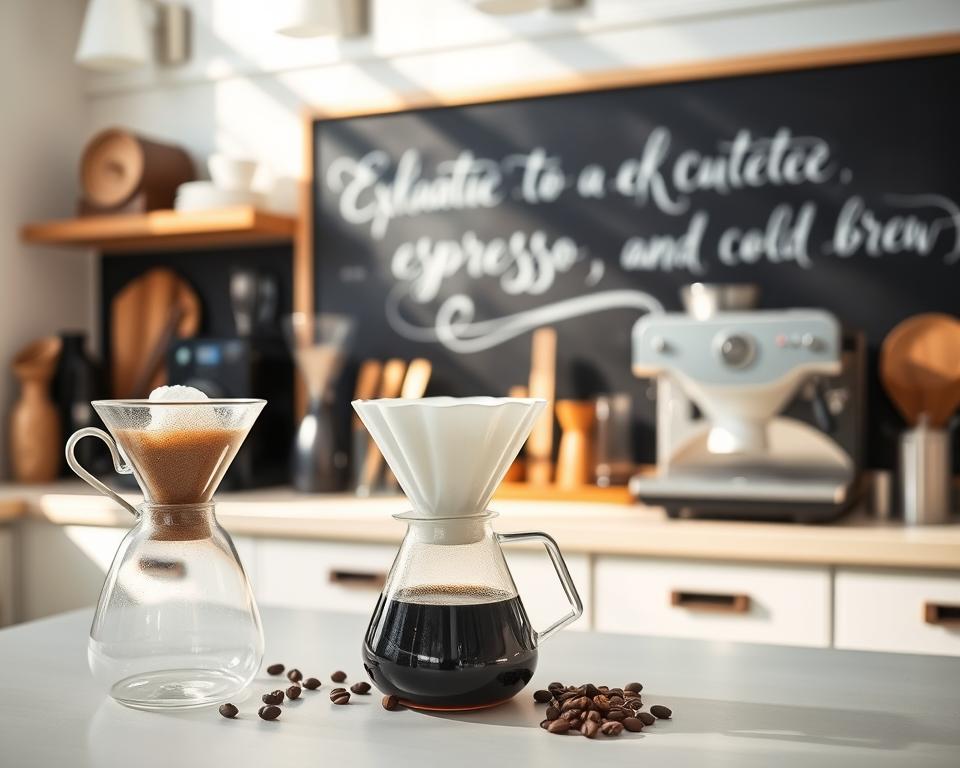
Guatemala Coffee is famous for its rich flavors and unique taste. These flavors can be enjoyed fully through different brewing methods. The art of coffee extraction is key to revealing the coffee’s special qualities.
Each brewing method changes how we taste Guatemala Coffee. The Chemex and V60 methods offer a clean and detailed flavor. Espresso roasts, meanwhile, bring out bold tastes. Cold brew gives a smooth and cool taste.
Learning about these brewing methods can make drinking coffee even better. It lets coffee lovers discover all that Guatemala Coffee has to offer.
The Rich Heritage of Guatemala Coffee
Guatemala Coffee has a rich heritage. It comes from unique production regions and careful processing. The history of coffee in Guatemala is long, with each region offering a different flavor.
Guatemala Coffee is known for its high quality and unique taste. The country’s varied geography, like Antigua, Huehuetenango, and Atitlán, adds to its complexity.
The processing methods in Guatemala, including washing and drying, improve the coffee’s flavor. This focus on detail makes Guatemala Coffee special and loved by coffee lovers.
Using the right coffee brewing equipment can highlight Guatemala Coffee’s unique qualities. This allows coffee drinkers to fully enjoy its rich heritage.
Understanding Coffee Extraction Methods: Chemex, V60, Espresso, and Cold Brew
To truly appreciate Guatemala coffee, it’s important to know about different extraction methods. Coffee extraction is a process that removes flavors from coffee beans using various techniques.
The Chemex method is known for its clean and balanced extraction. It uses a thicker filter to remove impurities, making the coffee smooth. The V60 pour-over method, on the other hand, allows for a lot of control over brewing. This makes it a favorite among coffee lovers.
Espresso extraction forces hot water through finely ground coffee, making a concentrated shot with rich flavor. Cold brew, which involves steeping coarse-ground coffee in cold water for a long time, produces a smooth and low-acidity coffee.
| Extraction Method | Characteristics | Flavor Profile |
|---|---|---|
| Chemex | Clean, balanced | Smooth, nuanced |
| V60 | High control, nuanced | Complex, fruity |
| Espresso | Concentrated, rich | Bold, intense |
| Cold Brew | Smooth, low acidity | Sweet, low bitterness |
Knowing about these extraction methods helps coffee lovers choose the best way to enjoy their Guatemala coffee. It brings out the coffee’s unique flavors and characteristics.
Choosing the Right Guatemala Coffee for Different Extraction Methods
Guatemala’s coffee-growing regions have unique terroir. This affects the flavor of its coffee. So, picking the right coffee for each brewing method is key.
Antigua and Huehuetenango Beans for Pour-Over Methods
For pour-over methods like Chemex and V60, choose Antigua and Huehuetenango beans. Antigua beans have balanced acidity and rich flavors. Huehuetenango beans are bright and complex.
Cobán and Atitlán beans are great for espresso and cold brew. Cobán beans are dense and work well under espresso’s pressure. Atitlán beans are smooth and chocolatey, perfect for cold brew.
By picking the right Guatemala coffee beans for your method, you’ll get the best flavor. Enjoy a superior coffee experience.
The Chemex Method: Elegance in Extraction
The Chemex brewing method is known for its elegance and simplicity. It extracts the perfect cup of Guatemala Coffee. This method offers a clean and balanced extraction, bringing out the coffee’s nuanced flavors.
Measuring and Grinding Your Guatemala Coffee
Start by measuring and grinding your Guatemala Coffee correctly. Use a 1:15 coffee-to-water ratio. For example, 30 grams of coffee needs 450 grams of water. The grind should be medium-coarse, like kosher salt, for the best extraction.
- Use a digital scale to measure your coffee and water accurately.
- Grind your coffee beans just before brewing to preserve freshness.
The Pour Technique for Optimal Extraction
The pour technique is key for the Chemex method. Begin by slowly pouring hot water over the grounds to “bloom” the coffee. This allows the coffee to release its CO2. Then, pour the rest of the water in a circular motion, making sure all grounds are saturated.
Timing is crucial when brewing with a Chemex. The total brewing time should be about 4 minutes. Adjust your grind size and pour technique as needed to hit this timing. For more insights on comparing different brewing methods, visit this page.
Mastering the V60 Pour-Over Technique
To get the most out of Guatemala Coffee, you need to master the V60 pour-over method. This technique lets you control the brewing process closely. It’s perfect for enjoying the detailed flavors of Guatemala Coffee.
Preparing Your Filter and Coffee Grounds
Start by preparing your filter for the V60 pour-over. Rinse the paper filter with hot water to get rid of any taste. Then, preheat your V60. Throw away the water and add your coffee grounds. Use a medium-coarse grind for Guatemala Coffee.
The Four-Stage Pour Method
The four-stage pour method is key for even extraction. Begin by pouring a small amount of water to wet the grounds (blooming phase). Then, pour water three more times, letting the coffee drain between each pour.
| Pour Stage | Water Amount | Purpose |
|---|---|---|
| Blooming | 30g | Allows coffee to release CO2 |
| First Pour | 150g | Initial extraction |
| Second Pour | 100g | Further extraction |
| Third Pour | 70g | Final extraction phase |
Achieving the Perfect Drawdown
Getting the perfect drawdown is crucial for a balanced cup. The total brew time should be about 3-4 minutes. Adjust your grind size and pouring technique to hit this mark.
Mastering the V60 pour-over technique lets you fully enjoy Guatemala Coffee. You’ll get to savor its rich and complex flavors.
The Art of Espresso Extraction
Guatemala Coffee is perfect for espresso because of its unique taste. But, getting the best extraction needs skill.
Dialing in Your Guatemala Coffee
To make great espresso, you need to adjust the grind, dose, and tamp. This ensures your espresso machine works its best.
When you get it right, your espresso will be rich and full of flavor. It will show off Guatemala Coffee’s special qualities.
Temperature, Pressure, and Time Variables
Temperature, pressure, and time are key in making espresso.
- Temperature: The best brewing temperature for espresso is between 195°F and 205°F.
- Pressure: Espresso machines work at about 9 atmospheres of pressure.
- Time: The shot should take 20-30 seconds to make.
| Variable | Ideal Setting | Impact on Extraction |
|---|---|---|
| Temperature | 195°F – 205°F | Affects flavor and aroma |
| Pressure | 9 atmospheres | Influences crema and body |
| Time | 20-30 seconds | Impacts strength and flavor balance |
Recognizing a Well-Extracted Shot
A good shot of Guatemala Coffee espresso has a thick crema, a strong aroma, and balanced flavors.
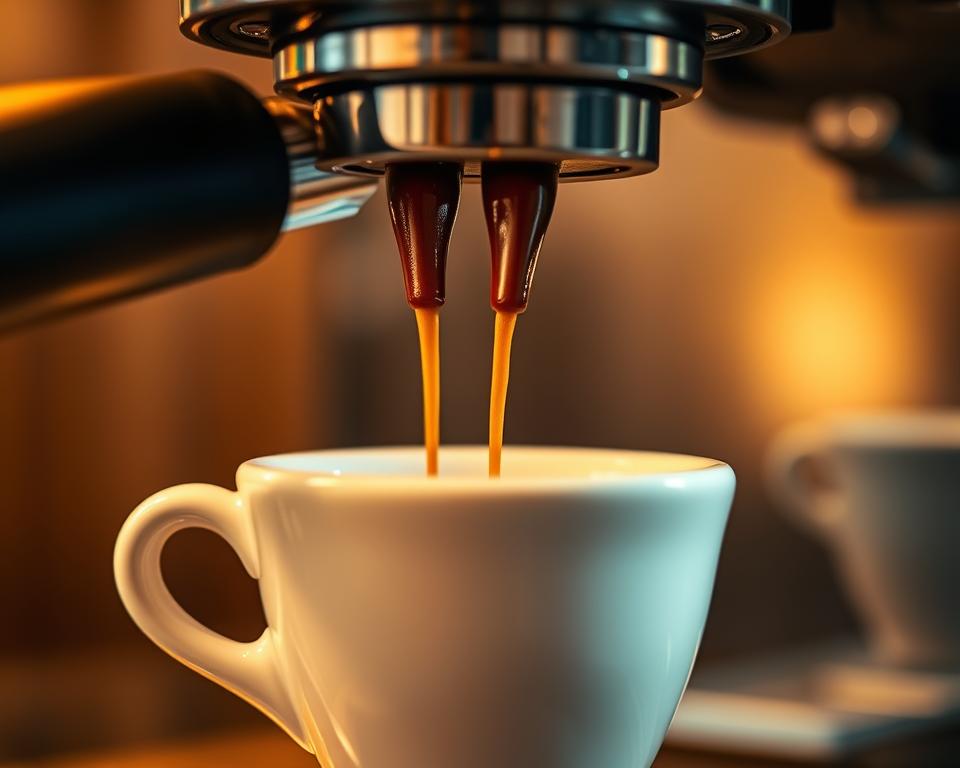
The flavors should be complex. They should show the coffee’s origin and how it was made.
Cold Brew: The Patient Extraction Method
Cold brew coffee is made by steeping coarse-ground coffee beans in water for a long time. It’s a tasty way to enjoy Guatemala Coffee. This method is loved for its easy process and smooth, low-acidity taste.
Coarse Grinding for Cold Brew Success
The first step in making great cold brew is to coarse grind your Guatemala Coffee beans. A coarse grind helps the coffee extract well over 12 to 24 hours. It prevents the coffee from becoming too bitter or over-extracted.
Immersion vs. Slow Drip Methods
There are two main ways to make cold brew: immersion and slow drip. The immersion method involves steeping coarse-ground coffee in water. The slow drip method slowly drips water through the coffee grounds. Both methods can make excellent cold brew, but immersion is more common and easy to do at home.
After steeping, it’s important to filter your cold brew to remove the coffee grounds. This makes the texture smooth. Keep your cold brew in the fridge and drink it within a week for the best taste. You can enjoy it over ice or use it as a base for coffee drinks.
Water Quality and Its Impact on Extraction
When brewing Guatemala Coffee, the water’s quality is key. It can make or break the coffee’s taste. The right water can bring out the coffee’s best flavors.
Minerals, pH level, and purity matter a lot. For example, minerals like calcium and magnesium can balance the taste. But, water that’s too alkaline can make the coffee taste bitter.
Using quality water is crucial for the best Guatemala Coffee taste. It’s best to use filtered water to get rid of impurities. The water should be neutral in pH and clean.
By focusing on water quality and using the right brewing methods, you can enhance your coffee experience. Trying different water types can help you find your perfect cup.
Grind Size: The Critical Variable in Extraction Methods
Getting the perfect cup of coffee begins with knowing how grind size matters. The size of the coffee bean grind greatly impacts the taste and quality of your coffee.
Each brewing method needs a specific grind size for the best extraction. For example, Cold Brew calls for a coarse grind, while Espresso needs a fine one.
| Brewing Method | Recommended Grind Size | Extraction Time |
|---|---|---|
| Chemex | Medium-Coarse | 4-5 minutes |
| V60 | Medium-Fine | 3-4 minutes |
| Espresso | Fine | 20-30 seconds |
| Cold Brew | Coarse | 12-24 hours |
Changing the grind size based on the brewing method is key for the best taste. Trying out different grind sizes can help you find your ideal coffee.
Troubleshooting Common Extraction Problems
Making the perfect cup of Guatemala Coffee can be tough. There are many extraction issues to deal with. Knowing how to fix these problems is crucial for enjoying your coffee.
Chemex and V60 Troubleshooting
Common issues with Chemex and V60 include channeling and under-extraction. Make sure your grind size is right. Also, keep the water temperature between 195°F and 205°F.
Changing the grind size and making sure water flows well can help. This can solve these problems.
Espresso Extraction Issues
Espresso problems often come from grind size and tamping. If your shot is slow, your grind might be too fine. Try adjusting the tamp and grind size to fix it.
Cold Brew Challenges
Cold brew can be too weak or too strong. To fix this, adjust the coffee-to-water ratio. A good starting point is 1 cup of coarse-ground coffee for every 4 cups of water.
By tackling these common extraction problems, you can greatly improve your Guatemala Coffee. Every cup will be a joy to drink.
Comparing Extraction Methods for Guatemala Coffee
Guatemala Coffee has many flavors, thanks to different ways to make it. You can try Chemex, V60, espresso, or cold brew. Each method makes the coffee taste unique.
The Chemex method makes a smooth cup. It’s great for those who like a balanced taste. The V60 pour-over, however, lets you control the brewing. This makes the coffee taste even more complex.
Espresso makes a strong, rich shot. It brings out the coffee’s bold flavors. Cold brew, on the other hand, is smooth and has low acidity. It’s perfect for a mellow taste.
Choosing the right method lets coffee lovers enjoy Guatemala Coffee their way. You might like the clarity of Chemex, the depth of V60, the boldness of espresso, or the smoothness of cold brew. Each way shows off the coffee’s rich heritage and taste.
Conclusion: Elevating Your Guatemala Coffee Experience
Learning about different extraction methods is key to enjoying Guatemala Coffee fully. Techniques like Chemex, V60, espresso, and cold brew help coffee lovers appreciate Guatemala’s coffee. Each method brings out unique flavors and nuances.
Trying out various extraction methods lets people find their favorite way to enjoy Guatemala Coffee. Whether it’s the balanced taste of a Chemex or the intense flavor of an espresso, the right method makes a big difference.
With this knowledge, coffee enthusiasts can improve their brewing skills. This way, they can fully enjoy Guatemala Coffee. As coffee lovers around the world continue to explore Guatemala Coffee, mastering extraction methods remains essential.