
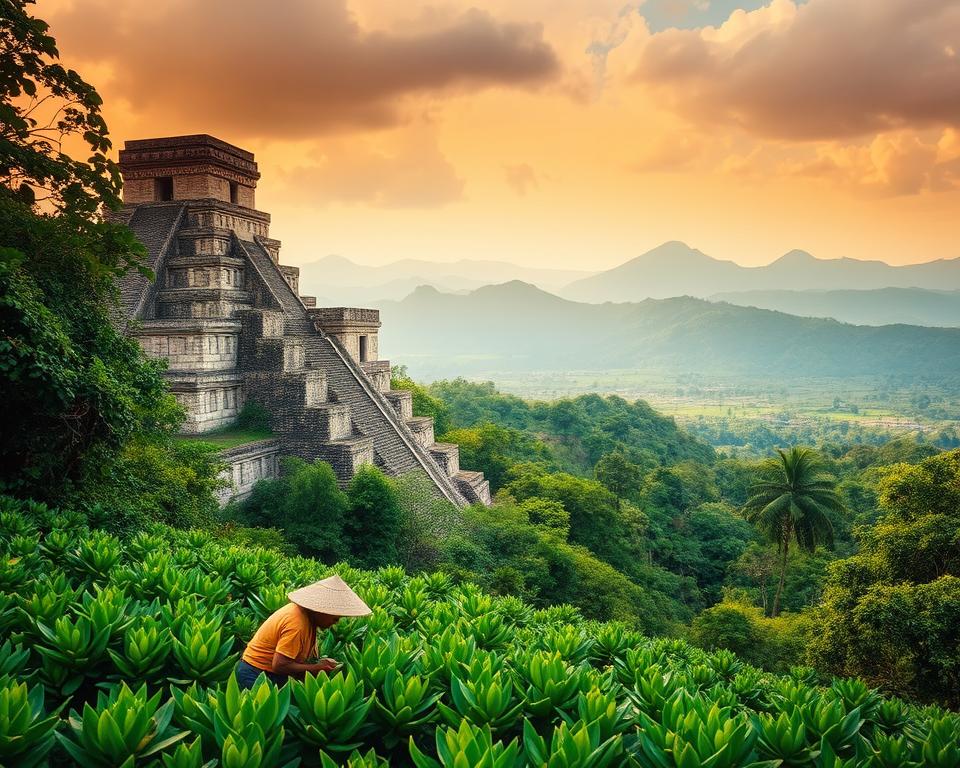
The rich cultural heritage of Guatemala is deeply intertwined with its renowned coffee industry. The Mayan people’s influence on coffee agriculture is a testament to their enduring legacy in the region.
The history of coffee in Guatemala dates back to the 18th century. But it was the Mayans who laid the groundwork for the country’s coffee traditions. Their agricultural practices and understanding of the land’s nuances have been passed down through generations.
This has significantly impacted the quality and flavor profile of Guatemalan coffee.
This historical context not only highlights the significance of Mayan culture in coffee production. It also underscores the importance of preserving traditional farming methods in modern coffee agriculture.
The Ancient Roots of Mayan Agricultural Expertise
The ancient Mayans were skilled farmers. They grew crops in the dense jungles and mountains of Mesoamerica. They used innovative methods shaped by their deep understanding of the land and climate.
This knowledge has been passed down through generations. It has influenced modern coffee farming techniques.
The Mayans were known for their sophisticated irrigation systems. They also used crop rotation and terracing techniques. These allowed them to farm in challenging environments.
These practices ensured a stable food supply. They also contributed to the development of high-quality coffee. For more information, visit the Penn Museum’s journal.
The Mayan civilization’s agricultural expertise has had a lasting impact on coffee production in regions like Guatemala. Their knowledge of soil conservation, shade management, and biodiversity has been incorporated into modern coffee farming practices.
By understanding and adopting these traditional techniques, coffee farmers can improve the quality and sustainability of their crops.
Key Mayan Agricultural Practices
- Crop rotation and terracing to maintain soil fertility and prevent erosion
- Sophisticated irrigation systems to manage water resources effectively
- Shade management to promote biodiversity and reduce the need for pesticides
The legacy of Mayan agricultural expertise continues to shape the coffee industry today. By embracing these traditional practices, coffee farmers can produce high-quality coffee. They can also preserve the environment and cultural heritage.
Coffee’s Arrival in Guatemala: Historical Context
In the 18th century, coffee came to Guatemala, starting a journey that merged with Mayan culture. This marked a big change in Guatemala’s farming, with coffee becoming a key crop.
The climate in Guatemala was perfect for coffee, and the Mayan communities already knew how to farm. By the 19th century, Guatemala was known worldwide for its coffee.
Coffee changed Guatemala’s economy and culture a lot. Coffee farms became a big part of the country, helping many people, including Mayans. Mayans naturally took to coffee farming, thanks to their farming skills.
A study shows how coffee helps local economies and keeps cultural traditions alive in Guatemala (Coffee Tourism and Community Development in). This connection between coffee and Mayan culture is key to Guatemala’s coffee industry.
| Year | Event | Impact on Mayan Communities |
|---|---|---|
| 18th Century | Coffee Introduction | Initial adoption and integration into existing agricultural practices |
| 19th Century | Coffee Becomes Major Crop | Increased economic opportunities and cultural exchange |
| 20th Century | Coffee Industry Expansion | Further integration of Mayan culture with coffee traditions |
The history of coffee in Guatemala shows how Mayan communities and coffee are deeply connected. This bond is seen in the traditional Mayan coffee practices that shape the country’s coffee industry.
Coffee and Mayan Culture: A Symbiotic Relationship
The bond between coffee and Mayan culture is deep and long-lasting. For many years, Mayan people have grown coffee, linking it to their traditions. Coffee is a big part of their daily lives and rituals, shaping their farming and culture.
Coffee farming fits into the Mayans’ traditional farming cycles. They know the land and climate well, growing top-notch coffee. This knowledge is shared from one generation to the next, keeping coffee farming and culture in balance.
The Mayans’ culture deeply influences their coffee farming. Coffee is more than a crop to them; it’s a spiritual part of their lives. They believe coffee plants hold spiritual value, and they hold rituals for a bountiful harvest.
| Aspect | Mayan Culture Influence | Coffee Cultivation Impact |
|---|---|---|
| Agricultural Practices | Traditional farming methods | High-quality coffee production |
| Rituals and Ceremonies | Spiritual significance of coffee plants | Enhanced cultural heritage |
| Daily Life | Coffee as a staple in daily routines | Increased community bonding |
This relationship between coffee and Mayan culture is good for both. It keeps traditional practices alive while also improving coffee quality.
How to Understand Mayan Agricultural Techniques in Coffee Farming
Learning about Mayan farming methods helps us see why Mayan coffee is special. The Mayans have farmed for centuries, using their knowledge for coffee. One important technique is canopy management.
Canopy management keeps a balance by saving native trees and plants. It protects coffee from harsh weather and boosts the area’s biodiversity.
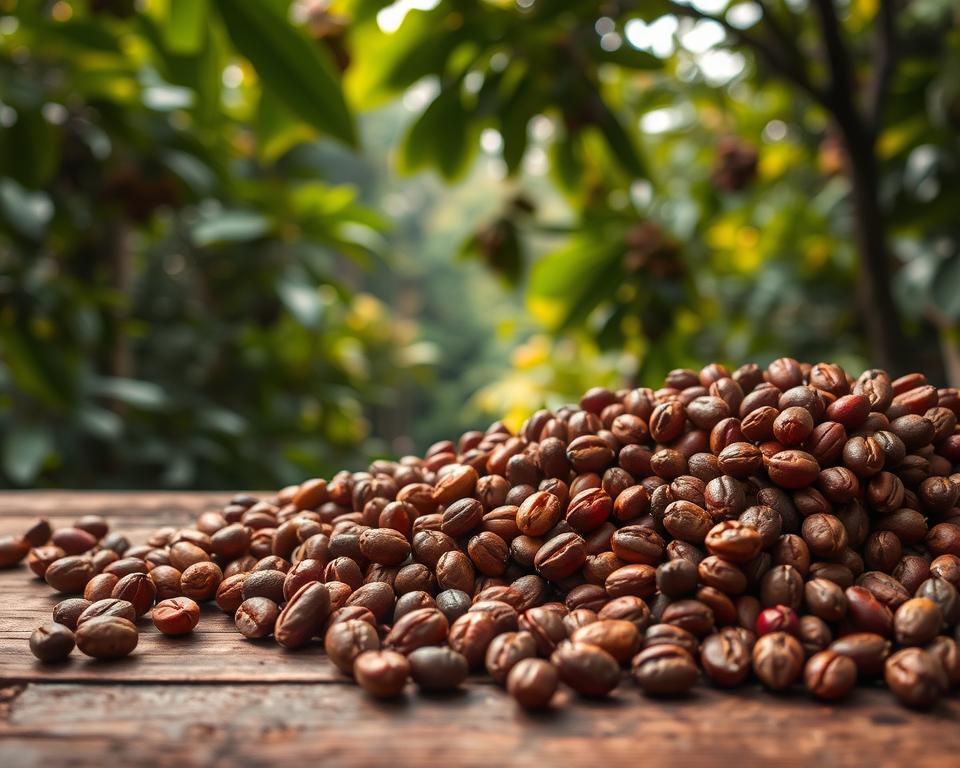
This method has many benefits. It makes the soil better, reduces erosion, and creates a balanced environment. All these help make the coffee taste better.
| Technique | Benefit | Impact on Coffee |
|---|---|---|
| Canopy Management | Soil Health Improvement | Richer Flavor Profile |
| Native Tree Preservation | Biodiversity Enhancement | Unique Flavor Notes |
| Erosion Control | Soil Conservation | Consistent Quality |
Using Mayan farming ways, coffee farmers can grow top-notch beans. These beans taste unique and are good for the planet. Mayan coffee recipes add to their special flavor.
In short, Mayan farming methods make coffee better in taste and quality. By using these old ways, farmers and coffee lovers can enjoy Mayan coffee’s rich history and taste.
How to Process Coffee Using Traditional Mayan Methods
Mayan coffee processing has been passed down for generations. It shows the community’s deep bond with the land. These methods are not just for making great coffee but also for keeping cultural traditions alive.
The first step is picking coffee cherries by hand. This is done to pick only the ripest cherries. This careful step is key for the coffee’s taste and quality.
Then, the cherries go through a traditional pulping process. This removes the outer skin, leaving the seeds inside. Next, the seeds ferment for a few days to a week, depending on the flavor wanted.
After fermentation, the beans are washed and dried. They are often dried under the sun on traditional patios. This step is important for the coffee’s unique taste and smell.
Traditional Mayan coffee processing is more than just steps. It’s also about the spiritual and cultural value of coffee in Mayan communities. The Mayan coffee ceremony, for example, is a cherished tradition. It celebrates the bond between people, land, and coffee.
By learning about these traditional methods, coffee lovers can enjoy a special and culturally rich coffee experience. The uniqueness of Traditional Mayan coffee comes from its taste and the story and heritage behind it.
Understanding Mayan Coffee Rituals and Ceremonies
Mayan coffee rituals mix tradition, spirituality, and community. They show the Mayans’ deep bond with their land and heritage.
In Mayan communities, making and drinking coffee is more than just a daily task. It holds spiritual value. Coffee is often given during ceremonies and special times, showing hospitality and unity.
The traditional way of making coffee is a big part of Mayan rituals. They use special coffee beans, roast them perfectly, and brew them with old methods. These methods have been passed down for generations.
| Ritual Element | Significance | Community Impact |
|---|---|---|
| Coffee Bean Selection | Represents quality and tradition | Promotes community pride |
| Traditional Roasting | Enhances flavor and aroma | Preserves cultural heritage |
| Ceremonial Serving | Symbolizes hospitality | Fosters community bonding |
These rituals show how important coffee is in Mayan culture. They also show the community’s dedication to keeping their traditions alive. By understanding and respecting these rituals, we can appreciate the rich culture of the Mayan people more.
In conclusion, Mayan coffee rituals and ceremonies are key parts of their culture. They connect the Mayans to their heritage and community. These traditions are important in the daily lives of Mayan communities, linking their past and present.
How to Preserve Mayan Coffee Traditions in Modern Times
In today’s world, saving Mayan coffee traditions is more important than ever. The global trend of cultural blending threatens the special ways Mayan coffee farmers have passed down through generations.
One big challenge is the shift to modern farming that focuses on quantity over quality and tradition. We need to support sustainable farming that keeps Mayan traditions alive.
Keeping traditional Mayan coffee methods alive is also key. These methods give Mayan coffee its unique taste and are part of their cultural ceremonies.
To keep these traditions alive, we must help local Mayan communities. This can be done through education and economic support. Training programs can teach young people about their heritage and coffee farming and processing.
Also, we should promote Mayan coffee worldwide. This can help keep these traditions going by showing off their cultural and quality values. When people know about Mayan coffee, they might choose to buy it, supporting these traditions.
Keeping Mayan coffee traditions alive needs a mix of support for local communities, cultural education, and celebrating Mayan coffee’s unique qualities.
How to Identify and Appreciate Mayan-Influenced Coffee
To truly appreciate Mayan-influenced coffee, you need to know the traditional methods that make it special. Mayan coffee is known for its rich flavor. This is thanks to the careful way Mayan farmers grow and process it.
The unique taste of Mayan coffee comes from the Mayan people’s traditional farming. They have passed down careful coffee selection, harvesting, and processing over generations.
Brewing Mayan-style coffee is simple but enhances its unique flavors. Here’s how to do it:
- Use freshly roasted Mayan coffee beans.
- Grind the beans to a medium-coarse grind.
- Brew using a pour-over or French press method.
To enjoy Mayan coffee’s nuances, try different brewing methods:
| Brewing Method | Flavor Profile | Recommended Grind Size |
|---|---|---|
| Pour-over | Clean, nuanced flavors | Medium-coarse |
| French press | Rich, full-bodied flavors | Coarse |
By following these steps and trying different brewing methods, you can fully enjoy Mayan-influenced coffee. Whether you’re a coffee expert or new to specialty coffee, Mayan coffee is a rich and rewarding experience.
Conclusion: The Enduring Legacy of Mayan Coffee Agriculture
The Mayan people’s skills in farming have greatly influenced Guatemala’s coffee industry. Their unique way of growing coffee has created a special coffee culture.
Coffee and Mayan culture are closely tied. Mayan farming methods and rituals still shape coffee farming today. Keeping these traditions alive is key to Guatemalan coffee’s distinct taste and cultural value.
As the world of coffee changes, it’s vital to protect Mayan coffee culture. Coffee makers and drinkers can join forces to keep Guatemala’s coffee industry strong for the future.
The lasting impact of Mayan coffee farming shows the area’s deep cultural and coffee heritage. Mayan coffee culture is still growing, and its preservation will help Guatemalan coffee stay successful.