
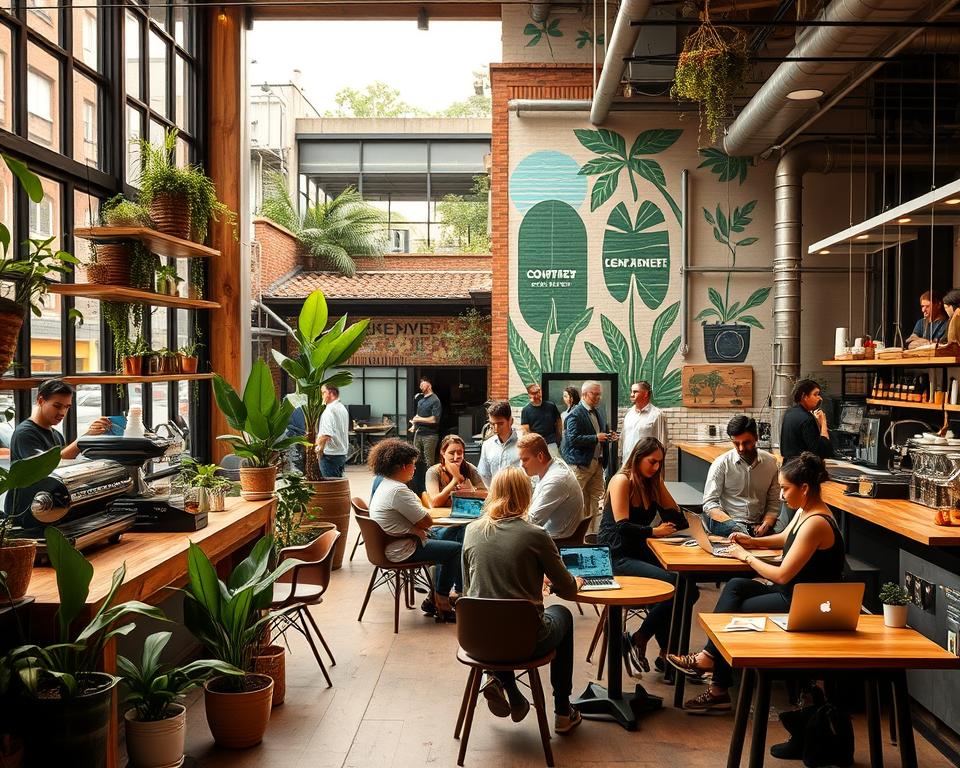
Guatemala’s coffee industry is changing fast. New startups are leading the way, focusing on sustainability and helping communities. They’re making coffee production better for the planet and for people.
These startups are all about sustainable coffee. They use green practices and fair trade to make coffee production work for everyone. This approach makes coffee both good for the environment and fair for farmers.
This guide will show you the world of social impact coffee startups. We’ll look at why they matter, their effects, and the current state of Guatemala’s coffee industry.
The Guatemalan Coffee Landscape
Guatemala is known for its unique terroir and climate, making it a key player in the global coffee market. The country is famous for its high-quality Arabica beans. These beans have distinct flavors that coffee lovers seek out.
Guatemala’s coffee industry is a big part of its economy and a source of national pride. It creates jobs for thousands of farmers and their families. Many of these farmers work with ethical coffee companies and fair trade initiatives.
The main coffee areas in Guatemala are Huehuetenango, Atitlán, and Antigua. Each area has its own terroir and microclimate. This results in coffee with unique flavors, from smooth and balanced to fruity and complex.
However, the coffee industry faces challenges like climate change, pests, and diseases. But, many ethical coffee companies and fair trade coffee initiatives are tackling these issues. They do this by using sustainable practices and supporting coffee farmers.
- Key regions for coffee production in Guatemala
- Challenges facing the coffee industry
- Opportunities for social impact startups
By supporting fair trade coffee initiatives and working with ethical coffee companies, Guatemala’s coffee industry can grow. It can also promote positive social and environmental change.
What Are Social Impact Coffee Startups and Why They Matter
Social impact coffee startups are changing the coffee world in Guatemala. They focus on being green and helping communities. These startups are more than just businesses; they are change-makers. They aim to better the lives of coffee farmers, their families, and the planet.
Economic Benefits
These startups help the economy in big ways. They make sure coffee farmers get a fair price for their beans. This boosts the farmers’ income and helps them financially.
With more money, farmers can improve their farms and support their families. Social impact coffee startups also help communities grow. They fund projects like building better roads or training farmers.
Social Improvements
These startups also focus on social issues. They work to make things fairer for women in coffee farming. They make sure workers are treated right and work in safe places.
Environmental Protection
They also care about the planet. Social impact coffee startups use green farming methods. This keeps nature healthy and cuts down on harm to the environment.
In short, social impact coffee startups in Guatemala are making a big difference. They work hard to be good for the economy, society, and the environment. This helps coffee farmers and their communities, leading to a greener future for coffee.
Key Areas of Impact in Guatemala’s Coffee Sector
In Guatemala, social impact coffee startups are making a big difference. They focus on several key areas to have a big impact.
One main area is fair pricing for coffee farmers. For a long time, farmers in Guatemala were paid very little for their coffee. This made it hard for them to live. Now, fair prices help farmers get a fair wage for their hard work.
Fair Pricing Structures
Fair prices are key for coffee farmers’ well-being. They help farmers invest in their farms and improve their coffee quality. This way, they can also take care of their families.
Some ways to achieve fair prices include:
- Direct trade that cuts out middlemen
- Clear pricing so farmers know what they’ll get paid
- Premiums for high-quality or specialty coffee
Another important area is income diversification programs. These programs help farmers not rely only on coffee. They can explore other income sources like:
- Learning new farming methods
- Starting other crops or livestock
- Creating ecotourism to attract visitors
These programs help farmers build stronger livelihoods. Eco-friendly coffee startups are key in promoting these efforts. They help make the coffee sector in Guatemala more sustainable.
The effects of these efforts go beyond just money. They also help the environment and society. By supporting eco-friendly coffee startups, we help make the coffee industry fairer and more sustainable.
How to Identify Authentic Social Impact Coffee Startups
Authentic social impact coffee startups are changing the coffee world. But finding them means looking closely at their actions and promises. To choose wisely, we need to know what makes these startups real.
Transparency is a big sign of a true social impact coffee startup. They share how they source their coffee, their supply chains, and how they help local communities. They also share updates and reports, so we can see the good they’re doing.
Being involved with the community is key too. Real social impact coffee startups work closely with the people they serve. They help with local projects, support education, and ensure fair work conditions. Look for companies that really care about the community and show it through their actions.
Also, these startups care about the planet. They use green practices in every part of their business, from farming to packaging. They aim to reduce their carbon footprint and protect nature.
When looking at social impact coffee startups, check a few things. See if they’re open about their work, if they help the community, and if they care about the environment. By looking at these, we can back companies that are making a real difference in the coffee world.
Step-by-Step Guide to Supporting Social Impact Coffee Initiatives
As a conscious consumer, you can help Guatemala’s coffee sector. Backing environmentally conscious coffee ventures benefits farmers and supports a sustainable coffee industry.
To effectively support these initiatives, follow this step-by-step guide:
- Choose coffee products from companies that prioritize fair trade and sustainability.
- Understand the various certifications such as Fairtrade, Organic, and Rainforest Alliance.
- Engage with local communities by participating in or supporting local coffee events and cooperatives.
When picking coffee, look for companies that are open about their practices. This openness usually means they care about fair and sustainable methods.
| Certification | Description | Benefits |
|---|---|---|
| Fairtrade | Ensures fair prices and working conditions for farmers | Improves livelihoods of farmers and their communities |
| Organic | Promotes eco-friendly production methods | Reduces environmental impact and promotes biodiversity |
| Rainforest Alliance | Conserves biodiversity and promotes sustainable livelihoods | Protects ecosystems and improves farming practices |
Supporting local communities is easy. Just go to local coffee festivals or join a coffee cooperative. These actions help connect consumers with producers, making the coffee industry fairer.
By following these steps, you help make Guatemala’s coffee sector better. You support environmentally conscious ventures and improve the lives of farmers and their communities.
Case Studies: Successful Social Impact Coffee Startups in Guatemala
Ethical coffee startups in Guatemala are making a big difference. They focus on sustainability and helping the community. These efforts are changing the coffee world and helping Guatemala’s economy and environment.
A standout startup uses a direct trade model. This means farmers get a fair price for their coffee. It has made farmers’ lives better and improved the coffee quality.
Business Model
This startup values fairness and transparency. They remove middlemen to give more money to farmers. This not only helps farmers but also makes better coffee for everyone.
- Direct trade practices
- Fair pricing for farmers
- Transparency in transactions
Impact Metrics
The startup’s success is shown in several ways. Farmers earn more, coffee quality goes up, and more jobs are created. These signs show the good work of ethical coffee in Guatemala.
| Metric | Pre-Startup | Post-Startup |
|---|---|---|
| Farmers’ Income | $1,000 | $1,500 |
| Coffee Quality Rating | 80% | 95% |
These stories show how coffee startups can make a big difference in Guatemala. By choosing ethical and fair trade, they’re leading the coffee industry in a positive direction.
Launching Your Own Social Impact Coffee Venture
Starting a social impact coffee business is more than just finding great coffee beans. You need to know about pricing, how to get your coffee out there, and marketing. It’s key to think about all these things to make your business a hit.
Setting the right price for your coffee is crucial. You must look at the cost of making it, what others are charging, and how much people are willing to pay. Here are some pricing strategies to think about:
- Premium pricing: Make your coffee seem like a luxury to charge more.
- Penetration pricing: Start with lower prices to draw in customers and grow your share.
- Value-based pricing: Price your coffee based on what it offers to the customer.
Pricing Strategies
When setting your prices, remember these important points:
| Factor | Description | Impact on Pricing |
|---|---|---|
| Production Costs | The cost of getting, processing, and selling the coffee. | Directly affects the minimum price. |
| Market Conditions | The competition and demand in the market. | Influences the best price point. |
| Consumer Willingness to Pay | How much people are willing to spend on your coffee. | Determines the highest price you can charge. |
Distribution Channels
Getting your coffee to customers is key. Here are some ways to do it:
- Online sales through your website or e-commerce sites.
- Working with local coffee shops, restaurants, or specialty stores.
- Selling directly at farmers’ markets or coffee festivals.
To get noticed, you need a marketing plan that shows off your coffee’s special qualities and social good. Think about these ideas:
- Storytelling: Share the story of your coffee, like the farmers and communities involved.
- Social media: Use Instagram and Facebook to show off your coffee and talk to customers.
- Influencer partnerships: Work with influencers who match your brand and appeal to your audience.
By thinking about pricing, how to get your coffee out, and marketing, you can start a successful social impact coffee business. It will make a difference in Guatemala’s coffee world.
Overcoming Challenges in the Social Impact Coffee Sector
The journey of sustainable coffee businesses is often filled with obstacles. Yet, success is possible. Social impact coffee startups in Guatemala face many challenges, like changing market prices and environmental issues.
Keeping a steady supply chain is a big challenge. To tackle this, many businesses use direct trade. This ensures fair prices for farmers and a reliable supply for producers.
Climate change is another big hurdle. Rising temperatures and unpredictable weather can harm coffee crops. To fight this, startups are using climate-resilient methods like shade-grown coffee and soil conservation.
Key Strategies for Success
- Building strong relationships with local farmers and communities
- Investing in climate-resilient coffee production methods
- Developing transparent and fair pricing models
- Engaging in continuous quality improvement and innovation
By using these strategies, sustainable coffee businesses can beat their challenges. They can also help make the coffee industry more fair and green.
Using technology and data analytics is also key. It helps startups run better, predict risks, and find new markets.
| Challenge | Strategy | Benefit |
|---|---|---|
| Inconsistent supply chain | Direct trade practices | Fair prices for farmers, stable supply |
| Climate change impact | Climate-resilient practices | Resilient coffee crops, reduced environmental impact |
The Future of Social Impact Coffee Startups in Guatemala
Guatemala’s coffee industry is growing, and social impact coffee startups are leading the way. They help the economy grow and support fair practices in coffee. This is good for everyone involved.
More people want to buy coffee that’s good for the world. This chance is huge for social impact coffee startups in Guatemala. They can grow and make a big difference.
Several things will shape these startups’ future. Using new tech and green farming methods will help them compete and protect the environment. Working together with local groups and global organizations is also key.
But, these startups will face hurdles too. They’ll need to deal with tough rules and find money. Everyone needs to work together to solve these problems.
In the end, the outlook for social impact coffee startups in Guatemala is bright. They can grow and make a real difference. By focusing on being green, innovative, and teaming up, they’ll keep doing well and help Guatemala’s coffee industry.
Conclusion: Brewing Positive Change Through Conscious Coffee Consumption
Exploring Guatemalan coffee shows us how buying coffee can make a difference. By choosing fair trade coffee, we help make the coffee world better. This supports fair prices and better lives for farmers.
Social impact coffee startups are at the forefront of this change. They focus on helping farmers, communities, and the planet. Their new ways and openness are changing the coffee world.
When we support these efforts, we join a bigger movement. This movement is about making the world more sustainable and just. As more people want coffee that’s good for the planet, we can help make a better future for Guatemalan coffee farmers and their communities.