
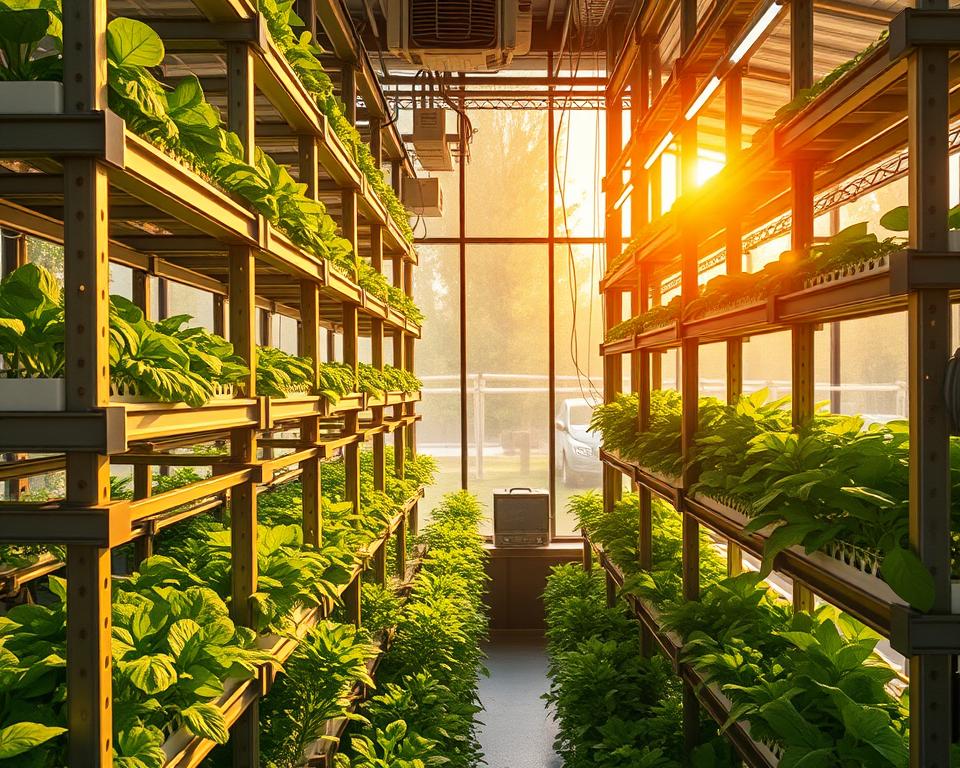
Guatemalan coffee is famous for its rich taste and unique flavors. The mix of soil, climate, and high altitude in Guatemala is perfect for growing specialty coffee.
By trying out controlled environment agriculture, farmers can improve coffee growing. They can change things like temperature, humidity, and light. This helps them make microclimates that are similar to the best places for coffee.
This new method is great for Guatemalan coffee makers. It helps them keep their coffee quality high, even when the weather changes.
Understanding Guatemalan Coffee: Traditions and Challenges
Guatemalan coffee is known for its unique flavors. It faces challenges from climate change. Coffee is a big part of Guatemala’s economy and culture.
Regional Varieties and Their Distinct Characteristics
Guatemala has several coffee regions, each with its own taste. The main areas are Antigua, Atitlán, Huehuetenango, and Cobán. Each place’s soil and weather make its coffee special.
| Region | Flavor Profile | Characteristics |
|---|---|---|
| Antigua | Balanced acidity, chocolate notes | Smooth, rich |
| Atitlán | Fruity, floral notes | Bright acidity |
| Huehuetenango | Robust, spicy notes | Dry processing method |
Traditional Growing Methods in Guatemala
Guatemalan farmers grow coffee under trees. This method keeps the soil healthy and supports many plants.
Climate Change Impacts on Coffee Production
Climate change is a big problem for Guatemalan coffee. It causes warmer weather and unpredictable rain. This can make coffee less good and less plentiful.
Farmers are under pressure to grow more with less land. They are looking into new ways to farm, like using technology and growing in cities. This helps them keep up with the changing climate.
Guatemala needs to find ways to farm that are good for the planet. By trying new methods, they can keep their coffee traditions alive. This will help their coffee industry stay strong for the future.
The Science Behind Vertical Farming Microclimate Coffee
Vertical farming and microclimate experiments are changing Guatemalan coffee growing. Farmers use new methods to improve growing conditions. This leads to better coffee quality.
Space Efficiency and Yield Optimization
Vertical hydroponic systems make the most of space. Farmers can grow more coffee in less area. This means more coffee and better management.
Resource Conservation Advantages
Controlled environment agriculture (CEA) in vertical farming saves water. It also cuts down on pesticides and herbicides. This helps the environment and supports green farming.
Coffee plants need the right temperature, humidity, and light. Vertical farming lets farmers adjust these to create perfect growing spots for coffee.
Replicating Guatemala’s Diverse Growing Regions Indoors
Guatemala has many areas great for growing coffee. Vertical farming lets farmers mimic these conditions indoors. This way, they can grow many different types of coffee.
By controlling the environment, farmers can make coffee as good as traditional methods. The science of vertical farming is making coffee farming more sustainable and productive.
Essential Equipment for Coffee Vertical Farming Systems
To grow coffee vertically, you need special equipment to control the environment. Vertical farming for coffee aims to mimic the perfect conditions found in traditional coffee-growing areas.
The base of any vertical farm is its support structures.
Selecting the Right Support Structures
Choosing between hydroponic, aeroponic, or other methods will decide the support needed. Coffee plants need a strong system for good air and root growth.
Substrate Options for Coffee Plants
The substrate affects coffee plant health. You can use coco coir, peat moss, or rockwool. Coco coir, for example, holds water well, which is good for coffee plants.
LED Spectrum Requirements for Different Growth Stages
LED lighting is key, with different colors needed for each growth stage. Coffee plants need a mix of blue, red, and green light for growth.
- Blue light for vegetative growth
- Red light for flowering and fruiting
- Green light for overall plant health
Light Intensity and Positioning Guidelines
Right light intensity and placement are crucial to avoid overheating and ensure even growth. The LED lights’ distance from the plants should be adjustable.
Temperature and Humidity Regulators
Keeping the temperature (60°F to 80°F) and humidity (60-70%) just right is key. Regulators and sensors help keep these conditions steady.
Automated Monitoring Systems and Data Analysis
Automated systems track temperature, humidity, light, and nutrients, giving real-time data. This data helps make quick adjustments to improve growing conditions.
With the right equipment and technology, vertical coffee farms can produce high-quality coffee sustainably.
Setting Up Your Vertical Coffee Farm: Step-by-Step Guide
Starting a vertical coffee farm needs careful planning and action. This guide will help you set up your farm. We’ll cover important steps like space, workflow, and controlling the environment.
Calculating Spatial Requirements and Layout
Figuring out the space and layout of your farm is key. Think about the size of the coffee plants and how much space they need. Also, plan the paths for workers.
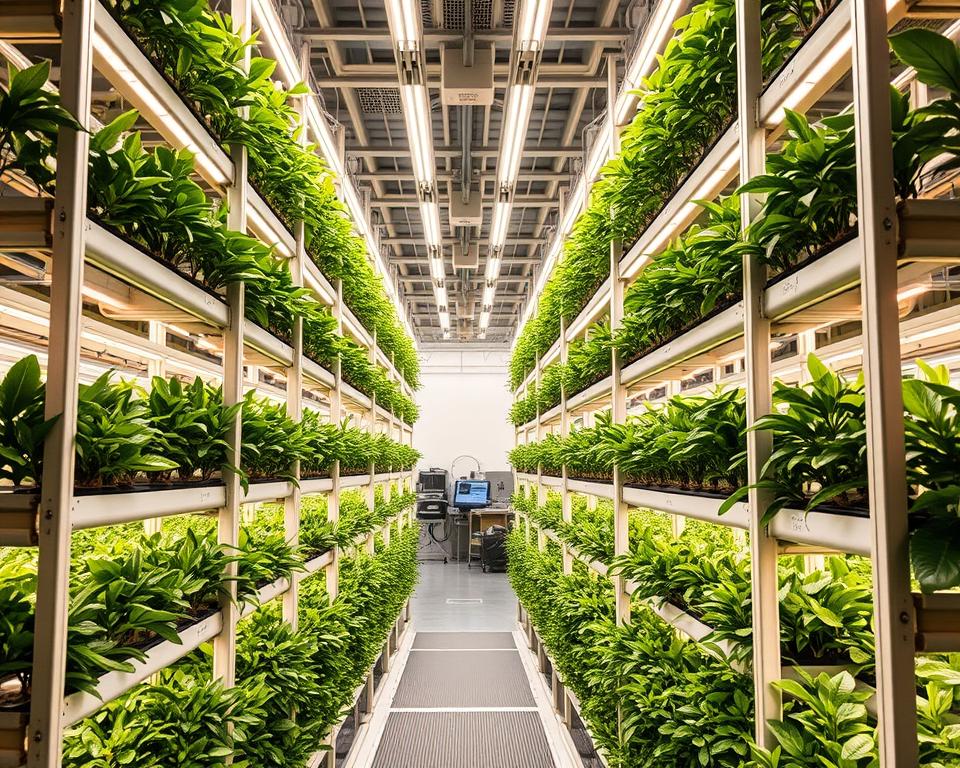
A good workflow is important for your farm’s success. Design the layout to save on labor and manage crops well. This includes planting, pruning, and harvesting.
Assembling Vertical Structures Safely
When building vertical structures, safety comes first. Make sure everything is securely attached. The structure should be stable and level to avoid accidents.
Setting Up Irrigation and Nutrient Delivery Systems
A good irrigation and nutrient system is crucial for your plants. Create a system that gives water and nutrients right to the roots. This cuts down on waste and prevents overwatering.
Running Test Cycles Before Planting
Test your systems before planting coffee plants. Check the irrigation, lighting, and climate control. This ensures everything works right before you start.
Establishing Baseline Environmental Parameters
Setting up the right environment is essential. Watch and adjust the temperature, humidity, and light. Make sure it’s perfect for your coffee plants.
By following these steps and focusing on sustainable practices, you can create a successful vertical coffee farm. It will produce great coffee and be kind to the environment.
Creating the Perfect Microclimate for Guatemalan Coffee Varieties
Vertical farming lets farmers control the exact conditions needed for Guatemalan coffee to grow well. This is key for making specialty coffee, as it helps farmers match the right conditions for each coffee type.
Antigua Region Profile Replication
The Antigua region is famous for its volcanic soil and mild climate. To match this in a vertical farm, farmers keep the temperature between 16-22°C (60-72°F). They also keep humidity at 60-80% using climate control.
Huehuetenango Conditions Simulation
Huehuetenango is known for its high altitude and dry air. To mimic this in a vertical farm, farmers keep the temperature cooler (15-20°C or 59-68°F). They also lower humidity to 50-70%.
Coffee plants need specific light during the growing stage. LED grow lights with blue light (400-500 nm) help leaves grow well. The light should be about 150-200 μmol/m²s strong.
Flowering and Fruiting Light Requirements
When plants start flowering and fruiting, they need different light. Red light (600-700 nm) helps with flowering and fruit growth. The light should be stronger, around 300-400 μmol/m²s.
Optimal Airflow Patterns for Coffee Plants
Good airflow is vital for coffee plants to grow well. In a vertical farm, air should circulate around each plant. This prevents diseases and helps plants take in CO2. Airflow should be gentle, like a natural breeze, at 0.5-1.0 m/s.
CO2 Supplementation Methods and Timing
Adding CO2 is key for photosynthesis and growth. In a vertical farm, CO2 levels should be 1,000-1,200 ppm during the day. CO2 can come from generators or tanks, added when it’s light outside.
By controlling these factors, vertical farms can make high-quality Guatemalan coffee. The precision of climate control and hydroponics helps optimize conditions for each coffee type. This leads to better yields and taste.
- Replicate regional microclimates for specific coffee varieties
- Utilize climate-controlled agriculture for precise temperature and humidity control
- Implement tailored lighting protocols for different growth stages
- Ensure optimal airflow patterns to prevent disease and promote healthy growth
- Use CO2 supplementation to enhance photosynthesis and plant development
Sustainable Agriculture Practices in Vertical Coffee Farming
Vertical coffee farming is becoming more popular as we look for greener ways to make coffee. This method cuts down on environmental harm and boosts coffee quality and yield.
Closed-loop irrigation design is a key practice. It recycles water, cutting down on waste. This way, water is used wisely, lowering overall use.
Closed-Loop Irrigation Design
A closed-loop system collects, treats, and reuses water. It cuts down on the need for fresh water. This saves water and reduces wastewater.
Water Quality Management for Coffee
Good water quality is vital for growing coffee. Regular checks and treatments keep the water right for coffee plants.
Reducing power consumption through smart design is also important. Using LED lights and climate control wisely cuts down energy use.
Reducing Power Consumption Through Smart Design
Smart design means using energy-saving tech and layouts. LED grow lights, for example, help coffee plants grow well.
Renewable Energy Integration Options
Using solar or wind power lowers a farm’s carbon footprint. Solar panels or renewable energy credits are good options.
| Sustainable Practice | Benefit |
|---|---|
| Closed-Loop Irrigation | Water Conservation |
| Smart Design | Reduced Energy Consumption |
| Renewable Energy | Lower Carbon Footprint |
Creating Balanced Nutrient Solutions
It’s important to make nutrient solutions just for coffee plants. Knowing what they need at each stage is key.
Biological Pest Control Strategies
Controlling pests with natural methods is better. Using beneficial insects, for example, avoids harmful chemicals.
By using these sustainable practices, vertical coffee farming can make great coffee. It also helps make our food system greener.
Harvesting and Processing Vertically Farmed Guatemalan Coffee
To make the most of vertical farming, Guatemalan coffee makers need special harvesting and processing plans. They must handle the coffee carefully to keep its quality and taste.
Visual and Tactile Ripeness Indicators
Coffee cherries in vertical farms are checked for ripeness by sight and touch. A bright red color and a bit of softness mean they’re ready.
Staggered Harvesting Techniques
Because of the controlled setting, coffee can be picked in stages. This way, each batch is at its best ripeness.
Washing and drying are adjusted for indoor use. Machines and special drying rooms help keep things consistent.
Fermentation Control in Controlled Environments
Vertical farms let farmers control fermentation perfectly. This improves the coffee’s taste and quality.
| Processing Method | Traditional Farming | Vertical Farming |
|---|---|---|
| Washing | Manual or mechanized | Mechanized |
| Drying | Sun drying or mechanical | Controlled drying chambers |
| Fermentation | Variable conditions | Precise temperature and humidity control |
Evaluating Bean Development and Consistency
Checking on bean growth regularly helps keep batches consistent. This is key for making top-notch specialty coffee.
Flavor Profile Comparison with Traditional Methods
Vertically farmed Guatemalan coffee usually tastes more even and complex. This is because of the controlled environment.
Using new tech in harvesting and processing makes vertically farmed coffee even better. It adds to the unique taste of Guatemalan specialty coffee.
Scaling Up: From Experiments to Commercial Production
To grow vertical coffee farming into a big business, you need a mix of new ideas and practical steps. As farms get bigger, several important things come into play.
Initial Investment vs. Long-term Returns
Starting a climate-controlled farm costs a lot at first. But, the benefits over time are big. You get more coffee and spend less on running the farm.
Market Positioning for Vertically Farmed Coffee
Vertically grown coffee can be seen as a high-end product. It uses urban farming and controlled environments to attract buyers who care about the planet.
Using modular growth helps vertical farms grow and change easily. This lets farmers make more coffee when people want it.
Workforce Training and System Standardization
As farms get bigger, training workers is key. Making systems and processes the same keeps the coffee quality high.
| Scaling Factor | Experimental Phase | Commercial Production |
|---|---|---|
| Investment | Limited budget | Significant capital investment |
| Production Scale | Small batches | Large-scale production |
| Market Focus | Niche markets | Broad market appeal |
Conclusion: The Future of Guatemalan Coffee Through Vertical Farming Innovation
Vertical farming and microclimate experiments are changing the Guatemalan coffee scene. Farmers use sustainable methods and controlled environments to grow top-notch coffee. This way, they also protect the environment.
Vertical farming lets farmers control temperature, humidity, and light perfectly. This creates the best conditions for coffee to grow. It makes the coffee better and cuts down on environmental harm from old farming ways.
The future of Guatemalan coffee is bright with vertical farming. It will help meet the demand for specialty coffee. As the industry keeps innovating, Guatemalan coffee could become even more popular worldwide.
Guatemalan coffee farmers are looking to a bright future with vertical farming. They will keep their country’s coffee tradition alive. And they will help make specialty coffee known around the world.